Understanding Mobile Wound Care Benefits at Home
Experience personalized care with mobile wound care services at home. Say goodbye to long waits, receive efficient treatment tailored to your needs today!
Mobile Wound Care Services at Home: A Complete Guide to At-Home Wound Management and Nursing Care
Living with a wound that needs regular, skilled attention can be exhausting — especially when it means frequent trips to a clinic. Mobile wound care brings experienced clinicians directly to your home, so you can receive specialized treatment without the strain of travel. This guide explains what mobile wound care is, how it works, who benefits most, and how to arrange care at home.
What Are Mobile Wound Care Services and How Do They Work at Home?
Mobile wound care is specialized wound treatment delivered where you live — your home, an assisted living residence, or a skilled nursing facility. Rather than requiring you to travel to a wound clinic, a coordination service provides access to experienced physicians and clinicians who come to you, bringing the same level of assessment, treatment, and monitoring you would receive in a clinical setting.
During a visit, your clinician examines the wound, cleans and dresses it, performs any needed procedures such as debridement, monitors healing over time, and coordinates with your other providers. Because care happens in your own environment, it is easier to keep treatment consistent and to involve family members or caregivers in the plan.
What Types of Wounds Are Treated by Mobile Nursing Services?
Mobile wound care clinicians manage a wide range of wounds, including many that are slow to heal or need ongoing skilled attention. Commonly treated wounds include:
- Diabetic foot ulcers
- Pressure injuries (bedsores)
- Venous and arterial leg ulcers
- Surgical wounds and incisions that need monitoring
- Traumatic wounds and skin tears
- Chronic, non-healing wounds
Whatever the wound type, the goal is the same: create the right conditions for healing while preventing infection and complications.
How Is Wound Assessment and Evaluation Performed In-Home?
A thorough assessment is the foundation of good wound care. During an in-home evaluation, the clinician measures the wound's size and depth, checks the surrounding skin and circulation, looks for signs of infection, reviews your medications and health history, and identifies anything — such as swelling, pressure, or blood sugar — that could be slowing healing. This information guides a personalized treatment plan and gives a clear baseline to track progress against at each visit.
Why Choose Mobile Nursing Services for Wound Care at Home?
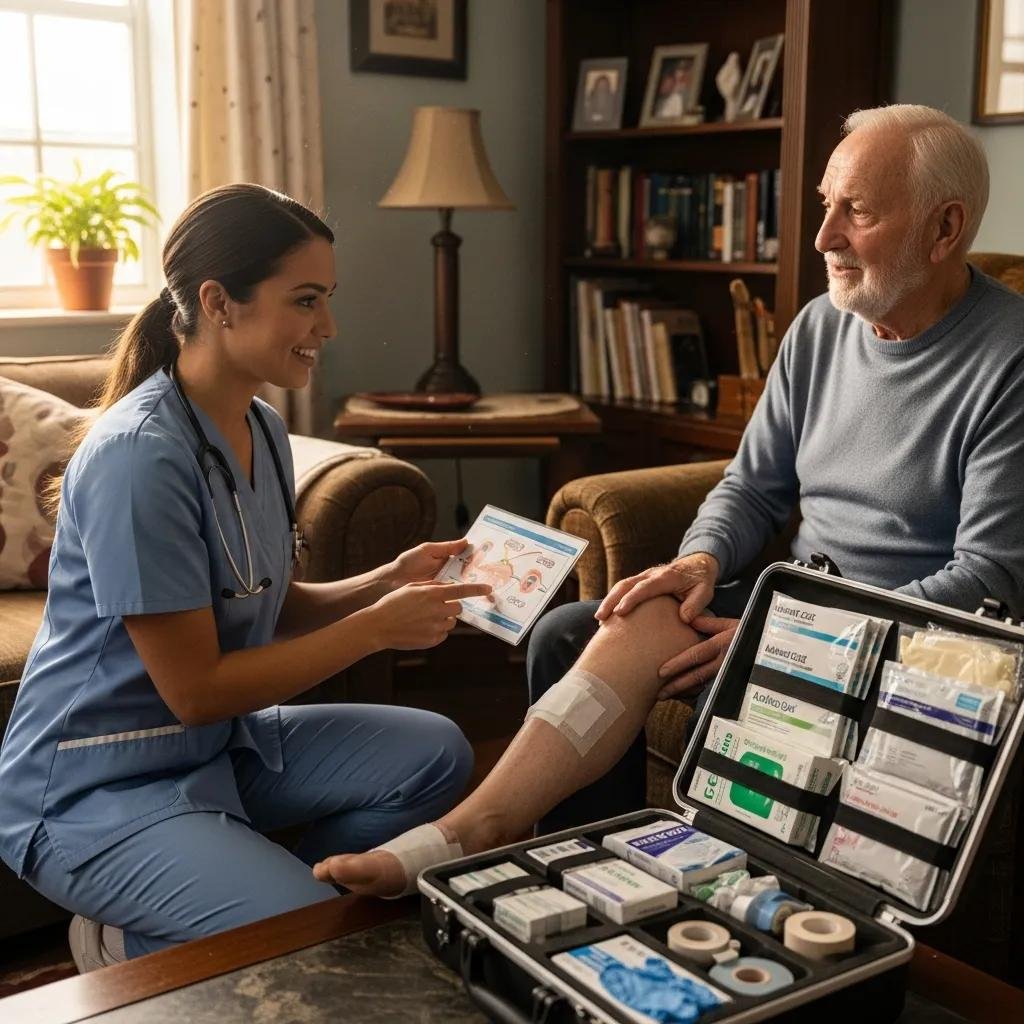
In-home wound care offers real, practical advantages. It removes the burden of transportation, reduces exposure to crowded waiting rooms, and lets treatment fit into your daily life. Most importantly, it supports the consistency that wound healing depends on — clinicians can monitor changes closely and adjust care quickly.
How Does At-Home Wound Care Reduce Hospital Readmissions?
Many hospital readmissions happen because a wound develops a complication after discharge that could have been caught earlier. Regular in-home visits allow clinicians to spot early warning signs — such as increasing redness, unusual drainage, or slowed healing — and respond before a small problem becomes serious. Consistent follow-up between visits helps keep recovery on track and can reduce the need for a return trip to the hospital.
What Personalized Care Options Are Available for Chronic Wound Management?
Chronic wounds rarely respond to a one-size-fits-all approach. In-home care plans are tailored to the specific wound and the person, and may include advanced dressings, negative pressure wound therapy, compression for swelling, debridement, infection control, and coordination of referrals to advanced therapies when appropriate. Care is adjusted as the wound changes, so the plan always matches where you are in the healing process.
What Are the Key Components of Home Healthcare Wound Management?
Effective at-home wound management combines skilled clinical care with education and coordination. The core components include careful assessment, wound cleaning and dressing changes, procedures such as debridement when needed, infection prevention, pain management, and ongoing communication with your broader care team.
How Are Wound Dressing Changes Handled by Mobile Providers?
Dressing changes are performed using sterile technique to protect the wound from contamination. The clinician selects the dressing best suited to the wound — for example, moisture-balancing dressings for a dry wound or absorbent dressings for one with heavy drainage — and changes it on a schedule that supports healing. They also teach caregivers how to manage simple changes safely between visits when appropriate.
What Infection Prevention and Pain Management Techniques Are Used?
Preventing infection is a top priority. Clinicians use sterile technique, appropriate cleansing, antimicrobial dressings when indicated, and close monitoring for early signs of trouble. Pain is managed through gentle wound care techniques, proper dressing choices, positioning, elevation to reduce swelling, and coordination with your physician on medication when needed — so care stays as comfortable as possible.
How Do Mobile Wound Care Providers Coordinate With Other Healthcare Professionals?
Wound healing rarely happens in isolation. Mobile wound care clinicians work as part of a larger team, sharing updates and coordinating referrals so that everyone involved in your health is working from the same information. This coordination helps ensure that underlying conditions affecting the wound — like diabetes or circulation problems — are being managed alongside the wound itself.
What Role Do Primary Care Physicians Play in At-Home Wound Care?
Your primary care physician remains central to your overall health. Mobile wound care clinicians communicate regularly with your physician, sharing wound progress and coordinating care so that treatment aligns with your broader medical plan. A physician's order is typically part of setting up skilled wound care at home, and ongoing collaboration keeps care safe and consistent.
How Is Patient and Caregiver Education Delivered During Mobile Visits?
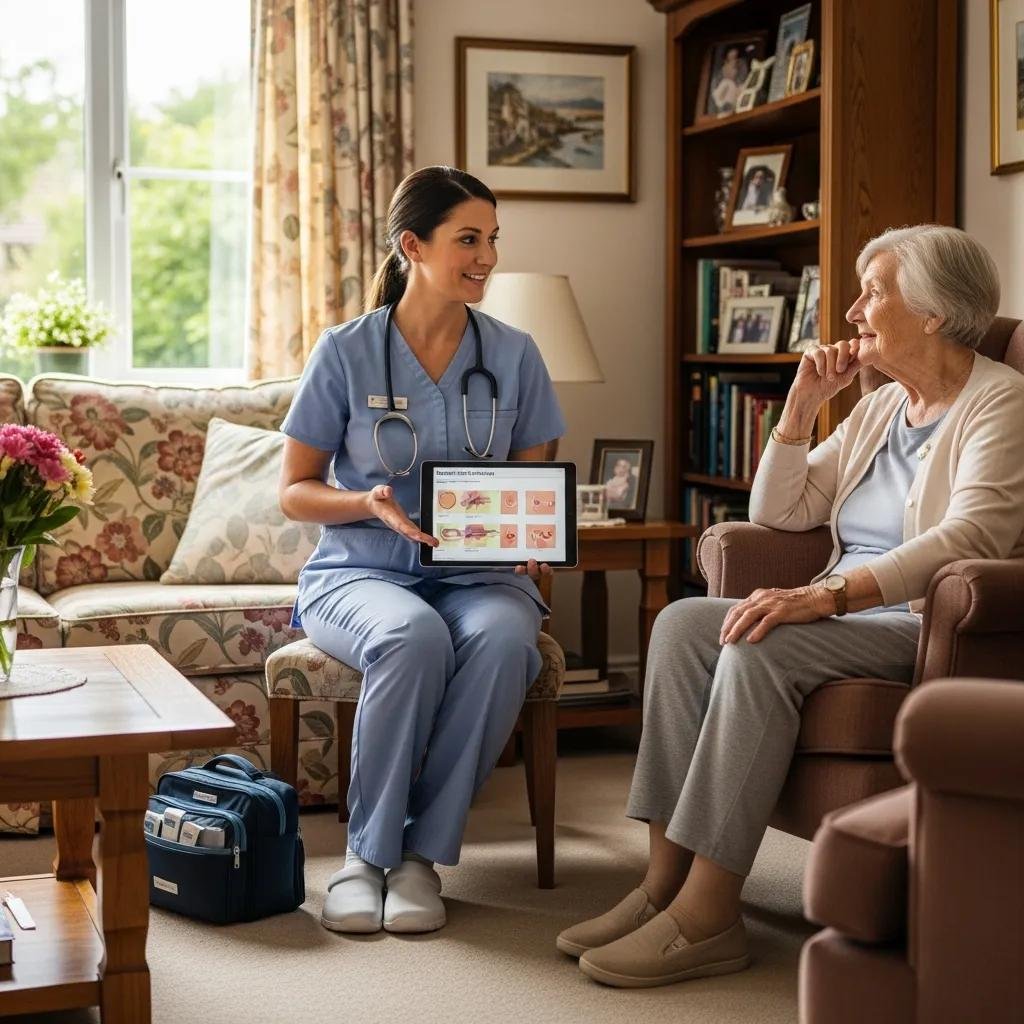
Education is one of the most valuable parts of in-home care. During visits, clinicians show patients and caregivers how to protect the wound, recognize warning signs, support good nutrition and hydration, relieve pressure, and manage simple care between visits. When language support is needed, interpreter support can be arranged so instructions are clearly understood. Confident caregivers are a powerful part of a successful recovery.
Who Can Benefit Most From Mobile Wound Care Services at Home?
Mobile wound care is especially helpful for anyone who finds it difficult, painful, or unsafe to travel for frequent treatment. This includes people with limited mobility, those recovering from surgery, individuals managing chronic wounds, and older adults who prefer to heal in familiar surroundings.
What Makes Elderly Patients Ideal Candidates for In-Home Wound Care?
Older adults often face several challenges at once — limited mobility, multiple health conditions, and the risk that frequent travel poses to their safety and energy. In-home wound care removes those barriers, keeps treatment consistent, and allows clinicians to watch for the subtle changes that matter in older skin. Healing in a familiar, comfortable environment can also support overall well-being.
How Do Caregivers Support Wound Care With Mobile Nursing Assistance?
Family caregivers play a vital role between clinician visits. With guidance from the care team, caregivers can help keep the wound clean and protected, watch for warning signs, support proper positioning and nutrition, and manage simple dressing changes when appropriate. Mobile nursing assistance gives caregivers the training and backup they need so they never feel alone in managing a loved one's wound.
How Can You Access and Schedule Mobile Wound Care Services at Home?
Getting started is straightforward. A coordination service can help you understand what is involved, confirm your options, and arrange a visit from an experienced clinician — often beginning with a physician's order and an initial in-home assessment.
What Are the Steps to Book Mobile Wound Care Nursing Visits?
The process generally follows a few simple steps:
- Reach out — call the care team to describe the wound and the person's situation.
- Obtain a physician's order — skilled wound care typically begins with an order from a physician, which the care team can help coordinate.
- Schedule the first visit — a clinician arranges an in-home assessment at a time that works for you.
- Begin your care plan — after the assessment, a personalized plan is put in place and visits continue on a schedule that supports healing.
Because the care team is available 24/7, you can ask questions and arrange a visit whenever you need to.
What Insurance and Payment Options Are Available for At-Home Wound Care?
Many insurance plans, including Medicare, cover medically necessary wound care services when the eligibility criteria are met. Coverage depends on your specific plan and clinical situation, and the care team can help verify benefits and explain your options before care begins, so there are no surprises.
Healix360 Advanced Mobile Wound Care is a coordination service that provides access to experienced physicians and clinicians who deliver specialized wound care in the comfort of your home across Southern California. Our care team is available 24/7 at 877-545-1300, and our headquarters is located at 6618 San Fernando Rd, Glendale, CA 91201. If you need help coordinating a visit, interpreter support can be arranged.
Frequently Asked Questions (FAQs)
1. What is mobile wound care?
Mobile wound care is specialized wound treatment delivered in your home by experienced clinicians, instead of requiring you to travel to a clinic. It includes assessment, cleaning, dressing changes, procedures like debridement, and ongoing monitoring — all in a familiar, comfortable setting.
2. Who qualifies for wound care at home?
People with wounds that need skilled, ongoing care and who find travel difficult often qualify. Skilled in-home wound care typically requires a physician's order and that the care be medically necessary. The care team can help determine whether you qualify.
3. How often will a clinician visit?
Visit frequency depends on the wound and the treatment plan. Some wounds need visits several times a week, while others need less frequent monitoring. Your care team sets a schedule based on your specific needs and adjusts it as the wound heals.
4. Is in-home wound care as effective as clinic care?
In-home care uses the same specialized techniques, dressings, and monitoring as a clinic, with the added benefit of consistency and comfort. For many people, receiving care at home makes it easier to stick with the plan, which supports steady healing.
5. How do I arrange mobile wound care?
You can arrange a visit by calling our care team at 877-545-1300, available 24/7. We can help coordinate a physician's order, verify insurance, and schedule an in-home assessment. Interpreter support can be arranged if needed.
Call 877-545-1300 or request a provider to begin care. Healix360 serves listed California communities. Medicare Part B, Medicare Advantage and Medi-Cal benefits are verified before treatment.