Arterial Wound Care: Advanced In-Home Treatment Protocols
Elevate patient outcomes with advanced in-home arterial wound care protocols. Healix 360 provides optimal treatment strategies tailored for effective healing.
Arterial Wound Care: Advanced In-Home Treatment Protocols
Arterial wound care is a critical aspect of managing patients with peripheral artery disease (PAD), which can lead to serious complications if not addressed properly. This article delves into advanced in-home treatment protocols that enhance the healing process for arterial ulcers. Readers will learn about the best practices, innovative techniques, and evidence-based protocols that can significantly improve patient outcomes. The challenge of managing arterial wounds often lies in the complexity of the condition and the need for personalized care. This guide aims to provide a comprehensive overview of effective strategies for in-home arterial wound management, including the latest advancements in treatment technologies. Key sections will cover best practices, the clinical significance of arterial ulcers, and the role of provider partnerships in delivering effective care.
Best Practices and Techniques
Effective management of arterial wounds at home requires a systematic approach that includes thorough assessment and personalized treatment plans. Key best practices include:
- Initial Assessment of the Wound: A comprehensive evaluation of the wound's size, depth, and condition is essential for developing an effective treatment strategy.
- Personalized Treatment Plans: Tailoring treatment to the individual needs of the patient, considering factors such as comorbidities and lifestyle, enhances healing outcomes.
- Education and Self-Management: Providing patients with education on wound care techniques and self-management strategies empowers them to take an active role in their recovery.
Integrating these practices into daily care routines can significantly improve the healing process for patients with arterial wounds. For those seeking specialized support, Healix 360 offers personalized wound management services designed for patients with peripheral artery disease and arterial ulcers, delivered directly in private residences.
What Are Arterial Ulcers and Their Clinical Significance in Peripheral Artery Disease?
Arterial ulcers are wounds that occur due to inadequate blood flow, often associated with peripheral artery disease (PAD). These ulcers typically develop on the lower extremities and can lead to severe complications if not treated promptly. The primary mechanism behind arterial ulcers is the insufficient oxygen and nutrient supply to the tissues, which impairs healing and increases the risk of infection. Early intervention is crucial, as timely treatment can prevent further deterioration and improve patient outcomes.
Understanding the clinical significance of arterial ulcers is essential for healthcare providers. These wounds not only indicate underlying vascular issues but also serve as a marker for the severity of PAD. Addressing arterial ulcers effectively can lead to improved quality of life and reduced healthcare costs associated with complications.
Epidemiology and Impact of Peripheral Artery Disease on Wound Development
Peripheral artery disease is a prevalent condition that affects millions of individuals worldwide. It is characterized by narrowed arteries, which reduce blood flow to the limbs, leading to various complications, including wound development. Statistics indicate that approximately 8-12 million people in the United States are affected by PAD, with a significant percentage experiencing chronic wounds.
The impact of PAD on wound healing is profound. Reduced blood flow not only slows the healing process but also increases the risk of infection and other complications. Risk factors for PAD include smoking, diabetes, hypertension, and high cholesterol levels. Understanding these factors is crucial for developing effective prevention and treatment strategies for arterial wounds.
Which Advanced Wound Healing Techniques Optimize In-Home Arterial Ulcer Care?
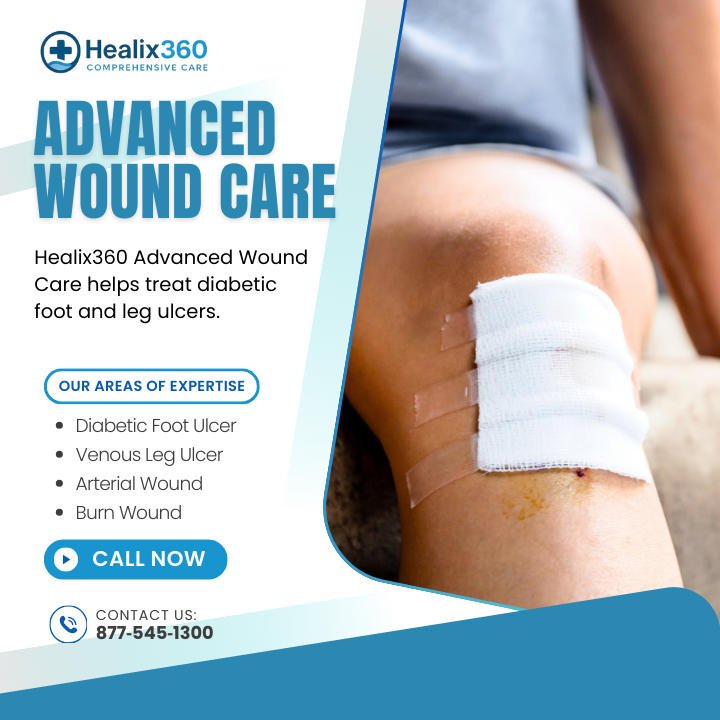
Advanced wound healing techniques play a vital role in optimizing care for arterial ulcers at home. Some of the most effective methods include:
- Medical and Supportive Treatments: Utilizing advanced biological dressings and negative pressure wound therapy can significantly enhance healing rates.
- Surgical Interventions: In some cases, surgical options may be necessary to improve blood flow and facilitate healing.
- Mobile Wound Care: Leveraging mobile wound care services allows for timely assessments and interventions, ensuring that patients receive the care they need without the burden of frequent hospital visits.
These techniques, when combined with personalized care plans, can lead to improved healing outcomes for patients with arterial ulcers.
Further emphasizing the importance of comprehensive home-based care, a study highlights various aspects of managing arterial ulcers and utilizing advanced therapies like NPWT in a home setting.
Home-Based Wound Care: Arterial Ulcers & NPWT Approaches
Wounds in homebound adults are common; clinicians who care for such patients require a working knowledge of prevention, diagnosis, prognosis, and therapeutics in order to minimize morbidity and maximize healing and comfort. The most frequently encountered wounds are decubitus wounds, also known as pressure wounds. Lower extremity ulcers are also common and can be venous, arterial, or neuropathic in origin. Wounds caused by malignant neoplasms are less common but are substantial causes of psychological and physical morbidity. Home-based medical providers who care for patients with wounds require a conceptual framework for dressings tailored to various types of wounds, as well as knowledge of home-based approaches such as negative-pressure wound therapy. Accurate and thorough documentation of wounds and wound care, appropriate billing, and collaboration with multiple disciplines are essential skills for the home-based clinician.
Wound care in home-based settings, FC Ko, 2015
Evidence-Based Treatment Protocols for Chronic Arterial Wound Therapy
Evidence-based treatment protocols are essential for managing chronic arterial wounds effectively. These protocols are developed based on rigorous research and clinical guidelines, ensuring that patients receive the most effective care possible. Key components of these protocols include:
- Comprehensive Assessment: Regular evaluations of the wound and overall health status to adjust treatment plans as needed.
- Multidisciplinary Approach: Collaboration among healthcare providers, including physicians, nurses, and wound care specialists, to ensure comprehensive care.
- Patient-Centered Care: Involving patients in their treatment decisions to enhance adherence and satisfaction.
Implementing these evidence-based protocols can lead to better patient outcomes and a more efficient healthcare delivery system.
Innovative Dressing Technologies and Their Role in Accelerating Healing
Innovative dressing technologies have revolutionized the approach to wound care, particularly for arterial ulcers. These advanced dressings are designed to create optimal healing environments by maintaining moisture, providing thermal insulation, and preventing infection. Some notable types of innovative dressings include:
- Hydrocolloid Dressings: These dressings provide a moist environment that promotes healing while protecting the wound from external contaminants.
- Foam Dressings: Ideal for managing exudate, foam dressings absorb excess fluid while maintaining a moist wound environment.
- Negative Pressure Wound Therapy (NPWT): This technique uses suction to promote blood flow and accelerate healing by drawing the edges of the wound together.
The application of these technologies can significantly enhance the healing process and improve patient outcomes.
Research further supports the effectiveness of advanced therapies, particularly highlighting the safety and efficacy of home-based negative pressure wound therapy for chronic wounds.
Home-Based Negative Pressure Wound Therapy Efficacy
Background Negative pressure wound therapy(NPWT),a globally recognized effective technology,is widely used in hospitals,communities and home-based settings at abroad,but is mainly used in hospitals in China.Studying whether this technique can be carried out safely and effectively in home-based settings facilitates the improvement of level and effect home-based NPWT for chronic wound patients in China.Objective To evaluate the safety and efficacy of home-based NPWT for chronic wounds,providing a basis for the use of this technology in home-based settings.
Safety and efficacy of home-based negative pressure wound therapy for chronic wounds, 2020
How Is Infection Prevention Integrated into In-Home Arterial Wound Management?
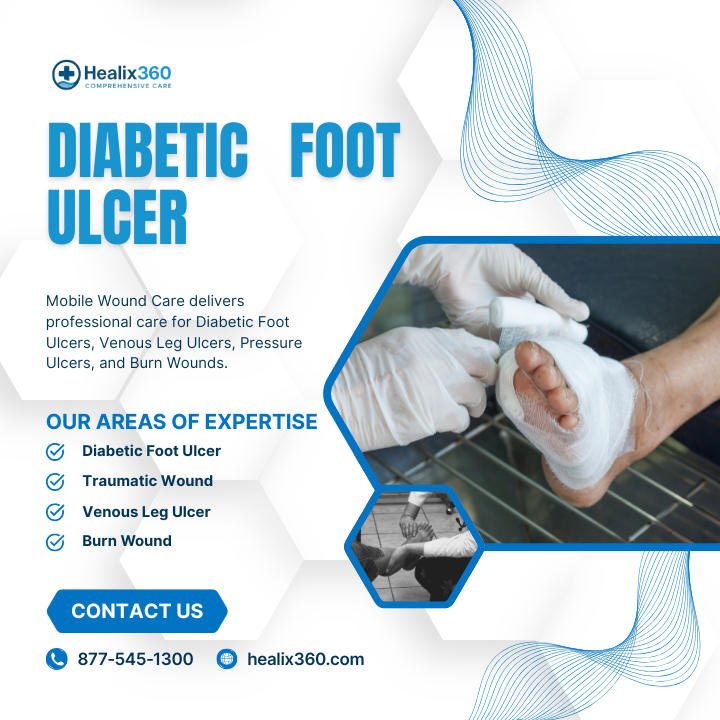
Infection prevention is a critical component of in-home arterial wound management. Effective strategies include:
- Monitoring and Assessment: Regularly checking the wound for signs of infection, such as increased redness, swelling, or discharge.
- Patient Education: Teaching patients and caregivers about proper wound care techniques and the importance of hygiene.
- Use of Sterile Techniques: Ensuring that all wound care procedures are performed using sterile equipment and techniques to minimize the risk of infection.
By integrating these infection prevention strategies into daily care routines, healthcare providers can significantly reduce the risk of complications associated with arterial wounds.
Identifying Signs of Arterial Wound Infection: Clinical Indicators and Monitoring
Recognizing the signs of infection in arterial wounds is crucial for timely intervention. Key clinical indicators include:
- Increased Redness: Surrounding tissue may become more inflamed and red, indicating a potential infection.
- Swelling: An increase in swelling around the wound can signal an inflammatory response.
- Discharge: The presence of pus or other abnormal discharge is a strong indicator of infection.
Monitoring these signs closely allows for prompt treatment, which is essential for preventing further complications and promoting healing.
What Are the Best Practices for Patient Referral and Appointment Scheduling in Advanced In-Home Wound Care?
Effective patient referral and appointment scheduling are vital for ensuring that individuals receive timely and appropriate care for their arterial wounds. Best practices include:
- Streamlined Referral Pathways: Establishing clear protocols for referring patients to specialists can enhance care coordination.
- Facilitating Appointment Scheduling: Utilizing technology to simplify the scheduling process can improve patient access to care.
- Enhancing Patient Access: Providing flexible appointment options, including telehealth services, can help meet the needs of patients with mobility challenges.
By implementing these best practices, healthcare providers can improve the overall efficiency of in-home wound care services.
How Do Provider Partnerships Enhance the Delivery of In-Home Arterial Wound Care Services?
Provider partnerships play a crucial role in enhancing the delivery of in-home arterial wound care services. Collaborative efforts among healthcare providers can lead to:
- Coordination of Care: Ensuring that all members of the healthcare team are aligned in their approach to patient care.
- Timely Interventions: Facilitating quicker responses to changes in a patient's condition, which is essential for effective wound management.
- Personalized Treatment Plans: Leveraging the expertise of various providers to develop tailored treatment strategies that address the unique needs of each patient.
These partnerships ultimately lead to improved patient outcomes and a more comprehensive approach to wound care. To learn more about how Healix 360 can assist, please contact us.
For more information on arterial wound care and specific wound conditions, visit our website.
Call 877-545-1300 or request a provider to begin care. Healix360 serves listed California communities. Medicare Part B, Medicare Advantage and Medi-Cal benefits are verified before treatment.