
Wound Infection Prevention and Management: Expert Mobile Care Strategies for Effective Patient Outcomes
Wound infections pose significant risks to patient health, leading to complications that can prolong recovery and increase healthcare costs. This article delves into effective strategies for preventing and managing wound infections, emphasizing the importance of early detection and intervention. By understanding the signs and symptoms of wound infections, healthcare providers can implement timely and appropriate care strategies. The focus will be on mobile care solutions, which offer personalized and accessible treatment options directly to patients in their homes. We will explore the early signs of infection, effective prevention strategies, and the role of mobile wound care services in enhancing patient outcomes. Additionally, we will discuss recommended treatment options and the process for patient referrals and appointment scheduling in mobile wound care.
What Are the Early Signs and Symptoms of Wound Infection?
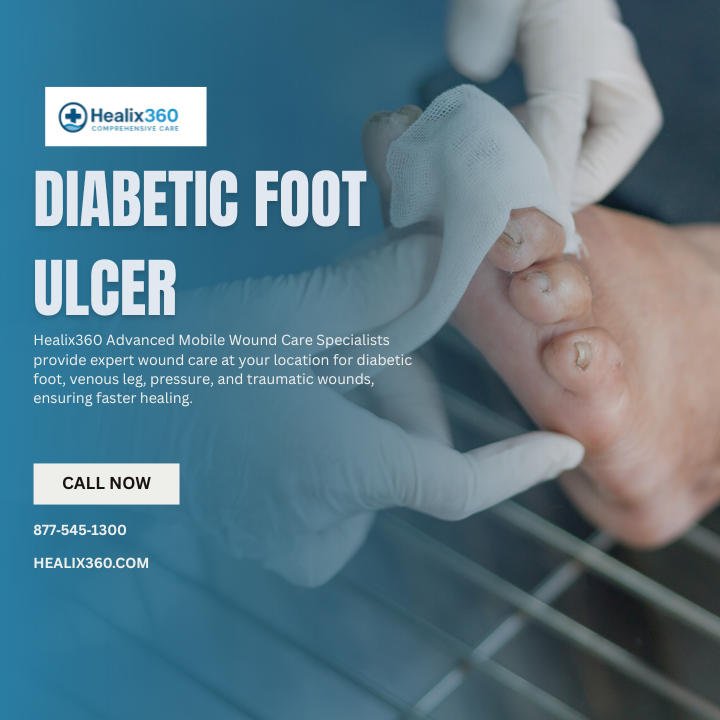
Identifying early signs of wound infection is crucial for effective management and treatment. Common indicators include increased redness, swelling, and the presence of pus or foul drainage. Recognizing these symptoms promptly can lead to timely interventions, reducing the risk of complications. Early detection not only aids in effective treatment but also enhances the overall healing process, ensuring better patient outcomes.
How to Identify Redness, Swelling, and Pus in Wounds
To accurately assess wounds for signs of infection, healthcare providers should employ specific visual inspection techniques. This includes observing the wound’s color, size, and any changes in texture. Palpation for warmth can also indicate infection, as infected areas often feel warmer than surrounding tissue. Documenting these changes is essential for tracking the wound’s progress and determining the need for further intervention.
Visual Inspection Techniques
- Color Assessment: Look for changes in the wound’s color, particularly increased redness around the edges.
- Size Monitoring: Measure the wound regularly to detect any increase in size, which may indicate infection.
- Texture Changes: Note any changes in the texture of the wound bed, such as the presence of necrotic tissue.
Palpation for Warmth
Palpating the area around the wound can help identify warmth, a common sign of infection. This technique should be performed gently to avoid causing further damage to the wound.
Recognizing Systemic Symptoms: Fever and Infection Indicators
Systemic symptoms such as fever, chills, and changes in mental status can indicate a more severe infection that requires immediate medical attention. Monitoring these symptoms is essential, as they can signify that the infection has spread beyond the local site. Understanding these indicators allows healthcare providers to escalate care when necessary, ensuring that patients receive appropriate treatment in a timely manner.
Which Strategies Are Most Effective for Preventing Wound Infections?
Effective wound infection prevention strategies are vital for reducing the incidence of infections. Key strategies include maintaining cleanliness, educating patients and caregivers, and utilizing mobile health technology. These approaches not only enhance patient safety but also empower individuals to take an active role in their wound care.
Research further supports the critical role of mobile technology in enhancing wound care, particularly for early detection and self-monitoring.
Mobile Devices for Early Wound Infection Detection & Self-Monitoring
Numerous patients suffer from chronic wounds and wound infections nowadays. Until now, the care for wounds after surgery still remain a tedious and challenging work for the medical personnel and patients. As a result, with the help of the hand-held mobile devices, there is high demand for the development of a series of algorithms and related methods for wound infection early detection and wound self monitoring.
Chronic wound assessment and infection detection method, JT Hsu, 2019
- Maintain Cleanliness: Regular cleaning of the wound and surrounding area is essential to prevent infection.
- Patient Education: Educating patients and caregivers about proper wound care techniques can significantly reduce infection rates.
- Use of Mobile Health Technology: Implementing mobile health solutions can facilitate better monitoring and management of wounds.
For those seeking comprehensive wound care solutions, Healix 360 offers expert mobile healthcare services that specialize in delivering clinical care directly to patients in their homes. This approach ensures that patients receive personalized attention and timely interventions, which are crucial for effective wound management.
Implementing Home-Based Wound Care Protocols and Hygiene Practices
Home-based wound care protocols are essential for effective management and prevention of infections. These protocols should include comprehensive patient and caregiver education on hygiene practices, proper dressing changes, and the importance of regular wound assessments. Utilizing technology, such as mobile health applications, can further enhance the effectiveness of these protocols by providing reminders and tracking progress.
The integration of mobile health (mHealth) technology into home wound care protocols is increasingly recognized for its potential to improve patient knowledge and practices.
mHealth for Home Wound Care: Knowledge & Practices
Background:Injury causing wounds is a frequent event. Inadequate or inappropriate treatment of injuries can threaten individual health. However, little is known about wound care knowledge, attitudes, and practices and mobile health (mHealth) use in the home environment in Taiwan.
Wound care knowledge, attitudes, and practices and mobile health technology use in the home environment:
Cross-sectional survey of social network users, CY Guo, 2020
Patient and Caregiver Education
Educating patients and caregivers about the importance of hygiene and proper wound care techniques is critical. This education should cover:
- Hand Hygiene: Emphasizing the importance of washing hands before and after handling wounds.
- Dressing Changes: Providing clear instructions on how to change dressings safely and effectively.
- Monitoring for Signs of Infection: Teaching caregivers to recognize early signs of infection for prompt action.
Infection Control Protocols
Implementing strict infection control protocols at home can significantly reduce the risk of wound infections. This includes:
- Using sterile equipment for dressing changes.
- Ensuring a clean environment for wound care.
- Regularly reviewing and updating care protocols based on the wound’s condition.
Role of Mobile Wound Care Services in Infection Prevention

Mobile wound care services play a crucial role in infection prevention by providing specialized assessment and treatment directly to patients. These services enhance patient education and ensure regular monitoring, which is essential for effective wound management. By bringing care to the patient’s home, mobile services reduce the barriers to accessing quality healthcare, ultimately improving patient outcomes.
Specialized Assessment and Treatment
Mobile wound care teams are equipped to perform comprehensive assessments and provide tailored treatment plans. This specialized care includes:
- Regular Monitoring: Frequent visits to assess wound healing and make necessary adjustments to treatment plans.
- Personalized Education: Offering individualized education to patients and caregivers based on specific needs and conditions.
- Access to Advanced Therapies: Providing access to advanced wound care therapies that may not be available in traditional settings.
What Are the Recommended Treatment Options for Infected Wounds?
When managing infected wounds, several treatment options are available, each tailored to the specific needs of the patient. Common treatments include debridement, negative pressure therapy, and advanced dressings. Understanding these options allows healthcare providers to select the most effective approach for each patient.
These treatment options are essential for managing infected wounds effectively, ensuring that patients receive the best possible care.
Clinical Procedures: Wound Cleaning and Antibiotic Therapies
Clinical procedures for wound management include thorough cleaning and the application of antibiotic therapies when necessary. Proper wound cleaning techniques are vital for removing debris and bacteria, while antibiotics can help control infection and promote healing. Understanding these procedures is essential for healthcare providers to ensure optimal patient care.
Wound Cleaning Techniques
- Irrigation: Using saline or antiseptic solutions to flush out debris and bacteria.
- Debridement: Performing surgical or mechanical debridement to remove dead tissue.
- Moisture Management: Ensuring the wound remains moist to facilitate healing.
Antibiotic Therapy Guidelines
Antibiotic therapy should be guided by the severity of the infection and the patient’s overall health. Key considerations include:
- Type of Infection: Identifying the causative organism to select the appropriate antibiotic.
- Patient History: Considering any allergies or previous antibiotic use that may affect treatment choices.
- Monitoring Response: Regularly assessing the patient’s response to therapy and adjusting as needed.
When to Escalate Care: Referral to Healthcare Providers
Recognizing when to escalate care is crucial for managing wound infections effectively. Signs of worsening infection, such as increased redness, swelling, or systemic symptoms like fever, should prompt immediate referral to healthcare providers. Effective communication with providers ensures that patients receive timely and appropriate care.
Signs of Worsening Infection
- Increased Redness and Swelling: Notable changes in the wound’s appearance may indicate a worsening infection.
- Systemic Symptoms: The presence of fever, chills, or changes in mental status requires urgent attention.
- Lack of Improvement: If the wound does not show signs of healing within a specified timeframe, further evaluation is necessary.
How Do Mobile Wound Care Services Enhance Wound Infection Management?
Mobile wound care services enhance infection management by providing convenient and accessible care directly to patients. This approach allows for personalized treatment plans and regular monitoring, which are essential for effective wound management. By integrating mobile services into patient care, healthcare providers can improve outcomes and reduce the risk of complications.
Convenience and Accessibility
Mobile wound care services offer several advantages, including:
- Home Visits: Providing care in the comfort of the patient’s home, reducing the need for travel.
- Flexible Scheduling: Accommodating patients’ schedules to ensure timely care.
- Comprehensive Services: Offering a range of services, from assessments to advanced therapies, all in one visit.
Benefits of Personalized Mobile Care and Expert Clinical Teams
Personalized mobile care offers numerous benefits, particularly in wound management. Expert clinical teams can provide tailored treatment plans that address individual patient needs, leading to improved healing outcomes. This personalized approach fosters a strong patient-provider relationship, enhancing trust and compliance.
Regular Monitoring
Regular monitoring by mobile care teams ensures that patients receive ongoing assessments and adjustments to their treatment plans. This proactive approach can lead to:
- Early Detection of Complications: Identifying potential issues before they escalate.
- Tailored Interventions: Adjusting treatment based on the patient’s progress and needs.
- Enhanced Patient Engagement: Encouraging patients to take an active role in their care.
Impact on Reducing Hospital Readmissions and Improving Healing Outcomes
Mobile wound care services have a significant impact on reducing hospital readmissions and improving healing outcomes. By providing timely and effective care, these services can prevent complications that often lead to hospital stays. Understanding the benefits of mobile care is essential for healthcare providers seeking to enhance patient outcomes.
Reduction in Readmissions
Research indicates that patients receiving mobile wound care experience fewer hospital readmissions due to:
- Timely Interventions: Addressing issues before they require hospitalization.
- Comprehensive Care: Providing a full spectrum of services that meet patients’ needs.
- Patient Education: Empowering patients with knowledge to manage their wounds effectively.
What Is the Process for Patient Referrals and Appointment Scheduling in Mobile Wound Care?
The process for patient referrals and appointment scheduling in mobile wound care is designed to be efficient and patient-friendly. Healthcare providers can refer patients directly to mobile services, ensuring that they receive timely care. Understanding this process is essential for facilitating seamless transitions in patient care.
Initial Contact and Scheduling
- Referral Process: Healthcare providers can refer patients through a simple process, ensuring they receive the necessary care.
- Comprehensive Assessment: Mobile care teams conduct thorough assessments during the initial visit to develop personalized treatment plans.
- Follow-Up Planning: Scheduling follow-up visits to monitor progress and adjust treatment as needed.
This streamlined process enhances patient access to quality wound care, ultimately leading to better health outcomes.
To learn more about how to schedule an appointment or make a patient referral, please contact us today.
For patients requiring specialized attention in a comfortable setting, wound care in private residences ensures personalized and discreet treatment.
If you’re dealing with a chronic wound or other complex condition, Healix 360 can provide the expert care you need.