
Mobile Wound Care Services in Riverside, CA: Comprehensive In-Home Advanced Wound Treatment Solutions
Mobile wound care services are revolutionizing the way patients receive treatment for chronic wounds, particularly in Riverside, CA. These services provide advanced in-home care, allowing patients to receive specialized treatment without the need for frequent hospital visits. This article will explore the various aspects of mobile wound care, including the types of services offered, the benefits of in-home treatment, and the operational procedures involved. By understanding these elements, patients can make informed decisions about their wound care needs and the options available to them.
In Riverside, mobile wound care services address the growing need for effective wound management, especially for individuals with chronic conditions. Patients often face challenges such as mobility issues and the risk of infection, making in-home care a practical solution. This article will cover the service offerings, benefits, patient care approaches, and the eligibility criteria for patients seeking these services.
Service Offerings
Mobile wound care services encompass a range of treatments designed to address various types of chronic wounds. These services typically include:
- Comprehensive Wound Assessments: Trained professionals evaluate the wound’s condition, size, and healing progress.
- Advanced Treatments Offered: Techniques such as debridement, dressing changes, and infection control measures are employed to promote healing.
- Coordination with Other Providers: Mobile wound care teams often collaborate with primary care physicians and specialists to ensure comprehensive patient care.
These offerings are tailored to meet the unique needs of each patient, ensuring effective management of their wounds.
Benefits
The advantages of mobile wound care services are significant, particularly for patients who may struggle to access traditional healthcare settings. Key benefits include:
- Convenience of Home Care: Patients receive treatment in the comfort of their own homes, reducing the stress associated with travel.
- Lower Infection Risk: In-home care minimizes exposure to hospital environments, which can be a source of infections.
- Personalized Treatment Plans: Care is tailored to the individual needs of each patient, enhancing the effectiveness of the treatment.
The shift towards in-home care is further supported by research highlighting the importance of moving wound treatment to environments that minimize patient exposure to infection risks.
Wound Center Without Walls: Shifting Care to Lower-Risk Environments
The COVID-19 pandemic poses a major challenge in delivering care to wound patients. Due to multiple comorbidities, wound patients are at an increased risk for the most extreme complications of COVID-19 and providers must focus on reducing their exposure risk. The Federal, State, and local governments, as well as payers, have urged hospitals and providers to reduce utilization of nonessential health services, but they also have given more flexibility to shift the site of necessary care to lower risk environments. Providers must be prepared for disruption from this pandemic mode of health care for the next 18 months, at minimum. The wound provider must accept the new normal during the pandemic by adapting their care to meet the safety needs of the patient and the public. The Wound Center Without Walls is a strategy to untether wound care from a physical locat
Wound center without walls: the new model of providing care during the COVID-19 pandemic, LC Rogers, 2020
Following these benefits, patients can easily schedule appointments and receive the care they need without the hassle of hospital visits.
How Can Patients Schedule Mobile Wound Care Services and What Is the Referral Process?
Scheduling mobile wound care services involves a straightforward process. Patients typically need to:
- Contact the Provider: Reach out to a mobile wound care service provider to express interest in receiving care. Visit “contact” to get started.
- Obtain a Referral: A referral from a primary care physician may be required to initiate services.
- Initial Assessment Process: Once the referral is obtained, an initial assessment will be conducted to determine the patient’s specific needs.
This streamlined process ensures that patients can quickly access the care they require.
Patient Care Approaches
Mobile wound care services utilize a variety of patient care approaches to ensure effective treatment. These include:
- Initial Consultation Process: A thorough evaluation of the patient’s medical history and wound condition is conducted to develop a tailored care plan.
- Regular Follow-Ups: Ongoing assessments are performed to monitor healing progress and adjust treatment plans as necessary.
- Caregiver Involvement: Family members or caregivers are often included in the care process to provide support and assistance.
These approaches foster a collaborative environment that enhances patient outcomes.
What Are Mobile Wound Care Services and How Do They Operate in Riverside, CA?
Mobile wound care services refer to specialized healthcare provided in a patient’s home, focusing on the treatment of chronic wounds. These services operate by sending trained healthcare professionals to the patient’s location, where they perform necessary assessments and treatments. The benefits of in-home care include increased comfort for the patient and reduced travel-related stress. For more information on services provided in “private residences”, patients can explore specialized options.
In Riverside, CA, these services are particularly valuable for individuals with limited mobility or those who require frequent wound care. The operational procedures typically involve an initial assessment, followed by a customized treatment plan that may include regular visits for dressing changes and monitoring.
Types of Treatments Offered
Mobile wound care services provide a variety of treatments tailored to the specific needs of patients. Common treatments include:
- Wound Assessments: Regular evaluations to track healing progress.
- Debridement Techniques: Removal of dead or infected tissue to promote healing.
- Infection Control Measures: Strategies to prevent and manage infections effectively.
These treatments are essential for managing chronic wounds and ensuring optimal healing outcomes.
Eligibility Criteria for Patients
Not all patients may qualify for mobile wound care services. Eligibility criteria typically include:
- Chronic Wound Conditions: Patients with conditions such as diabetic ulcers, pressure sores, or venous leg ulcers may be eligible.
- Mobility Issues: Individuals who have difficulty traveling to healthcare facilities are prime candidates for in-home care.
- Need for Frequent Visits: Patients requiring regular wound care are often prioritized for these services.
Understanding these criteria can help patients determine if they qualify for mobile wound care.
Insurance Coverage
Insurance coverage for mobile wound care services can vary based on the provider and the patient’s specific plan. Key points to consider include:
- Medicare Coverage Details: Many Medicare plans cover in-home wound care services, provided they meet certain criteria.
- Private Insurance Options: Some private insurance plans may also offer coverage for mobile wound care.
- Medi-Cal Eligibility: Patients eligible for Medi-Cal may have access to these services as well.
Patients are encouraged to verify their coverage options to maximize their benefits. For detailed information on conditions treated, visit “conditions”.
Definition and Scope of Mobile Wound Care Services
Mobile wound care services encompass a broad range of treatments and support designed to manage chronic wounds effectively. The scope of these services includes:
- Target Demographics: Primarily serving elderly patients, individuals with chronic conditions, and those recovering from surgery.
- Operational Procedures: Involves initial assessments, treatment delivery, and ongoing monitoring to ensure effective care.
These services are designed to provide comprehensive support for patients with complex wound care needs.
Target Patient Demographics
Mobile wound care services primarily target specific patient demographics, including:
- Elderly Patients: Often face mobility challenges and chronic health issues that necessitate in-home care.
- Individuals with Chronic Conditions: Patients with diabetes or vascular diseases are at higher risk for chronic wounds.
- Patients Recovering from Surgery: Those who have undergone surgical procedures may require ongoing wound management.
Understanding these demographics helps tailor services to meet the needs of the community effectively.
Operational Procedures
The operational procedures for mobile wound care services are designed to ensure efficient and effective treatment. Key steps include:
- Initial Consultation: A comprehensive evaluation of the patient’s medical history and wound condition.
- Treatment Delivery: Healthcare professionals provide necessary treatments and education on wound care.
- Ongoing Monitoring: Regular follow-ups to assess healing progress and make adjustments to the care plan as needed.
These procedures are critical for maintaining high standards of care and ensuring positive patient outcomes.
Role of Wound Care Nurses in In-Home Treatment
Wound care nurses play a vital role in the delivery of mobile wound care services. Their responsibilities include:
- Assessment and Treatment: Conducting thorough evaluations and administering appropriate treatments.
- Patient Education: Teaching patients and caregivers about wound care techniques and best practices.
- Monitoring and Follow-Ups: Ensuring that patients receive the necessary support throughout their healing journey.
Furthermore, the evolving landscape of healthcare emphasizes the potential for remote nursing and telehealth to significantly enhance access to specialized wound care services.
Remote Nursing & Telehealth for Improved Wound Care Access
ABSTRACT: The profession of nursing has remained largely in-person and hands-on, even as COVID-19 and other 21st-century workplace stressors have pushed other professions to explore remote working. Investigations into the future of work for nursing identified nurse priorities in 2021 related to well-being, flexibility, new delivery models (eg, via digital tools), and pipeline development [1]. Each of these priorities could be addressed by adapting nursing to remote working solutions. In addition, expanding the reach of nursing services through remote work could improve access to care for patients and their informal caregivers.
A nurse-led care delivery app and telehealth system for patients requiring wound care: Mixed methods implementation and evaluation study, CG Brown-Johnson, 2023
The expertise of wound care nurses is essential for achieving optimal healing outcomes.
Which Chronic Wound Types Are Treated Through In-Home Wound Care in Riverside?
Mobile wound care services in Riverside address various chronic wound types, including:
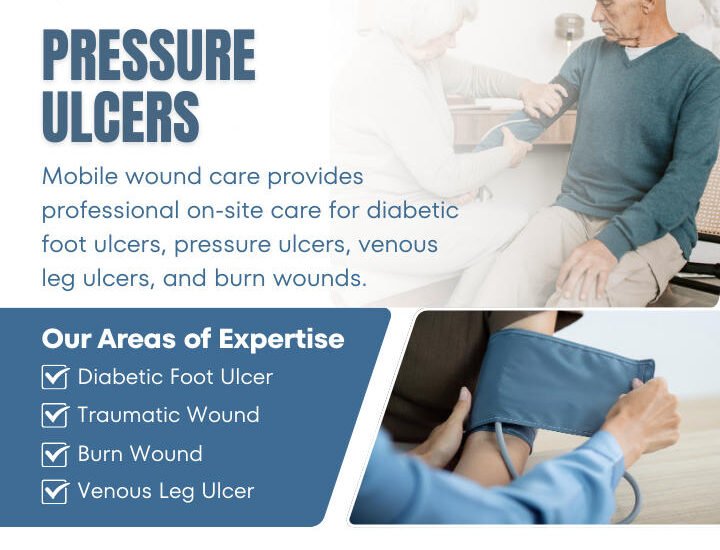
- Diabetic Foot Ulcers: Common among individuals with diabetes, requiring specialized care.
- Pressure Sores: Often develop in patients with limited mobility, necessitating regular monitoring and treatment.
- Venous Leg Ulcers: Require ongoing management to promote healing and prevent complications.
These chronic wound types are prevalent in the community, highlighting the importance of accessible wound care services.
Common Chronic Wounds: Diabetic Ulcers, Pressure Sores, and Venous Leg Ulcers
Chronic wounds such as diabetic ulcers, pressure sores, and venous leg ulcers present unique challenges in treatment. Each type has distinct characteristics and requires tailored management strategies:
- Diabetic Ulcers: Often result from poor circulation and neuropathy, necessitating careful monitoring and specialized treatment.
- Pressure Sores: Develop due to prolonged pressure on the skin, requiring regular repositioning and wound care.
- Venous Leg Ulcers: Caused by poor blood flow, these ulcers require compression therapy and ongoing care.
Understanding these common chronic wounds is essential for effective treatment and management.
Advanced Treatment Protocols for Chronic Wounds at Home
Advanced treatment protocols for chronic wounds focus on promoting healing and preventing complications. Key elements include:
- Assessment and Diagnosis: Thorough evaluations to determine the appropriate treatment plan.
- Treatment Techniques: Utilizing advanced dressings, debridement, and infection control measures.
- Patient Care Strategies: Educating patients on self-care techniques and the importance of adherence to treatment plans.
These protocols are designed to enhance healing outcomes and improve the quality of life for patients.
What Are the Clinical and Convenience Benefits of Advanced In-Home Wound Care?
Advanced in-home wound care offers both clinical and convenience benefits, including:
- Improved Healing Outcomes: Personalized care plans lead to better management of chronic wounds.
- Reduced Hospital Visits: Patients can receive necessary care without the need for frequent trips to healthcare facilities.
- Enhanced Patient Comfort: Receiving care in a familiar environment can significantly improve the patient experience.
These benefits underscore the value of mobile wound care services in Riverside.
Improved Healing Outcomes and Patient-Centered Care Advantages
Patient-centered care is a cornerstone of mobile wound care services, leading to improved healing outcomes. Key advantages include:
- Patient Satisfaction: Tailored care plans enhance the overall experience for patients.
- Lower Infection Risks: In-home care reduces exposure to hospital environments, minimizing infection risks.
- Faster Recovery Times: Personalized treatment approaches can lead to quicker healing and recovery.
These factors contribute to the overall effectiveness of mobile wound care services.
Reduced Hospital Visits and Enhanced Patient Comfort
Mobile wound care services significantly reduce the need for hospital visits, providing enhanced comfort for patients. Key points include:
- Convenience of Home Care: Patients can receive treatment without the stress of traveling.
- Support for Caregivers: Family members can be involved in the care process, providing additional support.
- Flexible Scheduling: In-home services allow for more adaptable appointment times, accommodating patient needs.
This flexibility is crucial for maintaining continuity of care and ensuring patient satisfaction.
How Do Provider Partnerships Enhance Mobile Wound Care Delivery in Riverside?
Provider partnerships play a critical role in enhancing the delivery of mobile wound care services. These collaborations can lead to improved patient outcomes through:
- Improved Access to Care: Partnerships with local healthcare providers facilitate seamless referrals and care coordination.
- Reduced Complications: Collaborative approaches can help identify and address potential complications early.
- Cost Efficiency: Shared resources and expertise can lead to more efficient care delivery.
These partnerships are essential for creating a comprehensive network of support for patients.
Collaboration Between Healix 360 and Healthcare Providers
Healix 360 collaborates with various healthcare providers to enhance the quality of mobile wound care services. This collaboration includes:
- Partnership Roles: Defining clear roles for each provider to ensure coordinated care.
- Benefits to Patient Care: Improved communication and resource sharing lead to better patient outcomes.
- Examples of Successful Collaborations: Highlighting specific instances where partnerships have positively impacted patient care.
These collaborative efforts are vital for delivering high-quality wound care services. Learn more about “Healix 360” and their innovative approach.
Opportunities for Referral Networks and Clinical Integration
Establishing referral networks and clinical integration is crucial for the success of mobile wound care services. Key strategies include:
- Establishing Referral Networks: Creating connections between primary care providers and mobile wound care services to streamline patient access.
- Benefits for Patient Care: Enhanced communication and collaboration lead to improved patient experiences and outcomes.
- Successful Integration Strategies: Implementing best practices for integrating mobile wound care into existing healthcare systems.
These strategies are essential for ensuring that patients receive timely and effective care.