
Mobile Wound Care in Glendale, CA: Advanced In-Home Treatment Solutions by Healix360
Mobile wound care is revolutionizing the way patients receive treatment, particularly in Glendale, CA, where Healix360 specializes in delivering advanced in-home care. This innovative approach allows patients to receive high-quality wound management in the comfort of their own homes, ensuring convenience and personalized attention. As the demand for effective wound care solutions grows, understanding the types of services available, their benefits, and the technology utilized becomes essential for patients and caregivers alike. This article will explore the various aspects of mobile wound care, including the core services offered by Healix360, the types of wounds treated, and how advanced therapies enhance treatment outcomes.
Indeed, the growing prevalence of chronic wounds presents significant challenges, including substantial economic burdens that mobile care solutions aim to alleviate.
Mobile Apps for Chronic Wound Home Care & Cost Implications
ABSTRACT: Aging societies in industrialized nations are experiencing an increasing prevalence of chronic wounds, resulting in growing challenges in patient care. The high costs of therapy and personnel often limit proper treatment. Chronic wounds significantly impact patients’ quality of life, requiring intensive therapy multiple times per week, along with regular medical checkups. Moreover, they have substantial economic implications, including hospitalizations, personnel costs (eg, wound care nurses, home health care services, physicians, wound managers, day clinics, etc), material costs, and management (eg, medical transportation). Purwins et al [1] identified hospitalizations, nursing staff, and material costs as the main contributors to the overall expenses.
Patient-centered chronic wound care mobile apps: systematic identification, analysis, and assessment, V Borst, 2024
Types of Services Available
Mobile wound care encompasses a variety of services designed to address different patient needs. These services include:
- Chronic Wound Management: Focused on long-term care for wounds that do not heal properly, often due to underlying health conditions.
- Acute Wound Treatment: Immediate care for fresh injuries, such as surgical wounds or traumatic injuries, ensuring proper healing from the outset.
- Advanced Treatment Techniques: Utilization of innovative methods like negative pressure wound therapy and debridement to promote healing.
These services are tailored to meet the unique needs of each patient, ensuring effective and efficient care.
Benefits for Patients
Receiving mobile wound care offers numerous advantages that significantly enhance the patient experience. Key benefits include:
- Convenience of In-Home Care: Patients can receive treatment without the need to travel, reducing stress and discomfort.
- Personalized Treatment Plans: Care is tailored to individual needs, ensuring that each patient receives the most effective interventions.
- Improved Healing Rates: Studies show that patients receiving in-home care often experience faster recovery times due to consistent monitoring and specialized treatment.
The integration of these benefits into the care process not only improves patient satisfaction but also leads to better health outcomes.
EAV Table: Benefits of In-Home Wound Care Services
This table illustrates how different types of services contribute to the overall benefits of in-home wound care, emphasizing the importance of tailored approaches in achieving optimal health outcomes.
Technology Utilized
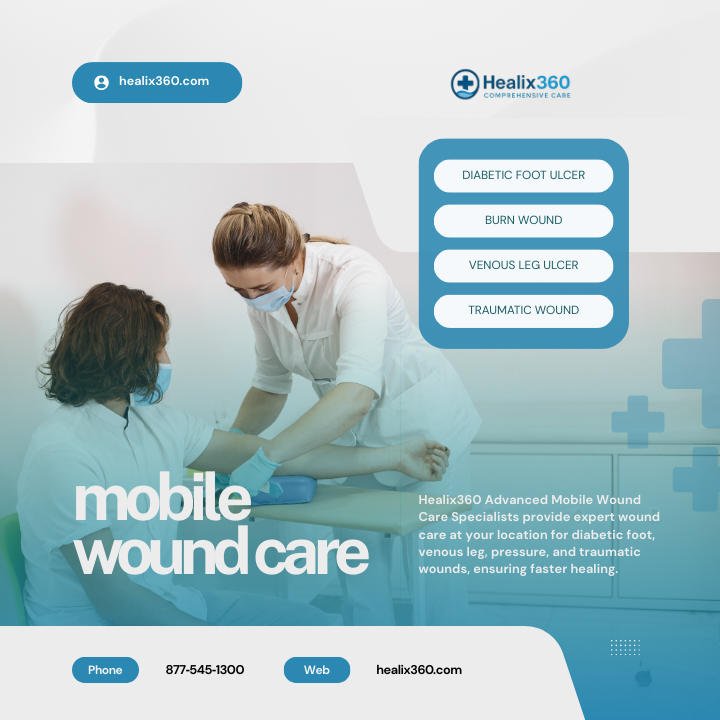
The integration of technology in mobile wound care enhances the quality and efficiency of treatment. Key technologies include:
- Telemedicine for Remote Consultations: Enables healthcare providers to assess and monitor patients without the need for physical visits, ensuring timely interventions.
- Smart Wound Dressings: These dressings can monitor moisture levels and infection indicators, providing real-time data to healthcare providers.
- Monitoring Healing Progress: Advanced tools allow for continuous tracking of wound healing, facilitating adjustments to treatment plans as needed.
These technological advancements not only improve patient care but also streamline the communication between patients and healthcare providers.
The effective integration of such technology, including mobile health applications, is crucial for enhancing home wound care practices.
Mobile Health Technology for Home Wound Care Practices
Background:Injury causing wounds is a frequent event. Inadequate or inappropriate treatment of injuries can threaten individual health. However, little is known about wound care knowledge, attitudes, and practices and mobile health (mHealth) use in the home environment in Taiwan.
Wound care knowledge, attitudes, and practices and mobile health technology use in the home environment:
Cross-sectional survey of social network users, CY Guo, 2020
What Are the Core Mobile Wound Care Services Offered by Healix360 in Glendale?
Healix360 provides a comprehensive range of mobile wound care services tailored to meet the diverse needs of patients in Glendale. The core services include:
- Assessment and Diagnosis: Thorough evaluation of wounds to determine the most effective treatment plan.
- Dressing Changes and Wound Care: Regular dressing changes to promote healing and prevent infection.
- Patient Education: Teaching patients and caregivers about wound care techniques to ensure ongoing management.
These services are designed to provide holistic care, addressing both the physical and educational needs of patients.
Which Chronic and Acute Wounds Does Healix360 Treat at Home?
Healix360 specializes in treating a variety of chronic and acute wounds, including:
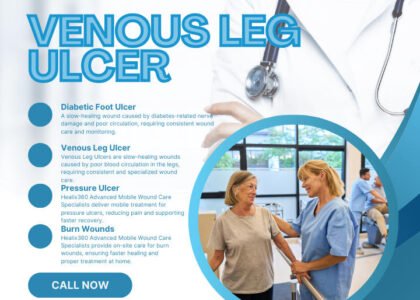
- Chronic Wounds: Such as diabetic foot ulcers and venous leg ulcers, which require ongoing management and specialized care.
- Acute Wounds: Including post-surgical wounds and traumatic injuries, where immediate care is crucial for preventing complications.
By focusing on these specific types of wounds, Healix360 ensures that patients receive the most appropriate and effective treatment.
How Do Advanced Wound Therapies Enhance In-Home Treatment Outcomes?
Advanced wound therapies play a critical role in improving treatment outcomes for patients receiving care at home. These therapies include:
- Negative Pressure Wound Therapy (NPWT): This technique uses suction to promote healing by drawing out fluid and increasing blood flow to the wound area.
- Debridement: The removal of dead or infected tissue to facilitate healing and reduce the risk of infection.
These advanced methods not only enhance the healing process but also empower patients by providing them with effective treatment options in their own homes.
How Does Healix360 Ensure Clinical Excellence Through Skilled Wound Care Specialists?
Healix360 is committed to maintaining clinical excellence through a team of skilled wound care specialists. These professionals are trained in the latest wound care techniques and are dedicated to providing high-quality care. Key aspects of their expertise include:
- Qualifications of Wound Care Nurses: All nurses are certified and have extensive experience in wound management.
- Personalized Care Plans: Each patient receives a customized care plan based on their specific needs and conditions.
- Quality Assurance Measures: Regular training and assessments ensure that all staff are up-to-date with the latest practices in wound care.
This commitment to excellence ensures that patients receive the highest standard of care.
What Qualifications Define a Wound Care Nurse in Glendale, CA?
Wound care nurses in Glendale are required to meet specific qualifications to ensure they provide the best care possible. These qualifications include:
- Certifications Required: Nurses must hold certifications in wound care management, demonstrating their expertise in the field.
- Experience in Wound Management: A minimum number of years working in wound care settings is typically required.
- Skills Necessary for Effective Treatment: Proficiency in assessment, treatment planning, and patient education is essential.
These qualifications help maintain a high standard of care for patients receiving mobile wound care services.
How Do Specialists Personalize Mobile Wound Care Plans for Patients?
Personalization of care plans is a cornerstone of effective mobile wound care. Specialists at Healix360 utilize various strategies to tailor treatment to individual patients, including:
- Assessment Methods Used: Comprehensive evaluations to understand the patient’s specific wound type and healing needs.
- Customization Strategies: Adjusting treatment plans based on patient feedback and healing progress.
- Integration with Existing Healthcare Providers: Collaborating with other healthcare professionals to ensure a cohesive approach to patient care.
This personalized approach not only enhances treatment effectiveness but also fosters a strong patient-provider relationship.
What Are the Benefits and Logistics of Receiving Mobile Wound Care at Private Residences?
Receiving mobile wound care at home offers several logistical and practical benefits, including:
- Convenience and Comfort: Patients can receive care in a familiar environment, reducing anxiety and promoting relaxation.
- Access to Advanced Therapies: Patients benefit from the same advanced treatments available in clinical settings without the need to travel.
- Collaboration with Healthcare Providers: Seamless communication between mobile care teams and other healthcare providers ensures comprehensive care.
These factors contribute to a more positive patient experience and improved health outcomes.
How Does In-Home Treatment Improve Patient Convenience and Recovery?
In-home treatment significantly enhances patient convenience and recovery through various means:
- Reduction in Travel Stress: Patients avoid the physical and emotional strain of traveling to appointments.
- Personalized Treatment: Care is tailored to the patient’s specific needs, leading to better adherence to treatment plans.
- Improved Patient Outcomes: Studies indicate that patients receiving in-home care often experience faster recovery times and lower rates of complications.
This approach not only supports healing but also empowers patients to take an active role in their care.
Research consistently highlights the economic and patient benefits of receiving wound care at home compared to traditional hospital settings.
Home Wound Care vs. Hospital: Economic & Patient Benefits
Providing health care to patients at home could be causing the mortality and readmission rates reduction in addition to satisfaction of both patients and health care providers increase. The aim of this study was to assess the cost-effectiveness of home care service compared to hospital based care in patients with diabetic foot ulcer.
Comparison home care service versus hospital-based care in patients with diabetic foot ulcer: an economic evaluation study, M Sanjari, 2020
What Is the Appointment Scheduling Process for Mobile Wound Care Services?
Scheduling an appointment for mobile wound care services is a straightforward process designed to accommodate patient needs. The steps include:
- Initial Contact Methods: Patients can reach out via phone or online to request services.
- Information Needed for Scheduling: Basic patient information and details about the wound are collected to facilitate care.
- Preparation for the Visit: Patients are advised on how to prepare for the visit to ensure a smooth process.
This efficient scheduling process helps ensure that patients receive timely and effective care.
Which Insurance and Coverage Options Support Mobile Wound Care in Glendale?
Understanding insurance coverage for mobile wound care is crucial for patients. Key points include:
- Medicare Part B Coverage: Many patients may qualify for coverage under Medicare, which can help offset costs.
- Eligibility Criteria: Patients must meet specific criteria to qualify for coverage, including the nature of their wounds and the need for skilled care.
- Reimbursement Process: Clear guidelines are provided to help patients navigate the reimbursement process effectively.
This information empowers patients to make informed decisions about their care options.
Does Medicare Cover In-Home Wound Care Treatments?
Medicare does provide coverage for in-home wound care treatments under certain conditions. Key details include:
- Coverage Details: Medicare Part B typically covers skilled nursing services, including wound care, when deemed medically necessary.
- Eligibility Requirements: Patients must have a physician’s order and meet specific health criteria to qualify for coverage.
- Documentation Needed: Proper documentation is essential for reimbursement, including detailed records of the patient’s condition and treatment plan.
Understanding these aspects can help patients navigate their insurance options more effectively.
How Can Patients Navigate Insurance for Chronic Wound Management?
Navigating insurance for chronic wound management can be complex, but patients can take several steps to simplify the process:
- Types of Coverage Available: Familiarizing oneself with the different types of insurance plans and what they cover is crucial.
- Necessary Documentation: Keeping thorough records of treatments and communications with healthcare providers can facilitate claims.
- Communication Tips with Insurers: Patients should be proactive in communicating with their insurance providers to clarify coverage details and address any concerns.
These strategies can help patients effectively manage their insurance and ensure they receive the care they need.
How Does Healix360 Collaborate with Providers to Facilitate Patient Referrals?
Collaboration with healthcare providers is essential for facilitating patient referrals to Healix360. Key aspects of this collaboration include:
- Referral Coordination Process: Establishing clear communication channels between providers to streamline the referral process.
- Patient Assessment Methods: Utilizing standardized assessment tools to ensure that patients are referred for appropriate care.
- Ongoing Communication: Maintaining open lines of communication with referring providers to keep them informed about patient progress.
This collaborative approach enhances the continuity of care and ensures that patients receive comprehensive treatment.
What Is the Patient Referral Process for Mobile Wound Care Services?
The patient referral process for mobile wound care services is designed to be efficient and straightforward. Key steps include:
- Physician Referral Requirements: A referral from a physician is typically required to initiate services.
- Initial Contact Steps: Patients or their caregivers can contact Healix360 to begin the referral process.
- Home Visit Scheduling: Once the referral is confirmed, a home visit can be scheduled at the patient’s convenience.
This streamlined process ensures that patients receive timely and effective care in their homes.
How Do Provider Partnerships Enhance Coordinated Wound Care?
Provider partnerships play a vital role in enhancing coordinated wound care. Key benefits include:
- Integration with Primary Care: Collaborating with primary care providers ensures that all aspects of a patient’s health are considered in their wound care plan.
- Care Coordination: Effective communication between providers helps to align treatment goals and strategies.
- Training for Facility Staff: Ongoing training for staff at partner facilities ensures that they are equipped to support patients effectively.
These partnerships contribute to a more holistic approach to wound care, improving patient outcomes.
What Educational Resources and Support Does Healix360 Provide for Wound Care Patients?
Healix360 is dedicated to providing educational resources and support for wound care patients. Key offerings include:
- Mobile Wound Care Services: Information about the types of services available and how they can benefit patients.
- Types of Wounds Treated: Educational materials that explain the different types of wounds and their management.
- Accessing Services: Guidance on how to access mobile wound care services and what to expect during treatment.
These resources empower patients to take an active role in their care and make informed decisions.
Which Types of Wounds and Treatments Are Explained to Patients?
Patients receiving mobile wound care are educated about the various types of wounds and treatments available. Key topics include:
- Chronic and Acute Wounds: Understanding the differences between chronic and acute wounds and their respective treatment approaches.
- Treatment Options: Detailed explanations of the various treatment options available, including advanced therapies.
- Patient Education: Providing patients with the knowledge they need to manage their wounds effectively.
This educational component is crucial for ensuring that patients feel confident in their care.
How Do Visual Aids and FAQs Improve Patient Understanding?
Visual aids and FAQs play a significant role in enhancing patient understanding of wound care. Key benefits include:
- Importance of Education: Providing clear and accessible information helps patients grasp complex concepts related to their care.
- Use of Visual Aids: Diagrams and illustrations can simplify explanations and make them more relatable.
- Impact on Patient Outcomes: Improved understanding leads to better adherence to treatment plans and ultimately better health outcomes.
By utilizing these educational tools, Healix360 ensures that patients are well-informed and engaged in their care journey.
For more information or to schedule a consultation, you can contact Healix360 today.
Healix360 also provides specialized mobile wound care at private residences, ensuring patients receive the best possible care in the comfort of their own home.
If you’re dealing with specific wound care conditions, Healix360 offers comprehensive treatment options tailored to your needs.
To learn more about Healix360 and the services they offer, visit their website.