
If your wound hasn't healed in 30 days, you may qualify for advanced regenerative treatments covered by Medicare Part B. Expert mobile care comes to you.
A non-healing wound, also called a chronic wound, is any wound that fails to progress through the normal healing stages within 30 days despite appropriate treatment. These wounds become "stuck" in the inflammatory phase and cannot move forward to tissue regeneration and closure.
In healthy individuals, most wounds heal within 2-3 weeks. When a wound remains open beyond 30 days, it signals an underlying problem that requires advanced intervention. Without proper treatment, chronic wounds can lead to serious complications including infection, amputation, and reduced quality of life.
If your wound has not shown significant improvement after 30 days of standard care, you may qualify for advanced regenerative treatments covered by Medicare Part B.
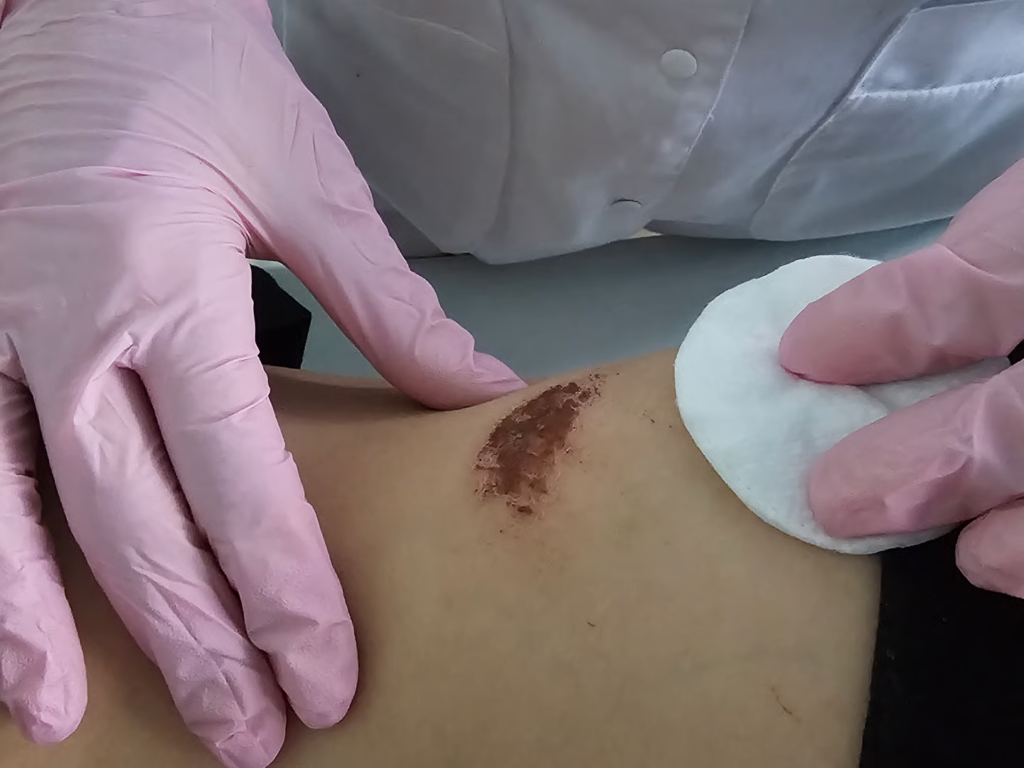
Most common chronic wound in diabetics
From blocked arteries
From prolonged immobility
Post-operative dehiscence
Due to poor circulation
From accidents or injuries
Normal wound healing follows four predictable stages: hemostasis, inflammation, proliferation, and remodeling. In chronic wounds, this natural progression becomes disrupted. Understanding what stops healing is the first step to finding the right treatment.
Most common chronic wound in diabetics
Body-wide conditions affecting healing
In chronic wounds, excessive inflammation creates a hostile environment. The wound remains in the inflammatory phase indefinitely—unable to move forward to tissue regeneration. This is where regenerative medicine makes the difference.
Stem cell therapy and amniotic membrane grafts "jump-start" the stalled healing process by releasing growth factors that guide your body back into normal healing.

Healix360 Advanced mobile wound care specialists connecting patients with regenerative healing solutions. Medicare Part B accepted.
6618 San Fernando Rd Glendale Ca 91201
Copyright © 2026 Healix360.com. All Rights Reserved.
chronic non healing ulcer, healix360 diabetic foot ulcers regenerative medicine, non healing wound, unhealed wound
The healing process of a wound is a complex biological response that occurs in stages. Understanding these stages—hemostasis, inflammation, proliferation, and remodeling—can help patients and caregivers recognize the signs of healing or the lack thereof. Each stage plays a critical role in ensuring that wounds heal properly and efficiently.
In healthy individuals, wounds typically progress through these stages within a few weeks. However, when a wound becomes chronic, it may stall at one of these stages due to various factors, including infection, poor blood flow, or underlying health conditions. Recognizing these stages can empower patients to seek timely intervention when healing does not occur as expected.
Early intervention in the treatment of non-healing wounds is crucial to prevent complications and improve healing outcomes. When a wound does not show significant improvement within 30 days, it is essential to consult with a wound care specialist to explore advanced treatment options. Delaying treatment can lead to severe consequences, including infections and potential amputations.
Timely intervention not only addresses the wound itself but also evaluates and manages any underlying health issues contributing to the delayed healing process. By acting quickly, patients can significantly improve their quality of life and reduce the risk of serious complications associated with chronic wounds.
Innovative treatment options for non-healing wounds are continually evolving, offering patients new hope for recovery. Advanced regenerative treatments, such as bioengineered skin substitutes and growth factor therapies, aim to enhance the body's natural healing processes. These treatments are often covered by Medicare Part B, making them accessible to many patients in need.
In addition to regenerative therapies, other modalities such as negative pressure wound therapy and hyperbaric oxygen therapy have shown promising results in promoting healing. By leveraging these advanced options, healthcare providers can tailor treatment plans to the unique needs of each patient, optimizing healing outcomes.
Choosing the right wound care specialist is vital for effective treatment and management of non-healing wounds. Patients should look for providers with specialized training and experience in wound care, as well as a comprehensive approach that includes assessment, treatment, and ongoing management. Personal referrals and online reviews can be helpful in making this decision.
Additionally, it is important to consider the availability of advanced treatment options offered by the specialist. A provider who is well-versed in the latest techniques and technologies can significantly impact the healing process. Patients should feel empowered to ask questions and discuss their treatment options to ensure they receive the best care possible.
