
When you’re dealing with a wound that refuses to heal, chronic wound management becomes a daily challenge that affects every part of your life. The constant trips to clinics, the disruption to your routine, the physical strain of traveling when you’re already in pain, it all adds up fast.
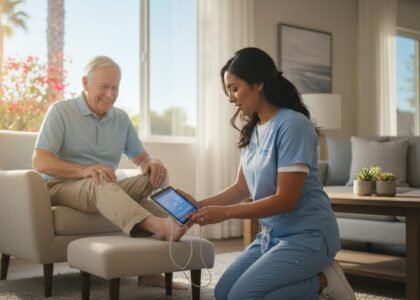
What if expert wound care could come to you instead? Mobile and in-home treatment has transformed how people manage persistent wounds, bringing advanced therapies right into your living room. No more exhausting trips to medical facilities, no more sitting in waiting rooms, just personalized care delivered where you’re most comfortable.
This approach isn’t just more convenient. For many patients, it actually leads to better healing outcomes because treatment happens in a familiar, stress-free environment where you can fully focus on recovery.
Why Chronic Wounds Need Specialized Management
Chronic wounds are fundamentally different from the cuts and scrapes that heal on their own in a few weeks. These are injuries that stay open for three months or longer, stuck in a cycle of inflammation that prevents normal healing.
Diabetic foot ulcers, pressure sores, venous leg ulcers, arterial ulcers, and non-healing surgical wounds all fall into this category. Each type has specific causes, but they share a common problem: the body’s normal healing process has broken down.
Your body heals wounds through overlapping phases. First comes inflammation, where immune cells clean up debris and fight infection. Next is the proliferative phase, building new tissue and blood vessels. Finally, there’s remodeling, where new tissue strengthens and matures.
Chronic wounds get stuck, usually in the inflammatory phase. Instead of progressing to tissue building, they stay inflamed for months. Growth factors get destroyed, bacterial biofilms form, and the wound environment becomes hostile to healing.
Traditional approaches often fail because they don’t address the underlying biological problems. You can change dressings every day, but if growth factors are missing and inflammation is out of control, the wound stays exactly the same. That’s why chronic wound management requires sophisticated interventions that restart the healing process at a cellular level.
The Mobile Care Advantage
Bringing wound care into your home changes everything. First, there’s the obvious benefit of convenience. You don’t have to arrange transportation, navigate parking, or spend hours away from home for a 20-minute appointment.
But the advantages run deeper than convenience. When healthcare providers treat you at home, they see your real living environment. They can spot factors that might interfere with healing, like a bedroom that’s too cold, difficulty accessing the bathroom safely, or nutritional challenges that clinic visits might miss.
Mobile wound care specialists can assess how you’re actually managing wound care between visits. Are you able to keep the area clean? Can you reach the wound to change dressings? Do you have adequate supplies? These practical realities become visible in ways they never would in a clinical setting.
There’s also a psychological component. Healing happens better when you’re relaxed and comfortable. The stress of traveling while in pain, the anxiety of clinical environments, the exhaustion from the logistics of getting care, all of this takes a toll. Home-based treatment removes these stressors.
For elderly patients or those with mobility limitations, in-home care isn’t just preferable, it’s often essential. The physical challenge of getting to appointments can be overwhelming, and the strain might actually slow healing by increasing stress and fatigue.
Advanced Therapies Available at Home
One misconception about mobile wound care is that it’s somehow less sophisticated than clinic-based treatment. The truth is that most advanced therapies can be delivered effectively in your home.
Amniotic membrane grafts, which contain concentrated growth factors and proteins, work beautifully in home settings. The specialist brings the graft, applies it to your wound, and provides instructions for maintaining the dressing until the next visit.
Platelet-rich plasma therapy can be performed at home too. The provider draws blood, processes it in a portable centrifuge, and applies the concentrated platelets directly to the wound. The entire procedure takes less than an hour from start to finish.
Negative pressure wound therapy, once available only in hospitals, now comes in portable versions small enough to wear discreetly under clothing. Home care nurses can set up and monitor these systems, teaching you how to manage them between visits.
Bioengineered skin substitutes, cellular therapies, and various wound coverings can all be applied in home settings.
The key is having skilled providers who understand both the clinical aspects of chronic wound management and the unique considerations of home-based care. They need to assess wounds accurately, apply treatments correctly, educate patients and caregivers, and know when a wound requires hospital-level intervention.
What a Home Visit Looks Like
Your first visit starts with a comprehensive assessment. The wound care specialist examines your wound, measuring size and depth, checking for signs of infection, and evaluating the surrounding tissue. They assess your circulation, look at your overall health status, and review your medical history.
They’ll ask detailed questions about how the wound happened, what treatments you’ve tried, what medications you take, and how you’re managing daily activities. This conversation helps them understand the full picture of what you’re dealing with.
Next comes wound cleaning and debridement if needed. Removing dead tissue and debris is crucial for healing, and specialists have the tools and expertise to do this effectively in your home. They work carefully to minimize discomfort while thoroughly preparing the wound bed.
Then they apply whatever treatment is most appropriate. This might be an advanced biological dressing, a growth factor therapy, or specialized wound coverings. These regenerative approaches target the underlying problems preventing healing, not just the surface symptoms.
Education is a huge part of home visits. The specialist teaches you or your caregiver how to monitor the wound, what changes to watch for, how to change dressings if needed, and when to call for help. They make sure you have adequate supplies and understand how to use everything.
Follow-up visits happen on a schedule tailored to your wound’s needs. Some patients need twice-weekly visits initially, while others do fine with weekly check-ins. The frequency adjusts as healing progresses.
Between visits, you have a direct line to your wound care team. Questions, concerns, or changes in the wound all get addressed promptly, usually with a phone call. This continuity of care prevents small problems from becoming big ones.

Coordinating Your Care Team
Effective chronic wound management involves multiple healthcare providers working together. Your primary doctor, wound care specialist, and sometimes other specialists like vascular surgeons or endocrinologists all play roles.
Mobile care providers excel at coordination. They communicate regularly with your entire medical team, sharing updates about wound status, treatment responses, and any complications. This integrated approach ensures everyone is working toward the same goals.
If you have diabetes, the wound care specialist coordinates with your endocrinologist to optimize blood sugar control. Poor glucose management sabotages healing, so tight coordination makes a real difference.
When circulation issues contribute to non-healing wounds, your wound care team works with vascular specialists to improve blood flow. Sometimes this means medications, other times it requires procedures to open blocked vessels.
Nutrition and Lifestyle Support
One major advantage of home visits is the opportunity to address nutrition and lifestyle factors that affect healing. When your wound care provider sees your kitchen, refrigerator, and daily routine, they can offer targeted, practical advice.
Protein intake is critical for wound healing, but many patients struggle to eat enough. Your provider might notice you’re having trouble with meal preparation or don’t have easy access to protein-rich foods. They can connect you with resources like meal delivery services or nutritional supplements.
Wounds need amino acids to build collagen, vitamins for cellular processes, and minerals for enzyme function. Home care providers can assess whether you’re getting what you need and intervene when you’re not.
Hydration matters too. Dehydration slows healing and makes skin more fragile. At home, your provider can see if you have easy access to water and whether you’re drinking enough throughout the day.
Activity and positioning also affect chronic wound management. Pressure ulcers require specific positioning strategies. Leg ulcers benefit from elevation and controlled activity. Your provider can assess your furniture, sleeping arrangements, and daily habits to optimize these factors.
They might notice safety hazards that increase injury risk, like cluttered walkways or poor lighting. Addressing these prevents new wounds and protects healing tissue from reinjury.
Technology Integration
Modern mobile wound care incorporates sophisticated technology that enhances treatment quality and coordination. Digital wound imaging allows providers to track healing objectively, measuring exact dimensions and documenting changes over time.
These images upload to secure electronic health records that your entire care team can access. Your primary doctor sees the same images your wound specialist took, enabling informed conversations about treatment adjustments.
Telehealth integration supplements in-person visits. Between home visits, you can send photos of your wound through secure messaging apps. If something looks concerning, the specialist can evaluate it remotely and decide whether an in-person visit is needed or if instructions over the phone suffice.
Remote monitoring devices track some parameters continuously. For patients using negative pressure wound therapy at home, smart pumps report data to providers, alerting them if pressure drops or other issues arise.
This technology doesn’t replace human interaction, it enhances it. Your specialist still comes to your home regularly, but technology fills gaps between visits and ensures problems get caught early.
Managing Complications at Home
One concern about home-based chronic wound management is whether complications can be handled appropriately outside clinical settings. The answer is yes, with proper protocols and clear communication.
Wound care specialists are trained to recognize early signs of infection, deteriorating tissue, or other problems. During each visit, they assess for these issues and take action immediately when found.
If a wound develops an infection requiring intravenous antibiotics, that can often be delivered at home. Home health agencies coordinate antibiotic infusions, and the wound specialist monitors response to ensure the infection clears.
Sometimes complications do require hospitalization, like severe infections that aren’t responding to outpatient treatment or wounds that suddenly expose bone or tendon. Mobile providers recognize these situations quickly and facilitate hospital admission when necessary.
The key is having clear protocols for what can be managed at home versus what needs higher-level care. Reputable mobile wound care services have these protocols in place and communicate them clearly to patients and families.
Cost Considerations and Insurance
Many people assume home-based care costs more than clinic visits, but the opposite is often true. Medicare and most insurance plans cover home health services for homebound patients with qualifying conditions.
For chronic wound management specifically, coverage typically includes wound care specialist visits, supplies, and advanced therapies like biological dressings. The requirements are usually that you’re homebound, meaning leaving home requires considerable effort due to your medical condition.
Even for patients who aren’t technically homebound, mobile wound care can cost less overall. You save on transportation costs, parking fees, and time off work for family members who would otherwise drive you to appointments.
The reduced complication rates associated with coordinated home care also save money. Preventing hospitalizations for wound-related infections or avoiding amputations has enormous financial impact.
Before starting mobile wound care, verify your specific coverage. Most programs have specialists who handle insurance verification and can explain your costs upfront. Many services work directly with insurance companies to ensure you get the care you need with minimal financial burden.
Who Benefits Most from Home Care
Certain patient groups benefit especially from mobile chronic wound management. Elderly patients who struggle with transportation find it transformative. Instead of relying on family members or expensive medical transport, care comes to them.
People with mobility limitations, whether from the wound itself or other conditions like arthritis or neurological problems, avoid the physical strain of clinic visits. The energy saved can actually go toward healing.
Patients managing multiple chronic conditions appreciate the integrated approach. When you have diabetes, heart disease, and a chronic wound, coordinating care becomes complex. Home visits simplify this by bringing expertise directly to you.
Those living in rural areas with limited access to specialized wound care finally get expert treatment. Mobile programs often serve wide geographic areas, bringing advanced therapies to communities that otherwise wouldn’t have access.
Even healthy, mobile patients sometimes prefer home care for the convenience and personalized attention. Professional wound care specialists dedicate time to you without the rushed feeling of clinic appointments, and treatment happens on your schedule.
Making the Transition to Home Care
If you’re currently receiving clinic-based wound care and considering switching to mobile services, the transition is straightforward. Start by asking your current provider if they offer home visits or can refer you to a mobile program.
Most mobile wound care programs accept referrals from primary doctors, specialists, or patients directly. They’ll verify your insurance coverage and schedule an initial assessment visit.
During that first visit, bring documentation of your previous treatments so the new provider understands your wound history. This helps them build on what’s already been tried rather than starting from scratch.
Expect a learning curve as you adjust to managing aspects of wound care at home. Your provider will teach you everything you need to know, and they’re always available by phone for questions.
Within a few weeks, most patients wonder why they ever dealt with the hassle of clinic visits. The combination of convenience, personalized care, and advanced treatment options makes chronic wound management through mobile services an excellent choice for many people struggling with non-healing wounds.
Frequently Asked Questions (FAQs)
1. How often will a wound care specialist visit my home?
Visit frequency depends on your wound’s severity and treatment needs. Most patients receive visits 1 to 3 times per week initially, with the schedule adjusting as healing progresses. Your specialist will create a customized plan based on your specific situation and may increase or decrease visit frequency as needed.
2. What if I need emergency care for my wound?
Mobile wound care programs have protocols for emergencies. Your specialist provides direct contact information for urgent concerns, and many services offer 24/7 nurse lines. If your wound shows signs of serious infection or other complications requiring immediate attention, they will direct you to the emergency room or arrange urgent care as appropriate.
3. Can mobile providers perform the same treatments as wound clinics?
Yes, most advanced wound care treatments can be delivered effectively at home. This includes amniotic membrane grafts, platelet-rich plasma therapy, negative pressure wound therapy, bioengineered skin substitutes, and various specialized dressings.
Mobile specialists bring necessary equipment and supplies to provide comprehensive chronic wound management in your home.
4. Does Medicare cover home-based wound care?
Medicare Part B covers home health services for patients who are homebound and require skilled nursing care, which includes chronic wound management.
Coverage typically includes wound care specialist visits, nursing services, medical supplies, and certain advanced therapies. Specific coverage depends on medical necessity and your individual Medicare plan, so verify benefits before starting treatment.
5. What should I prepare before the wound care specialist arrives?
Before your appointment, ensure the area where treatment will occur is clean and well-lit. Have your current wound care supplies available for the specialist to review. Prepare a list of your current medications, recent changes in your health, and any questions or concerns about your wound. Wear comfortable, loose clothing that allows easy access to the wound site.