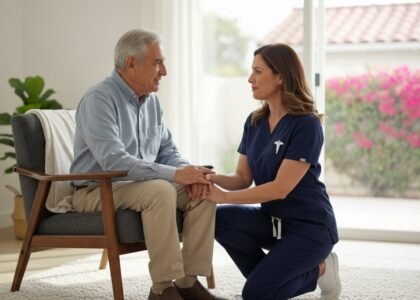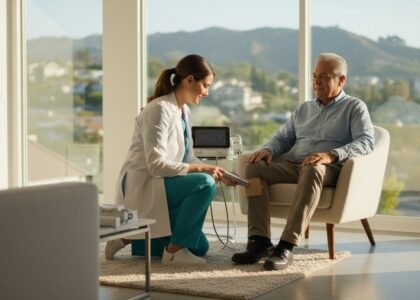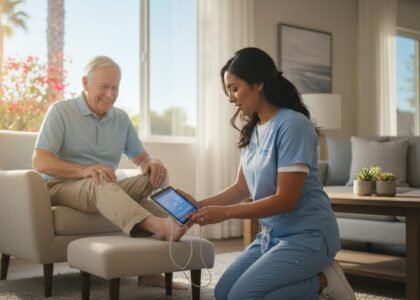

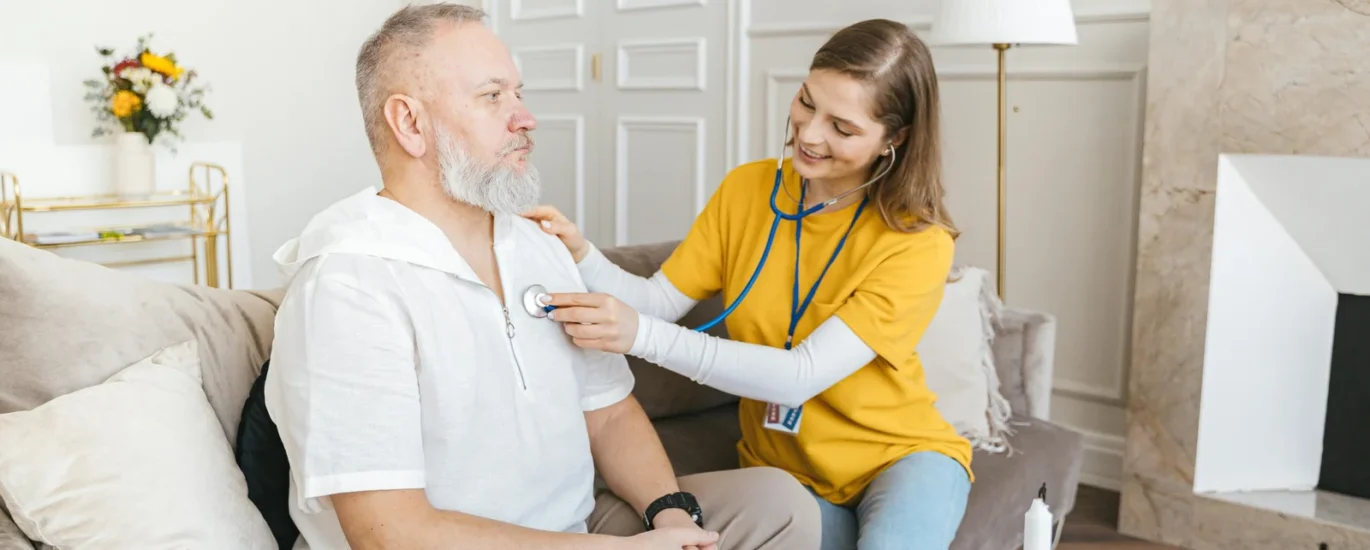
Dealing with a wound that won’t heal is stressful enough without the added burden of traveling to clinics. In-home wound care services eliminate this hassle by bringing expert treatment directly to your doorstep, allowing you to focus entirely on healing in the comfort of your own space.
Whether you’re recovering from surgery, managing a diabetic ulcer, or dealing with a pressure sore, getting to medical appointments can feel overwhelming. The pain of movement, the exhaustion of travel, the time spent in waiting rooms, it all takes energy away from what matters most, your recovery.
Mobile wound care changes this equation completely. Professional specialists come to you with advanced treatments, specialized equipment, and the expertise needed to help stubborn wounds finally close.
What In-Home Wound Care Actually Includes
In-home wound care services go far beyond basic bandage changes. These comprehensive programs provide the same level of expertise and advanced treatments you’d receive at specialized wound clinics, just delivered in your living room instead of a medical facility.
Skilled wound care nurses perform detailed assessments at each visit, measuring wound dimensions, evaluating tissue quality, checking for infection signs, and documenting progress with clinical photography. This thorough approach ensures problems get caught early and treatments adjust based on how you’re responding.
Advanced wound dressings and therapies form the core of treatment. Amniotic membrane grafts, which contain concentrated growth factors that accelerate healing, can be applied at home. Negative pressure wound therapy uses specialized devices to promote tissue growth. Bioengineered skin substitutes provide scaffolding for new tissue formation.
Debridement, the removal of dead tissue that blocks healing, happens during home visits when needed. Trained specialists have the tools and skills to clean wounds thoroughly, creating optimal conditions for regeneration without requiring you to visit a clinic.
Professional providers coordinate with your entire medical team, ensuring everyone stays informed about your wound status, treatment responses, and any complications. This integrated approach prevents the fragmented care that often happens when multiple providers work in isolation.
The Convenience Factor
The most obvious benefit of in-home wound care services is convenience, but this advantage runs deeper than you might think. Eliminating travel doesn’t just save time, it fundamentally improves your healing environment and outcomes.
Consider what going to appointments actually involves when you have a painful wound. Getting dressed, which might mean navigating around bandages and positioning challenges. Arranging transportation, whether that means driving yourself while uncomfortable or coordinating with family members. The physical strain of walking from parking areas to clinics. Sitting in waiting rooms, often for extended periods.
All of this drains energy that your body could direct toward healing. The stress of logistics, the physical exertion, the disruption to rest schedules, these factors genuinely impact recovery speed.
Home visits flip the script entirely. You can receive treatment in comfortable clothes or even pajamas. You can rest immediately before and after care. Your familiar environment reduces stress and anxiety. Family members can easily participate in education and care planning.
For elderly patients or those with mobility limitations, this convenience becomes necessity. The physical challenge of clinic visits might be genuinely dangerous, risking falls or cardiovascular stress..
Who Benefits Most from Home Services
Certain patient groups find in-home wound care services particularly valuable. People with diabetic foot ulcers often struggle with the neuropathy and circulation problems that caused their wounds in the first place, making travel difficult and potentially dangerous.
Post-surgical patients recovering from major operations need wound monitoring but may not be ready for the physical demands of clinic visits. Mobile services bridge the gap between hospital discharge and full recovery.
Those managing pressure ulcers, especially if bedridden or wheelchair-bound, benefit enormously from care that comes to them. Moving these patients for appointments can actually worsen their wounds, making home treatment both more comfortable and medically appropriate.
Elderly individuals with multiple chronic conditions appreciate the simplified coordination. When you’re already managing heart disease, diabetes, arthritis, and other issues, adding wound clinic visits to your schedule becomes overwhelming. In-home wound care services integrate seamlessly with existing home health support.
People living in rural areas often lack access to specialized wound care facilities. Mobile programs serve wide geographic territories, bringing expertise to communities that would otherwise have limited treatment options.
Even healthy, mobile patients sometimes prefer home care for the personalized attention and flexible scheduling. Treatment happens on your timeline, not clinic hours, and providers dedicate focused time without the rushed feeling of busy medical offices.
Advanced Treatments Available at Home
A common misconception is that home care means basic care. The reality is quite different. Most cutting-edge wound therapies can be delivered effectively in home settings when provided by properly trained specialists.
Amniotic membrane grafts represent some of the most advanced biological treatments available. These grafts contain over 200 growth factors and proteins that stimulate healing in chronic wounds. Application requires expertise but not hospital facilities, making them perfect for home delivery.
Platelet-rich plasma therapy harnesses your body’s own healing factors. Specialists draw blood, process it in portable centrifuges to concentrate platelets, and apply the resulting plasma directly to wounds. The entire procedure happens in your home in under an hour.
Negative pressure wound therapy, once hospital-only technology, now comes in portable units. These devices apply controlled suction to wounds, removing excess fluid, increasing blood flow, and promoting tissue growth. Home nurses set up systems and teach you to manage them between visits.
Cellular and tissue-based products, including bioengineered skin substitutes, can be applied during home visits. These materials provide structural support and biological signals that encourage wound closure.

The Assessment and Treatment Process
Your first visit with in-home wound care services involves comprehensive evaluation. The specialist examines your wound in detail, assessing size, depth, tissue type, drainage amount, and surrounding skin condition. They check your circulation, test sensation, and review your medical history.
This initial assessment establishes baseline measurements against which progress gets tracked. Clinical photographs document appearance, and standardized measurement tools ensure accuracy. Understanding what you’re dealing with guides treatment selection.
The specialist asks detailed questions about how the wound happened, what treatments you’ve tried, your pain levels, and how the wound affects your daily life. They also evaluate your home environment, looking at factors that might impact healing like nutrition, mobility, hygiene access, and caregiver support.
Based on this assessment, they develop a personalized treatment plan. This might involve advanced biological dressings, specific wound care protocols, nutrition recommendations, and coordination with other providers like vascular specialists or endocrinologists.
Each subsequent visit follows a pattern. The provider examines the wound, documenting changes and measuring progress. They clean the wound thoroughly, removing any debris or dead tissue. Advanced therapies get applied according to the treatment plan. Dressings go on with careful technique to optimize healing.
Education happens continuously. Your specialist teaches you or your caregivers how to monitor the wound between visits, what changes warrant calling for help, and how to support healing through nutrition and activity modifications.
Coordination with Your Medical Team
Effective wound management requires input from multiple healthcare providers. Your primary doctor, wound specialist, and sometimes other physicians like vascular surgeons or infectious disease specialists all play roles.
In-home wound care services excel at coordination. Because mobile providers see you most frequently, they’re perfectly positioned to serve as the communication hub connecting your care team.
After each visit, your wound specialist updates your primary doctor with progress reports, photographs, and treatment adjustments. If complications arise, they communicate immediately, ensuring rapid response to problems.
When underlying health issues affect healing, mobile providers facilitate specialist consultations. Poor circulation slowing recovery? They coordinate with vascular surgeons to evaluate blood flow. Diabetes control suboptimal? They work with your endocrinologist to adjust management.
This integrated approach prevents the dangerous gaps that occur when providers don’t communicate. Everyone works from the same information toward aligned goals, dramatically improving outcomes.
Insurance companies increasingly recognize the value of coordinated home care. Many programs report reduced hospitalization rates, fewer emergency room visits, and lower overall healthcare costs when wounds get managed proactively at home rather than reactively in crisis situations.
Managing Complex Medical Needs
Many patients with chronic wounds have multiple health conditions that complicate care. In-home wound care services are particularly valuable for managing these complex situations.
If you’re diabetic, mobile providers monitor blood sugar impacts on healing and coordinate with your diabetes team for optimal control. They teach foot care techniques that prevent future ulcers and recognize early warning signs of new problems.
Heart failure patients who develop wounds benefit from providers who understand fluid management and medication effects on healing. Home nurses monitor for signs that cardiac issues are interfering with recovery.
Those on blood thinners require special wound care considerations. Mobile specialists adjust dressing choices and techniques to manage bleeding risk while still promoting healing.
Patients with limited mobility need positioning strategies to prevent new pressure ulcers while treating existing wounds. Home providers can assess your actual furniture, sleeping arrangements, and daily routines to give practical, implementable advice.
Nutrition Support for Healing
One advantage of home visits is the opportunity to address nutrition in context. When providers see your kitchen and eating habits, they can give targeted advice that actually fits your life.
Wound healing demands extra protein, vitamins, and minerals. Many patients don’t realize they’re not eating enough to support recovery. Home specialists notice when refrigerators are empty, meal preparation is difficult, or appetite is poor.
They can recommend practical solutions. Protein shakes that don’t require cooking. Meal delivery services that provide healing-focused nutrition. Simple modifications to what you’re already eating that boost nutrient density.
For patients with chewing difficulties, swallowing problems, or diabetes-related dietary restrictions, home providers work with dietitians to develop plans that meet healing needs while respecting your limitations and preferences.
They also monitor hydration, which is crucial for wound healing but often neglected. Seeing whether you have easy access to water and actually drink adequate amounts allows for specific interventions when needed.
Technology Integration
Modern in-home wound care services incorporate technology that enhances quality without sacrificing the personal touch. Digital wound imaging provides objective measurement and documentation, tracking progress with precision impossible through visual assessment alone.
These images upload to electronic health records accessible by your entire care team. Your primary doctor sees the same detailed photographs your wound specialist took, enabling informed conversations about treatment without requiring you to travel.
Secure messaging allows you to send wound photos between visits. If something looks concerning, specialists can evaluate remotely and determine whether an in-person visit is needed or if instructions over the phone suffice.
Some programs use smart devices for remote monitoring. Patients with negative pressure therapy systems at home have pumps that report data to providers, alerting them to issues before they become problems.
Telehealth supplements but doesn’t replace in-person care. Video visits work well for check-ins, education, and answering questions, while hands-on treatment happens during home visits. This hybrid approach maximizes convenience while maintaining care quality.
Cost Considerations and Insurance
Many people assume home care costs more than clinic visits, but economics often favor home delivery. Medicare and most insurance plans cover home health services for homebound patients with qualifying conditions.
For wound care specifically, coverage typically includes specialist visits, supplies, and advanced therapies. Requirements usually involve being homebound, meaning leaving home requires considerable effort due to your medical condition.
Even for patients not technically homebound, total costs may be lower with home care. You save on transportation, parking, and time off work for family members who would otherwise drive you to appointments. The reduced complication rates associated with coordinated home care also save money by preventing hospitalizations.
Many in-home wound care services employ specialists who verify insurance coverage and explain costs upfront. They work directly with insurance companies to ensure authorization for necessary treatments, handling paperwork that many patients find overwhelming.
Some programs offer package pricing or sliding scale fees for patients with limited coverage. Don’t let insurance uncertainty stop you from exploring home care options, solutions often exist.
Making the Transition to Home Care
If you’re currently receiving clinic-based wound care and considering switching to home services, the transition is straightforward. Start by asking your current provider if they offer mobile visits or can refer you to a home program.
Most in-home wound care services accept referrals from primary doctors, specialists, or directly from patients. They’ll verify coverage and schedule an initial assessment visit.
Bring documentation of previous treatments to your first appointment so new providers understand your wound history. This helps them build on what’s already been tried rather than starting from scratch.
Expect a brief adjustment period as you adapt to managing aspects of care at home. Your provider will teach everything you need to know, and they’re always available by phone for questions between visits.
Within a few weeks, most patients wonder why they ever dealt with the hassle of clinic visits. The combination of expert care, advanced treatments, and the comfort of home creates an ideal healing environment that helps stubborn wounds finally close.
Frequently Asked Questions (FAQs)
1. How often will a specialist visit for in-home wound care services?
Visit frequency depends on your wound’s severity and treatment needs. Most patients receive visits 1 to 3 times weekly initially, with schedules adjusting as healing progresses. Complex wounds may need more frequent visits, while stable wounds might transition to weekly or biweekly check-ins.
Your specialist creates a customized schedule based on your specific situation.
2. What equipment do I need at home for wound care?
Your in-home wound care services provider brings all necessary equipment and supplies to each visit, including dressings, medications, measurement tools, and any specialized therapies.
Between visits, you may need to keep basic supplies on hand for dressing changes, which your provider will supply and teach you to use properly.
3. Can home wound care handle infected wounds?
Yes, trained specialists can manage most wound infections at home through appropriate antibiotic therapy, enhanced wound cleaning, and close monitoring. They recognize when infections are worsening and require hospital-level intervention.
For severe infections needing intravenous antibiotics, these can often be coordinated through home infusion services alongside wound care.
4. What if my wound gets worse between visits?
Your in-home wound care services provider gives you direct contact information and clear instructions about warning signs that need immediate attention. Most programs offer 24/7 nurse lines for urgent concerns.
You can often send photos through secure messaging for remote evaluation between scheduled visits, and emergency visits can be arranged when necessary.
5. Does Medicare cover in-home wound care services?
Yes, Medicare Part B covers home health services including wound care for beneficiaries who are homebound and require skilled nursing. This typically includes wound care specialist visits, supplies, and advanced therapies when medically necessary.
Specific coverage depends on your individual Medicare plan, and most home care agencies can verify your benefits before starting treatment.