

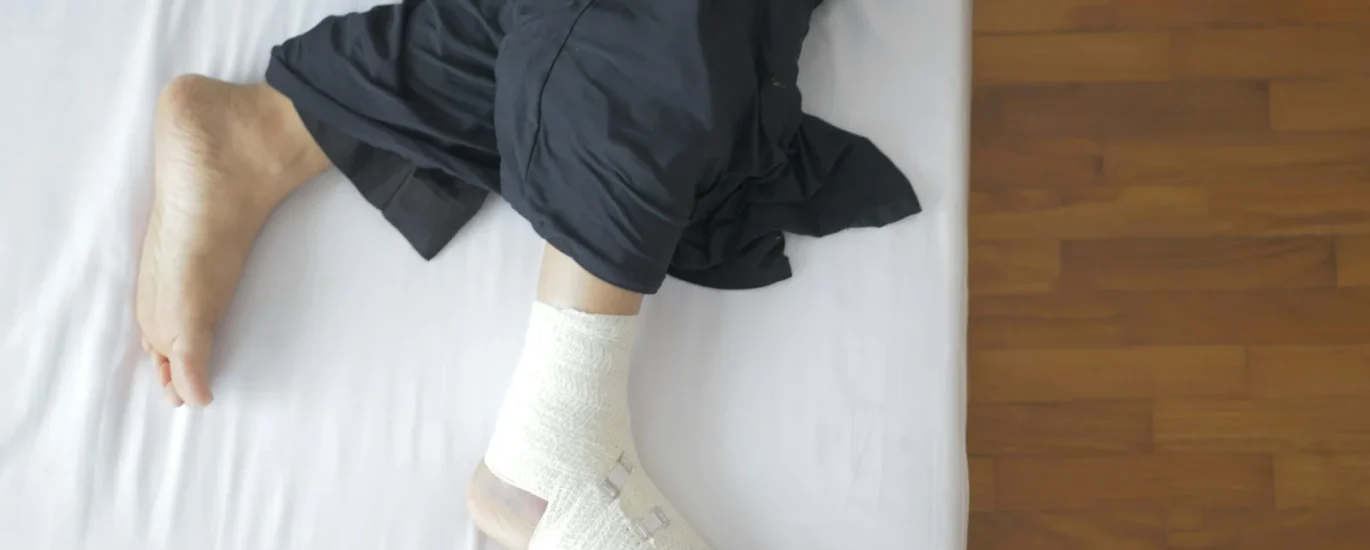
A non healing wound isn’t just frustrating, it’s a sign that something more serious is going on with your body, and ignoring it could lead to complications you definitely want to avoid.
If you’ve been dealing with a cut, ulcer, or surgical wound that refuses to close despite your best efforts at keeping it clean and covered, you’re not alone. Millions of people face this problem every year, and understanding why it happens is the first step toward getting the help you need.
What Is a Non Healing Wound?
Let’s start with the basics. A non healing wound, also called a chronic wound, is any wound that doesn’t follow the normal healing timeline your body is designed for. Most wounds go through predictable stages: bleeding stops, a scab forms, new tissue grows, and eventually the skin closes completely.
When this process gets stuck or stalls out, usually after about four weeks of no improvement, doctors consider it chronic. Some wounds linger for months or even years without closing. This isn’t just about slow healing, it’s about your body’s normal repair mechanisms failing to work the way they should.
The skin is your body’s largest protective organ. When it stays open too long, you’re vulnerable to infection, pain, and a whole host of other problems that can seriously impact your quality of life.
What Is Considered a Non Healing Wound?
Medical professionals use specific criteria to determine whether your wound has crossed into chronic territory.
If a wound shows no signs of improvement after two weeks of proper care, that’s your first red flag. If it hasn’t healed completely within four to six weeks, it officially qualifies as a non healing wound. Some experts use an eight-week cutoff, but the point is the same: normal wounds don’t take this long.
The most common types include diabetic foot ulcers, pressure sores, venous leg ulcers, and arterial insufficiency ulcers. Surgical wounds that don’t close properly and traumatic injuries that get stuck in the inflammation phase also fall into this category.
What Conditions Cause Non Healing Wounds?
The reasons behind chronic wounds are usually more complex than just a simple injury that won’t heal. Your body’s ability to repair tissue depends on a lot of interconnected systems working together, and when any of them malfunction, healing stalls.
Diabetes tops the list of culprits. High blood sugar damages nerves and blood vessels, particularly in your feet and legs. This means you might not feel injuries when they happen, and your body can’t deliver the nutrients and oxygen needed for repair.
Poor circulation from vascular disease prevents blood from reaching the wound site. Without adequate blood flow, your cells can’t get the oxygen and nutrients they need to build new tissue. This is especially problematic for wounds on the lower legs and feet.
Infections throw a major wrench in the healing process. When bacteria colonize a wound, your immune system stays in constant fight mode instead of moving forward to the tissue-building phase. Biofilms, which are protective layers bacteria create, make infections particularly stubborn.
Pressure injuries happen when constant pressure on one area of skin cuts off blood supply. People with limited mobility or those who spend extended time in bed or wheelchairs face the highest risk.
Advanced age brings fragile skin and a weakened immune response. Older adults simply don’t produce antibodies and healing factors as efficiently as younger people. Certain medications like corticosteroids and chemotherapy drugs also interfere with your body’s natural healing abilities.
Malnutrition or inadequate protein intake robs your body of the building blocks needed to create new tissue. Smoking constricts blood vessels and reduces oxygen in your blood, creating a hostile environment for healing.

How Are Non Healing Wounds Treated?
Treatment for chronic wounds requires a strategic, multi-pronged approach that addresses both the wound itself and the underlying factors preventing it from healing.
The first step is thorough cleaning and debridement, which means removing dead tissue that harbors bacteria and blocks new growth. This might sound unpleasant, but it’s essential. Dead tissue needs to go before healthy tissue can form.
Advanced wound dressings have come a long way from basic gauze. Modern options include antimicrobial dressings with silver or other infection-fighting agents, moisture-balancing dressings that keep the wound environment optimal, and specialized materials that promote tissue growth.
For diabetic wounds, blood sugar control becomes as important as wound care itself. You can apply the best dressings in the world, but if your glucose levels stay high, healing will remain elusive.
Compression therapy helps venous ulcers by improving blood flow back from the legs to the heart. Special wraps or stockings squeeze the legs in a way that reduces swelling and gets circulation moving.
Negative pressure wound therapy uses controlled suction to remove fluid, reduce swelling, and pull wound edges together. It’s particularly effective for deeper wounds or those with significant drainage.
Advanced regenerative treatments like stem cell therapy and amniotic membrane grafts represent the cutting edge of wound care. These approaches actively stimulate your body’s healing mechanisms at the cellular level, often producing results when conventional treatments have failed.
Hyperbaric oxygen therapy involves breathing pure oxygen in a pressurized chamber. This floods your tissues with oxygen and fights infection. Infection control is non-negotiable. If your wound is infected, oral or intravenous antibiotics become necessary. Sometimes infected bone tissue requires surgical removal.
Doctors to Visit for a Non Healing Wound
Knowing which type of specialist to see can make a huge difference in your healing outcome. Not all doctors have the same level of expertise in chronic wound management.
Wound care specialists are healthcare professionals who’ve completed rigorous additional training specifically in treating stubborn wounds. They spend at least three years practicing wound care before sitting for certification exams. These specialists understand the complex factors affecting healing and have access to the most advanced treatment options.
Your primary care physician typically serves as the starting point and coordinates your overall care. They can manage simple wounds but should refer you to a specialist when things aren’t progressing normally.
Vascular surgeons focus on blood flow issues. If poor circulation is contributing to your wound, they can perform procedures to restore adequate blood supply to the affected area.
Podiatrists specialize in foot and ankle care and are often the go-to specialists for diabetic foot ulcers. They understand the unique challenges of lower extremity wounds in people with diabetes.
Infectious disease specialists join the team when wounds develop resistant infections that aren’t responding to standard antibiotics. General surgeons may be involved for surgical debridement or procedures to close large wounds.
Many wound care centers employ multidisciplinary teams that bring together nurses, physicians, physical therapists, and nutritionists. This team approach ensures all aspects of your healing are addressed.
The key is not waiting too long to seek specialized help. If your primary care doctor has been treating your wound for a month without significant improvement, it’s time to see a wound care specialist.
Why Quick Action Matters
The longer a wound stays open, the harder it becomes to heal. Chronic wounds create a vicious cycle where inflammation persists, beneficial growth factors decrease, and harmful enzymes increase. This environment actively works against healing.
Delayed treatment also increases your risk of serious complications. Infections can spread to bone, creating osteomyelitis, or enter your bloodstream, potentially causing sepsis. For people with diabetes, chronic foot wounds are the leading cause of amputation.
Early intervention with proper specialist care dramatically improves outcomes. Research shows that advanced wound care approaches can reduce healing time by 30 to 50 percent compared to standard treatments alone.
Prevention and Taking Control
Once you’ve dealt with a chronic wound, prevention becomes crucial because you’re at higher risk for developing another one.
For people with diabetes, meticulous blood sugar control is the foundation. Regular foot inspections, proper footwear, and never going barefoot protect vulnerable areas.
If you have circulation problems, regular movement helps. Elevating your legs when sitting, wearing compression stockings if recommended, and avoiding tight clothing that restricts blood flow all support healthy circulation.
Good nutrition provides your body with the raw materials for tissue repair. Adequate protein, vitamin C, zinc, and overall calorie intake matter more than most people realize. Smoking cessation can’t be emphasized enough. Tobacco use is one of the most significant modifiable risk factors for wound healing problems.
The most important thing you can do is take action now. Don’t convince yourself that another week of home care will make the difference if you’ve already been trying for a month. Seek expert evaluation sooner rather than later.
Be honest with your healthcare providers about all your medical conditions, medications, and lifestyle factors. Follow treatment recommendations precisely. Missing appointments, skipping dressing changes, or not taking prescribed medications can undo progress.
Remember that healing takes time even with the best care, but with proper treatment from qualified specialists, the vast majority of chronic wounds do eventually close. Your persistence and commitment to the treatment plan make all the difference in achieving that goal for your non healing wound.
Frequently Asked Questions (FAQs)
1. How long should I wait before seeing a specialist for a wound that won’t heal?
You should see a wound care specialist if your wound shows no improvement after two weeks of proper home care or hasn’t healed completely within four to six weeks. Don’t wait if you notice signs of infection like increasing redness, warmth, pus, foul odor, or fever.
These symptoms require immediate medical attention regardless of how long you’ve had the wound. Early intervention significantly improves outcomes and reduces the risk of serious complications.
2. Can a non healing wound heal on its own without treatment?
No, chronic wounds rarely heal on their own without proper treatment. The fact that a wound has become chronic means your body’s normal healing mechanisms have failed or stalled.
Without addressing the underlying causes like infection, poor circulation, or diabetes, and without specialized wound care, the wound will likely remain open indefinitely. Some untreated chronic wounds can deteriorate, leading to serious infections or tissue death requiring amputation.
3. What are the warning signs that my wound is getting worse?
Key warning signs include increasing pain that doesn’t improve with pain medication, expanding redness or dark discoloration around the wound edges, increasing swelling, thick yellow or green discharge, foul smell, visible bone or deep tissue in the wound, fever or chills, and new areas of skin breakdown.
If you notice any of these symptoms, contact your healthcare provider immediately. These signs often indicate infection or other serious complications that require urgent medical intervention.
4. Does insurance cover treatment for chronic wounds?
Yes, Medicare and most private insurance plans cover medically necessary treatment for chronic wounds, including specialist consultations, advanced dressings, debridement procedures, and therapies like hyperbaric oxygen treatment.
Coverage typically requires documentation that the wound hasn’t responded to standard care and meets specific criteria for advanced treatment. Your wound care specialist’s office can help verify your coverage and obtain necessary pre-authorizations. Don’t let cost concerns prevent you from seeking needed care.
5. What can I do at home to help my chronic wound heal faster?
While you need professional treatment, several home measures support healing. Keep the wound clean and follow dressing change instructions precisely. Maintain good nutrition with adequate protein, stay well-hydrated, and take any prescribed vitamins or supplements.
Control underlying conditions like diabetes or high blood pressure. Avoid smoking and limit alcohol. Follow activity restrictions, use prescribed compression garments or offloading devices, elevate affected limbs when resting if recommended, and attend all follow-up appointments. Never try to treat a chronic wound entirely on your own.