

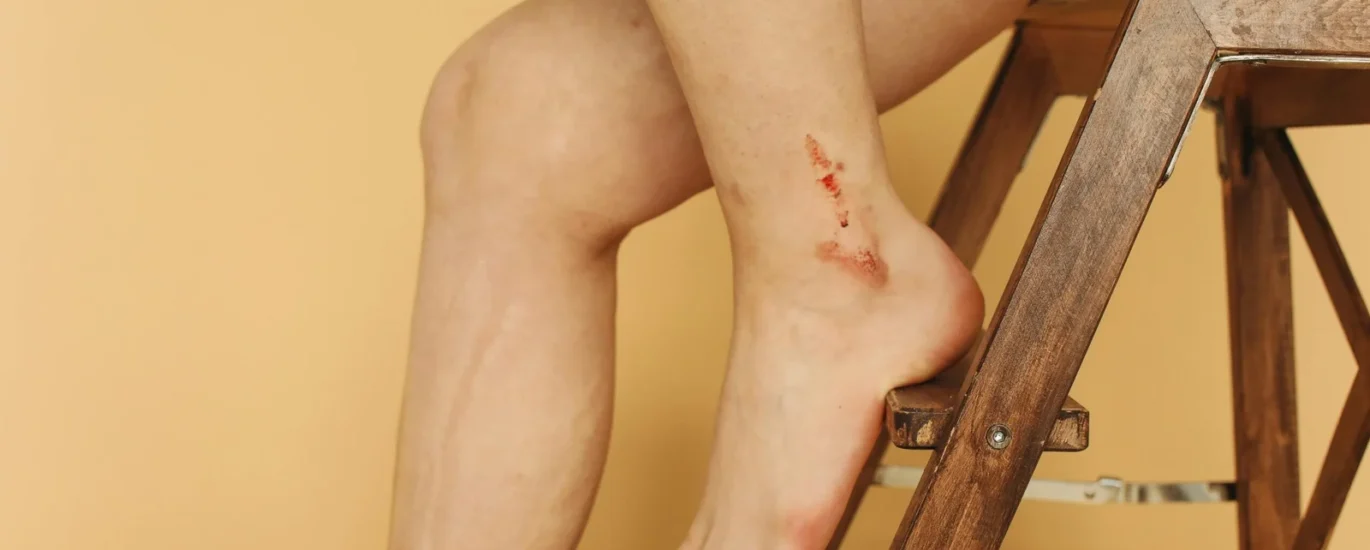
When you’re dealing with diabetes, a small cut on your foot can turn into something serious fast. If you’ve noticed a wound that won’t heal, you’re probably searching for answers about diabetic foot ulcer treatment and wondering what your options really are.
Let’s cut through the confusion and talk about what actually works.
What Makes Diabetic Foot Ulcers Different
Foot ulcers in people with diabetes aren’t just regular wounds. High blood sugar levels damage nerves and blood vessels over time, which means your feet might not feel pain the way they should, and they definitely don’t heal as quickly as they used to.
About 15% of people with diabetes will develop a foot ulcer at some point. That’s not a small number. The real problem? Many people don’t notice these ulcers until they’ve gotten worse because of nerve damage, also called neuropathy.
Early Signs You Shouldn’t Ignore
Before we dive into treatment, you need to know what to watch for. Catching an ulcer early makes all the difference.
Look out for drainage on your socks, swelling in your foot or ankle, redness around a wound, or any unusual odor coming from your feet. Sometimes you’ll notice discoloration or a spot that feels warmer than the surrounding skin.
If you can’t feel your feet well anymore, make it a habit to check them every single day. Use a mirror if you need to see the bottoms.
The Foundation of Treatment
Effective diabetic foot ulcer treatment starts with taking pressure off the wound. This is called offloading, and it’s probably the most important step that gets overlooked.
Your doctor might recommend special shoes, a walking boot, or even crutches depending on where the ulcer is located. The goal is simple: stop putting weight on the wound so it can actually heal.
Wound Care That Actually Works
Keeping the ulcer clean is non-negotiable. Your healthcare provider will show you how to clean the wound properly, usually with saline solution. They’ll also remove dead tissue in a process called debridement, which sounds intense but helps healthy tissue grow back.
After cleaning, the right dressing makes a huge difference. There are different types, from basic gauze to advanced moisture-retaining dressings and even special bandages that create the ideal healing environment. Your doctor will choose based on how much the wound is draining and how deep it goes.
Advanced Treatment Options
When standard care isn’t enough, there are more aggressive approaches available for diabetic foot ulcer treatment.
Hyperbaric oxygen therapy involves breathing pure oxygen in a pressurized chamber, which helps wounds heal by improving blood flow and fighting infection. Some people see great results with this, especially for ulcers that haven’t responded to other treatments.
Bioengineered skin substitutes are another option. These are lab-created tissues that cover the wound and promote healing. They’re not cheap, but they can save limbs when other methods fail.
Negative pressure wound therapy uses a special vacuum dressing to pull fluid out of the wound and bring the edges closer together. It’s particularly useful for deeper ulcers.
Infection Control Matters
Infections are the reason many diabetic foot ulcers become serious threats. If your ulcer shows signs of infection like increased redness, warmth, pus, or you develop a fever, you need antibiotics immediately.
Sometimes the infection goes deep into the bone, which is called osteomyelitis. This requires aggressive antibiotic treatment, sometimes through an IV, and occasionally surgery to remove infected bone. Early intervention dramatically reduces amputation risk.
Blood Flow Is Everything
Poor circulation is often the hidden problem making ulcers refuse to heal. If blood isn’t reaching your feet properly, no amount of wound care will fix things completely.
Your doctor might order tests to check blood flow in your legs. If there are blockages, procedures like angioplasty can open up those vessels and restore circulation. Think of it like clearing a clogged pipe so nutrients and oxygen can reach the wound again.
Managing Your Blood Sugar
Here’s something that can’t be said enough: controlling your blood sugar levels directly impacts how well your ulcer heals. High glucose levels slow down your immune system and make it harder for wounds to close.
Work with your diabetes care team to keep your numbers in range. This might mean adjusting medications, changing your diet, or monitoring more frequently. It’s not glamorous, but it’s essential for diabetic foot ulcer treatment success.

Prevention Is Your Best Strategy
Once an ulcer heals, you’re at higher risk for developing another one. That’s why prevention becomes your new focus.
Invest in properly fitted diabetic shoes. Regular shoes might look better, but specialized footwear distributes pressure evenly and protects vulnerable spots. Check your feet every day without exception. Moisturize dry skin but keep the areas between your toes dry to prevent fungal infections.
Trim your toenails carefully or have someone do it for you. Never walk barefoot, even at home. These small habits add up to major protection.
When Surgery Becomes Necessary
Sometimes diabetic foot ulcers require surgical intervention. This might mean removing infected tissue, correcting bone deformities that cause pressure points, or in severe cases, partial amputation to save the rest of the foot or leg.
Surgery sounds scary, but modern techniques focus on preserving as much of the foot as possible while removing the threat. The goal is always to keep you mobile and independent, which is why finding specialized care that understands complex wounds makes such a difference in outcomes.
Working With Your Healthcare Team
Treating diabetic foot ulcers effectively requires a team approach. You’ll likely work with your primary care doctor, an endocrinologist for diabetes management, a podiatrist for foot care, and possibly a vascular surgeon if circulation is an issue.
Don’t hesitate to ask questions. Make sure you understand your treatment plan and what you’re supposed to do at home. If something isn’t working or you’re having trouble following instructions, speak up. Good communication can prevent small problems from becoming big ones.
Quick Links to Diabetic Foot Ulcer Treatment ResourcesLong-Term Outlook
The truth is, diabetic foot ulcers can be stubborn. Some heal in a few weeks with proper care, while others take months. Your individual outcome depends on factors like blood sugar control, circulation, infection presence, and how well you can offload the wound.
The good news? With aggressive treatment and consistent care, most ulcers do heal. Even better news: the lessons you learn managing one ulcer help you prevent future ones.
Taking Action Today
If you have an open wound on your foot right now, don’t wait to seek help. Early intervention is the difference between a manageable situation and a medical emergency.
Schedule an appointment with a healthcare provider who specializes in diabetic foot care. Bring a list of your medications, be honest about your blood sugar control, and prepare to make some changes to protect your feet.
Living with diabetes means staying vigilant, but it doesn’t mean accepting complications as inevitable. With the right approach to diabetic foot ulcer treatment, you can heal and stay healthy.
Frequently Asked Questions (FAQs)
1. How long does it typically take for a diabetic foot ulcer to heal?
Healing time varies significantly based on the ulcer’s severity, location, and your overall health. Minor ulcers might heal in 4 to 6 weeks with proper care, while deeper or infected ulcers can take several months.
Factors like blood sugar control, circulation, and consistent wound care all affect the timeline. Your healthcare provider can give you a more specific estimate after evaluating your particular situation.
2. Can I treat a diabetic foot ulcer at home without seeing a doctor?
No, you should never attempt to treat a diabetic foot ulcer on your own. Even small wounds can quickly become infected or worsen without proper medical care.
A healthcare professional needs to assess the depth, clean the wound correctly, and create a treatment plan tailored to your needs. Home care is important, but it should supplement professional treatment, not replace it.
3. What’s the connection between diabetic foot ulcers and amputation risk?
Diabetic foot ulcers are the leading cause of non-traumatic amputations in the United States. When ulcers become severely infected or blood flow is too compromised for healing, amputation may become necessary to prevent life-threatening complications.
However, with early detection and aggressive treatment, the vast majority of amputations can be prevented. This is why immediate medical attention is so critical.
4. Are there warning signs that a foot ulcer is getting worse?
Yes, several red flags indicate your ulcer needs immediate attention. Watch for increasing pain or new pain in a previously numb area, expanding redness or dark discoloration around the wound, foul odor, increased drainage or pus, fever or chills, and visible bone or deep tissue in the wound.
Any of these symptoms means you should contact your healthcare provider right away or go to an emergency room.
5. How can I reduce my risk of developing another foot ulcer after one heals?
Prevention requires daily commitment but makes a real difference. Inspect your feet every day for any signs of injury, wear properly fitted diabetic shoes at all times, maintain good blood sugar control, keep your feet clean and moisturized, avoid walking barefoot anywhere, trim toenails carefully, and attend regular checkups with your podiatrist.
Creating these habits significantly lowers your risk of recurrence.