

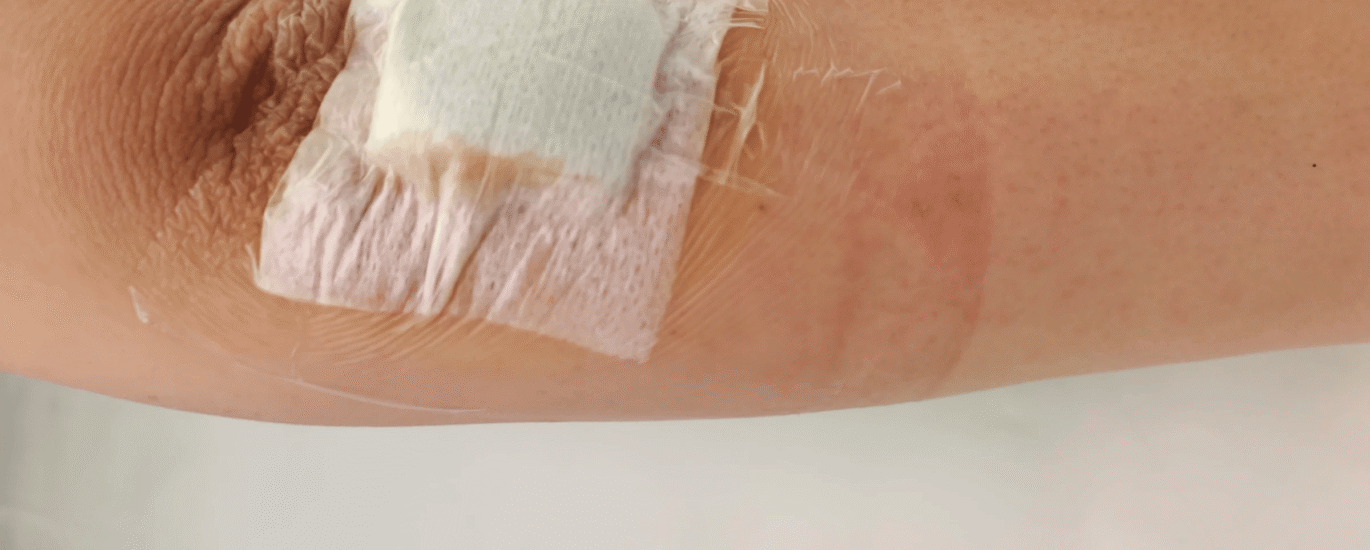
How to Prevent Diabetic Foot Ulcers
If you have diabetes, preventing foot ulcers should be a top priority. These wounds can develop quickly but heal slowly, potentially leading to serious complications including infection, hospitalization, and even amputation. The good news? Most diabetic foot ulcers are preventable with proper daily care.
Critical Stat:
15% of people with diabetes will develop a foot ulcer at some point. Of those, 6% will require hospitalization, and up to 20% may face amputation if not treated promptly.
1. Inspect Your Feet Daily
Check your feet every single day for cuts, blisters, redness, swelling, or nail problems. Use a mirror to see the bottoms of your feet, or ask someone to help if you have trouble seeing. Diabetic neuropathy means you might not feel a wound developing, so visual inspection is critical.
Pro Tip: Make it part of your routine—check your feet when you brush your teeth or before bed.
2. Wash Feet Daily with Mild Soap
Wash your feet every day in warm (not hot) water with mild soap. Test water temperature with your elbow or a thermometer—it should be below 90°F. Dry thoroughly, especially between toes where moisture can lead to fungal infections.
3. Moisturize, But Not Between Toes
Apply lotion or cream to the tops and bottoms of your feet to prevent dry, cracked skin—but never between your toes. Excess moisture between toes creates a breeding ground for fungal infections.
4. Trim Toenails Carefully (or See a Podiatrist)
Cut nails straight across and file any sharp edges. If you have trouble seeing, have poor circulation, or already have foot problems, let a podiatrist trim your nails for you. Ingrown toenails can quickly become infected wounds.
5. Never Go Barefoot—Ever
Always wear shoes or slippers, even indoors. Going barefoot increases your risk of cuts, puncture wounds, and burns that you might not feel due to neuropathy. Even something as simple as stepping on a small pebble can create a wound.
6. Wear Proper Diabetic Footwear
Invest in well-fitting shoes with plenty of room for your toes. Consider diabetic shoes with extra depth and cushioning. Always check inside shoes before wearing them—foreign objects can cause pressure points and wounds.
What to look for: Seamless interiors, cushioned insoles, breathable materials, and non-slip soles. Avoid pointed toes, high heels, or flip-flops.
7. Manage Blood Sugar Levels
High blood sugar damages nerves (neuropathy) and blood vessels, impairing sensation and healing ability. Keep your A1C levels in your target range as recommended by your doctor. Better glucose control means better wound prevention and healing.
8. Keep Blood Flowing to Your Feet
Improve circulation by putting your feet up when sitting, wiggling your toes periodically, and moving your ankles in circles. Avoid crossing your legs for long periods. Exercise as recommended by your doctor—walking is excellent for foot health.
9. Get Regular Foot Exams
See a podiatrist or foot specialist at least once a year—more often if you have nerve damage, circulation problems, or a history of foot ulcers. Professional exams catch problems early before they become serious.
10. Act Fast at First Sign of Trouble
Don’t wait and see if a wound heals on its own. Contact your doctor immediately if you notice any cuts, blisters, sores, redness, swelling, or drainage. Early treatment prevents minor issues from becoming major complications.
Prevent Ulcers: 10 Daily Foot Care Steps for DiabeticsRemember
Prevention is always easier than treatment. By following these 10 steps daily, you significantly reduce your risk of developing diabetic foot ulcers and the serious complications they can cause.
Already Have a Foot Ulcer?
If prevention didn’t work, we can help. Get connected with a specialist for advanced wound care.