

Sacral Ulcers: A Complete Guide to Prevention and Healing
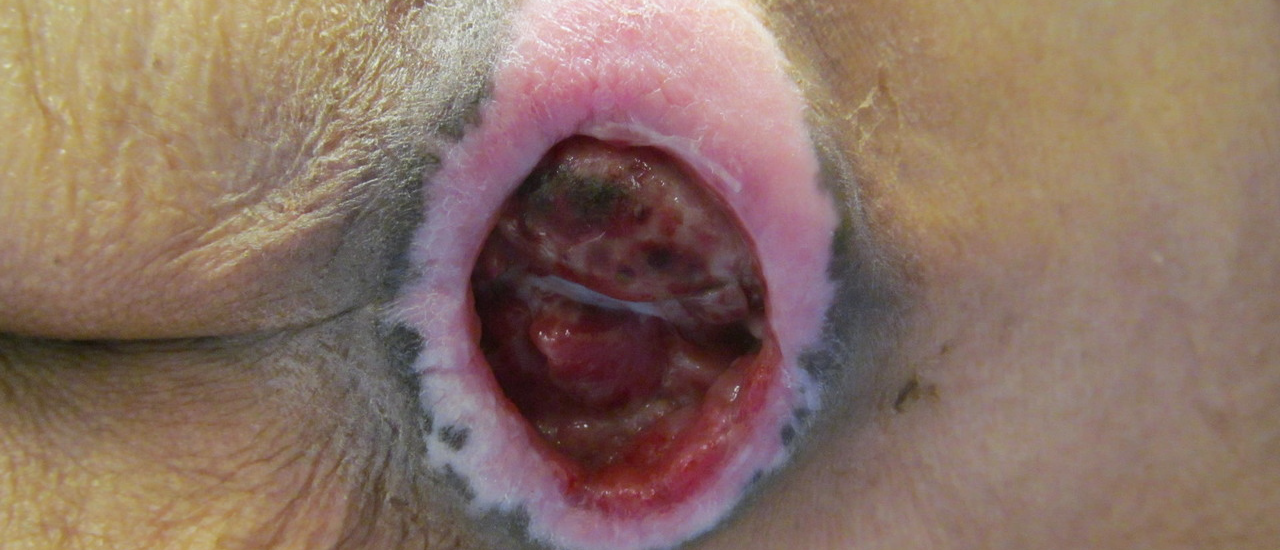
Sacral ulcers, commonly called back ulcers, are pressure sores that develop over the tailbone and lower back area. They’re among the most common and challenging pressure injuries to treat, but with proper care and advanced treatment, healing is possible.
Critical Statistic:
The sacrum (tailbone area) is the most common location for pressure ulcers, accounting for approximately 30–40% of all pressure sores. They’re particularly dangerous because they can develop rapidly and extend deep into tissue.
What Are Sacral Ulcers?
Sacral ulcers are pressure injuries that form over the sacrum—the triangular bone at the base of the spine, just above the buttocks. This area is especially vulnerable because:
- Bony prominence: The sacrum has little natural cushioning between bone and skin.
- Weight-bearing position: It bears significant pressure when lying on your back or sitting.
- Moisture exposure: Prone to perspiration and incontinence issues.
- Difficult to inspect: Hard for patients to see and monitor on their own.
Stages of Sacral Ulcers
Sacral ulcers are classified into four stages based on severity:
Stage 1: Early Warning
Skin remains intact but appears persistently red or discolored. The area may feel warm, firm, or painful. Redness does not fade when pressed (non-blanchable). This is the window for prevention.
Stage 2: Partial Thickness
The outer layer of skin (epidermis) is damaged. May appear as a shallow open wound, blister, or abraded area. The wound bed is pink/red and often painful.
Stage 3: Full Thickness Loss
All layers of skin are lost, exposing fatty tissue beneath. Appears as a deep crater and may have tunneling or undermining. Requires advanced treatment.
Stage 4: Extensive Damage
Extends through all skin layers into muscle, tendon, or bone. Bone may be visible in the wound. Extremely serious with high infection risk and considered a medical emergency needing immediate specialized care.
Who Is at Risk?
Anyone with limited mobility can develop sacral ulcers, but certain factors increase risk:
Mobility Issues
- Extended bed rest after surgery
- Spinal cord injuries
- Coma or heavy sedation
- Severe weakness or paralysis
Health Conditions
- Advanced age (fragile skin)
- Diabetes
- Vascular disease
- Malnutrition or dehydration
Skin Conditions
- Incontinence (bowel or bladder)
- Excessive perspiration
- Very dry or thin skin
- Poor overall skin condition
Sensory Issues
- Reduced sensation/neuropathy
- Cognitive impairment
- Inability to feel pain
- Lack of awareness of pressure or discomfort
Prevention Strategies
Prevention is always better than treatment. Key strategies include:
1. Reposition Every 2 Hours
Turn from back to side positions regularly. Use pillows to maintain position and relieve pressure on the sacrum. Avoid leaving someone lying on their back for extended periods.
2. Use Pressure-Relieving Surfaces
Use specialized mattresses such as foam overlays, alternating pressure, or low air loss systems. Cushions that redistribute weight away from the sacrum are essential for those who sit frequently.
3. Keep Skin Clean and Dry
Clean the area promptly after any incontinence episodes. Use barrier creams to protect skin. Avoid harsh soaps and always pat the skin dry—never rub.
4. Optimize Nutrition
Ensure adequate protein intake, hydration, and key nutrients like vitamins C and zinc. Poor nutrition slows healing and increases skin breakdown risk. Consider consulting a dietitian.
5. Daily Skin Inspections
Check the sacral area daily for redness, warmth, or skin changes. Use a mirror or ask for assistance if needed. Early detection prevents progression to deeper stages.
Why Sacral Ulcers Are Difficult to Heal
Sacral ulcers present unique challenges that can delay healing:
- Constant pressure: Hard to fully offload pressure from the sacral area in bed or when sitting.
- High contamination risk: Close to the bowel and bladder, increasing infection risk.
- Limited blood supply: The sacral region has relatively poor circulation.
- Deep tissue damage: Ulcers often extend deeper than what’s visible on the surface.
Advanced Treatment Options
Stage 3 and 4 sacral ulcers require specialized regenerative care and multidisciplinary management:
Stem Cell Therapy
Promotes new blood vessel formation (angiogenesis) and tissue regeneration—especially helpful for deep ulcers with compromised circulation.
Amniotic Membrane Grafts
Provide antimicrobial properties and powerful growth factors. They create a protective barrier while delivering healing signals to restart the stalled healing process.
Advanced Biologics
Bioengineered skin substitutes and collagen matrices support tissue regeneration in large or complex sacral wounds.
Surgical Debridement
Surgical removal of dead or infected tissue is often necessary to control infection and prepare the wound bed for regenerative therapies.
Negative Pressure Wound Therapy
Also known as vacuum-assisted closure, this therapy helps reduce edema, improve blood flow, and promote granulation tissue formation.
Expected Healing Timeline
Healing time varies depending on ulcer stage, overall health, and adherence to pressure relief:
- Stage 1–2: With proper care, often heal within 1–3 weeks.
- Stage 3: With regenerative therapy, healing typically takes 8–12 weeks.
- Stage 4: With advanced treatment, healing may take 3–6 months or longer.
Key Factor: Pressure relief is absolutely essential—healing will not occur without it.
Jump to Key Sacral Ulcer Guide SectionsThe Bottom Line
Sacral ulcers are serious but treatable with the right approach. Early detection and prevention are ideal, but even advanced stage 3 and 4 ulcers can heal with regenerative therapies, consistent pressure relief, and expert wound care. Don’t wait—early intervention prevents complications and improves outcomes.
Have a Sacral Ulcer That Won’t Heal?
Get expert regenerative treatment from board-certified specialists who come directly to you.