

Mobile Regenerative Healing with Advanced Biologic Wound Care
Advanced biologic wound care uses living or tissue‑derived therapies to help the body restart its repair processes, calm chronic inflammation, and rebuild durable tissue when standard care hasn’t worked. This guide walks patients and caregivers through how biologic dressings, amniotic membrane grafts, and stem cell–informed approaches support healing, and what to expect when those treatments are delivered through mobile services. People managing diabetic foot ulcers, venous leg ulcers, pressure injuries, or complex post‑surgical wounds often face barriers such as travel difficulties, missed follow‑ups, and uncertainty about advanced options. When paired with regular monitoring and basic wound care (debridement, offloading, infection control), regenerative therapies can be a targeted, practical option. You’ll find clear explanations of mechanisms, condition‑specific pathways, realistic timelines, and everyday steps caregivers can use at home. We also describe negative pressure therapy and how mobile teams provide timely biologic applications while centering your preferences and questions.
What Are Biologic Wound Dressings and How Do They Promote Healing?
Biologic wound dressings are materials made from tissue or engineered biology that give the wound a supportive scaffold, growth factors, and signals that reduce harmful inflammation. They work by replacing or supplementing the damaged extracellular matrix, guiding cell movement and new blood vessel growth, and helping control moisture and bacteria at the surface. When used with standard care like debridement and offloading, patients often see better wound‑edge progress, less drainage, and healthier tissue. Knowing how these products act helps patients and caregivers understand why a clinician chooses a specific biologic and when repeat applications may be needed.
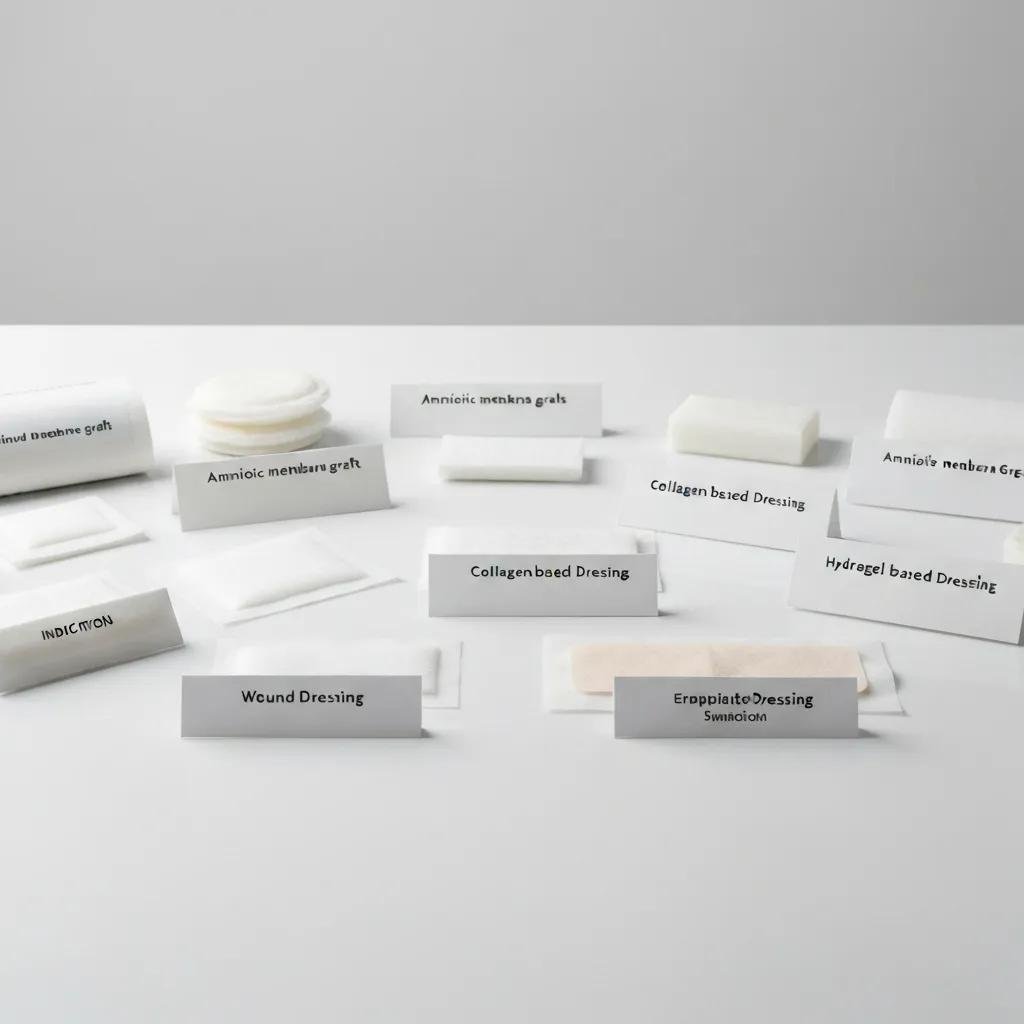
Different biologic dressings come from different sources and act in distinct ways; those differences guide clinical choices.
| Dressing Type | Source / Mechanism | Typical Patient Benefit |
|---|---|---|
| Amniotic membrane graft | Placental tissue rich in ECM and growth factors; provides anti‑inflammatory signals | Supports tissue regeneration, reduces inflammation, and encourages cell migration |
| Collagen-based dressing | Processed animal or recombinant collagen scaffold | Gives structural support for new tissue and helps manage wound drainage |
| Bioengineered skin substitute | Cellular or acellular layered constructs that mimic skin ECM | Helps restore complex tissue architecture and supports re‑epithelialization |
This side‑by‑side view helps patients and caregivers focus on the features that matter for a given wound and supports informed conversations with clinicians about options and logistics.
How Do Biologic Dressings Work to Accelerate Wound Repair?
Biologic dressings speed repair by recreating a supportive extracellular matrix that invites local cells to migrate, stick, and rebuild tissue instead of forming only scar. The scaffold guides keratinocytes and fibroblasts to restore tissue structure, while embedded growth factors help end prolonged inflammation that stalls healing. In everyday terms, patients may notice less drainage and a gradual reduction in wound size across weekly checks after a biologic is applied. These dressings also act as a protective barrier, lowering bacterial load and keeping moisture in a range that supports cell activity. That’s why biologics are commonly combined with debridement and scheduled monitoring: together they create the conditions needed for true regeneration.
What Types of Biologic Wound Dressings Does Healix360 Offer?
Healix360 Advanced Mobile Wound Care Specialists provides commonly used biologic options, including amniotic membranes and collagen‑based dressings selected to match each wound’s needs and the patient’s preferences. Amniotic membranes are often chosen for chronic wounds that need additional cellular signaling and inflammation control. Collagen dressings are helpful when a wound needs structural support to encourage granulation and manage exudate, and they work well with negative pressure therapy when indicated. Healix360 applies these therapies during in‑home visits or nearby clinic appointments so patients receive timely care and practical education without extra travel. Discussing expected application frequency and follow‑up upfront helps set realistic healing goals and improves adherence.
How Does Stem Cell Therapy Enhance Regenerative Wound Treatment?
Stem cell approaches in wound care use cells or cell‑derived signals to reduce harmful inflammation, promote new blood vessel growth, and recruit the body’s own repair cells—creating a more favorable environment for healing. These therapies act on several pathways: they release growth factors that stimulate angiogenesis, quiet chronic inflammatory signals that block repair, and help coordinate cell migration and matrix remodeling. Clinically, this can mean faster wound‑size reduction, healthier tissue quality, and sometimes fewer persistent infections when stem cell–based methods are used appropriately alongside debridement and local wound care. Responses vary by wound chronicity and overall health, so patients should expect personalized plans and realistic timelines, with regular follow‑up to guide adjustments.
What Is the Role of Stem Cells in Chronic Wound Healing?
In chronic wounds, stem cells help move the wound out of a prolonged inflammatory state and into an active repair phase. They release paracrine factors—soluble growth factors and cytokines—that recruit local progenitor cells and promote more organized collagen deposition. For someone with a chronic diabetic foot ulcer, stem cell–informed signals can lower pro‑inflammatory mediators and support the return of healthy granulation tissue when combined with blood sugar control and pressure offloading. Because chronic wounds often lack sufficient blood flow and coordinated cell signaling, stem cell therapies address these biological gaps as part of a broader, multi‑modal treatment plan rather than as a sole cure.
What Are the Benefits and Outcomes of Stem Cell-Based Wound Care?
Stem cell–based care can offer several patient‑centered benefits: quicker reductions in wound size, improved quality of the new tissue, and possible decreases in pain and infection frequency when used within an integrated care pathway. Results differ by individual factors—glycemic control, vascular status, nutrition, and wound age are all important—so stem cell treatments are most effective when combined with debridement, appropriate dressings, and consistent follow‑up. Expect repeated assessments and sometimes multiple applications; weekly monitoring helps clinicians judge response and adapt the plan as needed.
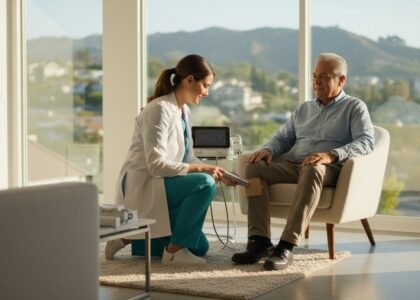
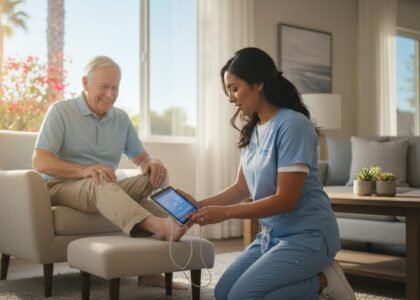
Healix360 integrates regenerative approaches into its mobile care model by combining an initial assessment, on‑site application of therapies, and planned monitoring. Mobile teams schedule weekly follow‑ups to track healing, manage dressings, and perform debridement when necessary, making sure regenerative treatments are delivered and evaluated on time. This structure supports continuity of care and reduces missed appointments—an important advantage for therapies that require sequential evaluation. Patients and caregivers gain easier access to advanced options while keeping clinical oversight close and convenient.
Why Choose Mobile Chronic Wound Care for Advanced Biologic Treatments?
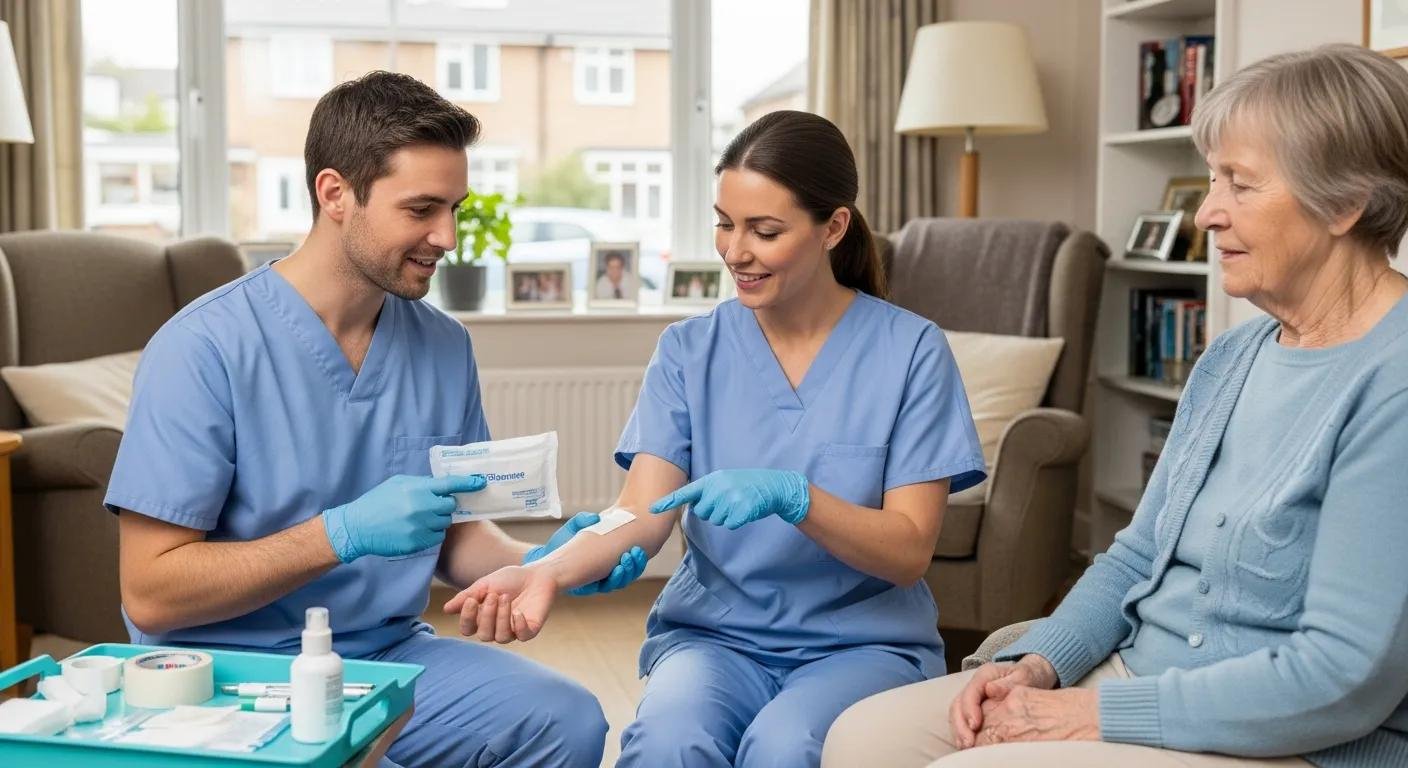
Mobile chronic wound care brings advanced biologic therapies to the patient—improving access, comfort, and adherence while enabling timely applications that influence outcomes. Delivering care at home or at a local clinic reduces transportation barriers and stress for frail patients, and lets clinicians assess the environment for factors that affect healing—such as mobility aids, offloading equipment, and caregiver availability. Regular, scheduled visits support weekly wound checks and consistent dressing management, which are critical when following regenerative protocols that depend on close monitoring. For many patients and families, mobile care turns a complex treatment plan into a manageable routine and increases the chance of sustained participation and better long‑term results.
Mobile delivery improves adherence and the patient experience in practical ways:
- Removes the need for frequent travel to specialty centers, reducing caregiver burden and missed appointments.
- Provides hands‑on education and live caregiver training during visits to reinforce home care steps.
- Lets clinicians observe and address environmental or mobility barriers that can slow healing.
Because of these advantages, mobile care is especially useful for patients with limited mobility or transportation challenges. The following sections outline what a typical mobile visit looks like and which conditions are well suited to this model.
How Does Mobile Wound Care Improve Patient Experience and Accessibility?
Mobile wound care improves experience by delivering skilled assessment, debridement, and biologic applications in a familiar setting—reducing anxiety and the logistics of travel. A typical visit includes documentation of the wound, necessary cleansing and debridement, application of the selected biologic dressing, and clear education for the patient and caregiver about signs of infection and daily care. On‑site teaching boosts caregiver confidence and helps ensure home tasks are done correctly between visits. Because mobile teams can arrange weekly follow‑ups, they keep close oversight and adjust therapy based on objective measurements and clinical response. That continuity is a key reason mobile care often improves outcomes.
What Conditions Can Be Effectively Treated with Mobile Biologic Wound Care?
Mobile biologic wound care is well suited to chronic wounds that benefit from repeated local therapy and monitoring—such as diabetic foot ulcers, venous leg ulcers, pressure injuries, selected post‑surgical wounds, and some traumatic wounds needing ongoing local support. For diabetic foot ulcers, combining debridement, offloading, and biologic dressings addresses the main barriers to healing. For venous ulcers, compression plus regenerative dressings supports venous return and tissue repair. Pressure injuries respond to pressure relief, frequent reassessment, and timely biologic support when standard measures stall. While some complex cases require facility‑based intervention, many patients achieve meaningful improvement through coordinated mobile care with specialist referrals when escalation is needed.
What Are Amniotic Membrane Grafts and Their Benefits in Wound Healing?
Amniotic membrane grafts come from placental tissue and deliver a native extracellular matrix, growth factors, and anti‑inflammatory mediators directly to the wound bed—creating a more favorable environment for tissue regeneration. They act as a biocompatible scaffold that supports cell migration and helps dial down prolonged inflammation, which is common in chronic wounds stuck in the inflammatory phase. For patients, this often means improved granulation tissue, reduced wound size over successive applications, and stronger tissue quality as healing advances. Because amniotic grafts are applied locally and can be placed during scheduled mobile visits, they fit into practical plans that include debridement, dressing changes, and weekly monitoring. Key patient‑facing benefits are summarized below.
- Less local inflammation, helping stalled wounds return to an active healing phase.
- Structural support that guides new tissue formation and cell organization.
- Compatibility with other therapies, including negative pressure wound therapy and collagen dressings when appropriate.
These advantages explain why amniotic membranes are often considered when chronic wounds don’t improve with conventional care alone.
How Do Amniotic Membrane Grafts Support Regenerative Healing?
Amniotic membranes help regeneration through extracellular matrix components and bioactive molecules that reduce inflammatory signaling and stimulate repair pathways. The membrane provides structural proteins and signaling cues that encourage angiogenesis and epithelial migration, improving conditions for organized tissue regrowth. The application is typically straightforward: the graft is placed to cover the wound and secured under an appropriate dressing, and clinicians assess response at follow‑up visits to decide whether repeat application is needed. Because amniotic grafts work best as part of a multimodal plan—paired with cleansing, debridement, and infection control—they’re usually built into a schedule of weekly assessments. Knowing the application steps and follow‑up expectations helps patients feel prepared for the process.
Is Medicare Part B Coverage Available for Amniotic Membrane Treatments?
Medicare Part B covers certain amniotic membrane grafts in wound care, but coverage depends on product classification, clinical indication, and documentation of medical necessity. While some amniotic membrane applications are recognized by Medicare Part B, eligibility and prior authorization rules vary, so verifying benefits with Medicare and the provider’s billing team is an important step. Clinicians typically document prior wound care efforts, current wound status, and the rationale for a biologic approach when submitting coverage requests. Understanding these steps helps patients and caregivers navigate financial questions without assuming universal coverage.
Which Chronic Wounds Can Advanced Biologic Wound Care Effectively Treat?
Advanced biologic wound care applies to a variety of chronic wounds that haven’t closed with standard measures—most commonly diabetic foot ulcers, venous leg ulcers, and pressure ulcers. The chosen biologic (amniotic membrane, collagen scaffold, or bioengineered substitute) depends on wound depth, infection status, blood supply, and whether structural support or signaling is the main need. Expected results vary, but many patients see measurable size reductions within weeks to months when biologics are paired with proper supportive care like offloading, compression, or repositioning. Referral is indicated for worsening infection, exposure of critical structures, or lack of progress despite optimized outpatient care; recognizing these signs ensures timely escalation. The table below links common wound types to typical regenerative options and realistic timelines.
| Wound Type | Regenerative Options | Typical Outcome / Timeline |
|---|---|---|
| Diabetic foot ulcer | Debridement + amniotic membrane or stem cell‑informed signals + offloading | Size reduction often visible within weeks; full closure commonly takes months with steady care |
| Venous leg ulcer | Compression therapy + collagen or amniotic dressings | Improved granulation and less exudate in weeks; ongoing edema control needed |
| Pressure ulcer | Pressure relief + biologic dressing + frequent repositioning | Gradual tissue recovery with close reassessment; preventing recurrence is a priority |
How Are Diabetic Foot Ulcers Treated with Regenerative Therapies?
Treatment starts with a full assessment of vascular status, infection risk, and blood sugar control, then follows staged steps such as debridement, biologic application, and offloading to remove pressure. Debridement clears non‑viable tissue so biologics can reach healthy wound beds and work effectively; offloading devices or footwear reduce mechanical stress that hinders repair. Patients typically join weekly follow‑ups where clinicians measure progress, manage dressings, and reinforce glucose and foot‑care strategies. Because systemic factors like circulation and glycemic control strongly influence outcomes, regenerative therapies are most effective when they’re part of a multidisciplinary plan addressing both local wound biology and overall health.
What Are the Treatment Options for Venous Leg Ulcers and Pressure Sores?
Venous leg ulcers heal best when compression to reduce venous hypertension is combined with biologic dressings that support tissue repair. Pressure sores need consistent pressure relief, skin protection, and timely regenerative support when tissue fails to improve. Compression reduces edema and improves venous return so collagen or amniotic dressings can promote organized granulation and re‑epithelialization. For pressure injuries, frequent repositioning, the right mattress or cushions, and caregiver‑led skin checks cut recurrence risk, while biologics can be applied to persistent areas to stimulate repair. Good home care—skin hygiene, nutrition, and mobility support—complements in‑person regenerative treatment, and clinicians will escalate to facility care if deep infection or instability appears.
How Can Patients and Caregivers Navigate the Advanced Biologic Wound Care Journey?
A clear, step‑by‑step care plan helps patients and caregivers move from the initial assessment through repeated treatment cycles, focusing on what happens at each visit and how to support healing at home. The process begins with a thorough evaluation that records wound size, tissue type, and contributing medical factors, then moves to an individualized plan that may include debridement, biologic dressing application, and weekly follow‑ups. Regular monitoring allows clinicians to adjust therapies, catch complications early, and coordinate with other providers for systemic optimization. Giving caregivers concrete tasks—dressing changes, observation checklists, and guidance on nutrition and mobility—reduces anxiety and improves adherence, which supports better outcomes.
The simple week‑by‑week care plan below shows what clinicians do and what patients should do at each stage.
| Phase | Step in Journey | What to Expect / Patient Action |
|---|---|---|
| Week 0 | Initial assessment and plan | Specialist documents the wound, performs debridement if needed, and applies the first biologic dressing; patient reviews home‑care instructions |
| Weeks 1–4 | Weekly follow‑ups and dressing management | Clinician checks progress, replaces dressings, and adjusts therapy; patient follows daily hygiene steps and reports any changes |
| Weeks 5+ | Response evaluation and long‑term plan | Treatment is adjusted as needed, ongoing risk‑reduction measures are emphasized, and caregiver continues observation and support |
What Should Patients Expect During Mobile Biologic Wound Care?
On a mobile biologic wound care visit, expect a focused sequence: a documented assessment, wound cleansing and debridement if indicated, application of the chosen biologic dressing, and clear education on home care and follow‑up. The specialist will record wound measurements and photos when helpful, explain why a particular biologic was chosen, and review signs that require urgent contact—such as increased pain, fever, or sudden worsening in appearance. Visits often follow a weekly cadence during active regenerative phases so clinicians can objectively track progress and reapply therapies if needed. Knowing the visit flow ahead of time helps patients plan and ensures caregivers can learn dressing techniques and emergency cues.
How Can Caregivers Support Wound Healing at Home?
Caregivers play an important role by doing assigned dressing changes carefully, keeping the wound area clean, supporting good nutrition and hydration, and helping with mobility or offloading as recommended. A caregiver checklist should include daily inspection for new redness, swelling, odor, or drainage; gentle cleansing as instructed; and prompt communication with the care team if concerning signs appear. Helping with blood sugar control, encouraging protein‑rich meals, and avoiding pressure on vulnerable areas all help speed healing. Regular communication with clinicians—sharing photos or reporting changes between visits—lets caregivers act early and keep care consistent.
- Daily Inspection: Check for increased redness, new drainage, or unusual odor and report these promptly.
- Dressing Care: Follow clinician instructions on timing and technique for safe dressing changes.
- Nutrition & Mobility Support: Encourage meals that support tissue repair and help use devices that reduce pressure.
Healing depends on steady monitoring, early problem detection, and close teamwork among patients, caregivers, and clinicians throughout the regenerative treatment course.
Frequently Asked Questions
What is the typical duration of treatment for chronic wounds using biologic therapies?
Treatment length varies by wound type, overall health, and how closely the care plan is followed. Many patients notice measurable improvement within a few weeks, but full healing often takes several months of consistent care. For example, diabetic foot ulcers frequently show size reduction in weeks, while complete closure can require months with regular follow‑ups and adjustments.
Are there any risks or side effects associated with biologic wound care treatments?
Biologic wound care is generally safe, but risks exist—such as allergic reactions, infection at the application site, or complications related to underlying conditions. Some patients may feel local discomfort or see increased drainage early as the wound responds. It’s important to report any unusual symptoms to your provider right away so problems can be managed quickly and the healing environment preserved.
How can patients prepare for their mobile wound care visits?
Prepare by making the treatment area accessible and clean, having a list of questions ready, and noting any changes in the wound (more pain, new drainage, etc.). Be ready to share current medications and provide updates on overall health. This preparation helps the clinician make the most of the visit and addresses the issues that matter to you.
What role do caregivers play in the success of biologic wound care?
Caregivers are central to success—handling dressing changes, maintaining hygiene, watching for infection signs, and supporting diet and mobility recommendations. Clear, timely communication with the care team lets caregivers provide useful observations and helps ensure interventions happen sooner when needed.
Can biologic wound care be combined with other treatments?
Yes. Biologic wound care is often combined with debridement, compression therapy, offloading, and other measures to address the underlying problems that block healing. This multimodal approach creates a comprehensive plan tailored to the patient’s needs and improves the chance of successful closure while reducing complications.
How do patients know if their biologic treatment is working?
Effectiveness is assessed during regular follow‑ups where clinicians measure wound size, evaluate tissue quality, and review overall progress. Positive signs include less pain, reduced drainage, and visible healthy granulation tissue. Patients should report symptom changes between visits so the care plan can be adjusted promptly if needed.
Conclusion
Advanced biologic wound care can significantly improve healing by combining innovative therapies with practical, patient‑centered planning. When delivered through a coordinated mobile model, these treatments become more accessible and easier to follow for patients and caregivers. If you’d like to learn how mobile regenerative care could fit your situation, reach out to our specialists for personalized guidance. Let us help you explore options and create a clear plan for recovery.