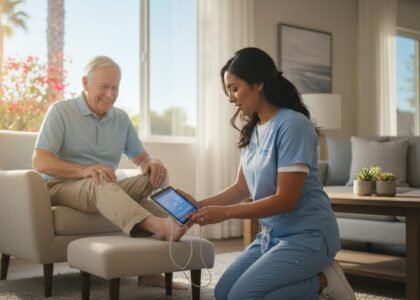


Expert Wound Care at Home
Advanced mobile wound care delivers specialist wound management and regenerative therapies right to a patient’s home. That means easier access, more comfort, and focused treatments designed to speed healing while lowering complications. This guide explains what mobile advanced wound care looks like, how regenerative approaches (for example, stem‑cell–derived biologics and amniotic membrane grafts) support repair, and why in‑home services matter for chronic wounds such as diabetic foot ulcers and pressure injuries. You’ll learn which wounds are good candidates for home treatment, what to expect at the first visit and during weekly follow‑ups, and how insurance— including Medicare Part B in some cases—may apply. We also include practical caregiver steps, clear treatment comparisons, and simple scheduling tips so families can make informed choices and reduce risk. The sections that follow define the care model, list treatable wound types and home pathways, compare regenerative options, walk through scheduling and follow‑up, outline likely coverage, and provide caregiver tools and checklists.
What Is Advanced Mobile Wound Care and How Does It Work?
Advanced mobile wound care is a coordinated care model that brings skilled assessment, debridement, advanced dressings, negative‑pressure therapy, and regenerative biologics into the home. The approach focuses on targeted, local therapy: clinicians remove nonviable tissue, manage infection and moisture, and apply dressings or biologic scaffolds that deliver growth factors and structural support to encourage tissue regrowth. Providing these services at home removes transportation barriers, preserves continuity with weekly monitoring, and lets clinicians adjust treatment quickly based on objective progress. Seeing these steps together explains why mobile delivery is especially valuable for patients with limited mobility or elevated infection risk, and sets the background for the regenerative details that follow.
What Are the Benefits of Mobile Wound Care Services Near Me?
Mobile wound care brings treatment to the patient, cutting the need for travel and reducing exposure to facility‑acquired infections. Regular in‑home visits let clinicians closely track wound size, drainage, and infection signs so they can debride, change dressings, or escalate care faster—actions that support healing. Patients also tend to be more comfortable and adherent when pain management, offloading, and education happen in familiar surroundings, which often lowers readmission risk. These advantages matter most for people with mobility limits or complex social needs and provide a practical foundation for adding regenerative therapies when appropriate.
- Eliminates or reduces transportation burdens for patients with limited mobility.
- Consistent in‑home measurements and photo tracking speed clinical decision‑making.
- Personalized education at home improves adherence and lowers complication risk.
These practical benefits make mobile care a strong alternative to clinic visits; the next section explains how regenerative medicine builds on that foundation to improve biological healing.
How Does Regenerative Medicine Enhance Chronic Wound Healing?
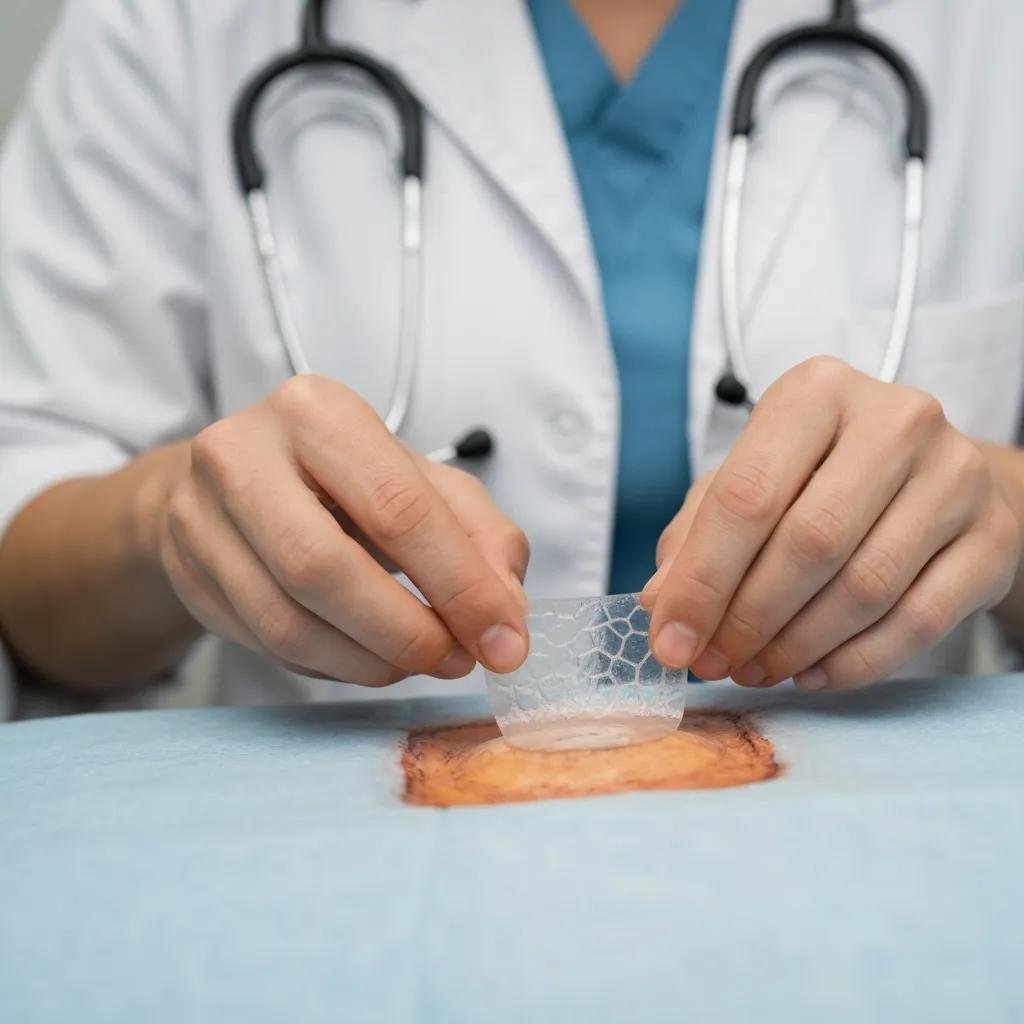
Regenerative wound therapies introduce biologic materials or cell‑derived factors that help shift a chronic wound from inflammation toward repair. These products can modulate inflammation, supply growth factors, and create a scaffold for new tissue. For example, cell‑derived products and tissue allografts may reduce persistent inflammation, stimulate granulation tissue, and close wounds that aren’t responding to standard dressings. By restoring a more favorable microenvironment, these therapies can shorten healing times and reduce the need for more invasive procedures. Understanding these mechanisms helps set realistic expectations for recovery.
Which Chronic Wounds Can Be Treated with In‑Home Advanced Wound Care?
Mobile advanced wound care can treat many chronic wounds by adapting evaluation and treatment to the home. Clinicians assess vascular circulation, neuropathy, and infection risk to guide interventions such as debridement, compression for venous disease, offloading for diabetic foot ulcers, and biologic dressings or NPWT when indicated. Weekly follow‑up and rapid therapy adjustments based on objective measurements help prevent decline and hospitalization. Below are common wound types and the typical in‑home approaches that clarify when mobile care is appropriate.
How Is Diabetic Foot Ulcer Home Care Delivered?
Home management of diabetic foot ulcers starts with a full assessment of blood flow and neuropathy to judge healing potential and immediate risk. Typical care includes careful debridement, moisture‑managed dressings, offloading strategies to remove pressure, and consideration of regenerative products when granulation is poor. Coordination with primary care or endocrinology for glycemic control is part of the plan, while frequent in‑home visits let clinicians monitor size, depth, and infection signs and escalate care if needed. These steps create a practical, home‑based protocol that pairs local wound care with system‑level risk reduction.
What Are Effective Pressure Sore Treatments at Home?
Pressure injury care at home focuses on redistributing pressure, staged wound treatment, and timely removal of necrotic tissue. Plans typically include scheduled repositioning, pressure‑relief cushions or support surfaces, selective debridement, and advanced dressings or negative‑pressure therapy when clinically appropriate to control exudate and promote granulation. Prevention—regular skin checks, nutrition optimization, and mobility support—is integrated with treatment to reduce recurrence. When combined with specialist follow‑up, this approach preserves skin integrity and shortens time to closure.
| Wound Type | Common causes / risks | Typical in‑home interventions |
|---|---|---|
| Diabetic foot ulcers | Neuropathy, poor perfusion, uncontrolled glucose | Vascular assessment, debridement, offloading, biologic grafts |
| Pressure ulcers (bed sores) | Prolonged pressure, immobility, moisture | Repositioning, pressure‑relieving surfaces, NPWT, debridement |
| Venous leg ulcers | Venous insufficiency, edema, skin changes | Compression therapy, dressings, debridement, activity guidance |
| Surgical wound complications | Poor closure, infection, ischemia | Wound assessment, dressing changes, infection control, grafts |
This table highlights which wounds commonly qualify for home advanced care and the interventions clinicians use to address underlying causes and support healing.
What Regenerative Wound Therapy Options Are Available Near Me?
Common regenerative options offered through mobile wound care include stem‑cell–derived biologics, amniotic membrane allografts, and advanced biologic dressings that deliver growth factors and extracellular matrix components. These therapies are intended for chronic wounds that haven’t healed with standard care; they help shift the wound environment toward tissue regeneration rather than persistent inflammation. Safety, indications, and timelines vary by product and patient condition, so clinicians select therapies based on wound type, infection status, and overall health. The sections below explain stem‑cell approaches and amniotic grafts in plain terms and include a concise comparison of typical regenerative options.
How Does Stem Cell Therapy Promote Wound Healing?
Stem‑cell–based therapies support repair mainly through signaling: they release molecules that reduce inflammation, stimulate new blood vessel growth, and recruit the body’s own repair cells. Not all products contain live cells—many use cell‑derived factors that have similar modulatory effects without requiring cell survival in the wound. Clinicians apply these products after proper wound preparation—usually debridement and infection control—to maximize contact with the tissue. For chronic, nonhealing ulcers, stem‑cell–derived options can create conditions that favor granulation and epithelialization.
What Are the Benefits and Process of Amniotic Membrane Grafts?
Amniotic membrane grafts act as biologic dressings that combine a physical scaffold with native growth factors and anti‑inflammatory proteins to support tissue regeneration. After wound bed preparation and debridement, the graft is placed over the wound and covered with an appropriate dressing; follow‑up visits check graft integration and wound progress. Patients often see reduced inflammation, protected wound surfaces, and a scaffold for new tissue—frequently shortening time to closure when used correctly. Because some regenerative products may qualify for reimbursement, confirm coverage during treatment planning.
Different regenerative options work by distinct mechanisms and on different timelines; clinicians weigh those differences when building individualized plans.
| Therapy | How it works | Typical benefit / timeline |
|---|---|---|
| Stem cell–derived biologics | Deliver growth factors and immunomodulatory signals | Promotes angiogenesis and granulation; weeks to months for measurable improvement |
| Amniotic membrane grafts | Provide scaffold, growth factors, and anti‑inflammatory proteins | Often speeds granulation and reduces inflammation; weeks to closure with proper care |
| Biologic dressings | Synthetic or biologic matrices that protect and support tissue | Protects wound bed and supports cell ingrowth; timeline varies with wound chronicity |
This comparison gives patients and caregivers a clear view of mechanisms and expected timelines for common regenerative choices.
Schedule In-Home Advanced Wound Care Services Near You
To schedule mobile wound care, start by finding providers who offer in‑home advanced wound management and gathering intake details: recent wound history, current medications, mobility status, and insurance information. When you call, have documentation of prior treatments, recent wound photos or measurements if available, and a description of any home‑environment needs. The first visit typically includes history, vascular and infection assessment, wound measurement and photography, and an individualized treatment plan that may begin with debridement, dressing changes, NPWT setup, or regenerative therapy. Use the short checklist below to prepare for scheduling and the first visit.
- Collect wound history, medication list, and insurance details before contacting a provider.
- Describe mobility and home environment needs so the team brings appropriate resources.
- Expect a first visit with measurement, photos, and an immediate, personalized treatment plan.
- Plan for weekly in‑home follow‑ups and telehealth check‑ins to monitor healing and adjust care.
This stepwise approach helps patients and caregivers have a smooth first visit and consistent ongoing care—key factors for good outcomes.
Healix360 Advanced Mobile Wound Care Specialists follows a patient‑first scheduling and care model to connect patients with a vetted network of regenerative wound physicians. Our process emphasizes clear education, weekly follow‑ups, and in‑home coordination so treatment plans are practical and family centered. For people exploring mobile regenerative care, working with a team focused on in‑home delivery and coordinated specialist access can lower logistical barriers and improve adherence. That streamlined scheduling and patient‑first coordination help move patients from evaluation to active treatment efficiently.
What Should Patients Expect During Their First Mobile Wound Care Visit?
At the first visit clinicians complete a focused history and physical that emphasizes vascular status, neuropathy, and infection signs to determine safe and effective therapies. The wound will be measured, photographed, and often debrided if nonviable tissue is present before applying advanced dressings or biologic grafts; cultures or labs may be ordered if infection is suspected. The clinician will explain the treatment plan, expected timeline, and follow‑up schedule, obtain informed consent for procedures, and arrange referrals if needed. This visit establishes a baseline for objective tracking and clarifies when escalation—such as facility‑based care—is necessary.
How Are Follow‑Ups and Ongoing Care Managed at Home?
Follow‑up visits are usually weekly to document progress, change dressings, and adjust therapy using standardized measurements and photos. Telehealth check‑ins can supplement in‑person visits for quick questions or to triage early complications, reducing unnecessary travel. Clinicians use clear escalation criteria—such as rising pain, spreading redness, or systemic infection signs—that trigger urgent reassessment. This predictable cadence supports continuity of care, documentation for insurance, and helps caregivers anticipate next steps in the healing journey.
What Financial Support and Insurance Coverage Are Available for Advanced Wound Care?
Cost is a common concern for advanced and regenerative wound therapies. Some treatments may be covered by Medicare Part B or private insurers when documented as medically necessary. Coverage typically depends on thorough wound assessments, physician orders, and correct billing codes; prior authorization is sometimes required for specific biologic grafts or devices. Choosing in‑home care can also reduce indirect costs like transportation and the financial impact of hospitalizations for wound complications. The table below summarizes common services, typical coverage trends, and patient cost considerations to guide verification steps.
| Service / Procedure | Coverage (e.g., Medicare Part B) | Patient cost considerations |
|---|---|---|
| Amniotic membrane grafts | May be covered when medically necessary and properly coded | Confirm prior authorization and provider billing practices |
| Negative pressure wound therapy (NPWT) | Often covered with documented need and device justification | Rental or supply costs may apply; verify duration of coverage |
| Debridement and dressing changes | Frequently covered as medically necessary services | Out‑of‑pocket costs vary with provider billing and visit frequency |
Always contact your provider to confirm billing codes and verify coverage before starting costly regenerative procedures. Doing this ahead of time helps families plan and reduces surprises.
How Does Medicare Part B Cover Mobile Regenerative Wound Treatments?
Medicare Part B may cover certain regenerative products and outpatient wound services when a clinician documents medical necessity and files the correct billing codes; coverage varies by product and clinical indication. To confirm eligibility, patients should request the provider’s billing codes, ask whether prior authorization is required, and contact Medicare or their insurer to verify coverage for the specific procedure or graft. Providers experienced with Medicare commonly assist with verification and submission of supporting documentation to reduce uncertainty and help with realistic cost planning.
What Are the Cost Benefits of Choosing In‑Home Wound Care?
In‑home advanced wound care can lower total costs by reducing transportation, cutting down missed appointments, and preventing expensive hospital admissions for wound complications. Mobile care supports earlier intervention and steady therapy adjustments, which often shorten healing times and reduce the need for high‑cost procedures. Nonfinancial benefits—less disruption to family life and greater patient comfort—also improve adherence and outcomes. Weighing direct and indirect savings helps families assess the value of mobile care versus clinic‑based options.
- Reduces transportation and caregiver time costs.
- Early, in‑home intervention can prevent hospital admissions and higher acute‑care expenses.
- Consistent weekly management improves adherence and shortens overall treatment duration.
These factors explain why mobile models can be clinically effective and cost‑sensible.
How Can Caregivers Support Patients Receiving Mobile Advanced Wound Care?
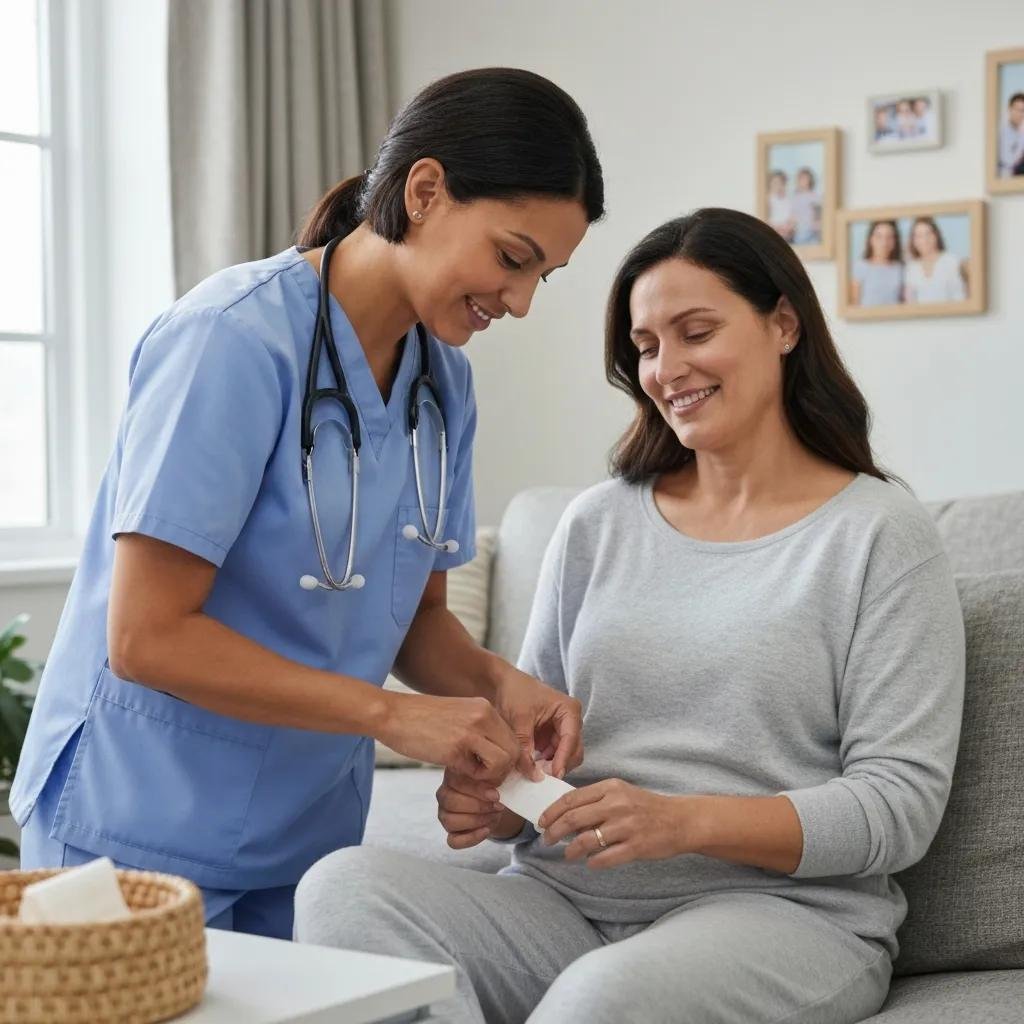
Caregivers are essential to successful home wound care. Effective support includes daily dressing checks, following clinician dressing schedules, and watching for infection signs that need escalation. Practical caregiver tasks include organizing supplies, keeping appointment records and wound photos, ensuring offloading devices or pressure‑relief surfaces are used correctly, and reporting changes promptly to the care team. Emotional support and routines that emphasize nutrition, hydration, and safe mobility also boost healing. Use the checklist below to align daily care with the clinician’s plan.
- Keep a daily wound log noting appearance, drainage, and pain levels.
- Follow dressing‑change instructions exactly and track supplies.
- Watch for infection signs—redness, rising pain, odor, or fever—and contact the clinician promptly.
- Apply pressure‑relief strategies, assist with offloading devices, and support nutritional needs.
These steps help caregivers spot problems early and keep care consistent with the clinical team, reducing the chance of urgent complications.
What Practical Tips Help Manage Chronic Wounds at Home?
Good home care focuses on a clean wound environment, protection from pressure and excess moisture, and supporting nutrition and movement to aid repair. Use clean, prepackaged dressings as instructed, change them on the clinician’s schedule, and monitor for increasing drainage, new pain, or redness that could indicate infection. Encourage protein‑rich meals, adequate fluids, and gentle activity as tolerated to improve circulation and tissue repair, while avoiding pressure on vulnerable areas. These everyday measures, paired with scheduled specialist visits, create a dependable framework for healing progress.
How Does Healix360 Support Caregivers Throughout the Healing Process?
Healix360 Advanced Mobile Wound Care Specialists offers caregiver‑focused education and clear guidance to help families navigate each treatment stage without extra stress. Our model connects patients with a vetted network of regenerative wound physicians and prioritizes scheduling support, plain‑spoken communication, and weekly follow‑ups. By delivering advanced therapies in the home and providing structured caregiver guidance, Healix360 reduces travel burden and helps families implement care plans reliably—improving safety, comfort, and outcomes over the healing timeline.
- Healix360 emphasizes caregiver education and straightforward communication.
- Mobile delivery reduces transport needs and simplifies coordination.
- Weekly follow‑ups and specialist access help caregivers feel supported and informed.
These supports make advanced home wound care manageable and effective for families.
Frequently Asked Questions
What qualifications should I look for in a mobile wound care provider?
Look for clinicians with wound‑care certification, experience treating chronic wounds, and familiarity with regenerative therapies. A multidisciplinary team—nurses, physicians, and wound specialists—adds depth of expertise. Check patient reviews, outcomes when available, and whether the provider accepts your insurance. These factors help ensure safe, effective care.
How often will I need follow‑up visits for mobile wound care?
Follow‑ups are typically weekly to monitor progress, change dressings, and adjust treatment. Frequency may change based on wound condition, overall health, and the chosen therapy. Telehealth check‑ins can supplement in‑person visits for quick checks or concerns. Regular follow‑up is key to avoiding complications.
Can I receive mobile wound care if I live in a rural area?
Many mobile wound care teams serve rural communities and travel to patients’ homes. Service areas vary, so contact local providers to confirm availability. Telehealth may also be used to support care and follow‑up where travel is limited.
What should I prepare before my first mobile wound care visit?
Before the first visit gather your medical history, current medications, and any prior wound treatments. If possible, have recent wound photos or measurements. Be ready to describe mobility and home‑environment needs—this helps the clinician plan the visit efficiently and tailor the treatment.
Are there any risks associated with mobile wound care treatments?
Mobile wound care is generally safe but carries potential risks like infection, allergic reactions to dressings or biologics, and complications related to existing health conditions. Openly share your health history with the clinician and attend regular follow‑ups so any concerns are addressed promptly. Report unusual symptoms right away to reduce risk.
How can I support my loved one during their mobile wound care treatment?
Be actively involved: help keep a daily wound log, assist with dressing changes when instructed, and monitor for infection signs. Encourage recommended nutrition and hydration, and provide emotional support. Clear communication with the care team enhances your ability to help and improves recovery.
Conclusion
Advanced mobile wound care brings specialist, personalized treatment into the home—combining hands‑on management with regenerative options to speed healing and reduce complications. For many patients and families, in‑home care is both convenient and clinically effective. If a loved one has a chronic wound, consider local mobile wound care providers to explore tailored treatment plans. Contact a specialized team today to start the evaluation and take the first step toward safer, faster healing.