
Advanced Wound Clinic Services — Mobile and Regenerative Care for Chronic Wounds
Chronic wounds benefit from coordinated, evidence-based care that supports tissue repair while minimizing infection, pain, and loss of function. This article outlines our advanced wound clinic services with a mobile-first emphasis, and it reviews regenerative options, what to expect during visits, and how caregivers can help. You’ll learn how mobile wound care works, how regenerative treatments — like amniotic membrane grafts and stem cell–based products — support healing, which conditions are commonly treated, and which technologies and safety steps specialists use. Our goal is to demystify therapies such as negative pressure wound therapy, debridement, and biologic dressings, and to give clear, practical guidance on scheduling, follow-up cadence, and home monitoring. Throughout, we focus on concrete steps, realistic timelines, and how consistent, personalized care reduces complications and improves comfort. The article concludes with caregiver checklists and simple communication templates to help families track progress and know when to escalate concerns.
What Are Advanced Mobile Wound Care Services and Their Benefits?
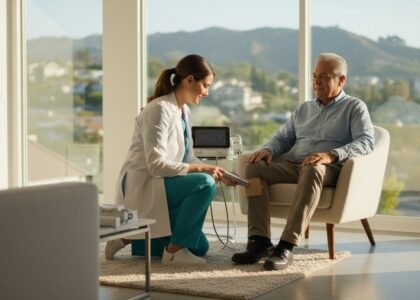
Advanced mobile wound care brings specialized assessment and treatment directly to the patient’s home to preserve continuity and lower barriers to access. By combining careful wound evaluation, targeted therapies, and hands-on education in a familiar environment, mobile care improves comfort and adherence. It reduces travel-related strain for patients with limited mobility, minimizes exposure to outside infections, and enables more frequent follow-up by meeting patients where they live. Knowing these advantages clarifies why mobile wound care is often the better option for people who struggle with clinic visits and why close monitoring is essential.
Mobile wound care enhances convenience and comfort in several specific ways:
- Less travel and fewer appointments for patients with limited mobility.
- Regular monitoring that identifies changes early and prevents escalation.
- Care in a familiar setting that supports adherence to dressing and offloading plans.
These practical benefits show how a mobile-first model preserves function and supports limb salvage by providing ongoing attention and timely interventions. Next, we describe what patients should expect during an in-home visit.
How Does Mobile Wound Care Improve Convenience and Patient Comfort?
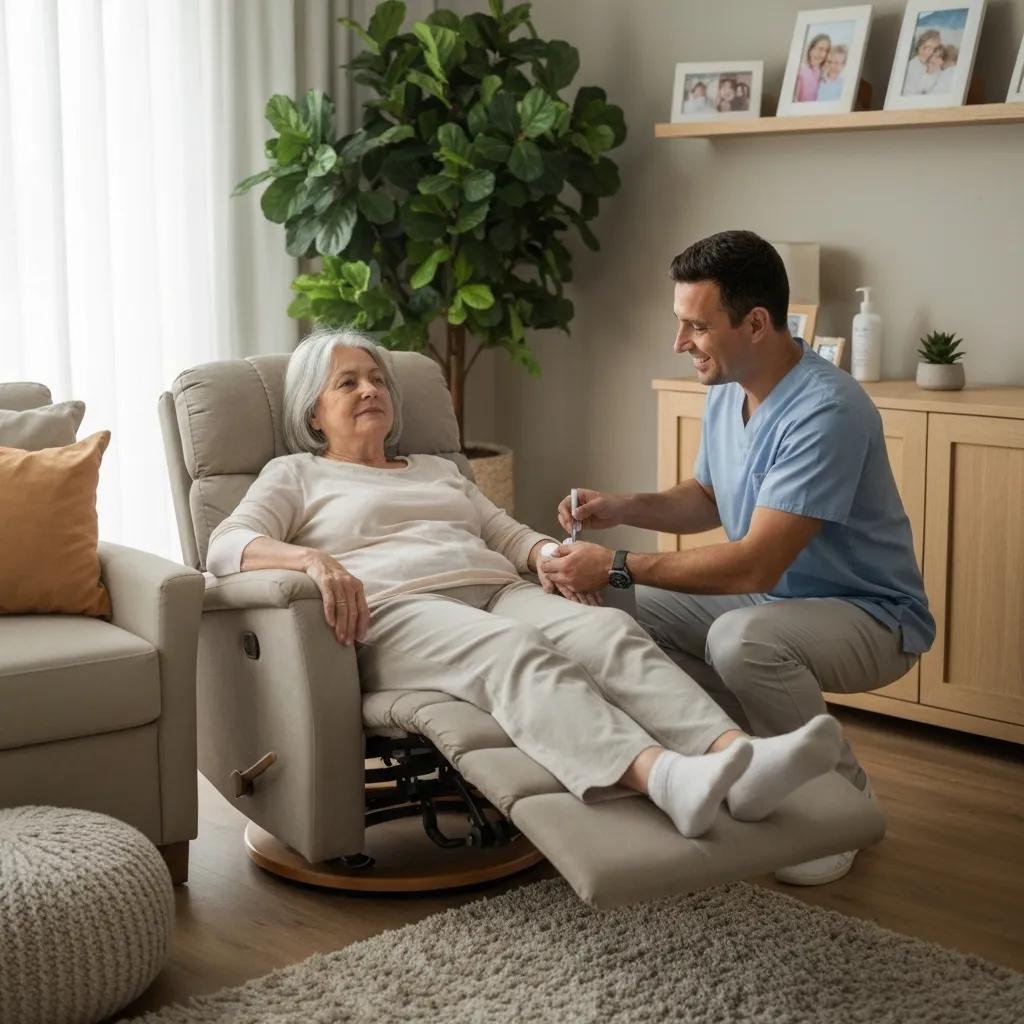
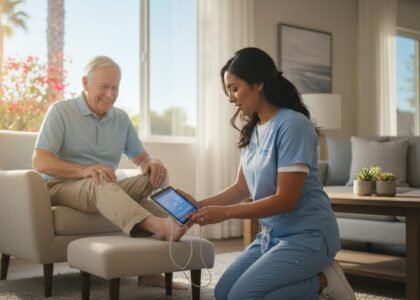
Delivering assessment and treatment at home reduces anxiety and exposure to unfamiliar clinical settings. Visits usually start with a focused history, wound measurement, and pain assessment, followed by targeted care such as dressing changes, debridement when indicated, and step-by-step education for the patient and caregiver. The familiar environment often makes it easier to implement offloading and compression strategies, and it lets clinicians observe home factors that affect healing — including bedding, footwear, or mobility aids. Seeing these details helps the team create realistic, personalized plans that patients and caregivers can follow between visits and sets clear expectations for follow-up.
A little preparation before a visit helps the appointment run smoothly and supports a thorough assessment. Clinicians use what they learn about daily routines and equipment to make practical treatment recommendations, which leads into the typical visit flow patients can expect.
What Should Patients Expect During Mobile Wound Care Visits?
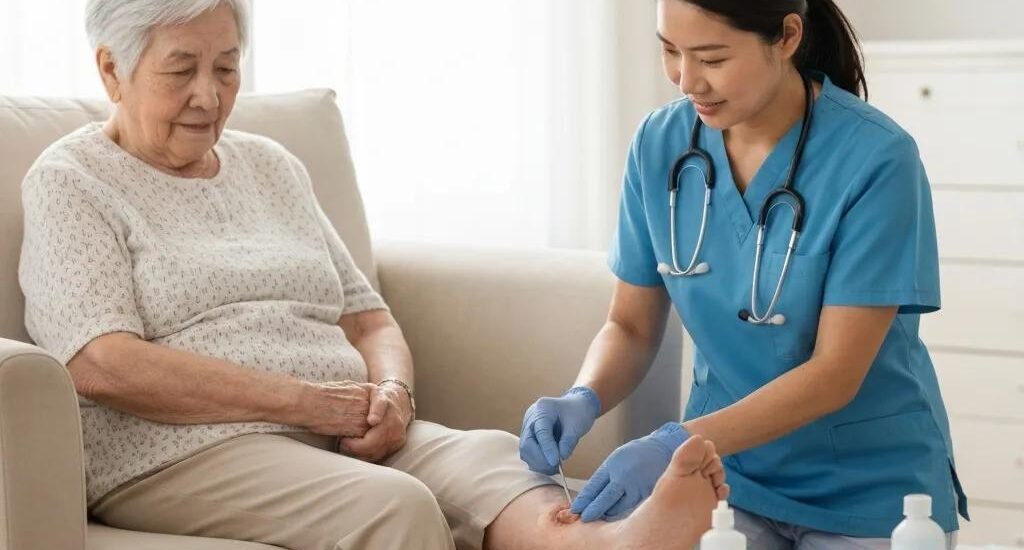
A typical mobile wound visit follows a structured sequence: check-in and history, wound measurement and documentation, assessment of perfusion/drainage/signs of infection, and then a selected treatment. That treatment might include cleaning, debridement, application of a biologic dressing, or starting/adjusting negative pressure therapy. Clinicians explain the plan in plain language, demonstrate home-care tasks for caregivers, and document findings to ensure continuity. Follow-up is scheduled based on clinical need — often weekly — and patients leave with clear home-care instructions and criteria for urgent contact if things worsen. This prepares households for safe, effective day-to-day management.
To speed assessment and personalize the plan, patients are encouraged to have a clean surface for treatment, a current medication list, and recent glucose or vascular notes if available.
How Does Regenerative Wound Therapy Accelerate Healing?
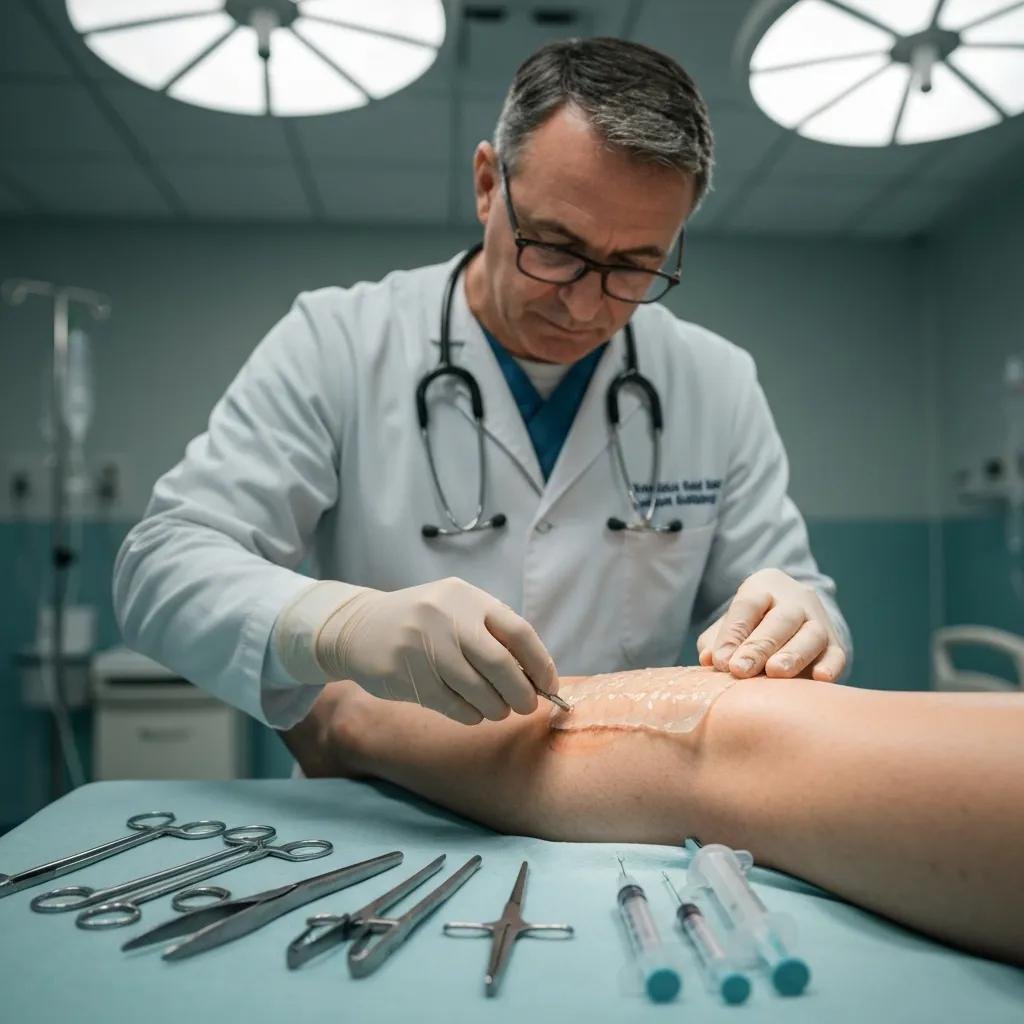
Regenerative wound therapy uses biologic materials and cell-based approaches to support tissue repair by delivering growth factors, reducing inflammation, and providing a scaffold for new tissue. These treatments signal existing cells to migrate, proliferate, and remodel tissue, complementing standard measures such as infection control and offloading. Common regenerative options for chronic wounds include amniotic membrane grafts and stem cell–based products; both modify the wound environment to favor repair over prolonged inflammation. Understanding how they work helps set realistic expectations for timelines and follow-up.
Regenerative therapies support healing through several key mechanisms:
- Delivering growth factors that stimulate cell activity and matrix formation.
- Modulating inflammation to shift a chronic wound toward repair.
- Providing structural scaffolds that support tissue organization and cell migration.
These mechanisms explain why regenerative options are considered when conventional care stalls, and they help shape follow-up cadence and monitoring for treated wounds.
What Are Amniotic Membrane Grafts and Their Role in Wound Healing?
Amniotic membrane grafts are biologic dressings derived from placental tissues; they bring growth factors, anti-inflammatory molecules, and a collagen scaffold that supports repair. Clinically, grafts are applied to a clean wound bed after appropriate debridement and secured with dressings while they integrate and modulate the local environment. In a mobile setting, safe handling, proper wound preparation, and scheduled reassessment are essential to monitor integration and check for infection or excess drainage. Some amniotic products may be covered under Medicare Part B for eligible patients, which can affect planning and access.
Because grafts influence the wound environment rather than guaranteeing immediate closure, clinicians often combine them with offloading, compression, or NPWT when indicated and schedule follow-up visits to confirm gradual improvement and adjust the plan as needed.
How Does Stem Cell Therapy Work for Chronic Wounds?
Stem cell–based therapies support healing by releasing signaling molecules that promote angiogenesis, recruit reparative cells, and reduce harmful inflammation in chronic wound beds. They act as biologic catalysts that enhance the body’s repair processes, and are typically used when wounds have stalled despite standard care. Clinicians select stem cell products based on wound characteristics and patient factors, and they set expectations that improvement is incremental over weeks rather than immediate closure. Follow-up after stem cell therapy usually includes scheduled wound assessments, dressing management, and coordination with other providers to address systemic factors like glucose control or venous insufficiency.
Because stem cell treatments are part of a comprehensive plan, they are combined with other mobile-care interventions and monitored closely to ensure the wound environment becomes progressively more favorable for regeneration.
| Regenerative Option | Mechanism | Common Indications | Coverage & Follow-up |
|---|---|---|---|
| Amniotic membrane grafts | Provide growth factors and collagen scaffold; anti-inflammatory effects | Non-healing diabetic foot ulcers, venous ulcers, surgical wounds | May have Medicare Part B coverage for eligible cases; follow-up weekly to biweekly |
| Stem cell-based products | Release signaling molecules to promote angiogenesis and recruit reparative cells | Chronic wounds with poor granulation or stalled healing | Coverage varies; typical follow-up weekly with documented wound measurements |
| Biologic dressings (general) | Deliver proteins and matrix components to support cell migration | Shallow to moderate chronic wounds needing a biologic scaffold | Clinicians schedule reassessment based on dressing integration (weekly) |
Which Chronic Wound Conditions Are Treated by Advanced Wound Clinics?
Advanced wound clinics treat a broad range of chronic wounds, tailoring interventions to the underlying cause and the patient’s overall health. Common conditions include diabetic foot ulcers, venous leg ulcers, pressure injuries, and non-healing surgical or traumatic wounds. Treatment choice depends on factors such as perfusion, neuropathy, venous reflux, and mobility; mobile teams adapt interventions — including offloading, compression, debridement, and regenerative therapies — to each patient. If wounds show systemic infection, worsening perfusion, or exposed deep structures, we escalate care to clinic-based procedures or hospital-level treatment promptly.
To help clinicians and caregivers compare conditions quickly, the table below summarizes causes, risk factors, and typical mobile treatment options for major chronic wound types.
| Condition | Common causes / risk factors | Mobile treatment options & expected monitoring |
|---|---|---|
| Diabetic foot ulcer | Neuropathy, impaired perfusion, uncontrolled glucose | Offloading, sharp debridement, topical biologics, weekly monitoring and coordination with glucose management |
| Venous leg ulcer | Venous hypertension, prior DVT, edema | Compression therapy, wound dressings, debridement as needed; weekly checks and compression adherence monitoring |
| Pressure sore (pressure injury) | Immobility, shear, moisture | Pressure redistribution, mattress/positioning adjustments, staged debridement and barrier dressings; frequent home reassessment |
| Non-healing surgical/traumatic wound | Poor vascularity, infection, tissue loss | Targeted debridement, biologic scaffolds, NPWT when indicated; close follow-up with provider communication |
How Is Diabetic Foot Ulcer Treatment Delivered at Home?
At home, diabetic foot ulcer care centers on assessing neuropathy, perfusion, and infection risk while coordinating metabolic control. Clinicians take regular wound measurements, perform sensory testing when possible, and assess circulation to guide safe debridement and offloading choices. Offloading devices or specialized footwear recommendations are integrated into the home plan, and regenerative options are considered when standard measures don’t produce steady progress. Weekly reassessments with clear documentation help clinicians spot early changes and arrange faster interventions or vascular referral if perfusion is inadequate.
Because glucose control directly affects healing, mobile providers coordinate with primary teams to align wound care with metabolic management, addressing both local and systemic drivers of non-healing wounds.
What Mobile Care Options Exist for Pressure Sores and Venous Leg Ulcers?
Pressure injury care emphasizes pressure redistribution, moisture management, and staged debridement tailored to wound depth and patient tolerance. Mobile clinicians review caregiving routines and recommend mattress or cushion changes, repositioning schedules, and topical barrier products to protect surrounding skin. Venous leg ulcer strategies focus on effective compression, elevation, and edema control alongside wound bed care and selective use of regenerative materials when indicated. Contraindications — for example, significant arterial disease that precludes compression — are screened for during home visits to avoid harm and determine the right therapy level.
Combining pressure relief or compression with biologic dressings and caregiver education supports sustained improvement and reduces recurrence, while regular home monitoring keeps the plan safe and effective.
What Advanced Wound Healing Technologies Are Used in Mobile Care?
Mobile wound care brings many of the same advanced technologies used in clinic programs into the home, adapted for safe in-home delivery. Core tools include negative pressure wound therapy (NPWT), a range of debridement techniques, and biologic dressings such as amniotic grafts and other tissue-supportive products. Each technology targets a specific aspect of wound biology: NPWT manages exudate and promotes granulation, debridement removes barriers to healing, and biologic dressings provide matrix and signaling molecules. Understanding these tools helps patients and caregivers take an active role in care decisions and recognize the importance of follow-up and device management at home.
The table below compares common mobile technologies by mechanism, typical use-case, and expected effect on the healing timeline.
| Technology | Mechanism | Typical use-case | Expected effect on healing timeline |
|---|---|---|---|
| Negative pressure wound therapy (NPWT) | Removes excess fluid, applies microdeformation to wound bed | Deep or highly exudative wounds needing accelerated granulation | Often shortens time to granulation when combined with debridement; monitored regularly |
| Biologic dressings (e.g., amniotic grafts) | Provide growth factors and scaffold | Chronic wounds with stalled granulation | May improve granulation over weeks; requires scheduled reassessment |
| Sharp/enhanced debridement techniques | Remove necrotic tissue to expose healthy tissue | Wounds with devitalized tissue or biofilm | Immediate improvement in wound bed condition; supports downstream therapies |
How Does Negative Pressure Wound Therapy Support Healing?
NPWT supports healing by removing excess exudate, reducing edema, and mechanically stimulating the wound surface to encourage granulation tissue. In the home setting, portable NPWT devices are applied after assessment and are managed with scheduled dressing changes and device checks to ensure seal integrity and correct suction. Clinicians teach patients and caregivers how to respond to device alarms, notice changes in drainage, and handle the device hygienically to lower infection risk. Regular documentation of wound size and tissue quality during follow-up visits confirms whether NPWT is producing the intended response and informs decisions to continue, adjust, or transition therapy.
Clear patient education and defined monitoring criteria keep NPWT safe and effective in mobile care. That preparation also guides choices about debridement technique when removing devitalized tissue.
What Are the Key Debridement Techniques in Advanced Wound Management?
Debridement removes necrotic tissue and lowers bacterial load so healthy tissue can form. Methods include sharp (surgical) debridement, enzymatic debridement, autolytic debridement, and mechanical techniques. Selection depends on wound features, patient tolerance, and setting — sharp debridement is efficient for dense necrosis but requires clinical skill, while enzymatic or autolytic approaches are gentler and useful when sharp methods aren’t appropriate. In mobile care, clinicians balance safety and frequency, often performing conservative sharp debridement during visits and recommending enzymatic or autolytic options between visits when suitable. A predictable debridement cadence supports progressive improvement and prepares wounds for adjunctive regenerative therapies when indicated.
Knowing these options helps caregivers anticipate the pace of change and recognize when a different debridement approach or escalation is needed.
How Is Infection and Pain Managed in Advanced Mobile Wound Care?
Preventing infection and managing pain are central to safe mobile wound care. We focus on early recognition, clean technique, appropriate topical or systemic interventions, and comfort measures. Clinicians teach patients and caregivers to identify local signs (increased redness, warmth, purulent drainage) and systemic signs (fever, confusion) and to follow clear escalation steps. Pain is managed with multimodal, opioid-sparing strategies when possible — topical anesthetics for procedures, scheduled non-opioid analgesics, and non-pharmacologic measures such as elevation and gentle support. Clear monitoring and escalation criteria let home-based teams intervene quickly or arrange urgent evaluation when infection or uncontrolled pain is present.
This coordinated approach balances comfort and safety, ensuring pain control supports rather than hinders healing.
What Are the Signs of Wound Infection and Prevention Strategies?
Watch for these common signs of wound infection and follow prevention steps consistently:
- Increased redness, warmth, swelling, or a new foul odor from the wound.
- New or increased purulent drainage, sudden pain escalation, or wound breakdown.
- Systemic changes such as fever, chills, or mental-status decline that could indicate spreading infection.
To reduce infection risk, use clean technique during dressing changes, follow clinician instructions for change frequency, and check the wound daily. If you notice any concerning sign, contact the care team promptly to arrange assessment or expedited treatment — early action prevents progression and supports safer healing.
How Does Healix360 Address Pain Management During Home Treatment?
Healix360 Advanced Mobile Wound Care Specialists manage pain at home by combining non-pharmacologic measures, topical strategies, and close coordination with prescribing providers to minimize opioid exposure when possible. Our clinicians prioritize anticipatory pain control for procedures, teach positioning and elevation techniques to reduce discomfort, and track pain at each visit to adjust the plan. When medication changes are needed, we communicate with the patient’s broader care team to ensure safe prescribing and follow-up, and we document pain scores to guide future visits.
Consistent pain monitoring and proactive adjustments reduce procedure-related distress and improve adherence to treatment — a key factor in steady wound improvement.
How Can Caregivers Support Patients Receiving Mobile Wound Care?
Caregivers play a crucial role by observing daily wound changes, maintaining hygiene and dressing routines, and communicating clearly with the mobile care team. Practical tasks include logging wound size and drainage, tracking pain levels, ensuring offloading and compression adherence, preparing a clean treatment area for visits, and prompting scheduled follow-ups. Simple, structured communication — like short notes or a daily checklist — helps clinicians spot trends and adjust care quickly. Providing caregivers with templates and documentation routines reduces uncertainty and strengthens the partnership between the clinical team and the household.
What Resources and Communication Support Are Available for Caregivers?
Caregivers benefit from structured checklists, sample questions for visits, and straightforward logs for wound characteristics; these tools standardize observations and streamline communication. A practical caregiver checklist includes daily entries for drainage amount, odor, pain score, and any redness or swelling, plus space to note medication or mobility changes. At each visit, caregivers should ask prioritized questions about home care steps, expected timelines, and red-flag symptoms that require urgent attention. Clinicians then use visit notes and scheduled follow-ups to close the communication loop and adjust the plan based on documented trends.
- Caregiver daily log items to track wound progress:
Drainage — amount and color.
Odor — absent or present, and any change.
Pain — numeric score and pattern.
Size — approximate length/width and any new skin changes.
Using a simple daily log gives clinicians reliable data during weekly follow-ups to assess progress and decide whether treatment changes are needed.
| Action | Why it matters | How often to record |
|---|---|---|
| Measure and photograph wound borders | Tracks size and tissue change objectively | At least once weekly or as instructed |
| Record pain scores and trigger events | Guides analgesia and procedural timing | Daily or with notable changes |
| Log drainage and odor | Early indicator of infection or dressing failure | Daily |
| Note mobility and offloading adherence | Directly impacts pressure and healing | Daily |
- Prioritize clear documentation: write short, dated notes after each observation to build an accurate timeline.
- Prepare for visits: have clean towels, a chair, and good lighting available to help the clinician perform a thorough assessment.
- Ask focused questions: at each visit, confirm expected changes, warning signs, and the next scheduled reassessment.
These steps help caregivers contribute meaningfully to healing and ensure the clinical team has the information needed to adjust treatment promptly.
How Does Mobile Wound Care Improve Quality of Life for Patients and Families?
Mobile wound care improves daily life by cutting travel time, delivering treatment in a familiar setting, and enabling regular monitoring that prevents sudden emergencies. Families gain reassurance from structured follow-ups and clear home-care instructions, which reduces uncertainty and frees time for other activities. Clinicians can tailor interventions to the actual home environment, making recommendations more realistic and sustainable for long-term adherence. Consistent, mobile-first care supports safer healing pathways and fewer disruptive escalations, which builds confidence and lowers caregiver stress.
This completes the caregiver section and leads into the practical next steps patients can expect for scheduling and follow-up during mobile wound care.
Frequently Asked Questions
What types of patients benefit most from mobile wound care services?
Mobile wound care is especially helpful for patients with limited mobility, chronic conditions like diabetes or vascular disease, and those who feel anxious in clinic settings. Older adults, people recovering from surgery, and those living in remote areas also benefit from in-home care. This approach reduces travel stress, improves comfort, and allows more frequent monitoring — all essential for effective wound management.
How can caregivers effectively monitor wound healing at home?
Caregivers can monitor healing with a daily log that records drainage amount, odor, pain level, and wound size. Regular measurements and photos provide objective data for clinicians during follow-up. Caregivers should also watch for infection signs such as increasing redness or swelling and report changes to the mobile care team promptly. Early, consistent reporting supports timely interventions and better outcomes.
What should patients do if they notice signs of infection in their wounds?
If you notice increased redness, warmth, swelling, unusual drainage, or other concerning changes, contact your mobile care team right away. Early recognition and prompt communication are critical to preventing complications. Also watch for systemic signs like fever or chills. Following clinician instructions for wound care and maintaining hygiene during dressing changes reduces infection risk and allows the team to adjust treatment quickly if needed.
Are there any specific preparations needed before a mobile wound care visit?
Yes. Prepare a clean, accessible treatment area with a chair and good lighting, and have clean towels available. Gather a current medication list and any recent lab results or vascular notes to share with the clinician. These simple steps streamline the visit and help the team make a personalized plan tailored to the patient’s needs.
How often should patients expect follow-up visits for wound care?
Follow-up visits typically occur weekly or biweekly, depending on wound status and the chosen treatment plan. Regular assessments are essential to monitor healing and make timely adjustments. Clinicians will explain the expected cadence during each visit, and caregivers should be prepared to document changes between appointments to support effective communication.
What role do advanced technologies play in mobile wound care?
Advanced technologies such as NPWT and biologic dressings enhance healing by managing exudate, promoting granulation, and supplying growth factors or scaffolding. These tools are adapted for safe in-home use so clinicians can deliver effective treatments while keeping patients comfortable. Understanding the role of each technology helps patients and caregivers participate actively in care decisions.
How can patients and families ensure effective communication with their mobile care team?
Effective communication starts with structure: prepare a list of questions before each visit, keep concise notes about wound changes, and use checklists or logs to track progress. Establish a routine for follow-up calls or messages so the care team stays informed. Clear, regular communication helps the team respond quickly and keeps care coordinated across providers.
Conclusion
Advanced mobile wound care offers practical, personalized support for patients with chronic wounds by bringing expert treatment and regenerative options into the home. By combining proven technologies with tailored education and close follow-up, these services improve comfort, reduce complications, and help families stay informed and confident in care. Caregivers are essential partners in monitoring progress and keeping the plan on track. Learn how our team can help you or a loved one by exploring our services today.