

When to Call a Wound Care Specialist for Non-Healing Wounds
Wound care matters more than many people realize — untreated or slow-healing wounds can lead to pain, infection, and longer recovery. Knowing when to involve a wound care specialist can change the outcome. This article walks you through the most important warning signs of a non-healing wound, the chronic wound types that commonly need specialist care, and how mobile wound care can make treatment easier and more effective. Spotting problems early helps avoid serious complications and speeds recovery.
Below we cover the warning signs that suggest specialist evaluation, the characteristics of chronic wounds that usually need advanced care, and the advantages of receiving wound treatment at home. We also summarize regenerative options used for stubborn wounds and offer practical guidance for patients and caregivers. Finally, you’ll find clear guidance on when to reach out to Healix360 for mobile wound care.
What Are the Most Important Warning Signs of a Non-Healing Wound?
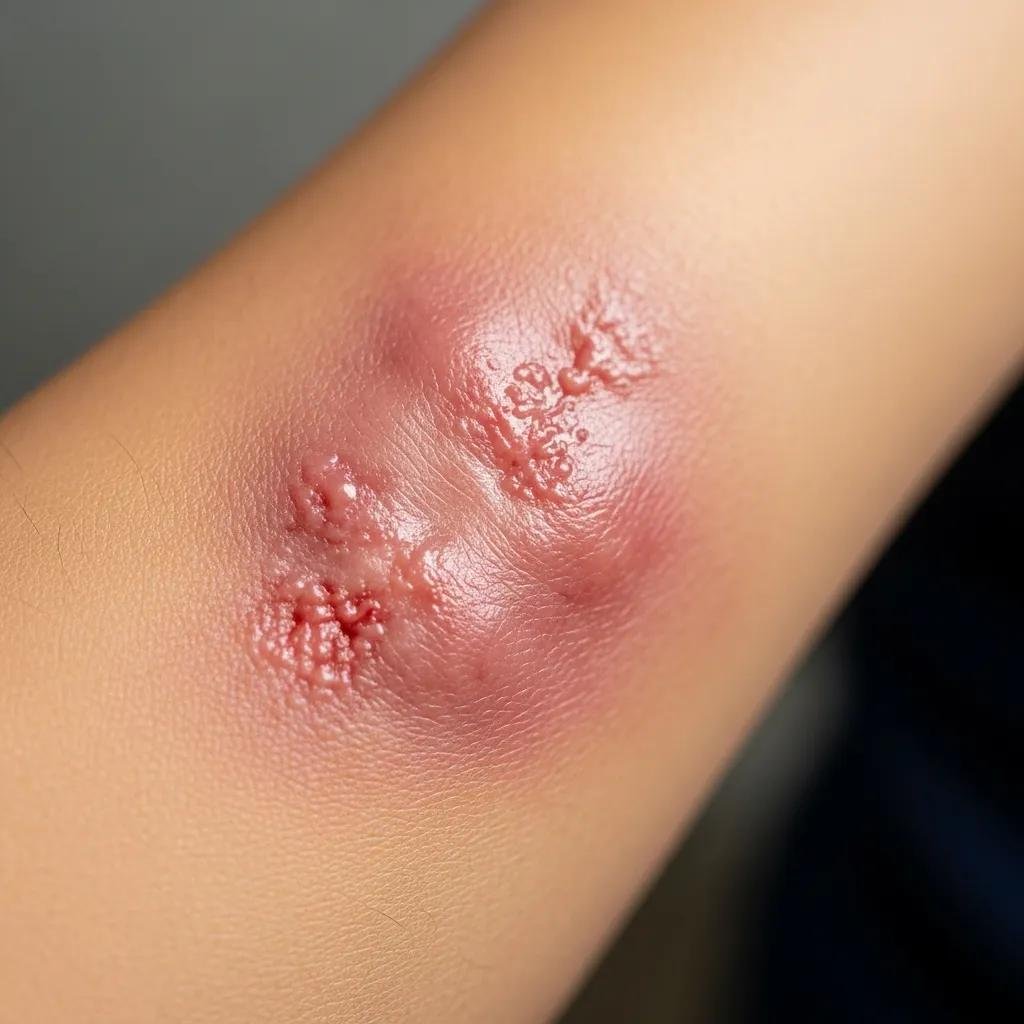
Recognizing that a wound isn’t progressing as expected is the first step toward preventing complications. Wounds that fail to heal can allow infection to take hold, increase pain, and prolong recovery. The signs below are red flags that merit a prompt clinical review.
- Worsening Redness: Expanding or deepening redness around the wound often signals infection or persistent inflammation.
- Ongoing Swelling: Swelling that doesn’t settle may indicate underlying problems that need professional assessment.
- Foul Odor: A persistent bad smell coming from a wound commonly points to bacterial growth and should be evaluated quickly.
How Long Should a Wound Take to Heal Before Seeking Help?
Many wounds begin to show measurable improvement in a few days. If there’s no clear progress within about two weeks, it’s wise to get a specialist opinion. Healing time varies with wound type and the patient’s health — for example, wounds on people with diabetes or poor circulation often take longer and deserve closer monitoring.
What Symptoms Indicate Wound Infection or Complications?
Symptoms that commonly indicate infection or other complications include:
- Increasing Pain: Pain that grows instead of fading may point to an infection or deeper issue.
- Pus or Abnormal Discharge: Thick, yellow/green drainage, or a change in the amount or odor of fluid, is a clear warning sign.
- Fever or Systemic Symptoms: Fever, chills, or other systemic signs together with a wound suggest a spreading infection and require urgent attention.
Which Types of Chronic Wounds Require Specialist Care?
Some wounds consistently need specialist input to heal safely and fully. Understanding the common chronic wound types helps patients and caregivers know when to escalate care.
- Diabetic Foot Ulcers: Common in people with diabetes, these ulcers can worsen quickly if not treated promptly and properly.
- Pressure Ulcers: Also called bedsores, pressure ulcers result from prolonged pressure and need targeted strategies to heal.
- Venous Leg Ulcers: Caused by poor venous circulation, these wounds often require compression, debridement, and specialist follow-up.
What Are the Characteristics of Diabetic Foot Ulcers and When to Seek Care?
Diabetic foot ulcers usually appear as open sores on the foot and may be accompanied by numbness or tingling. Risk factors include poor glucose control, peripheral neuropathy, and foot deformities. Seek wound care promptly if you notice increased redness, swelling, drainage, or any loss of feeling — early intervention reduces the chance of serious complications.
How to Identify Pressure Ulcers, Venous, and Arterial Ulcers Needing Attention?
Recognizing ulcer types helps direct the right treatment. Pressure ulcers often start as persistent red or discolored skin over bony areas. Venous ulcers usually sit on the lower leg, have irregular edges, and are associated with swelling. Arterial ulcers tend to be painful, located on the toes or feet, and may look pale or have areas of tissue loss. Any of these findings should prompt consultation with a wound care specialist.
How Does Mobile Wound Care Improve Treatment Convenience and Outcomes?
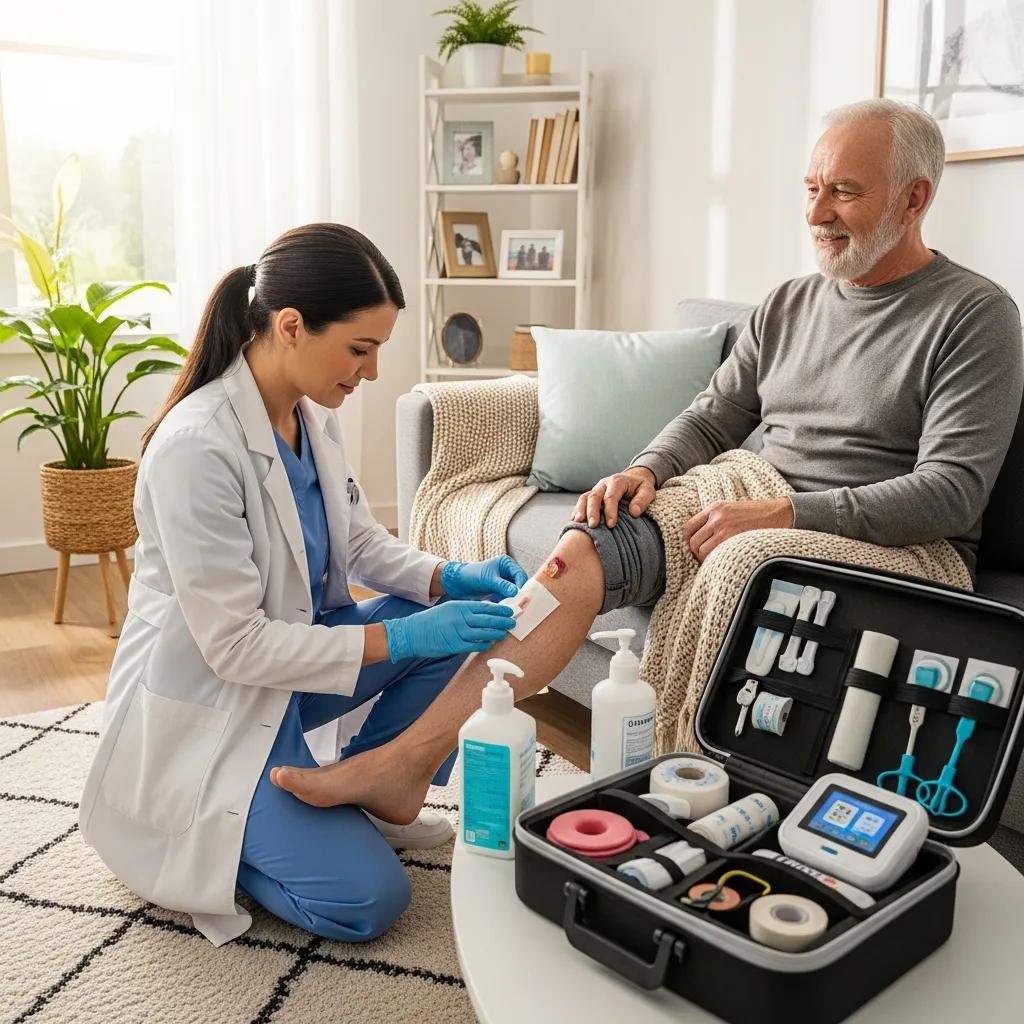
Mobile wound care brings trained clinicians and advanced treatments to the patient’s home. For people with limited mobility, transportation barriers, or complex care needs, home-based wound care improves access, adherence, and often outcomes.
- At-Home Convenience: Care delivered at home reduces travel strain and makes it easier to follow recommended treatment plans.
- Lower Exposure Risk: Fewer visits to hospitals or clinics can reduce exposure to healthcare-associated infections.
- Consistent Follow-Up: Regular, coordinated visits from a mobile team help maintain momentum in the healing process.
What Are the Benefits of Receiving Wound Care at Home?
Home-based wound care offers practical advantages, including:
- Comfort: Patients often feel calmer and more cooperative when treated in familiar surroundings, which supports healing.
- Better Access: Removing transportation hurdles makes it easier to keep appointments and follow care plans.
- Higher Satisfaction: Personalized attention at home frequently leads to better patient and family experience.
Healix360 takes a mobile approach built on individualized treatment plans and modern techniques. By delivering care where patients live, we help catch problems earlier, reduce complication risk, and support faster recovery. Clinical examples show that patients who receive coordinated home wound care often heal faster than those relying only on sporadic clinic visits.
What Advanced Regenerative Treatments Are Available for Chronic Wounds?
When standard measures aren’t enough, regenerative therapies and advanced devices can help restart stalled healing. These options target underlying biology to improve tissue repair.
- Stem Cell Therapies: Treatments that harness stem cells or cell-based products to stimulate tissue regeneration.
- Biologic Dressings: Bioactive dressings that deliver growth factors and a supportive matrix to the wound bed.
- Negative Pressure Wound Therapy: Controlled suction therapy that promotes blood flow, manages exudate, and can accelerate healing.
How Do Stem Cell and Biologic Therapies Promote Wound Healing?
Stem cell approaches aim to activate the body’s repair mechanisms and support new tissue growth. Biologic dressings provide a healing scaffold and deliver growth factors that encourage cell migration and repair. Both strategies have shown encouraging results in clinical practice for stubborn chronic wounds.
What Are Negative Pressure Wound Therapy and Debridement Procedures?
Negative pressure wound therapy applies gentle suction to improve perfusion and remove excess fluid, creating a better environment for healing. Debridement — the removal of dead or infected tissue — is often a necessary first step to prepare the wound bed so advanced treatments can work effectively. Together, these approaches are core tools in modern wound management.
How Can Patients and Caregivers Support Effective Wound Healing?
Successful wound healing is a team effort. Patients and caregivers who follow practical daily routines and watch for changes can make a big difference in outcomes.
- Consistent Daily Care: A predictable wound care routine helps monitor progress and prevents avoidable setbacks.
- Close Monitoring: Caregivers should note changes in color, odor, drainage, or pain and report these promptly to the care team.
- Nutrition and Support: A balanced diet with enough protein, vitamins, and fluids supports tissue repair.
What Are Practical Tips for Caregivers Managing Chronic Wounds?
Caregivers can take several practical steps to support healing:
- Keep the Area Clean: Follow provider guidance for gentle cleansing and avoid unapproved home remedies.
- Change Dressings as Directed: Replace dressings according to the care plan or sooner if they become soiled or saturated.
- Promote Safe Mobility: When appropriate, encourage movement to improve circulation while protecting the wound site.
How to Communicate and Schedule with Wound Care Specialists?
Clear communication makes follow-up care more effective. Bring a list of questions to visits, track symptoms and dressing changes, and keep a schedule for follow-ups. Promptly reporting concerns lets the care team adjust the plan before small problems grow.
When Should You Contact Healix360 for Mobile Wound Care Services?
Knowing when to contact Healix360 can save time and prevent complications. If you see any of the signs below, reach out for assessment and care.
- Signs Needing Prompt Attention: Increased redness, swelling, foul drainage, or other signs of infection should prompt immediate evaluation.
- Wounds Not Improving: If a wound shows no progress within two weeks, a specialist assessment is advised.
- Limited Mobility or Access: Patients who cannot easily travel to a clinic benefit from mobile wound care visits.
How to Recognize Urgent Signs That Require Immediate Specialist Attention?
Urgent signs include:
- Severe or Worsening Pain: Pain that becomes intense or sudden may indicate a serious problem.
- Rapid Growth of the Wound: A wound that enlarges quickly rather than shrinking needs immediate review.
- Systemic Illness: Fever, chills, or other systemic symptoms with a wound suggest a spreading infection and require urgent care.
What Insurance Options and Coverage Does Healix360 Accept?
Healix360 works with a variety of insurance plans to make mobile wound care accessible. Coverage varies by plan, so we encourage patients to confirm benefits and any potential out-of-pocket costs with their insurer. Our team can also help verify coverage and explain likely expenses so you can make informed care decisions.
| Treatment Type | Description | Benefits |
|---|---|---|
| Stem Cell Therapy | Uses cell-based products to support tissue regeneration | Supports new tissue growth and repair |
| Biologic Dressings | Bioactive coverings that deliver growth factors | Creates a favorable environment for healing |
| Negative Pressure Therapy | Applies controlled suction to the wound | Speeds healing and removes excess fluid |
In short, knowing the warning signs of a non-healing wound and when to involve a specialist is essential for safe, effective treatment. Mobile wound care from Healix360 offers timely, personalized care that can improve healing and reduce complications. Stay vigilant, follow your care plan, and contact us when you need expert support.
Frequently Asked Questions
What should I do if my wound is not healing as expected?
If your wound isn’t improving, contact a wound care specialist for assessment. A clinician will look for infection, poor circulation, or other factors slowing healing and recommend appropriate treatment. Early evaluation and documentation of changes help the specialist tailor care and avoid avoidable complications.
How can I prevent infections in my wounds?
To lower infection risk, practice good hand hygiene before touching the wound, use sterile dressings as directed, and clean the area with recommended solutions. Apply topical treatments only if advised by your provider, change dressings when they become soiled, and watch for warning signs. Seek care promptly for any concerning changes.
What lifestyle changes can support wound healing?
Healthy habits support repair: eat a balanced diet rich in protein, vitamin C, and other nutrients; stay well hydrated; avoid smoking; and manage chronic conditions like diabetes. Gentle, appropriate activity can improve circulation — check with your care team for safe exercise guidance.
How often should I change my wound dressing?
Frequency depends on the wound type and your provider’s instructions. Change dressings if they become wet, dirty, or if drainage increases. Chronic wounds may need daily care or specific schedules set by a wound specialist. Follow the care plan and report any unusual changes.
What role do caregivers play in wound management?
Caregivers are essential partners in wound care: they help with cleaning and dressing changes, monitor for warning signs, support nutrition and mobility, and coordinate appointments. Clear communication with the healthcare team ensures consistent care and timely adjustments to the treatment plan.
Are there any specific products recommended for wound care?
Appropriate products depend on wound size, type, and drainage. Hydrocolloid and foam dressings are commonly used for chronic wounds because they maintain a moist healing environment. Antimicrobial dressings or topical agents may be recommended when infection is a concern. Consult your wound care specialist to choose the right products for each case.
Conclusion
Recognizing when a wound isn’t healing and knowing when to seek specialist care are key to preventing complications and restoring health. Healix360’s mobile wound care brings experienced clinicians and advanced treatments directly to patients, improving access and outcomes. Stay observant, follow your care plan, and reach out to Healix360 when you need skilled, compassionate wound care at home.