
How to Find Qualified Mobile Wound Care Specialists for In-Home Care
Finding a skilled mobile wound care specialist can feel overwhelming, especially when you or a loved one needs advanced treatment at home. This guide walks you through practical steps to locate, evaluate, and choose experienced in‑home wound care providers so you get high‑quality care where you’re most comfortable—whether that’s home, an assisted living community, or a skilled nursing facility. Many people live with chronic wounds that need expert attention; knowing what to look for and what questions to ask can make a real difference in healing and peace of mind. Below we define mobile wound care, explain how to spot qualified teams, outline the wound types we treat, cover scheduling and insurance basics, and describe how Healix360 supports consistent, expert care.
What Is Mobile Wound Care and Why Choose In‑Home Specialists?
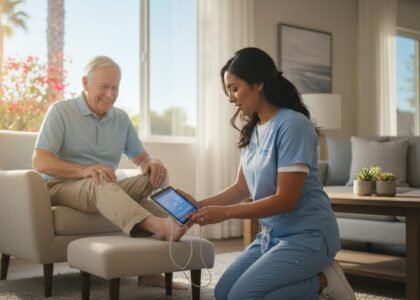
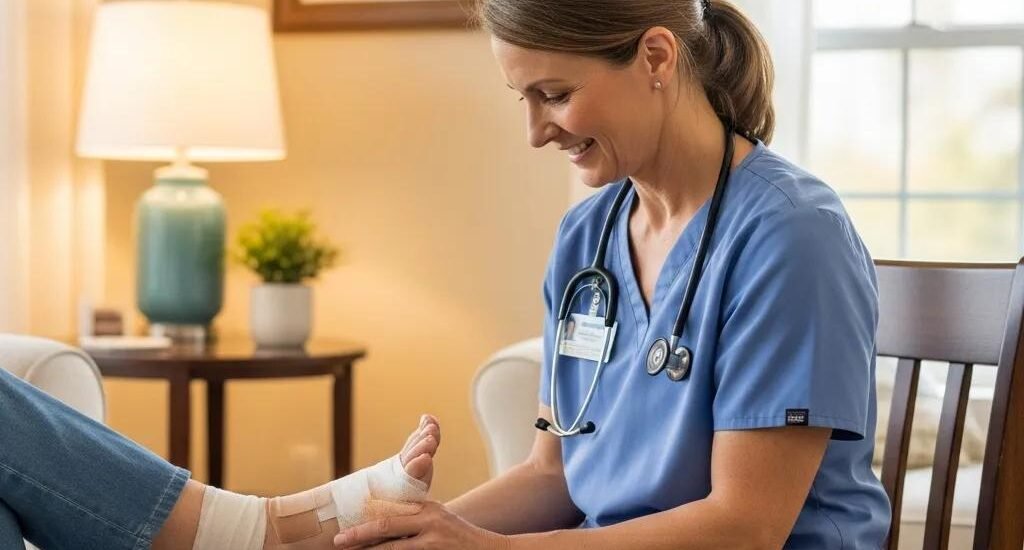
Mobile wound care means specialized wound treatment delivered at the patient’s location—home or a care facility—by clinicians trained in advanced wound management. This model reduces travel burden, lets clinicians see the patient’s living conditions, and supports more personalized plans. For people with limited mobility, severe wounds, or complex needs, in‑home care removes barriers and helps maintain continuity of treatment.
What Are Mobile Wound Care Services and Their Benefits?
- Convenience: Care happens where the patient is, reducing trips and logistical stress.
- Personalized treatment: Clinicians adapt plans to the patient’s medical needs and home environment.
- Better outcomes: Home‑based care often improves adherence, lowers complication risk, and supports steadier progress toward healing.
How Does In‑Home Wound Care Improve Healing and Convenience?
Providing wound care at home helps patients stay in a familiar, lower‑stress environment—something that can improve comfort and cooperation with treatment. Clinicians can visit more frequently, make timely adjustments, and identify environmental or caregiving factors that affect healing. Patients and families consistently tell us that receiving skilled care at home makes the recovery process easier to manage and less disruptive to daily life.
How to Identify Qualified Mobile Wound Care Providers
Finding the right mobile wound care provider means knowing which credentials and experience matter—and asking targeted questions to confirm fit.
What Qualifications and Certifications Should Specialists Have?

When evaluating mobile wound care clinicians, look for these qualifications:
- Board and specialty certifications: Certifications from recognized bodies—such as the American Board of Wound Management (ABWM) or credentials like CWS or CWCN—show focused training in wound care.
- Relevant clinical experience: Prefer providers with a track record treating chronic wounds similar to the patient’s condition.
- Ongoing training: Wound care evolves quickly; clinicians who pursue continuing education and new modalities stay current with best practices.
Which Questions Should You Ask Potential Mobile Wound Care Doctors?
Ask focused questions to confirm expertise and logistics:
- What is your experience with this specific type of wound?
- Which treatments do you typically recommend and why?
- Do you accept my insurance, and how is billing handled?
What Chronic Wounds Do Mobile Specialists Treat and How?
Mobile wound care teams manage a range of chronic wounds, tailoring strategies to the wound type, underlying health issues, and the patient’s goals.
Which Common Chronic Wounds Are Addressed by Mobile Care?
- Diabetic foot ulcers: Often related to neuropathy and poor circulation; these wounds need close monitoring to prevent infection and complications.
- Pressure ulcers: Caused by prolonged pressure and requiring regular assessment, offloading, and wound management.
- Venous leg ulcers: Linked to impaired circulation; effective care combines local wound treatment with strategies to improve venous return.
What Advanced Regenerative Treatments Are Offered at Home?

Many mobile providers deliver advanced therapies that support tissue repair and faster recovery, including:
- Debridement: Safe removal of dead tissue to promote healthy healing.
- Biologic dressings: Specialized grafts or matrices that encourage tissue regeneration.
- Negative pressure wound therapy (NPWT): Controlled suction therapy that removes excess fluid and stimulates tissue growth.
These treatments are selected to match the wound’s needs and to improve healing trajectories while minimizing disruption to the patient’s daily life.
How to Schedule Mobile Wound Care and Navigate Insurance Coverage
Scheduling an in‑home wound care program and understanding coverage options helps you avoid surprises and keep care on track.
What Are the Steps to Schedule a Mobile Wound Care Visit?
To arrange a visit, follow these steps:
- Initial contact: Call or message a mobile wound care provider to describe the wound and request an evaluation.
- Schedule an assessment: Set up an initial visit so the clinician can assess the wound, review medical history, and recommend a plan.
- Plan follow‑ups: Book regular follow‑up visits to monitor progress and adjust treatment as needed.
How Does Medicare Part B and Insurance Support Mobile Wound Care?
Medicare Part B and many commercial plans may cover mobile wound care when specific medical criteria are met. To confirm benefits, verify:
- Eligibility: Whether the patient’s condition qualifies for home‑based wound care under the plan.
- Verification steps: What documentation or authorizations the provider and patient must submit.
- Financial assistance: Available programs or payment options that can help manage out‑of‑pocket costs.
How Does Healix360 Ensure Expert Mobile Wound Care Delivery?
What Makes Healix360’s Board‑Certified Specialists Unique?
Healix360’s board‑certified clinicians combine specialized training with hands‑on experience in treating complex wounds at home. Their certifications, ongoing education, and case experience help ensure care plans are evidence‑based, individualized, and aligned with the patient’s overall health goals.
How Does Healix360 Support Patients and Caregivers Throughout Healing?
Healix360 provides coordinated support for patients and caregivers, including clear communication, educational resources, and long‑term planning:
- Communication: Regular updates and open lines for questions so families stay informed.
- Education: Practical guidance on wound care, dressing changes, and prevention strategies to build confidence at home.
- Long‑term planning: Recommendations to reduce recurrence and coordinate follow‑up with other providers.
Our approach pairs clinical expertise with responsive support so healing proceeds with as little disruption as possible.
Frequently Asked Questions
What should I consider when choosing a mobile wound care provider?
Prioritize credentials, experience with your wound type, and patient feedback. Look for board‑certified clinicians or recognized wound‑care credentials, ask about past outcomes with similar cases, and evaluate how the provider communicates and manages follow‑ups—those factors shape the quality of care.
How can I prepare for a mobile wound care visit?
Gather recent medical records, a list of current medications, and any prior wound treatments. Make the wound area accessible and clean, and write down questions or concerns ahead of the visit. This helps the clinician conduct an efficient assessment and start a tailored plan.
What types of insurance typically cover mobile wound care services?
Many plans, including Medicare Part B and standard commercial policies, may cover mobile wound care when the service is medically necessary. Coverage depends on the plan and the patient’s condition—contact your insurer and the provider’s billing team to confirm eligibility, authorizations, and any cost‑sharing.
Are there any risks associated with in‑home wound care?
In‑home wound care is generally safe when provided by trained professionals. Potential risks—such as infection or inappropriate care—are minimized when clinicians follow strict sterile technique and evidence‑based protocols. Maintain regular communication with the care team to surface concerns early and reduce complications.
How often should follow‑up visits be scheduled for wound care?
Frequency varies by wound type and severity. Many patients begin with weekly visits, moving to bi‑weekly or less frequent visits as the wound improves. Your clinician will recommend a schedule based on healing progress and overall health.
What role do caregivers play in mobile wound care?
Caregivers are essential: they help with day‑to‑day wound care tasks, ensure adherence to the plan, and watch for signs of problems. Caregivers also benefit from training and resources provided by the wound care team so they can support recovery confidently and safely.
Conclusion
Choosing the right mobile wound care specialist matters for safer, faster healing at home. By checking credentials, asking clear questions, and confirming coverage, you can find a provider who matches your needs. If you’re ready to explore options or have questions about in‑home wound care, reach out to a specialist—your path to better healing begins with the right support and expertise.