


How Chronic Conditions Slow Wound Healing: Diabetes, Kidney Disease, Autoimmune Disorders and More
Chronic conditions can slow the body’s ability to repair tissue, raise the risk of infection, and lengthen recovery. This article explains how common long-term illnesses — including diabetes, chronic kidney disease and autoimmune disorders — interfere with wound healing. Knowing the mechanisms at play helps clinicians and patients choose better treatment plans and improve patient outcomes. We’ll review how these conditions disrupt normal repair, the clinical consequences, and practical strategies to support healing.
What Are Chronic Diseases and How Do They Impair Wound Healing?
Chronic diseases are ongoing health conditions that affect daily life and can change how the body responds to injury. Conditions like diabetes, kidney disease and autoimmune disorders interfere with the normal stages of wound repair — inflammation, immune activity and tissue rebuilding — creating barriers to timely recovery.
Which Mechanisms Cause Delayed Healing in Chronic Conditions?
Several overlapping problems slow healing in chronic conditions. Persistent inflammation can damage tissue instead of promoting repair. Immune dysfunction reduces infection control and clearance of debris. Poor circulation — whether arterial or venous — limits oxygen and nutrient delivery to the wound. Together, these factors lengthen the inflammatory phase and delay tissue restoration.
How Do Inflammation and Immune Dysfunction Affect Wound Repair?
Inflammation is a normal first step after injury, but when it becomes prolonged it prevents progression to the rebuilding phases. Immune dysfunction, common in diabetes and some autoimmune disorders, weakens the body’s defense against pathogens and impairs cellular processes needed for tissue repair. The combination of ongoing inflammation and a blunted immune response is a central reason chronic wounds stall.
How Does Diabetes Affect Wound Healing and Increase Ulcer Risks?
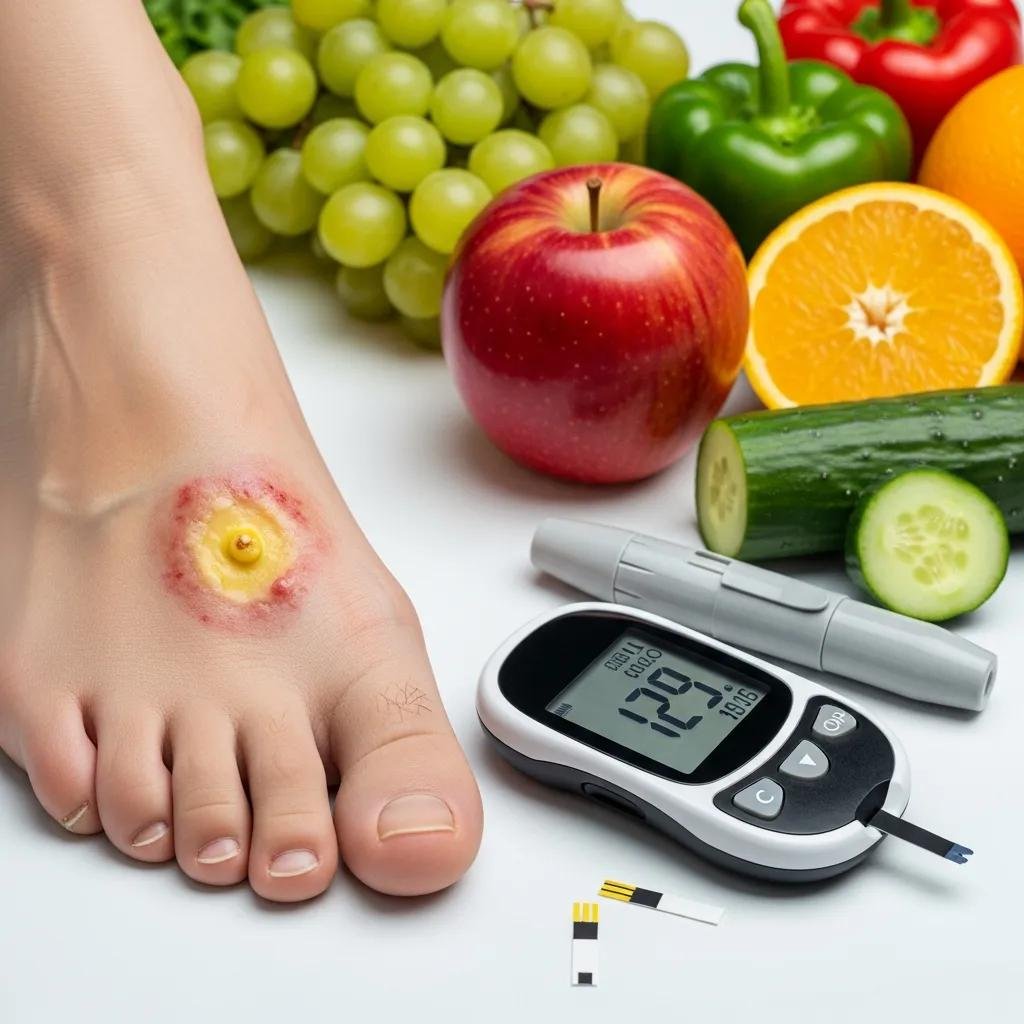
Diabetes is a leading cause of delayed wound healing. High blood sugar, nerve damage and poor circulation create an environment where small injuries can evolve into hard-to-heal ulcers. Effective management requires addressing blood glucose, footwear and pressure points, plus early wound assessment and targeted treatments.
Recent studies underscore how complex vascular wounds—especially in people with diabetes or immune issues—resist standard treatments and demand a coordinated, aggressive approach.
Diabetes & Immune Disorders: Complexities in Vascular Wound Healing
Advanced vascular wounds often remain refractory even after procedures like angioplasty or surgery. They commonly involve tissue loss, muscle atrophy and nerve damage, which together reduce limb function and quality of life. Successful management must target ongoing ischemia, control infection, and address biomechanical stresses. When diabetes or immune disorders are present, these wounds become even harder to treat and frequently require a multidisciplinary plan.
The burgeoning field of advanced vascular wound management, YW Wu, 2024
What Role Does Neuropathy Play in Diabetic Foot Ulcers?
Neuropathy reduces sensation in the feet, so patients may not notice cuts, blisters or pressure points. Without protective feeling, small injuries can persist, worsen and become infected. Routine foot checks, protective footwear and early care for even minor wounds are essential to prevent ulceration and limb-threatening complications.
How Does Blood Sugar Control Influence Healing Outcomes?
Elevated glucose impairs multiple wound-healing processes — from immune cell function to collagen production — and raises infection risk. Tight, consistent blood sugar control through diet, activity and medication improves immune response and cellular repair, and is a cornerstone of better wound outcomes for people with diabetes.
In What Ways Does Chronic Kidney Disease Complicate Wound Healing?
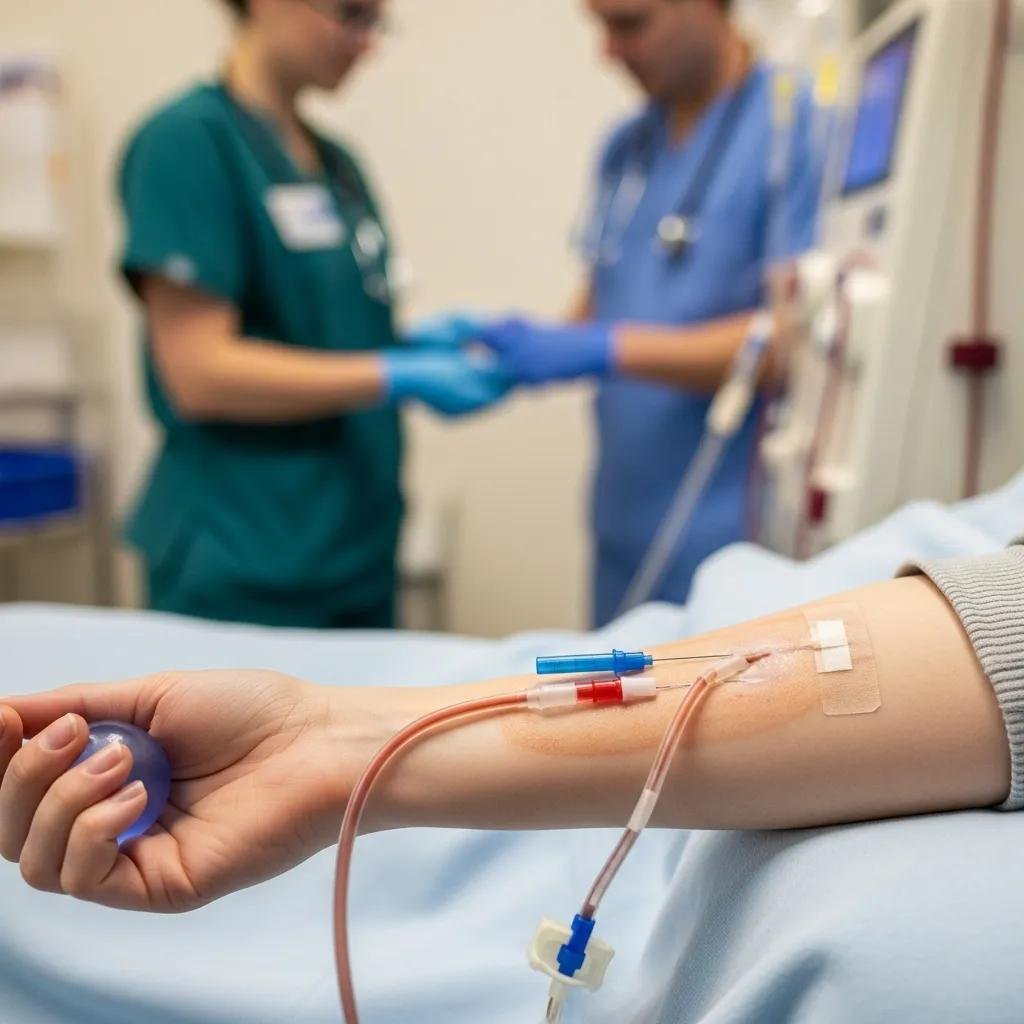
Chronic kidney disease (CKD) impairs healing through metabolic changes, immune suppression and complications related to dialysis. Patients with CKD often have altered protein and nutrient status, toxin buildup and reduced immune responsiveness — all of which slow tissue repair and raise infection risk.
Preclinical and clinical research clarifies the mechanisms by which CKD delays wound closure and impairs recovery.
Chronic Kidney Disease Impairs Wound Healing
An estimated 15% of U.S. adults live with chronic kidney disease, and many show measurable delays in wound healing. Experimental models of CKD reproduce these delays and help identify the metabolic and immune pathways that are disrupted.
Excisional wound healing is delayed in a murine model of chronic kidney disease, AK Seth, 2013
How Does Uremia Impact Immune Response and Tissue Repair?
Uremia — the accumulation of metabolic waste when kidneys fail — blunts immune cell function and alters inflammation, making infections more likely and slowing tissue regeneration. Correcting metabolic imbalances, optimizing nutrition, and close infection surveillance are key when treating wounds in CKD patients.
What Are the Challenges of Wound Care for Dialysis Patients?
Dialysis introduces additional challenges: fluid shifts, repeated vascular access, and nutritional gaps can all interfere with healing. Mobility limitations and scheduling constraints may delay care. Wound plans should consider dialysis timing, fluid status and tailored nutrition to support repair.
How Chronic Diseases Impair Wound Healing: Diabetes, Kidney & More
Autoimmune disorders and the medications used to treat them can both disrupt healing. Autoimmune activity fuels chronic inflammation, while immunosuppressive drugs reduce the body’s ability to fight infection and carry out reparative functions.
What Is the Impact of Chronic Inflammation on Wound Closure?
When inflammation persists, the wound is kept in a destructive state and never advances to rebuilding. This prolongs open wounds, increases scarring risk, and may require anti-inflammatory strategies alongside standard wound care to restore normal healing phases.
How Does Immunosuppressive Therapy Influence Healing?
Medications that suppress the immune system help control disease activity but can also hinder infection control and tissue repair. Balancing disease control with wound-healing needs often requires close coordination between the treating clinician and the wound-care team, with adjustments to therapy when safe and appropriate.
What Is the Impact of Peripheral Vascular Disease and Venous Insufficiency on Wound Repair?
Vascular disease alters blood flow to the limbs and is a major driver of chronic wounds. Reduced arterial flow causes ischemic (arterial) ulcers, while venous insufficiency leads to venous ulcers from chronic pressure and edema. Both conditions limit oxygen and nutrient delivery needed for repair.
How Does Poor Circulation Lead to Arterial and Venous Ulcers?
Arterial disease narrows arteries and starves tissue of oxygen, producing painful, slow-healing ulcers. Venous disease causes blood pooling and increased pressure in the leg veins, which damages the skin and leads to persistent, exuding ulcers. Treating the underlying circulation problem is as important as local wound care.
What Are Effective Wound Care Strategies for Vascular Complications?
Care includes restoring or improving blood flow when feasible, reducing venous hypertension (often with compression where appropriate), aggressive debridement of nonviable tissue, infection control, and advanced dressings or biologics tailored to the wound’s needs. Multidisciplinary evaluation — vascular, wound care and rehabilitation — improves outcomes.
How Does Obesity Influence Wound Healing and Infection Risk?
Obesity increases the likelihood of wound complications through mechanical stress, poorer perfusion in fatty tissue, chronic low-grade inflammation and altered skin microbiome. These factors raise infection risk and slow repair.
Evidence shows obesity changes immune responses, skin structure and the microbiome — all of which affect susceptibility to skin infections and wound recovery.
Obesity’s Impact on Infections & Skin Wound Healing
Obesity is linked to higher rates of infection, reduced vaccine responses, and a greater burden of inflammatory skin conditions. Changes in skin structure and the local microbial community contribute to impaired wound healing and increased skin infection risk in people with obesity.
Effects of obesity on infections with emphasis on skin infections and wound healing, D Frasca, 2022
What Are the Effects of Increased Tissue Tension and Poor Perfusion?
Excess weight raises tissue tension and reduces local blood flow, which can lead to pressure-related wounds and poorer oxygen delivery to injured areas. Chronic inflammation and immune changes tied to obesity further slow recovery. Addressing weight, pressure redistribution and optimizing circulation supports healing.
How Can Nutritional Support Improve Healing in Obese Patients?
Good nutrition matters regardless of body size. Adequate protein, vitamins and trace minerals are essential for collagen formation, immune function and wound closure. Individualized nutrition plans help correct deficits and support the metabolic needs of healing tissue.
| Chronic Disease | Mechanism of Impairment | Impact on Wound Healing |
|---|---|---|
| Diabetes | Neuropathy, poor circulation | Higher ulcer risk, slower closure |
| Chronic Kidney Disease | Uremia, immune dysfunction | Weakened immune response, delayed repair |
| Autoimmune Diseases | Chronic inflammation, immunosuppression | Prolonged inflammation, infection risk |
| Peripheral Vascular Disease | Poor arterial circulation | Ischemic ulcers, delayed healing |
| Venous Insufficiency | Venous hypertension | Chronic venous ulcers, slow recovery |
| Obesity | Increased tissue tension, poor perfusion, chronic inflammation | Pressure injuries, delayed healing |
This table summarizes common chronic conditions, the ways they impair repair, and the practical consequences for wound care — highlighting why targeted strategies are essential.
Chronic diseases create real obstacles to healing, but understanding the mechanisms lets clinicians tailor care and improve outcomes. Healix360 Advanced Mobile Wound Care Specialists provides mobile, multidisciplinary wound care that addresses these complexities and supports recovery where patients live.
Frequently Asked Questions
What are the common signs that wound healing is impaired in chronic disease patients?
Signs include wounds that don’t shrink over time, persistent redness, increasing drainage or pus, foul odor, spreading redness, and new or worsening pain. New ulcers or wounds that reopen are also warning signs. These findings warrant prompt reassessment and often earlier specialist input.
How can healthcare providers assess the healing process in patients with chronic diseases?
Providers should perform regular, structured wound evaluations: document size and depth, photograph progress, and note tissue type and exudate. Tools like the Bates-Jensen Wound Assessment Tool (BWAT) help quantify changes. Lab tests, cultures when infection is suspected, and review of systemic factors (nutrition, glucose, renal function) are also important.
What lifestyle changes can support wound healing in patients with chronic diseases?
Helpful changes include balanced nutrition with adequate protein, controlling blood glucose for people with diabetes, smoking cessation, regular activity as tolerated to improve circulation, and weight management when appropriate. Stress reduction and sleep also support immune function and recovery.
Are there specific wound care products recommended for patients with chronic diseases?
Choice of dressing depends on wound characteristics. Moisture-managing dressings (hydrocolloids, alginates, foams), antimicrobial dressings when infection risk is high, and specialized products for diabetic or venous ulcers can all play a role. A wound care specialist can match products to the wound and the patient’s overall condition.
How often should wounds be monitored in patients with chronic diseases?
Monitoring depends on wound severity but typically ranges from multiple times per week for high-risk or infected wounds to weekly for stable chronic wounds. Any sign of deterioration should prompt more frequent review and possible escalation of care.
What role does patient education play in managing chronic wounds?
Patient education is essential. Teaching wound-care routines, how to spot infection, when to seek help, and how lifestyle factors affect healing increases adherence and leads to better outcomes. Engaged patients who understand their care plan help prevent complications and readmissions.
Conclusion
Chronic conditions complicate wound healing through inflammation, circulatory problems and immune changes. Identifying the underlying drivers and addressing them alongside targeted local care improves the chance of recovery. For tailored, advanced wound care delivered in the home or clinic, explore our resources and contact Healix360 to learn how we can help patients heal more reliably.