


How Diabetes Impacts Wound Healing and Mobile Care Speeds Recovery
Diabetes changes how the body heals. High blood sugar, poor circulation, and nerve damage can all slow recovery and raise the risk of infection. This guide explains why diabetic wounds often take longer to close, the complications that can follow, and the modern treatments that help. We’ll also outline how mobile wound care — including services from Healix360 Advanced Mobile Wound Care Specialists — can improve outcomes by bringing expert care right to a patient’s home. With the right approach, patients and caregivers can better manage wounds and speed recovery.
Why Do Diabetic Wounds Heal More Slowly?
Diabetes changes several key healing processes. Elevated blood sugar and related metabolic changes interfere with circulation, immune response, and tissue repair — all of which can extend recovery time. Knowing these mechanisms helps guide effective treatment.
How Does Hyperglycemia Affect Healing?
High blood sugar (hyperglycemia) weakens immune cells and reduces blood flow to injured tissue. That makes infections more likely and slows the delivery of oxygen and nutrients needed for repair. Over time, high glucose also leads to advanced glycation end-products (AGEs) that stiffen and damage tissue, further impairing healing.
Clinical research supports the role of AGEs in disrupting normal wound repair among people with diabetes.
AGEs and Impaired Diabetic Wound Healing
Advanced glycoxidation products (AGEs) have been linked to impaired diabetic wound healing. Levels of skin tissue AGEs were measured in diabetic and nondiabetic db/db mice to study this effect.
Advanced glycoxidation products and impaired diabetic wound healing, M Peppa, 2009
How Does Diabetic Neuropathy Slow Recovery?
Neuropathy reduces sensation in the feet and lower legs, so small cuts or pressure points can go unnoticed and worsen. Without early detection and care, minor injuries can become ulcers or infected wounds. That’s why daily foot checks and prompt treatment matter for anyone with diabetes.
What Complications Can Arise from Diabetic Foot Ulcers?
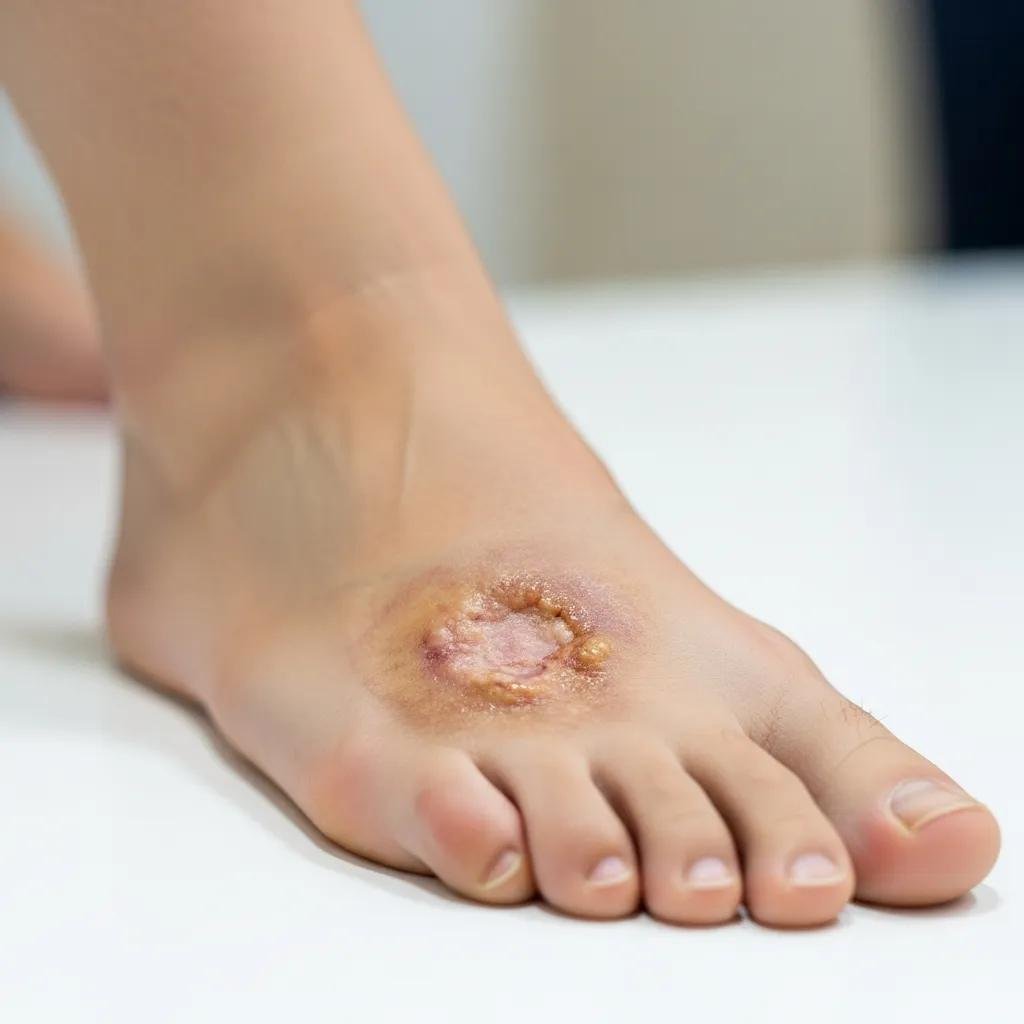
Left untreated, diabetic foot ulcers can lead to serious problems. Poor circulation, infection, and ongoing pressure can turn a manageable wound into a limb‑threatening condition. Early, consistent care reduces that risk.
How Do Infections Start and Progress?
Because diabetes weakens the immune response, bacteria can enter through breaks in the skin and quickly establish an infection. Local infections can spread to deeper tissues and bone, increasing the likelihood of hospitalization and extending recovery time.
When Do Ulcers Lead to Gangrene or Amputation?
Severe or untreated ulcers may progress to gangrene when tissue dies from lack of blood flow or overwhelming infection. Combined with neuropathy and poor circulation, that can lead to partial or full amputation. Prompt intervention and expert wound care are the best defenses against those outcomes.
How Do Advanced Treatments Help Diabetic Wounds Heal Faster?
Modern wound care combines targeted therapies to address infection, support tissue repair, and restore a healthy wound environment. When applied appropriately, these options shorten healing time and reduce complications.
What Role Does Regenerative Medicine Play?
Regenerative approaches — like growth factors and cell‑based therapies — aim to stimulate tissue repair at the wound site. Early studies show promise for accelerating closure and improving tissue quality, though larger trials continue to refine best practices and indications.
Research into stem cell and regenerative therapies remains an active and promising area for accelerating diabetic wound repair.
Stem Cell Therapy for Diabetic Wound Healing
Stem cell–based and other regenerative therapies offer potential to enhance diabetic wound healing through multipotent cells and growth factor delivery. Various approaches continue to be explored and developed.
Innovations in stem cell therapy for diabetic wound healing, U Cheema, 2023
Why Are Debridement and Biologic Dressings Important?
Debridement removes non‑viable tissue so healthy tissue can grow and blood can reach the wound bed. Biologic dressings mimic natural skin layers, protect the wound, and create an environment that supports cell migration and tissue regeneration. Used together, they help move stalled wounds toward closure.
Why Choose Mobile Wound Care for Diabetic Patients?
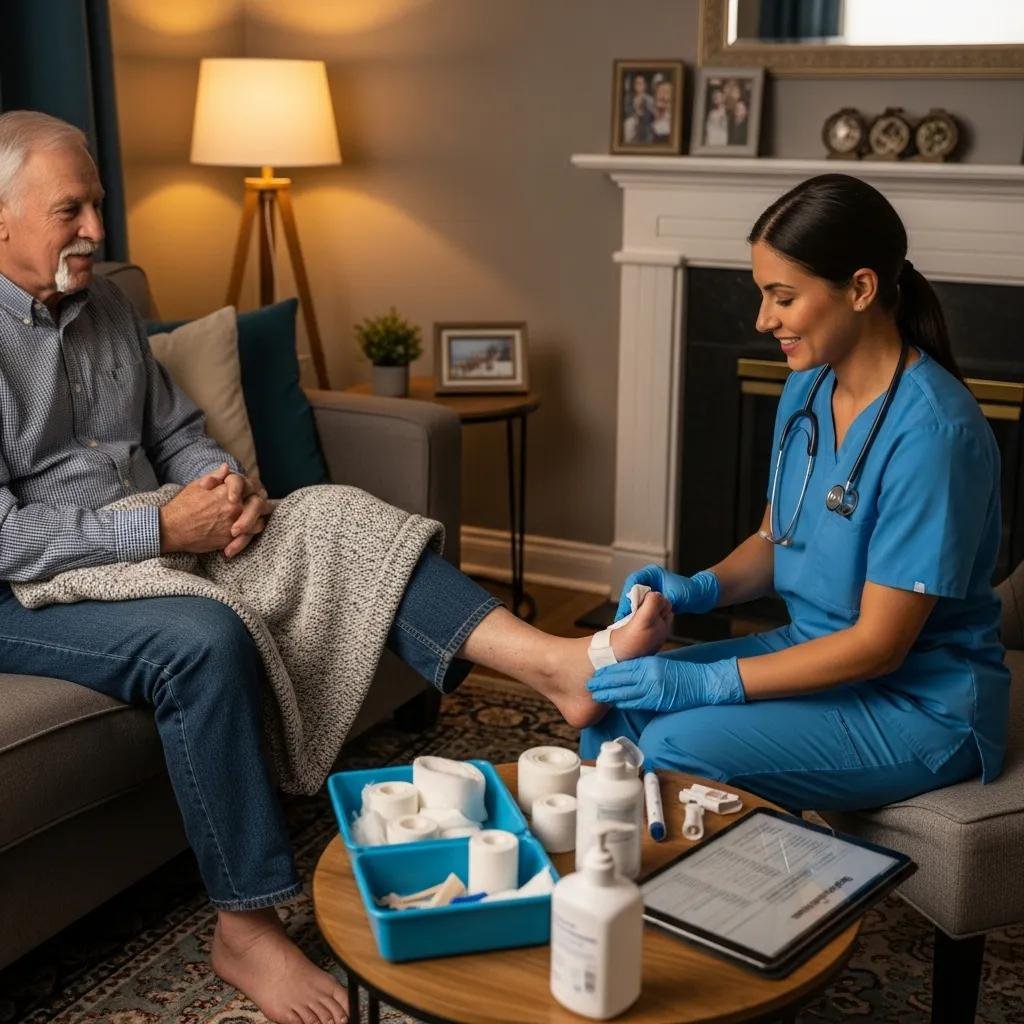
Mobile wound care brings skilled clinicians and advanced therapies to a patient’s home or care facility. That convenience improves treatment consistency, reduces travel strain, and keeps patients in a familiar setting where recovery can be better supported.
How Does At‑Home Care Improve Consistency and Convenience?
Regular, reliable visits let clinicians monitor progress, adjust treatment quickly, and keep dressings and therapies on schedule. That steady care leads to better adherence and often faster healing compared with sporadic clinic visits.
Telemedicine and digital tools are expanding how clinicians monitor chronic wounds remotely, though studies show mixed results depending on implementation and patient needs.
Telemedicine for Chronic Wound Management
The rise of smartphones and tablets has enabled telemedicine (TM) for chronic wound care. Research reports mixed findings on TM’s overall effectiveness, highlighting the need to match technology to patient and clinical needs.
Telemedicine in chronic wound management: systematic review and meta-analysis, 2020
What Expertise Do Healix360 Specialists Bring?
Healix360 Advanced Mobile Wound Care Specialists combine focused training with real‑world experience treating complex diabetic wounds. Our clinicians use evidence‑based protocols, advanced therapies, and on‑site assessment to deliver timely, individualized care — wherever the patient is.
How Long Does a Diabetic Wound Take to Heal with Advanced Care?
Healing time varies, but specialized care can change the trajectory. Faster closure depends on wound size, depth, circulation, infection status, and how well underlying conditions like blood sugar are managed.
When Will Patients See Visible Improvement?
With advanced, consistent care many patients see measurable improvement within 2 to 4 weeks. Individual results depend on wound severity, overall health, and adherence to the care plan.
What Factors Affect Healing Speed?
Age, nutrition, blood sugar control, circulation, infection, and comorbid conditions all influence recovery. Consistent follow‑up, proper offloading, and adherence to treatment are also key drivers of faster healing.
How Can Patients and Caregivers Support Long‑Term Wound Health?
Prevention and early action matter. Daily checks, good glucose control, and clear communication with your care team reduce recurrence and complications.
Daily Foot Care Tips to Prevent Problems
- Look daily: Inspect both feet for cuts, blisters, redness, or swelling.
- Choose the right shoes: Wear well‑fitting footwear that avoids pressure points and friction.
- Keep skin healthy: Moisturize to prevent cracks, but avoid lotion between the toes to reduce the risk of fungal infection.
When Should You Call a Professional?
Seek care if you notice increased redness, swelling, warmth, new or worsening drainage, or more pain. If a wound shows no improvement after 1–2 weeks of care, contact a clinician right away — early intervention prevents more serious complications. Contact Healix360 for guidance and timely evaluation.
| Treatment Method | Description | Benefits |
|---|---|---|
| Regenerative Medicine | Uses cell therapies and growth factors to encourage tissue repair | Can speed tissue regeneration and improve wound quality |
| Debridement | Removes dead or infected tissue from the wound bed | Reduces infection risk and promotes healthy tissue growth |
| Biologic Dressings | Advanced dressings that support natural healing processes | Provides a protective, regenerative environment |
To summarize: diabetes can complicate wound repair, but modern treatments and consistent, expert care significantly improve outcomes. Mobile wound care brings those treatments to the patient, helping speed recovery and prevent complications.
Frequently Asked Questions
What lifestyle changes help wound healing in people with diabetes?
Stable blood sugar is the single most important factor. Combine a balanced diet, regular activity, and medication adherence to keep glucose controlled. Stop smoking, stay hydrated, and eat foods rich in protein, vitamin C, and zinc to support tissue repair. Regular foot checks and proper footwear are also essential.
How can caregivers help manage diabetic wounds?
Caregivers can assist with daily inspections, dressing changes as directed, and tracking symptoms or signs of infection. Helping patients keep appointments, manage medications, and maintain good nutrition all contribute to better outcomes. Learn the care plan and keep communication open with the clinical team.
What indicates a diabetic wound is healing properly?
Good signs include gradual reduction in size, decreased redness and swelling, healthy pink granulation tissue, and less pain. Clear or light drainage is often an expected part of healing; foul odor, increased pain, or worsening redness suggest a problem and require prompt review.
Are there dietary recommendations to support wound healing?
Focus on adequate protein (lean meats, fish, eggs, legumes), plenty of vegetables and fruits for vitamins and antioxidants, and fiber to help blood sugar control. Limit processed sugars and simple carbs to maintain stable glucose, which is critical for healing.
Why is patient education important in wound care?
When patients understand blood sugar control, daily foot checks, and wound care steps, they’re more likely to follow the plan and catch problems early. Education empowers patients to participate in their care and reduces the chance of preventable complications.
How does technology support diabetic wound management?
Telemedicine enables remote check‑ins and quicker access to advice, while wearables and apps can track glucose and vital signs to inform care decisions. These tools can improve engagement, but they work best when combined with hands‑on clinical assessment.
Conclusion
Diabetes changes how wounds heal, but it doesn’t mean poor outcomes are inevitable. With timely assessment, targeted therapies, and consistent follow‑up — including mobile wound care when appropriate — many patients heal faster and avoid serious complications. Learn how Healix360 can support safe, effective wound care at home and help you or a loved one move toward recovery.