
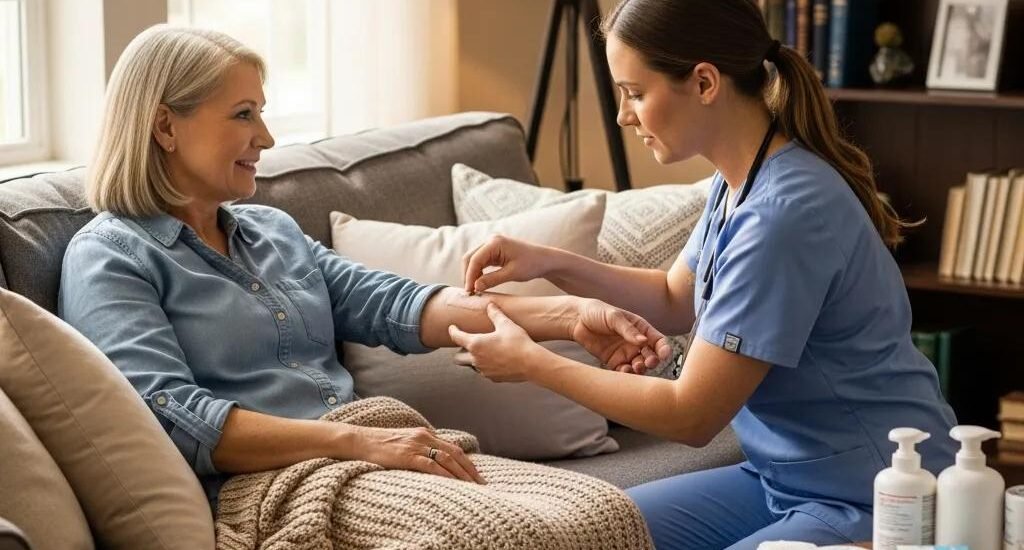
Mobile Wound Care for People with Cancer — Advanced At‑Home Oncology Wound Treatment and Healing Solutions
Wound care is an important part of cancer treatment. People with cancer can develop wounds from surgery, radiation, chemotherapy, or the disease itself. This guide covers the common wound types, the advantages of receiving care at home, advanced regenerative options, and practical symptom-management strategies that improve comfort and recovery. It also explains how Healix360 Advanced Mobile Wound Care Specialists bring tailored, expert care directly to patients’ homes so healing is safer and less disruptive to daily life.
What Are the Common Types and Causes of Cancer-Related Wounds?
Cancer-related wounds arise from the tumor, surgical procedures, and cancer therapies. Common examples include surgical incisions, radiation dermatitis, fungating lesions, and ulcers related to chemotherapy or mucositis. Each wound type has distinct signs and needs its own care plan to control symptoms, prevent infection, and support healing.
How Does Radiation Dermatitis Affect Cancer Patients’ Skin?
Radiation dermatitis results from the effects of radiation on skin cells and often shows up as redness, dryness, peeling, or soreness. In more severe cases it can progress to blistering or moist desquamation. Gentle skin care, protective dressings, and moisture-balancing therapies can reduce discomfort and lower the risk of complications while treatment continues.
What Are Fungating and Malignant Wounds in Oncology Care?
Fungating wounds occur most often in advanced disease and are marked by a mix of dead tissue, new fragile tissue, odor, bleeding, and pain. These are complex wounds that require focused symptom control: careful debridement when appropriate, specialized dressings, odor-management approaches, and tailored pain relief. Addressing both physical symptoms and emotional distress is central to improving quality of life for patients with these wounds.
How Does Mobile Wound Care Benefit Cancer Patients at Home?
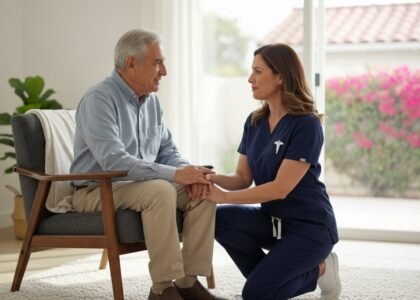
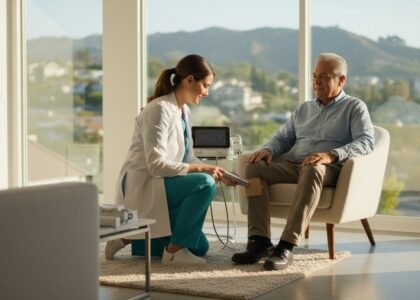
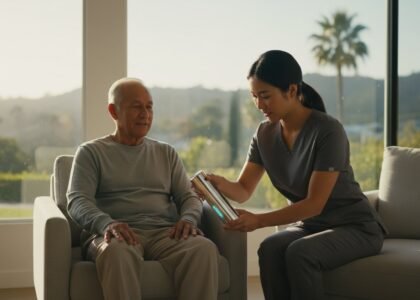
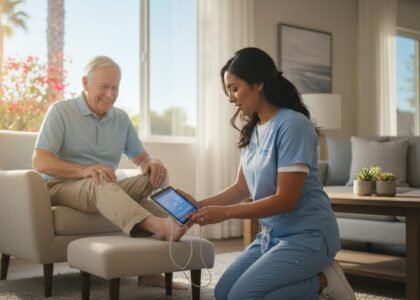
Mobile wound care brings specialist treatments, monitoring, and education to a patient’s home—reducing travel, lowering infection exposure, and easing the burden of frequent clinic visits. For patients undergoing active cancer treatment, receiving care at home can preserve energy, shorten recovery times, and keep continuity of care with clinicians who understand oncology-specific needs.
Evidence supports remote and home-based wound management as a way to reduce travel burden and support better care coordination and outcomes.
Mobile Health Tools for Home-Based Wound Management
Travel to clinics for chronic wound care places a real burden on patients. Mobile and telehealth approaches can reduce that strain and improve outcomes by enabling remote assessment and management. A key step is capturing quality wound images—poor image quality can undermine remote evaluation. Prior to this study, no research had examined whether patient-acquired wound images are consistently suitable for self-management and telemedical interpretation.
Wound image quality from a mobile health tool for home-based chronic wound management with real-time quality feedback: randomized feasibility study, J Zhang, 2021
What to Expect During Mobile Oncology Wound Care Visits?
A mobile wound care visit typically begins with a focused assessment: the clinician documents wound size, appearance, pain and drainage, and reviews the patient’s overall health and treatment plan. From there we create a personalized plan that may include dressing changes, selective debridement, topical therapies, or referral for advanced regenerative treatments. Education for patients and caregivers is part of every visit so home care is safe and effective.
How Can Caregivers Support At-Home Cancer Wound Treatment?
Caregivers are essential partners in wound care. They can help with daily dressing changes, medication schedules, and monitoring for changes in the wound. Good communication with the care team—asking questions and reporting new symptoms promptly—helps keep treatment on track. Caregivers should also seek practical training and emotional support to sustain long-term care responsibilities.
What Advanced Regenerative Treatments Accelerate Healing of Cancer Wounds?
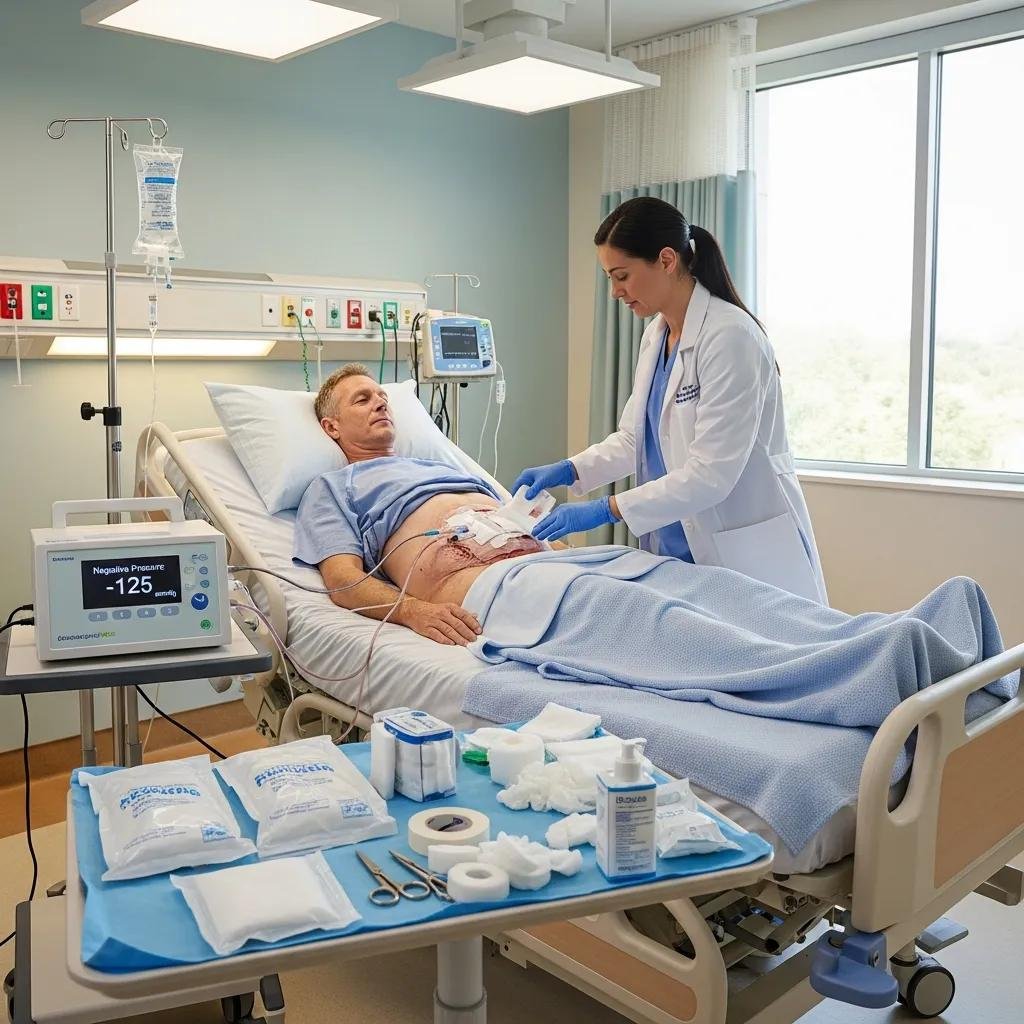
Advanced regenerative strategies aim to jump‑start tissue repair and reduce the time wounds remain open. These approaches—when chosen appropriately—can improve comfort, lower infection risk, and support better functional outcomes for patients recovering from cancer-related wounds.
How Does Debridement Improve Healing in Cancer-Related Wounds?
Debridement removes dead or infected tissue so healthy tissue can form. It reduces bacterial load, decreases inflammation, and creates a cleaner wound bed for healing. Options include surgical, mechanical, enzymatic, and autolytic debridement; clinicians select the safest method based on wound status, overall health, and cancer treatments.
What Role Do Biologic Dressings and Negative Pressure Therapy Play?
Biologic dressings—derived from natural or bioengineered materials—help maintain a moist, protective environment that supports tissue regeneration and reduces pain. Negative pressure therapy (also called vacuum-assisted closure) uses controlled suction to remove fluid, reduce edema, and stimulate local blood flow. Both are evidence-based tools that, when used correctly, can meaningfully accelerate healing in appropriate wounds.
How Can Patients Manage Symptoms and Complications of Cancer Wounds?
Effective symptom management focuses on pain control, infection prevention, odor reduction, and maintaining skin integrity. Combining clinical treatments with supportive measures—nutrition, activity pacing, and psychological support—helps patients feel better and promotes recovery.
What Are Effective Pain Management Strategies for Oncology Wounds?

Pain from cancer wounds can be managed with a multimodal plan: systemic analgesics (including opioids when indicated), topical agents, adjuvant medications, and non‑drug techniques such as relaxation, guided breathing, and physical therapy. Treatment is individualized to balance symptom relief with safety and ongoing cancer therapies.
How Does Nutrition Influence Healing of Cancer-Related Skin Complications?
Good nutrition is foundational to wound healing. Adequate protein, vitamins A and C, zinc, and proper hydration support tissue repair and immune function. Many patients benefit from a consultation with a dietitian to create a nutrition plan that matches their treatment, appetite, and metabolic needs.
What Are the Steps to Schedule and Access Mobile Wound Care Services for Cancer Patients?
Accessing mobile wound care services is designed to be simple and patient-centered. A referral or direct contact starts the process, we assess clinical needs, confirm logistics, and arrange the first visit at a time that works for the patient and family.
How Quickly Can Patients Be Matched with Mobile Wound Care Specialists?
We typically match patients with a specialist within a few days of referral or first contact. Timing depends on location, clinician availability, and the clinical urgency of the wound. Clear communication about symptoms and constraints helps us prioritize care when time is critical.
What Insurance Options Support Mobile Oncology Wound Treatment?
Many plans—including Medicare and Medicaid in the U.S.—cover mobile wound care services, though coverage details vary. Patients should check benefits with their insurer and share any coverage questions with our team. We can help with insurance verification and discuss financial assistance options when available.
| Treatment Type | Description | Benefits |
|---|---|---|
| Debridement | Removal of dead or necrotic tissue | Promotes healing, reduces infection risk |
| Biologic Dressings | Natural or bioengineered material dressings | Maintains moisture, supports tissue regeneration, reduces pain |
| Negative Pressure Therapy | Suction-based treatment | Accelerates healing, improves blood flow |
Cancer-related wounds present distinct challenges, but with specialized support and the right resources, patients can manage symptoms and progress toward healing. Mobile wound care from Healix360 delivers expert, compassionate treatment in the home so patients and families can focus on recovery with fewer disruptions.
Frequently Asked Questions
What should patients do if they notice signs of infection in their wounds?
If you see increased redness, swelling, warmth, new or worsening pain, or unusual discharge, contact your care team right away. Early evaluation reduces the risk of complications. While awaiting instruction, keep the wound clean and dry per your clinician’s advice. If infection is confirmed, antibiotics or other targeted treatments may be prescribed.
How can patients ensure they are using the right wound care products?
Product selection depends on wound type, size, depth, and moisture level. Always follow the recommendations of your wound care specialist or clinician. They will recommend dressings and topical treatments best suited to the wound’s current condition and teach you how to apply them safely at home.
What lifestyle changes can support wound healing for cancer patients?
Supportive habits include a protein-rich, nutrient-dense diet, staying well hydrated, avoiding tobacco and excessive alcohol, and gentle, regular activity as tolerated. These changes improve circulation and immune function. Discuss any new activity or diet plan with your oncology and wound care teams to ensure it fits your overall treatment.
Are there specific emotional support resources for cancer patients dealing with wounds?
Yes. Many cancer centers and community organizations provide counseling, support groups, and peer networks specifically for people facing advanced disease or complex wound care. Emotional support is an important part of holistic care—ask your care team for local and online resources.
How can patients track their wound healing progress effectively?
Keep a simple wound journal noting dates, changes in size or appearance, pain levels, and treatments used. Regular photos—taken consistently from the same angle and distance—help clinicians assess progress. Share these records at visits or through approved telehealth tools to guide treatment adjustments.
What should patients know about the potential side effects of advanced wound treatments?
Advanced therapies can cause side effects such as local irritation, allergic reactions, or temporary discomfort. Negative pressure therapy may cause increased drainage or sensitivity at first. Report any unexpected symptoms to your care team so adjustments can be made promptly and safely.
Conclusion
Mobile wound care brings expert, oncology‑aware treatment into the home—reducing travel, minimizing infection risk, and helping patients heal with dignity and comfort. Understanding wound types, available treatments, and symptom‑management strategies empowers patients and caregivers to participate in recovery. Reach out to Healix360 to learn how our team can support your care at home.