
Mobile Wound Care for Fewer Hospital Readmissions and Better Outcomes
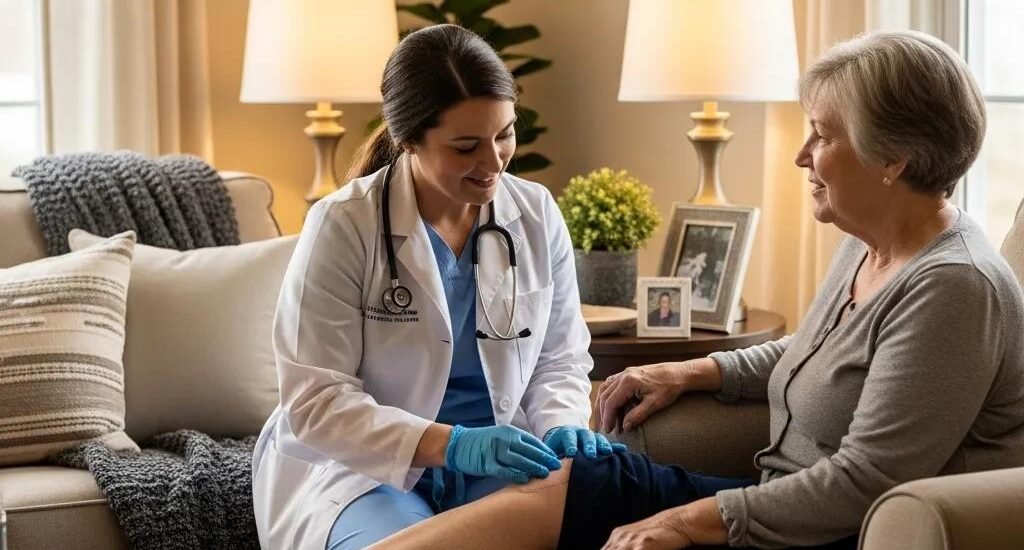
Mobile wound care is changing how chronic wounds are managed and helping reduce avoidable hospital readmissions. By bringing specialty wound care into the home, patients get expert assessment and treatment in a familiar setting — which often means fewer complications and better day‑to‑day quality of life. Below, we explain how mobile wound care works, the clinical and economic benefits, the advanced therapies offered by Healix360 Advanced Mobile Wound Care Specialists, and how telehealth keeps care consistent so patients and families can make informed decisions.
Chronic wounds drive frequent hospital visits and add emotional and financial strain for patients and caregivers. Mobile wound care addresses this by delivering targeted, specialty treatment at home, reducing the need for hospital readmission. This article outlines what readmissions are, how chronic wounds contribute to them, the advantages of home‑based care, advanced therapy options, and the role of telehealth in preventing return visits.
Rising rates of chronic disease and an aging population are increasing demand for home‑based wound management and nursing services.
Home health wound care: economic and digital benefits
The demand for home health care and nursing visits has surged due to the persistent rise in the prevalence of comorbidities and the aging population [1,2]. In the United States, 2% of the population have complex chronic wounds, further driving the growing demand for home health care services [3]. Approximately, a third of patients who use home health have at least one wound [4,5], leading to the allocation of a substantial portion of the budget and resources in a home health agency (HHA) for nursing visits being dedicated to wound assessment and care [5].
Clinical, Operational, and Economic Benefits of a Digitally Enabled Wound Care Program in Home Health: Quasi-Experimental, Pre-Post Comparative Study, 2025
What are hospital readmissions and why do chronic wounds cause them?
Hospital readmissions are returns to the hospital within a set period after discharge, often caused by complications or gaps in follow‑up care. Chronic wounds — for example, diabetic foot ulcers or pressure injuries — are a frequent reason for readmission. These wounds can lead to infection, persistent pain, reduced mobility, and deteriorating overall health when they aren’t managed effectively.
How do chronic wounds affect quality of life and readmission risk?
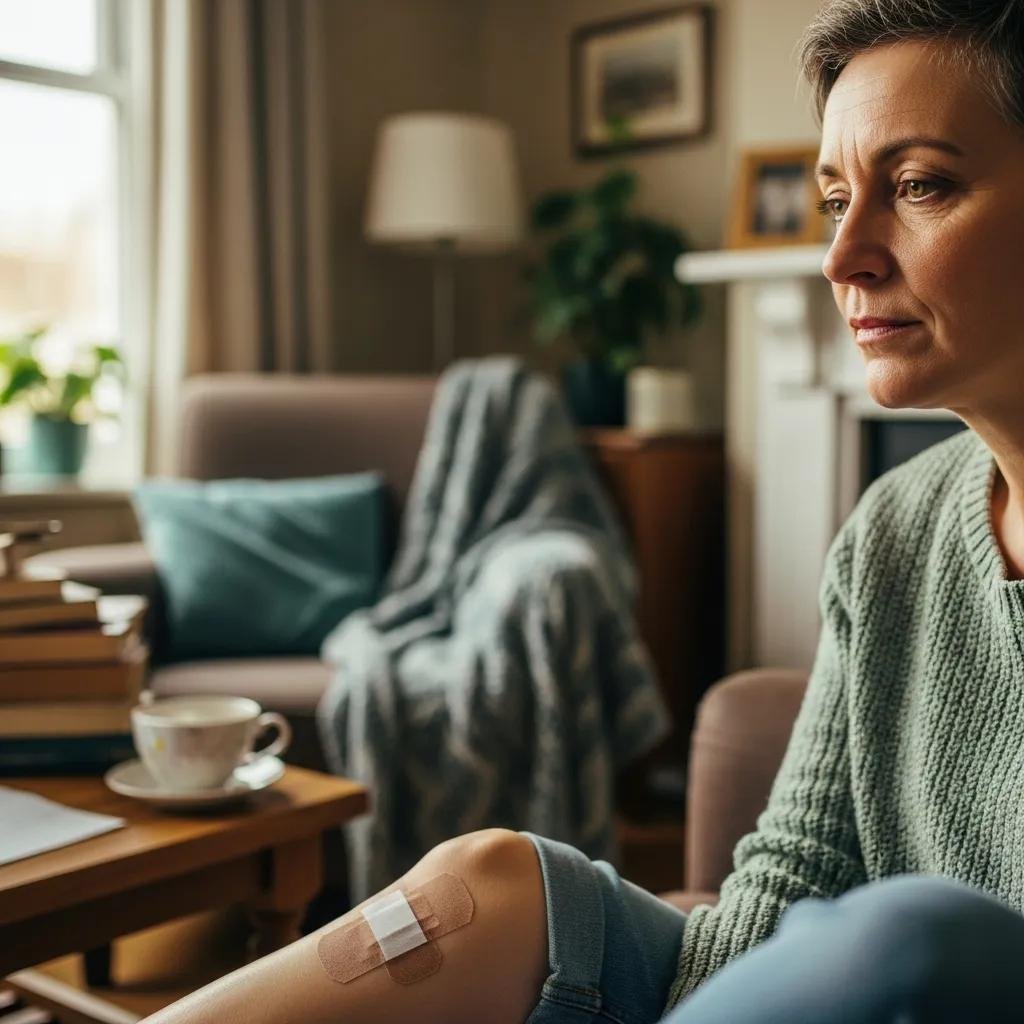
Chronic wounds often cause ongoing pain, limit mobility, and increase anxiety or depression — all of which can slow recovery. Research shows people with persistent wounds have higher rates of mental‑health strain, and that untreated or poorly managed wounds frequently lead to complications that require hospital care, driving higher readmission rates.
What causes readmissions among wound care patients?
Several common problems contribute to readmissions in this population, including:
- Infection: Wounds that become infected can deteriorate rapidly without prompt, expert care.
- Poor adherence to treatment: Challenges with dressing changes, off‑loading, or medication can slow healing.
- Insufficient follow‑up: Missed monitoring or delayed interventions can allow small problems to become severe.
Recognizing these drivers helps design interventions that prevent avoidable returns to hospital.
How does mobile wound care improve outcomes and prevent readmissions?
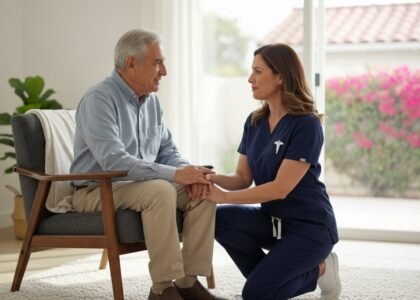
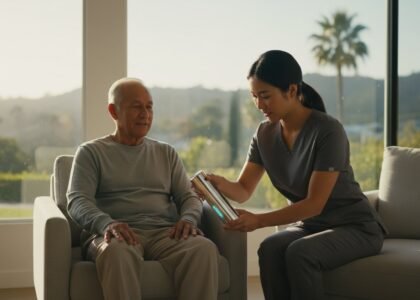
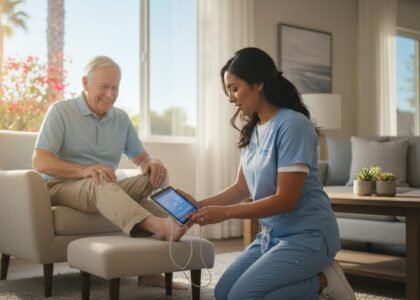
Mobile wound care improves outcomes by offering timely, tailored treatment in the patient’s home. Regular in‑home visits reduce barriers to care, improve treatment adherence, and give clinicians a fuller view of the patient’s environment — all of which reduce complications and the need for hospital care.
How does at‑home wound care boost comfort and convenience?
Receiving care at home reduces travel stress and exposure to hospital environments. Patients are more relaxed and more likely to engage with their care plan. Mobile clinicians can create realistic, individualized plans that fit the patient’s daily routine, improving consistency and satisfaction.
How does mobile care help detect problems early and prevent infection?
Regular in‑home assessments let clinicians spot signs of deterioration before they become emergencies. Specialists teach patients and caregivers to recognize early infection signs, adjust therapies quickly, and start supplemental treatments when needed. This proactive approach is key to preventing complications and speeding recovery.
What advanced treatments does Healix360 offer to reduce readmissions?
Healix360’s mobile team delivers advanced, evidence‑based therapies designed to accelerate healing and lower the risk of readmission. Our services include regenerative medicine options and negative pressure wound therapy, among other modalities shown to improve outcomes when used appropriately.
How do regenerative medicine and negative pressure wound therapy speed healing?
Regenerative medicine uses biological products to stimulate tissue repair at the cellular level — for example, platelet‑rich plasma (PRP) can encourage tissue regeneration and improve healing trajectories. Negative pressure wound therapy (NPWT) applies controlled suction to remove excess fluid, reduce edema, and increase blood flow at the wound site — all factors that support faster, more reliable healing.
Why do board‑certified specialists matter in mobile wound care?
Board‑certified wound specialists bring advanced clinical training and experience to every home visit. Their expertise ensures accurate wound assessment, evidence‑based treatment planning, and practical education for patients and caregivers — which together reduce complications and readmissions.
How does telehealth support continuous care and lower readmissions?
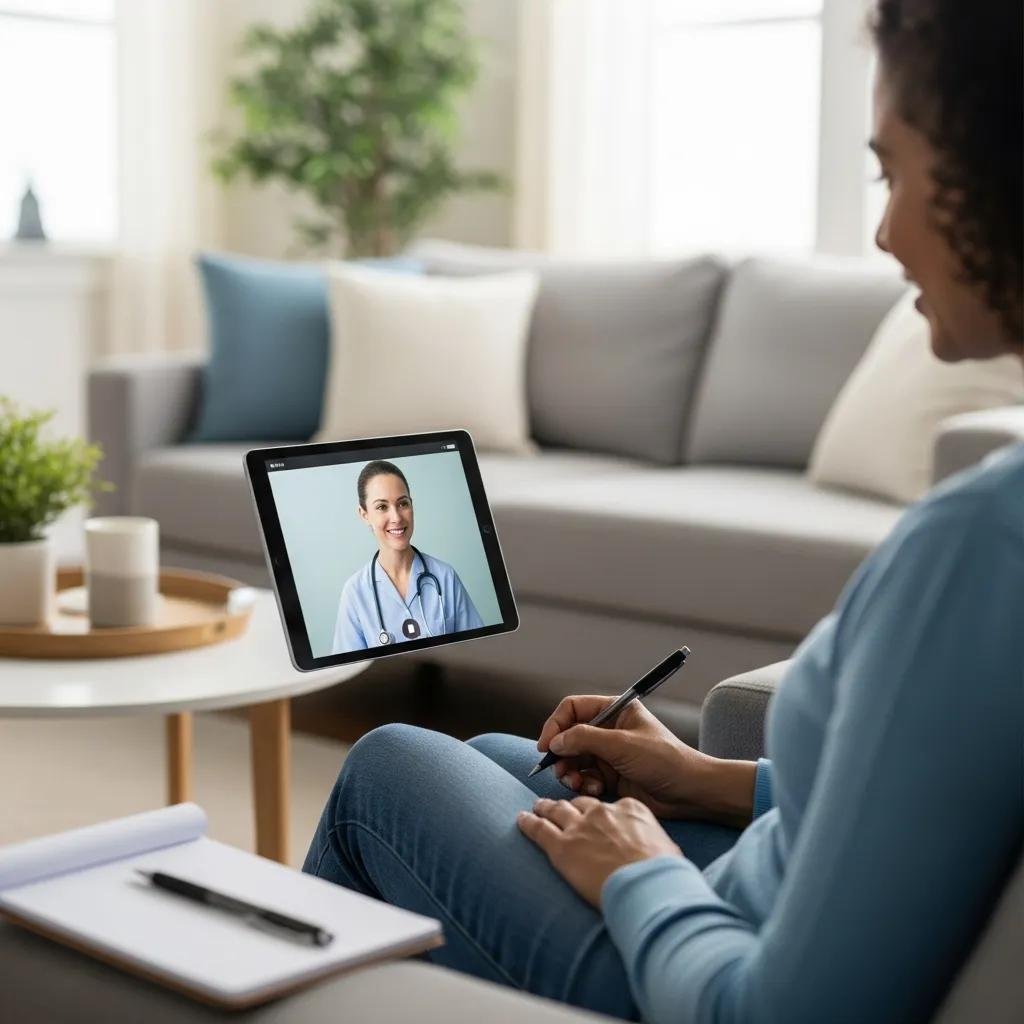
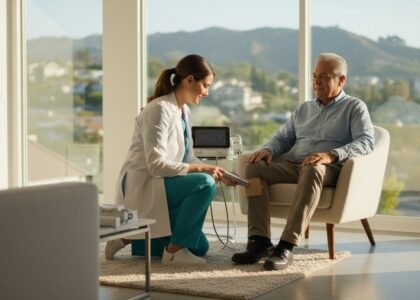
Telehealth extends the reach of mobile care by keeping clinicians connected to patients between visits. Virtual check‑ins let teams monitor progress, troubleshoot problems, and make timely adjustments — so care stays steady even when in‑person visits are spaced out.
What role do weekly follow‑ups and virtual visits play?
Weekly follow‑ups and scheduled virtual visits let clinicians track healing progress closely and react quickly to changes. These touch points provide patients a convenient way to raise concerns and get guidance, which supports adherence and prevents small issues from escalating.
How does telemedicine improve communication among patients, caregivers, and specialists?
Telemedicine creates a shared space for patients, caregivers, and clinicians to review wound status, discuss barriers, and coordinate care. Better communication leads to clearer instructions, stronger caregiver support, and higher adherence — all reducing the chance of readmission.
Digital tools and telemedicine have become essential for effective, ongoing management of chronic wounds.
Telemedicine for chronic wound management
Chronic wounds have been a great burden to patients and the health care system. The popularity of the internet and smart devices, such as mobile phones and tablets, has made it possible to adopt telemedicine (TM) to improve the management of chronic wounds.
Telemedicine in chronic wound management: systematic review and meta-analysis, 2020
What is the economic impact of mobile wound care on readmissions?
Mobile wound care can meaningfully reduce costs for patients and health systems by preventing hospital stays and their associated expenses. Keeping care at home lowers out‑of‑pocket spending for many patients and helps providers use resources more efficiently.
How does mobile wound care lower costs and financial strain?
By reducing hospital admissions, mobile services cut the direct costs of inpatient care and the indirect costs of transportation and caregiver time. For health systems, fewer readmissions mean better allocation of beds and staff; for patients, it often translates to lower bills and less disruption.
What success stories demonstrate Healix360’s impact?
Patients served by Healix360’s mobile wound care team report faster healing, reduced pain, and greater satisfaction with their care. These outcomes reflect how focused, home‑based interventions can prevent complications and reduce the need for hospital readmission.
| Treatment | Mechanism | Benefit |
|---|---|---|
| Regenerative Medicine | Stimulates tissue growth | Supports healing |
| Negative Pressure Therapy | Promotes blood flow and fluid removal | Reduces infection risk |
| Personalized Care Plans | Tailored to individual needs | Enhances treatment adherence |
Combining advanced therapies with personalized plans shows how mobile wound care can address the complexity of chronic wounds — improving outcomes and cutting readmissions.
Mobile wound care is a practical, patient‑centered approach that lowers readmission risk by delivering specialized treatment where patients live. When advanced therapies, expert clinicians, and telehealth are used together, patients get continuous, coordinated care that speeds healing and reduces unnecessary hospital visits.
Frequently asked questions
Which chronic wounds are commonly treated with mobile wound care?
Mobile wound care treats a wide range of chronic wounds, including diabetic foot ulcers, pressure injuries (bedsores), venous leg ulcers, and nonhealing surgical wounds. Each wound type has distinct risks and care needs; mobile specialists evaluate and tailor treatment plans to address those specific challenges and improve healing.
How does mobile wound care address patients’ emotional needs?
Home‑based care reduces the stress of hospital visits and helps patients feel more comfortable and in control. Our clinicians provide education and emotional support during visits, helping patients understand their condition and participate actively in recovery — which improves both mental well‑being and clinical outcomes.
What role does patient education play in mobile wound care?
Education is central to successful wound management. Clinicians teach wound‑care techniques, identify infection signs, and explain the importance of adherence. Informed patients and caregivers can detect problems early and follow care plans properly, which reduces complications and readmissions.
How can caregivers support patients receiving mobile wound care?
Caregivers help by following care instructions, assisting with daily wound routines, and keeping communication open with clinicians. Their involvement ensures treatment steps are followed and allows the care team to make timely adjustments when needed.
What challenges should patients expect with mobile wound care?
Potential challenges include limited access to certain equipment in the home, variability in patient adherence, and the occasional need for more intensive in‑facility care. Strong communication and realistic care plans help overcome these limits and keep treatment effective.
How does mobile wound care fit with other healthcare services?
Mobile wound care integrates with primary care, physical therapy, home health, and telehealth to create a coordinated plan. Telemedicine enables remote check‑ins, while allied services address mobility and comorbid conditions — together forming a comprehensive care pathway.
Conclusion
Mobile wound care improves outcomes by delivering specialized, compassionate treatment in the home — reducing hospital readmissions and supporting faster recovery. When advanced therapies, board‑certified clinicians, and telehealth are combined, patients receive continuous, personalized care that addresses both clinical and practical needs. Learn how Healix360 can simplify wound management and help you or a loved one heal with confidence.