

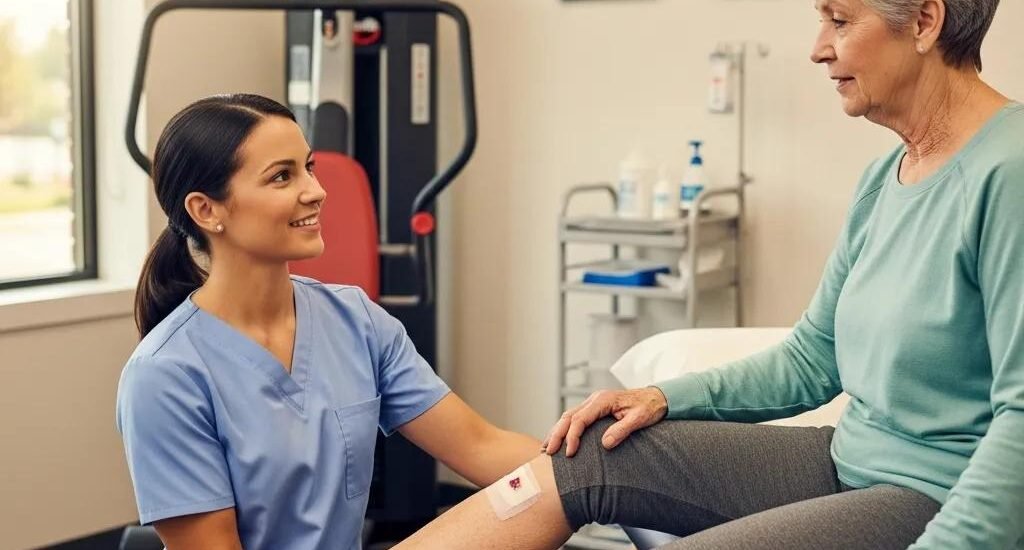
Physical Therapy’s Impact on Wound Healing and Recovery
Physical therapy is a key part of wound care. When applied thoughtfully, PT techniques speed recovery, reduce pain, and help patients regain function. This piece explains how physical therapy supports wound healing, the tools clinicians use, and practical applications across common wound types. Many people with chronic wounds face prolonged discomfort, reduced mobility, and repeated setbacks — physical therapy offers a structured path to fewer complications and better outcomes. We also describe how Healix360 brings these services directly to patients through mobile, regenerative wound care.
What Is Physical Therapy in Wound Healing and Why Is It Essential?
Physical therapy for wound healing uses targeted interventions to support tissue repair and restore movement. Beyond dressing changes, PT focuses on restoring circulation, managing pain, and rebuilding strength and range of motion — all of which create a healthier environment for wounds to close.
PT is most effective when treatments are tailored to each patient’s needs. Therapeutic exercise, manual techniques, and modalities such as electrical stimulation can work together to improve blood flow, reduce swelling, and speed tissue regeneration. That combination makes physical therapy an essential component of comprehensive wound care.
How Does Physical Therapy Support Chronic Wound Rehabilitation?
In chronic wound care, physical therapy addresses the underlying factors that slow healing. While procedures like debridement are usually performed by wound specialists or physicians, physical therapists concentrate on restoring mobility and circulation through exercise and movement strategies.
Chronic wounds often come with pain and limited function. Physical therapists use graded exercise, gait training, and pain-management techniques so patients can move more comfortably and safely. Improved mobility helps patients participate in daily life and reduces the risk of further decline — a practical, patient-centered route to independence and better quality of life.
Evidence highlights that early rehabilitation can help restore gait and speed recovery for people with chronic lower-extremity wounds.
Early Rehabilitation Improves Gait and Wound Outcomes
This multicenter Japanese retrospective study examined whether early rehabilitation delivered by physical or occupational therapists improved gait restoration, wound healing, and rates of discharge to home in patients with chronic lower-extremity wounds.
Effect of early rehabilitation on gait, wound and home discharge in lower extremity chronic wound patients: A Japanese multicenter retrospective study, 2023
Who Benefits Most from Physical Therapy for Ulcers and Wound Care?
Patients with chronic conditions — diabetes, peripheral vascular disease, or limited mobility — often gain the most from PT integrated into their wound plan. Diabetic foot ulcers, pressure injuries, and venous leg ulcers are examples where targeted PT can change the recovery trajectory.
Older adults and residents of assisted-living settings also benefit, since limited mobility increases the risk of wounds and slows healing. Physical therapists tailor interventions to each person’s abilities, reducing complications and supporting safer, longer-term independence.
Which Physical Therapy Techniques Accelerate Wound Healing?
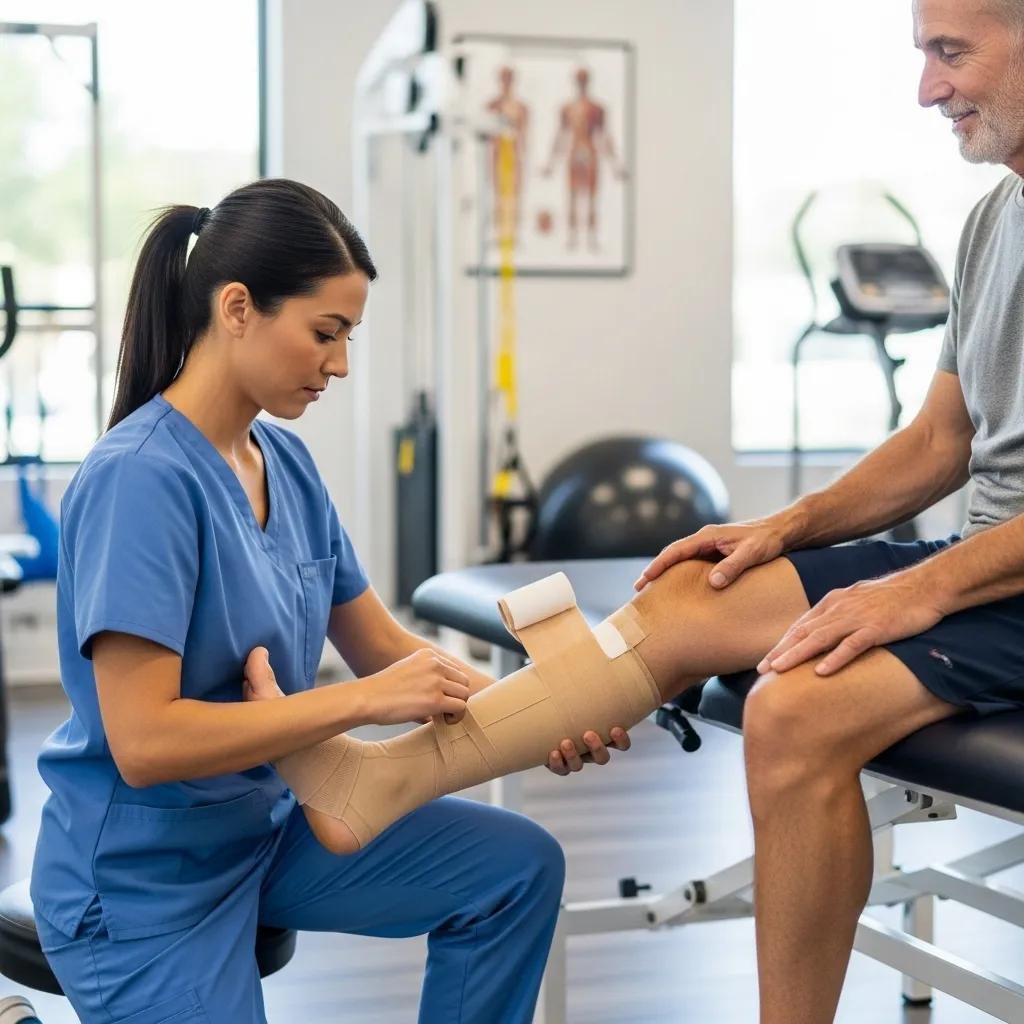
Several PT techniques support faster, more reliable wound healing. Common strategies include therapeutic exercise, compression therapy, and electrical stimulation — each targeting a specific barrier to recovery.
- Therapeutic Exercises: Planned movement, strength training, and range-of-motion work improve circulation and tissue health, helping wounds close while restoring function.
- Compression Therapy: Graduated compression reduces edema and improves venous return — a cornerstone for treating venous leg ulcers and lowering re‑occurrence risk.
- Electrical Stimulation: Carefully applied electrical currents can boost cellular activity and local blood flow, supporting tissue repair in slow-healing wounds.
How Do Therapeutic Exercises Improve Mobility for Wound Recovery?
Therapeutic exercises focus on the muscles and joints needed for safe movement and wound offloading. Programs may include range-of-motion drills, progressive strengthening, and balance practice — all adjusted to the patient’s pain level and healing stage.
Better mobility lets patients return to daily tasks with less pain and lowers secondary risks like muscle wasting and joint stiffness. That functional improvement complements wound-focused treatments and supports long-term recovery.
What Roles Do Compression Therapy and Electrical Stimulation Play in Wound Repair?
Compression therapy reduces swelling and restores venous flow, which is especially important for venous ulcers. By improving circulation, compression helps the wound bed receive oxygen and nutrients needed to heal.
Electrical stimulation targets the cellular processes of repair, encouraging wound-edge migration and local perfusion. In combination, these modalities address both the mechanical and biological barriers to healing for a more complete care plan.
How Does Physical Therapy Address Specific Wound Types?
Physical therapy is adapted to the wound type and the patient’s overall health. Interventions differ for diabetic foot ulcers, pressure injuries, venous leg ulcers, and post-surgical wounds to ensure focused, effective care.
- PT Strategies for Diabetic Foot Ulcers and Pressure Injuries: For diabetic foot ulcers, PT emphasizes offloading, gait re-education, and foot-care education in coordination with glucose management. Pressure injury care includes repositioning schedules, pressure-relief surfaces, and mobility plans that protect vulnerable skin.
- PT for Venous Leg Ulcers and Post-Surgical Wounds: Venous leg ulcers respond well to combined compression and calf-strengthening exercises to restore pump function. After surgery, therapists prioritize safe restoration of range of motion and strength while protecting the healing incision.
Systematic reviews indicate that physical therapy targeting ankle and calf mobility can improve calf pump function, which supports healing and quality of life for patients with venous leg ulcers.
PT Targeting Mobility Helps Venous Leg Ulcer Healing and Quality of Life
Abstract: Patients with venous leg ulcers often have calf muscle pump dysfunction and reduced ankle range of motion. Physical therapy or exercise that improves ankle mobility may restore pump function and support wound healing, with potential benefits for patients’ quality of life.
Effect of physical therapy on wound healing and quality of life in patients with venous leg ulcers: a systematic review, RS Kirsner, 2015
How Does Healix360 Integrate Physical Therapy with Mobile Regenerative Wound Care?
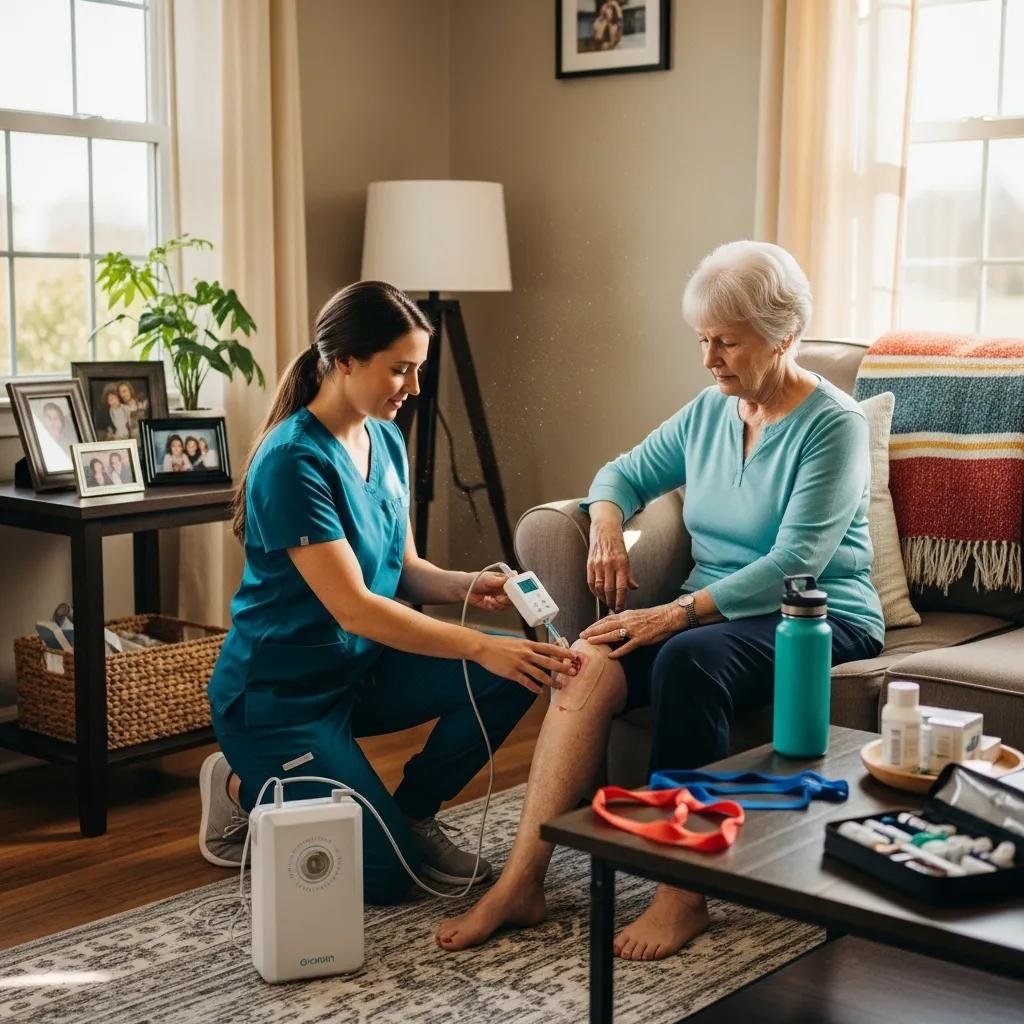
At Healix360, we combine hands-on physical therapy with regenerative wound treatments in patients’ homes. This integrated, mobile model improves access to specialized care and lets clinicians tailor therapies to how patients live and move daily.
Pairing PT with regenerative options — such as biologic dressings or growth-factor therapies — helps address both the biological and mechanical needs of a wound. That coordinated approach often shortens healing time and supports better functional recovery.
How Does Healix360 Facilitate At-Home Physical Therapy and Patient Education?
Healix360 creates personalized home-based plans that include guided exercises, safety coaching, and caregiver training. We set realistic goals, demonstrate techniques, and provide written and digital resources so patients and families can follow the plan between visits.
Education is central: teaching safe mobility, skin inspection, and wound-care basics reduces complications and builds confidence. For support, Healix360 offers resources and contact options to help patients and caregivers through their recovery.
What Are the Benefits of Combining Regenerative Treatments with Physical Therapy?
Combining regenerative therapies with physical therapy enhances the local healing environment while restoring the function needed to maintain that progress. Regenerative products support tissue repair; PT restores circulation and mechanics — together they reduce complications and improve patient satisfaction.
Patients who receive integrated care often experience faster closure, less pain, and a clearer path back to daily activities and independence.
Key Mobility and Prevention Strategies to Support Long-Term Healing
Protecting progress after a wound closes requires ongoing mobility work, education, and preventive measures. These strategies reduce recurrence and support lasting function.
- Mobility Exercises: Daily, progressive mobility and strengthening exercises maintain circulation and muscle mass, preventing common complications of immobility.
- Patient and Caregiver Education: Clear, practical instruction on skin checks, footwear, repositioning, and nutrition empowers patients and caregivers to prevent setbacks.
- Preventive Measures: Regular skin assessments, pressure-relief strategies, and attention to nutrition and glycemic control lower the risk of recurrence.
How Can Mobility Exercises Prevent Wound Recurrence and Complications?
Mobility exercises keep blood flowing and muscles active, which helps nourish the skin and reduce pressure points that cause new wounds. They also preserve balance and strength, lowering fall risk and other complications that could interrupt healing.
Incorporating simple, supervised exercises into daily routines makes prevention practical and sustainable — a small time investment that yields big long-term benefits.
What Patient and Caregiver Education Supports Sustained Functional Independence?
Education that focuses on practical, repeatable steps — daily skin checks, safe transfers, prescribed exercises, and when to call for help — supports independence and early problem detection. We recommend clear handouts and short coached sessions so knowledge sticks.
When patients and caregivers understand what to watch for and how to act, they can prevent complications and maintain function between clinical visits.
| Technique | Description | Benefit |
|---|---|---|
| Therapeutic Exercises | Personalized movement and strengthening programs | Improves circulation and supports tissue repair while restoring function |
| Compression Therapy | Graduated compression to reduce edema and support venous return | Reduces swelling and creates a more favorable healing environment |
| Electrical Stimulation | Targeted electrical currents to stimulate cellular activity and perfusion | Speeds tissue repair in slow-healing wounds |
This table highlights core PT techniques and how each contributes to a balanced wound-care plan.
| Wound Type | Treatment Strategy | Key Focus |
|---|---|---|
| Diabetic Foot Ulcers | Offloading, gait training, and foot-care education | Pressure relief and protecting skin while managing glycemic factors |
| Pressure Injuries | Repositioning schedules and pressure-relieving surfaces | Remove pressure and protect skin integrity |
| Venous Leg Ulcers | Compression therapy plus calf-strengthening exercises | Improve venous return and reduce edema |
This table outlines practical treatment focuses for common wound types and the functional goals we prioritize.
Frequently Asked Questions
What role does patient education play in PT for wound care?
Education is foundational. Clear teaching about exercises, skin inspection, offloading and lifestyle adjustments helps patients participate actively in healing and prevents avoidable setbacks. When patients understand why tasks matter and how to do them safely, outcomes improve.
How can caregivers support patients in PT for wound healing?
Caregivers help patients follow exercise plans, assist with safe transfers, monitor wounds, and reinforce daily skin checks. Training caregivers in simple techniques and warning signs boosts confidence and safety at home.
What are signs a wound is not healing properly?
Warning signs include increased redness, persistent or worsening pain, growing wound size, new or worsening swelling, foul odor, or pus. Fever or spreading redness should prompt urgent medical review. Early reporting lets clinicians intervene faster.
How does mobility affect wound healing?
Mobility improves blood flow, delivers nutrients to tissue, and prevents issues like muscle loss and joint stiffness that can slow recovery. Safe, progressive movement is a cornerstone of maintaining the gains made during wound treatment.
Who typically needs PT as part of wound care?
People with diabetes, vascular disease, mobility limitations, or those recovering from surgery commonly benefit from PT integrated with wound care. Elderly patients and those in long-term care settings often need targeted PT to prevent and heal wounds.
Can PT be combined with other wound treatments?
Yes. PT pairs well with regenerative therapies, advanced dressings, medication management, and nutritional support. A coordinated, multidisciplinary plan addresses both the biology of the wound and the mechanical factors that affect healing.
Conclusion
Physical therapy is a practical, evidence-informed part of successful wound care. By restoring circulation, reducing swelling, and rebuilding strength, PT helps wounds heal and helps people get back to their lives. Healix360’s mobile, integrated model brings these benefits into the home — combining regenerative treatments with rehabilitation to improve outcomes and preserve function. Learn how our team can support your recovery.