

Arterial Ulcers — Diagnosis, Care, and Treatment Options
Arterial ulcers are a serious complication often linked to peripheral artery disease (PAD). This guide explains what they are, how clinicians diagnose them, and which treatments help them heal. You’ll find clear descriptions of symptoms and causes plus practical information on timely interventions that improve outcomes. Whether you’re a patient, caregiver, or clinician, early recognition and the right care can make a big difference — this guide walks through what to expect and why each step matters.
What Are Arterial Ulcers? Symptoms and Causes Explained
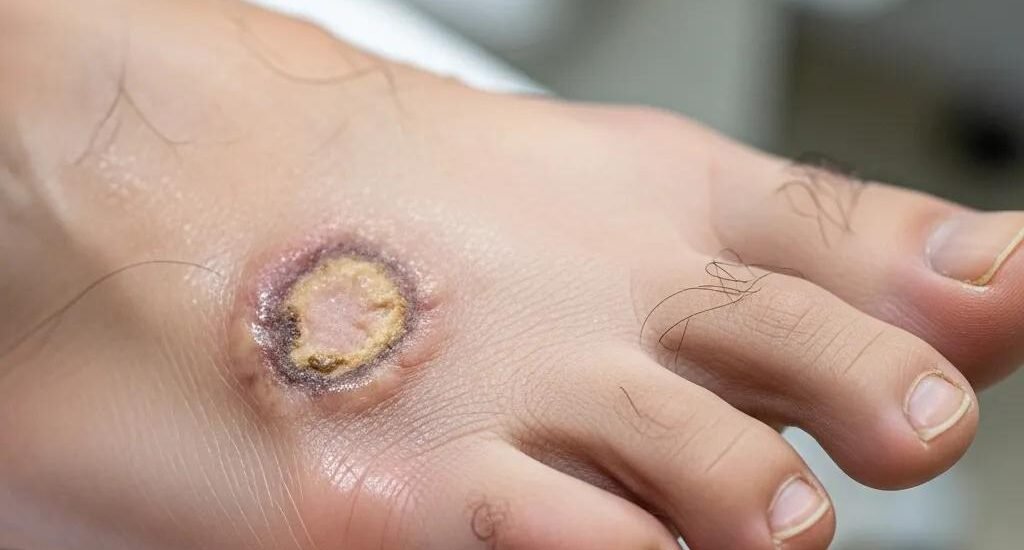
Arterial ulcers are open wounds caused by reduced blood flow to the skin and underlying tissues, most commonly from peripheral artery disease. They tend to appear on the lower legs, especially the feet and toes, where circulation is poorest. Without adequate oxygen and nutrients, tissue breaks down and an ulcer forms. Knowing what causes these ulcers and how they present is key to timely, effective care.
How do arterial ulcers develop from peripheral artery disease?
Peripheral artery disease narrows the arteries that supply the limbs, cutting off the blood needed for tissue repair. Even small cuts or pressure injuries may fail to heal under this reduced blood flow. Over time the skin can break down and a painful arterial ulcer can form. Left untreated, these wounds are prone to infection and further complications.
What are the common signs and symptoms of arterial ulcers?
Look for these common signs of arterial ulcers:
- Painful sores
: Ulcers are frequently painful, often worse at rest and sometimes more noticeable when the leg is elevated. - Cool skin
: Skin near the ulcer may feel cooler compared with surrounding areas because of poor circulation. - Color changes
: The skin may look pale, glossy, or bluish, reflecting reduced blood flow. - Slow healing
: These wounds usually heal slowly or not at all without interventions that improve circulation. - Little bleeding or drainage
: Because blood supply is limited, arterial ulcers often produce minimal exudate.
Early recognition of these signs lets clinicians act faster and improves the chance of healing.
How Are Arterial Ulcers Diagnosed? Key Methods and Assessments
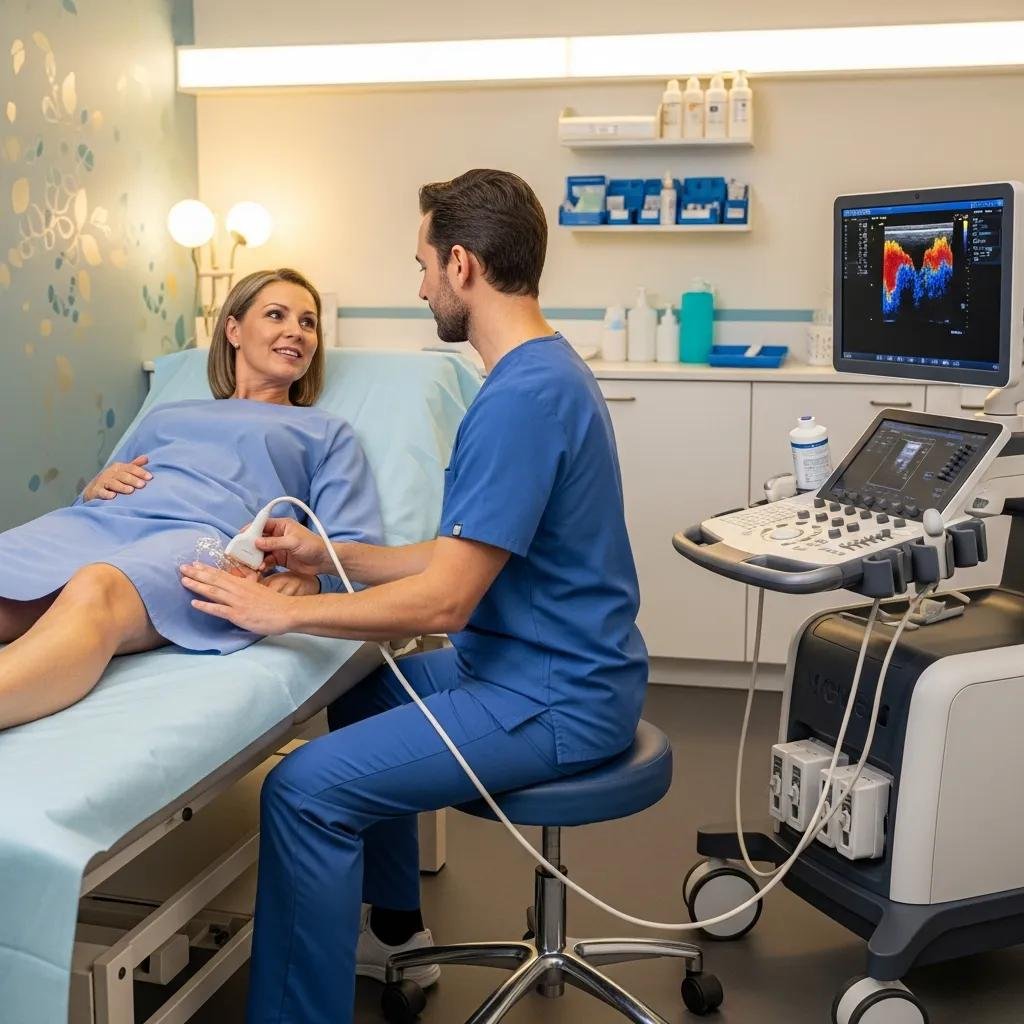
Accurate diagnosis combines a focused clinical exam with targeted tests to measure blood flow and tissue oxygenation. Those results guide the care plan — from conservative wound management to revascularization procedures.
Which clinical tests confirm arterial ulcer diagnosis?
Clinicians commonly use these tests to confirm arterial involvement:
- Ankle‑brachial index (ABI)
: Compares ankle and arm blood pressures to estimate limb perfusion. An ABI below 0.9 generally suggests PAD. - Doppler ultrasound
: Uses sound waves to visualize arterial blood flow and identify areas of reduced circulation. - Transcutaneous oxygen pressure (TcPO2)
: Measures oxygen levels at the skin surface to assess healing potential and local perfusion.
Together, these tests help determine disease severity and guide treatment decisions tailored to the patient.
Research provides more detail on how peri‑ulcer TcPO2 measurements are performed and interpreted to refine wound assessments.
Transcutaneous Oxygen Pressure for Ulcer Diagnosis
The described procedure measures peri‑ulcer transcutaneous oxygen partial pressure (tcPO2) using at least four electrodes placed close to the wound margin. As part of the assessment, the patient inhales pure oxygen for about 15 minutes. Two parameters were introduced to characterize chronic wounds: the oxygen characteristic (K‑PO2) and the oxygen inhomogeneity (I‑PO2). K‑PO2 allows grading of wound hypoxia, distinguishing compensated hypoxia (K‑PO2 ≈ 35–40 mmHg) from pathological decompensated hypoxia (K‑PO2 ≈ 0–35 mmHg).
… diagnostic clinical procedure for the determination of an oxygenation status of chronic lower leg ulcers using peri-ulceral transcutaneous oxygen partial pressure …, 2012
How does imaging aid in evaluating arterial ulcers?
Imaging helps map the extent and location of arterial disease so clinicians can plan revascularization when needed. Common imaging studies include:
- Angiography
: Contrast dye outlines the blood vessels, identifying blockages or narrowing. - Magnetic resonance angiography (MRA)
: A non‑invasive option that uses magnetic fields and radio waves to visualize arterial anatomy. - Computed tomography angiography (CTA)
: CT imaging with contrast to reveal vessel structure and occlusions.
These studies give a clear picture of arterial disease and guide whether endovascular or surgical intervention is appropriate.
What Are the Treatment Options for Arterial Ulcers?
Treating arterial ulcers focuses on two goals: improving blood flow to the affected area and managing the wound itself. The right approach depends on ulcer severity, comorbidities, and overall patient goals.
Which medical and surgical treatments promote arterial ulcer healing?
Medical and supportive treatments commonly used include:
- Antibiotics
: Used when infection is present or strongly suspected to control bacterial burden. - Wound care
: Regular cleaning, appropriate dressings, and off‑loading to create an environment that supports healing. - Medications
: Antiplatelet agents, statins, and other vascular‑risk therapies to improve circulation and reduce cardiovascular risk.
When circulation cannot be restored with conservative care alone, procedures to reestablish blood flow include:
- Angioplasty
: A minimally invasive procedure to dilate narrowed arteries and improve perfusion. - Bypass surgery
: Creating an alternate route for blood flow around a blockage.
Those interventions aim to increase oxygen delivery and enable wound closure.
How does mobile wound care improve arterial ulcer management?
Mobile wound care brings specialized treatment directly to patients, reducing barriers to consistent care. At
Healix360
, mobile services combine clinical expertise with convenient, in‑home or community‑based delivery. Typical benefits include:
- Personalized care plans
: Plans shaped around the patient’s medical needs, mobility, and home situation. - Access to specialists
: Wound care clinicians and vascular experts available without long travel. - Ongoing support
: Frequent reassessments and dressing changes that adapt as the wound heals.
Timely, expert wound care at home can speed healing, prevent complications, and keep patients more comfortable.
How Does Regenerative Medicine Support Arterial Ulcer Healing?

Regenerative medicine explores therapies that encourage the body to repair damaged tissue and restore blood supply. While still evolving, these approaches may complement conventional care in select patients.
What regenerative therapies are available for arterial ulcers?
Several experimental and adjunctive regenerative options are under investigation or limited clinical use:
- Stem cell therapy
: Uses cells with regenerative potential to stimulate tissue repair and angiogenesis; currently experimental and not yet standard practice. - Platelet‑rich plasma (PRP) therapy
: Concentrated platelets from the patient’s blood that may promote healing; evidence for arterial ulcers is still emerging.
These therapies aim to boost natural repair processes and can be considered adjuncts rather than first‑line treatments.
Evidence for regenerative approaches continues to develop; factors such as patient age and the biology of new vessel formation can affect outcomes.
Regenerative Therapy for Peripheral Arterial Disease
Preclinical data indicate that the function and angiogenic potential of regenerative cells may decline with age, suggesting older patients might respond differently to vascular regenerative therapies.
Regenerative medicine in the treatment of peripheral arterial disease, 2009
What are the benefits and limitations of regenerative medicine in wound healing?
Potential benefits include:
- Faster or more complete tissue repair: Techniques that stimulate cellular repair may accelerate closure.
- Reduced scarring: Improved tissue integration can lead to better cosmetic and functional results.
Limitations to consider:
- Cost: Advanced therapies can be expensive and may not be covered by insurance.
- Access: Availability varies by region and by specialized centers.
- Limited evidence: More high‑quality clinical trials are needed to confirm safety and effectiveness for arterial ulcers.
Patients and clinicians should weigh these factors when considering regenerative options.
How Does Peripheral Artery Disease Affect Wound Healing in Arterial Ulcers?
Peripheral artery disease is a primary driver of poor wound healing in arterial ulcers. Reduced perfusion prevents delivery of oxygen and nutrients, directly impairing the body’s repair mechanisms.
Why is peripheral artery disease critical in arterial ulcer prognosis?
PAD shapes the outlook for arterial ulcers because it controls how much blood reaches the wound. Consequences include:
- Delayed healing
: Lower oxygen delivery slows tissue repair and increases infection risk. - Greater severity
: Without improved perfusion, ulcers can deepen or expand. - Higher amputation risk
: Longstanding, nonhealing ulcers in severe PAD raise the chance of limb loss.
Addressing the vascular problem is often necessary to achieve lasting wound closure.
What strategies improve wound healing in patients with peripheral artery disease?
Strategies that support healing in PAD include:
- Lifestyle modifications
: Quit smoking, increase safe activity, and follow a heart‑healthy diet to improve circulation and overall vascular health. - Medication management
: Optimize medicines for blood pressure, glucose, lipids, and antiplatelet therapy to reduce risk and improve perfusion. - Revascularization procedures
: When appropriate, endovascular or surgical interventions can restore blood flow to the limb. - Regular monitoring
: Close follow‑up to assess healing, adjust treatment, and catch complications early.
Combining these strategies increases the likelihood of wound improvement and preserves limb function.
| Treatment Option | Description | Benefits |
|---|---|---|
| Medical Management | Includes antibiotics and wound care | Reduces infection risk and promotes healing |
| Surgical Interventions | Angioplasty and bypass surgery | Restores blood flow to affected areas |
| Regenerative Therapies | Stem cell and PRP therapy | May enhance tissue regeneration and healing (adjunctive) |
Arterial ulcers are complex and often require coordinated care across specialties. Understanding symptoms, diagnostics, and treatment options helps patients and providers make informed decisions. When combined with specialized services like those from
Healix360
, individualized care plans can improve healing, comfort, and overall quality of life.
Frequently Asked Questions
What lifestyle changes can help prevent arterial ulcers?
Preventing arterial ulcers starts with improving vascular health. Key steps are quitting smoking, which sharply reduces blood flow; staying active with doctor‑approved exercise to boost circulation; and following a balanced diet that supports healthy weight and cholesterol. Managing chronic conditions like diabetes and hypertension with medications and regular doctor visits is equally important. These measures lower the risk of PAD and its complications.
How can patients manage pain associated with arterial ulcers?
Pain control matters for comfort and function. Over‑the‑counter analgesics such as acetaminophen or NSAIDs can help short‑term, but you should talk with your clinician before regular use. Proper wound care, avoiding pressure on the area, and limb positioning (often keeping the leg dependent rather than elevated) can also reduce pain. For persistent or severe pain, consult your healthcare team for tailored treatment, which may include prescription medications or interventional options.
What role does nutrition play in healing arterial ulcers?
Nutrition supports every step of wound repair. Adequate protein, vitamin C, vitamin A, zinc, and overall caloric intake are essential for tissue regeneration and immune function. Hydration helps maintain skin integrity. If you have underlying conditions such as diabetes, a nutritionist can help design a healing‑focused meal plan that also controls blood sugar and cardiovascular risk factors.
Are there any alternative therapies for arterial ulcer treatment?
Some adjunctive therapies may support conventional care. Hyperbaric oxygen therapy can increase tissue oxygenation in selected cases, and natural products like honey have antimicrobial and soothing properties that may be useful in certain wound dressings. Always discuss alternative or complementary approaches with your care team — they are not substitutes for medical treatment but can sometimes be used alongside standard care.
How often should patients with arterial ulcers have follow-up appointments?
Frequent follow‑up is important, especially early in treatment. Many patients are seen every 1–2 weeks to monitor the wound, change dressings, and reassess vascular status. The exact schedule depends on wound severity, treatment plan, and response to care; your clinician will recommend the right cadence for you.
What are the signs that an arterial ulcer is worsening?
Seek prompt care if you notice increasing pain, spreading redness or swelling, new drainage or pus, a foul odor, or rapid enlargement of the wound. Failure to show improvement after several weeks of appropriate care is another red flag. Early recognition of infection or deterioration allows timely intervention and can prevent more serious outcomes.
Conclusion
Arterial ulcers require careful assessment and a coordinated treatment plan that addresses both the wound and the blood supply. Early recognition, appropriate diagnostics, and timely interventions — from optimized wound care to revascularization or adjunctive therapies — improve the chance of healing and limb preservation. If you or a loved one is coping with a chronic lower‑leg wound, reach out to specialized services like Healix360 for personalized, expert care that meets patients where they are.