


How Hyperbaric Oxygen Therapy Speeds Wound Healing and Improves Outcomes
Hyperbaric Oxygen Therapy (HBOT) helps wounds heal by delivering pure oxygen in a pressurized environment. By increasing oxygen availability to damaged tissues, HBOT can speed recovery, lower complication risks, and improve quality of life for people with chronic or hard-to-heal wounds. Below we summarize the main benefits, the wound types that respond best, how HBOT works, what patients can expect with mobile HBOT, and the safety considerations to weigh with your care team.
Hyperbaric Oxygen Therapy: Boosting Wound Healing and Outcomes
HBOT provides several practical benefits that support faster, more reliable wound repair.
- Faster tissue healing: By raising oxygen levels in affected tissues, HBOT supports cellular repair and shortens recovery time.
- Lower infection risk: High oxygen levels inhibit anaerobic bacteria and strengthen immune cell function.
- Better clinical outcomes: Many patients experience improved healing rates and fewer complications when HBOT is part of a coordinated care plan.
For people with chronic, non-healing wounds, these effects can make HBOT a valuable adjunct to standard wound care.
How Does HBOT Accelerate Healing in Chronic and Non-Healing Wounds?

HBOT increases the amount of dissolved oxygen in the blood, allowing oxygen to reach areas where circulation is poor. That extra oxygen fuels cell metabolism, supports tissue repair, and encourages angiogenesis—the growth of new blood vessels that restore nutrient and oxygen supply. Enhanced oxygenation also bolsters the immune response, helping the body control infection while tissues mend. Clinical reports and trials show that, when used appropriately, HBOT can shorten healing time and improve patients’ day-to-day functioning.
Below is a scientific summary describing approved uses and the mechanisms by which HBOT supports wound repair.
Clinical overview: Indications and mechanisms of HBOT
Hyperbaric oxygen (HBO2)—breathing 100% oxygen at pressures above 1.4 atmospheres absolute—is an established therapy with multiple approved indications, including selected problem wounds and soft-tissue radiation injury. HBO2 greatly increases oxygen dissolved in plasma, relieving tissue hypoxia common in ischemic wounds, compromised flaps, and grafts. Laboratory and clinical work also show HBOT can promote angiogenesis in irradiated tissue, reduce inflammation, affect tumor radiosensitivity, and may inhibit certain pathogens. Ongoing research explores additional applications beyond currently approved uses.
In What Ways Does HBOT Reduce Infection and Inflammation in Wounds?
HBOT helps control infection by raising tissue oxygen to levels that are hostile to anaerobic bacteria and that enhance white blood cell killing ability. Higher oxygen tension also dampens excessive inflammation, which can reduce pain and swelling and create a healthier wound environment. Many patients report noticeable improvements in infection control and comfort after starting HBOT as part of a comprehensive wound-care plan.
Which Types of Wounds Benefit Most from Hyperbaric Oxygen Therapy?
Certain wound types consistently show good responses to HBOT when combined with standard care.
- Diabetic foot ulcers: These wounds often struggle to heal because of poor circulation. HBOT can improve oxygenation and support closure, potentially reducing the risk of limb loss when used alongside other interventions.
- Pressure ulcers: For patients with limited mobility, HBOT can support tissue recovery and decrease inflammation.
- Venous leg ulcers: By improving oxygen delivery and microcirculation, HBOT can speed healing in ulcers related to chronic venous insufficiency.
How Effective Is HBOT for Diabetic Foot Ulcers and Amputation Prevention?
Clinical data on diabetic foot ulcers show that HBOT can improve healing for many patients and may reduce the need for amputation when added to comprehensive wound care. That said, results vary across studies, and patient selection, timing, and overall treatment strategy influence outcomes. Decisions about HBOT should be individualized and made with an experienced wound-care team.
It’s important to review the full evidence base—some studies report limited benefit in certain patient groups, underscoring the need for careful clinical judgment.
Study note: Mixed findings on HBOT for diabetic foot ulcers
In a cohort defined by CMS criteria, one analysis found HBO did not reduce amputation rates or increase the likelihood of wound healing. This highlights variability in outcomes and the importance of patient selection and comprehensive care plans when evaluating HBOT’s role in diabetic foot management.
Can HBOT Treat Pressure Ulcers, Venous Leg Ulcers, and Other Chronic Wounds?
Yes—when used as part of a broader treatment program, HBOT can assist healing in pressure ulcers, venous leg ulcers, and other chronic wounds. The therapy’s primary benefit is improving oxygen delivery to tissues that need it most, which supports repair and reduces inflammation. HBOT is most effective when paired with best-practice wound care, offloading, compression (for venous disease), and infection control.
How Does Hyperbaric Oxygen Therapy Work? Understanding Its Mechanism of Action
At its core, HBOT increases the amount of oxygen dissolved in plasma by having patients breathe pure oxygen under pressure. This allows oxygen to reach poorly perfused tissues beyond what red blood cells alone can deliver, supporting cell metabolism and the biological processes that drive repair.
What Is the Role of Oxygen Delivery and Angiogenesis in Wound Repair?
Oxygen is essential for energy production, collagen formation, and immune function—all central to wound repair. By stimulating angiogenesis, HBOT helps rebuild the local blood supply so wounds receive steady oxygen and nutrients. Restoring circulation and oxygenation accelerates tissue regeneration and strengthens healed tissue.
How Does HBOT Promote Collagen Synthesis and Stem Cell Activation?
HBOT enhances fibroblast activity and collagen deposition, improving the structural integrity of healing tissue. It also appears to mobilize and activate progenitor cells that contribute to regeneration. Together, these effects support stronger, faster wound closure compared with oxygen-poor conditions.
Research into HBOT’s effects on antioxidant defenses and growth-factor signaling further explains how repeated sessions support progressive wound recovery.
Research snapshot: Antioxidant and growth-factor responses to HBOT
Clinical studies report that repeated HBOT sessions can modify markers of oxidative stress and inflammation while increasing growth factors such as VEGF and IL‑6 shortly after treatment. These biochemical shifts correlate with improved wound healing in patients who had long-standing, non-healing wounds prior to therapy.
What Is the Patient Experience with Mobile Hyperbaric Oxygen Therapy?
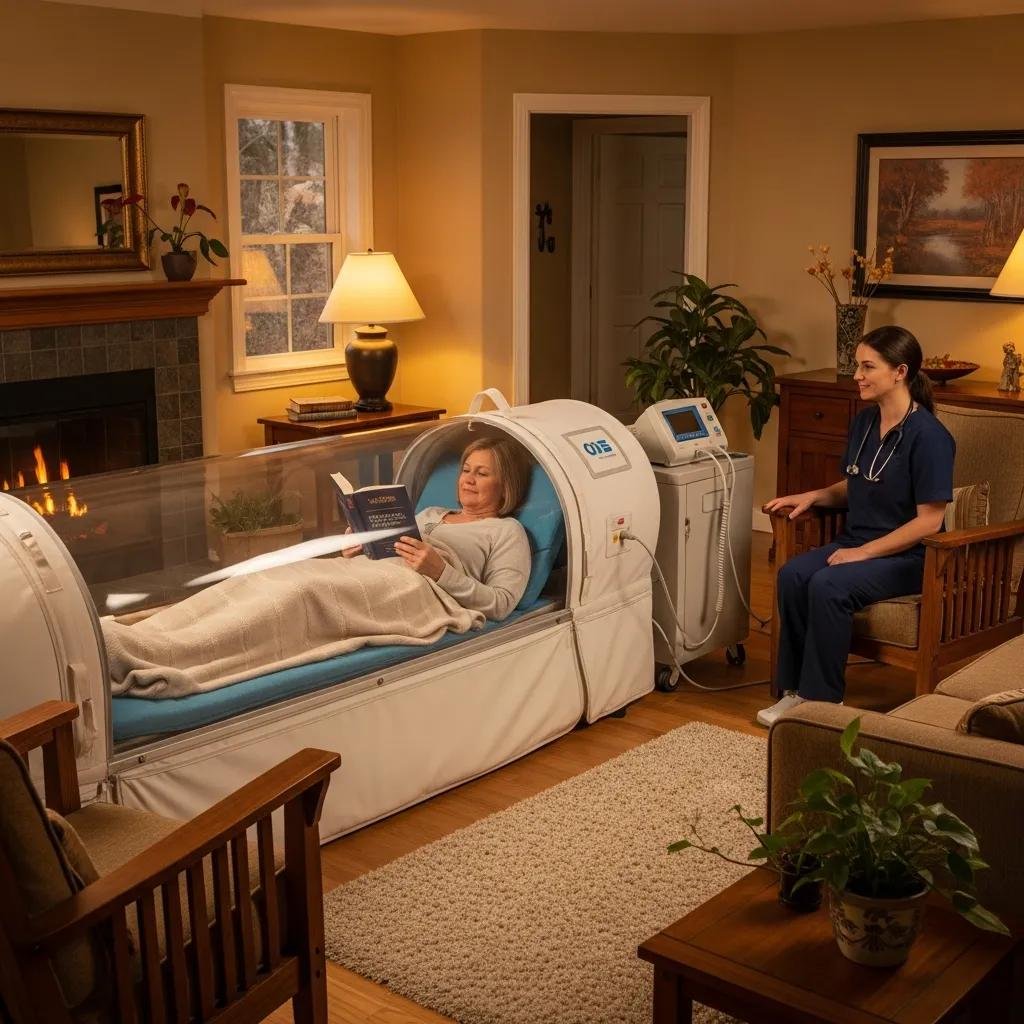
Mobile HBOT brings therapy closer to patients—either in-home or at a nearby clinic—so treatments fit into daily life with less travel and disruption. This accessibility is especially helpful for patients with mobility limits, transportation barriers, or caregiving responsibilities.
How Does Mobile HBOT Improve Accessibility and Comfort for Patients?
By delivering treatment where patients live or receive routine care, mobile HBOT reduces the physical and logistical burden of repeated visits to specialized centers. The familiar setting can lower anxiety, improve adherence to the prescribed course of therapy, and make it easier for caregivers to support treatment.
What Support Do Patients and Caregivers Receive During the HBOT Journey?
Our teams provide clear education, step-by-step guidance, and clinical oversight throughout treatment. We equip patients and caregivers with practical information about what to expect, how to prepare for sessions, and how HBOT integrates with other wound-care measures—so everyone involved feels informed and supported.
What Are the Risks, Side Effects, and Safety Considerations of Hyperbaric Oxygen Therapy?
HBOT is generally safe when delivered by trained clinicians, but like any medical therapy it carries potential side effects and contraindications that warrant discussion with your provider.
What Are Common Side Effects and Contraindications of HBOT?
Common side effects include:
- Ear pressure or discomfort: Similar to airplane ear, caused by chamber pressurization.
- Temporary vision changes: Some patients notice short-term blurring after multiple sessions.
- Fatigue: Mild tiredness following treatment is not uncommon.
HBOT is not appropriate for everyone. Contraindications include untreated pneumothorax, certain pulmonary issues, and recent ear or sinus surgery. Discuss your full medical history with a clinician to confirm suitability. For questions or to start a conversation about whether HBOT is right for you, please contact our team.
Is HBOT FDA Approved and Administered by Qualified Specialists?
Yes—HBOT has FDA-approved indications, including select chronic non-healing wounds such as diabetic foot ulcers. Treatments should be delivered by clinicians trained in hyperbaric medicine to ensure safety and to integrate HBOT with the broader wound-care plan. Our specialists work with referring providers to tailor therapy to each patient’s needs.
Frequently Asked Questions
What conditions can Hyperbaric Oxygen Therapy treat beyond wounds?
Beyond chronic wounds, HBOT is approved for conditions such as decompression sickness, carbon monoxide poisoning, and some severe soft-tissue infections. Research is ongoing into other potential uses, including inflammatory and autoimmune conditions, but approved indications and evidence levels vary by condition.
How long does a typical HBOT session last?
Sessions usually run between 60 and 120 minutes depending on the protocol and clinical goal. The full treatment course varies by diagnosis—many patients complete multiple sessions over weeks to achieve optimal results.
Are there any long-term effects of undergoing HBOT?
Serious long-term complications are uncommon. Some studies note possible effects on vision over time, but in most cases the benefits for wound healing outweigh potential risks. Ongoing follow-up with your care team helps monitor and address any changes.
Can HBOT be combined with other treatments for better results?
Yes—HBOT is frequently used alongside standard wound care, such as debridement, topical therapies, compression for venous disease, nutritional support, and physical therapy. Integrated care plans tailored to the patient deliver the best outcomes.
What should patients expect during their first HBOT session?
Your first session begins with a clinical assessment and explanation of the procedure. As pressure rises in the chamber you may feel ear fullness similar to airplane travel; staff will guide pressure equalization techniques. You’ll breathe pure oxygen while being monitored for comfort and safety throughout the session.
Is there a specific diet or preparation required before undergoing HBOT?
No strict diet is required, but we recommend avoiding heavy meals and alcohol before sessions and staying well hydrated. Tell your care team about all medications and medical history so they can advise on any necessary adjustments before treatment begins.
Conclusion
Hyperbaric Oxygen Therapy can be a powerful partner in wound healing—speeding repair, lowering infection risk, and improving outcomes when used as part of a comprehensive care plan. If you or a loved one are managing a chronic or complex wound, speak with our team to learn whether HBOT is an appropriate option and how we can support your recovery journey.