


How Proper Hydration and Fluid Balance Accelerate Wound Healing
Proper hydration is a foundational—but often overlooked—factor in wound recovery. This article explains how fluid balance supports the body’s repair processes, lowers complication risk, and can help speed recovery. We cover the physiology behind hydration and wound repair, the consequences of dehydration, practical steps to stay optimally hydrated, why a moist wound environment matters, and how Healix360 integrates hydration into its mobile wound care and regenerative therapies.
How Hydration Influences the Wound Healing Process
Fluid balance affects nearly every stage of tissue repair. When the body is well-hydrated, cells operate efficiently, blood flow is improved, and oxygen and nutrients move more readily to injured tissue—each essential for rebuilding healthy skin and soft tissue. Maintaining appropriate fluid levels supports these physiological processes and helps create conditions that favor timely, complication-free healing.
What Role Does Cellular Hydration Play in Tissue Regeneration?
Cellular hydration keeps cells structurally stable and metabolically active, which is critical for regeneration. Hydrated cells synthesize proteins, enzymes, and extracellular matrix components more effectively—molecules that tissue repair depends on. In short, adequate cellular water content helps cells divide, migrate, and rebuild tissue with greater efficiency.
How Does Hydration Support Blood Flow, Oxygen, and Nutrient Delivery to Wounds?
Hydration directly affects blood volume and circulation. Low fluid levels reduce perfusion, which limits oxygen and nutrient delivery to the wound bed and slows healing. Sufficient hydration preserves blood volume and circulation, ensuring the wound receives the oxygen, glucose, and growth factors it needs to progress through the normal stages of repair.
What Are the Effects of Dehydration on Wound Healing and Complications?
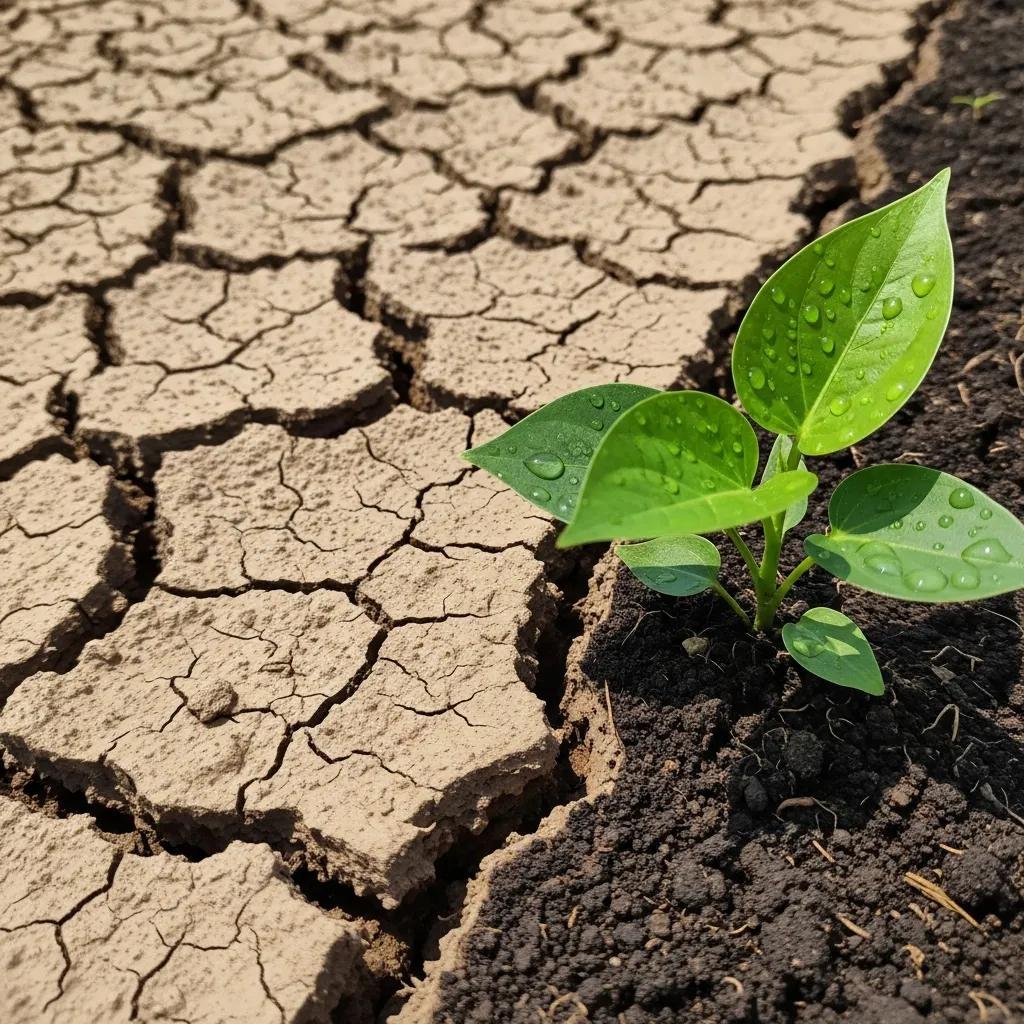
Dehydration can meaningfully delay recovery and raise the risk of complications. When fluid intake is inadequate, cellular function and circulation suffer, healing slows, and the body’s ability to fight infection is diminished. Recognizing and correcting dehydration early helps reduce these risks and supports better outcomes.
How Does Dehydration Delay Healing and Increase Infection Risk?
Dehydration impairs immune cell function and reduces blood flow to injured tissue, both of which create an environment where bacteria can take hold and healing stalls. Clinical data link poor hydration with slower wound closure and higher infection rates, so maintaining fluid balance is an important preventative step in wound care.
What Are the Signs of Dehydration in Patients and Caregivers?
Common signs to watch for include dry mouth, low energy or confusion, dizziness, dark-colored urine, and reduced urine output. Caregivers should monitor fluid intake and these symptoms; early recognition lets you intervene with oral fluids or medical assessment when needed.
How Can Patients Maintain Optimal Hydration for Wound Repair?
Staying well-hydrated is a practical, high-impact step patients can take to support healing. Effective strategies include following daily fluid guidelines, choosing hydrating foods and beverages, and building simple routines to maintain consistent intake throughout the day.
What Is the Recommended Daily Water Intake for Healing Wounds?
Fluid needs vary by age, weight, activity level, and climate, but a common guideline for many adults recovering from wounds is roughly 2–3 liters per day (about 8–12 cups or 64–96 ounces). Individual needs can differ—so adjust intake as advised by a clinician or based on symptoms and clinical status.
Which Fluids and Hydrating Foods Best Support Wound Recovery?
- Water: The most reliable way to maintain fluid balance.
- Herbal teas: Calorie-free hydration that can add antioxidants.
- Fruits and vegetables: Items like watermelon, cucumber, and oranges deliver both fluid and nutrients important to healing.
Including these options across meals and snacks helps meet fluid goals while supplying vitamins and minerals that support tissue repair.
Why Is a Moist Wound Environment Important and How Does Hydration Support It?
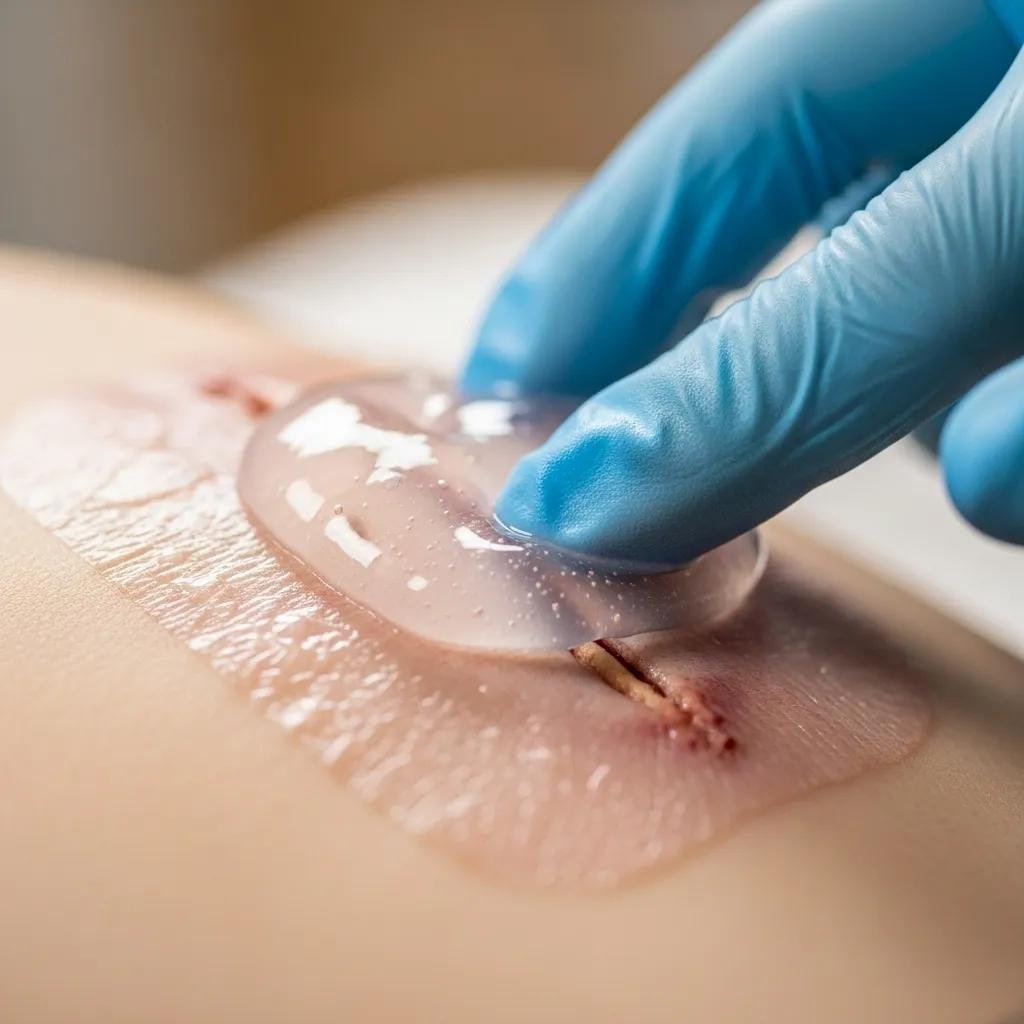
A controlled, moist wound environment promotes cell migration, supports new tissue formation, and reduces the likelihood of infection compared with excessively dry wounds. Systemic hydration contributes to that local moisture by helping the body supply the fluids needed at the wound surface.
How Does Systemic Hydration Promote a Moist Healing Environment?
When the body is adequately hydrated, interstitial fluid and wound exudate levels support a soft, moist bed that encourages epithelial cells to migrate and cover the wound. Adequate systemic fluids help maintain this microenvironment and support topical treatments and dressings to work more effectively.
What Are the Benefits of Moisture for Cell Migration and Infection Prevention?
A moist wound bed allows cells to move across the surface more easily, accelerating closure. Moisture also helps preserve tissue viability and supports local immune defenses, reducing the chance that pathogens will colonize the site.
How Does Healix360 Integrate Hydration with Advanced Mobile Wound Care Treatments?
Healix360 builds hydration awareness into our clinical approach—evaluating fluid status, advising on practical hydration plans, and pairing that guidance with our mobile wound services and regenerative therapies to optimize healing.
How Does Hydration Enhance the Effectiveness of Regenerative Medicine Therapies?
Regenerative therapies depend on an active cellular environment to work well. Adequate hydration supports cellular metabolism and nutrient delivery, helping tissues respond better to growth factors and other regenerative treatments. In short, fluid balance helps patients get the most from advanced therapies.
What Support Does Healix360 Offer to Patients and Caregivers for Managing Hydration?
Healix360 offers practical, patient-centered support: easy-to-follow hydration education, individualized fluid plans, and ongoing monitoring as part of our mobile care visits. We work with patients and caregivers to make hydration manageable and measurable during recovery.
| Hydration Strategy | Recommended Daily Intake | Benefits |
|---|---|---|
| Water | 8-12 cups (64-96 ounces) | Essential for cellular function and nutrient delivery |
| Herbal Teas | 2-3 cups | Provides hydration and antioxidants |
| Hydrating Foods | 2-3 servings daily | Supplies vitamins and minerals while enhancing hydration |
Consistent hydration supports faster, safer wound repair. By understanding how fluids affect healing and following simple hydration strategies, patients and caregivers can reduce complications and improve outcomes. Healix360 combines this practical guidance with mobile wound care services so patients receive the clinical and day-to-day support needed for recovery—learn more about our services or contact Healix360 to get started.
Frequently Asked Questions
What are the long-term effects of dehydration on wound healing?
Chronic underhydration can impede normal repair and increase the risk of non-healing wounds or recurrent ulcers. Over time, impaired cellular function and repeated infections can lead to prolonged recovery, poorer tissue quality, and greater need for medical intervention. Preventing long-term dehydration is an important part of chronic wound prevention and management.
How can caregivers encourage hydration in patients with limited mobility?
Small, frequent offers of fluid are often easier to tolerate than large amounts at once. Use cups with lids or straws, keep water within easy reach, and include hydrating foods like soups, smoothies, and fruit. Set gentle reminders or use simple tracking tools to help maintain steady intake throughout the day.
Are there specific hydration strategies for elderly patients?
Older adults may have a diminished thirst response and take medications that affect fluid balance. Offer fluids regularly, even when they don’t feel thirsty, and provide appealing choices such as flavored water, herbal teas, or fruit-based snacks. Monitor for signs of dehydration and coordinate with clinicians to adjust fluid goals when necessary.
What role does hydration play in preventing scarring after wound healing?
Keeping skin and wound tissue well-hydrated supports elasticity and healthier tissue remodeling, which can reduce the likelihood of thick or raised scars. A moist, well-nourished healing environment also lowers the risk of complications—such as infection—that can worsen scarring.
How does hydration affect pain management during wound healing?
Adequate hydration supports tissue recovery and helps limit inflammation, which can reduce discomfort. Good fluid balance also helps the body respond better to pain-control strategies and lowers the chance of complications that might increase pain.
Can hydration levels impact the effectiveness of topical wound treatments?
Yes. A properly hydrated wound bed allows topical medications and dressings to penetrate and work as intended. Dry, desiccated wounds can form crusts that limit absorption and slow healing, while a moist, hydrated environment enhances the action of topical agents.
Conclusion
Hydration is a simple, powerful element of wound care that supports cellular function, circulation, and a healing wound environment. Prioritizing fluid balance—alongside clinical care—can reduce complications and speed recovery. Healix360 integrates hydration guidance into our mobile wound services to give patients practical, evidence-informed support throughout recovery. Explore our resources or reach out to learn how we can help you or a loved one heal more effectively.