
Mobile Wound Care for Older Adults: What to Expect and How It Helps
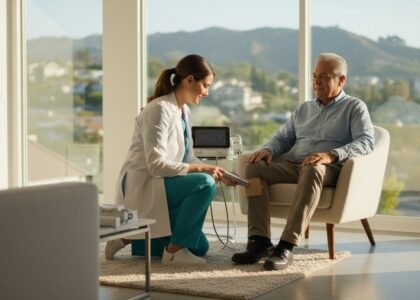
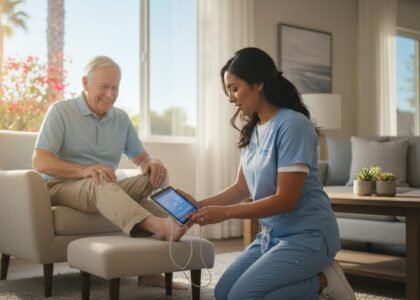
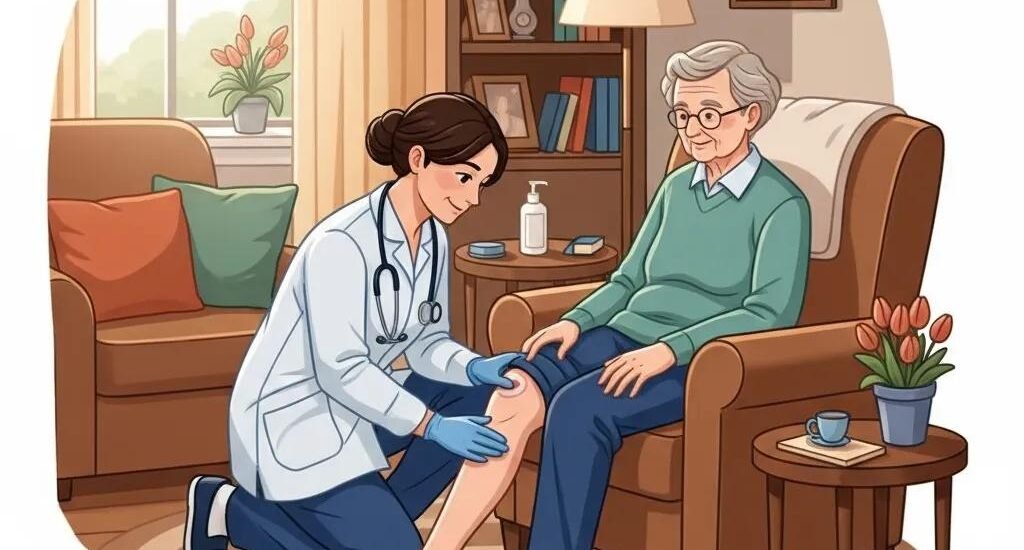
Mobile wound care brings focused, clinical treatment directly to seniors where they’re most comfortable — at home. At Healix360, our mobile teams reduce the stress and risk of travel while delivering individualized plans for people with limited mobility or complex health needs. Below, we explain why in-home wound care matters, what a typical visit looks like, which chronic wounds we treat, how regenerative options can speed healing, ways caregivers can help, and how Medicare Part B can apply to these services.
Why mobile wound care matters for older adults
Access and outcomes are closely linked. For many older adults, getting to clinic appointments is difficult or unsafe — and delays in care can worsen wounds. Bringing skilled wound management into the home removes transportation barriers, reduces exposure to infection, and lets clinicians assess wounds in the context of daily life. That combination improves comfort, adherence, and healing.
The high rate and serious effects of chronic wounds in older adults make timely, accessible care essential.
Impact of Chronic Wounds on Elderly
Chronic wounds are more often found in elderly people and in those with immunologic or chronic diseases. Chronic wounds may lead to impaired quality of life and functioning, to amputation, or even to death.
Negative pressure wound therapy: an evidence-based analysis, 2006
How mobile wound care removes mobility and access barriers
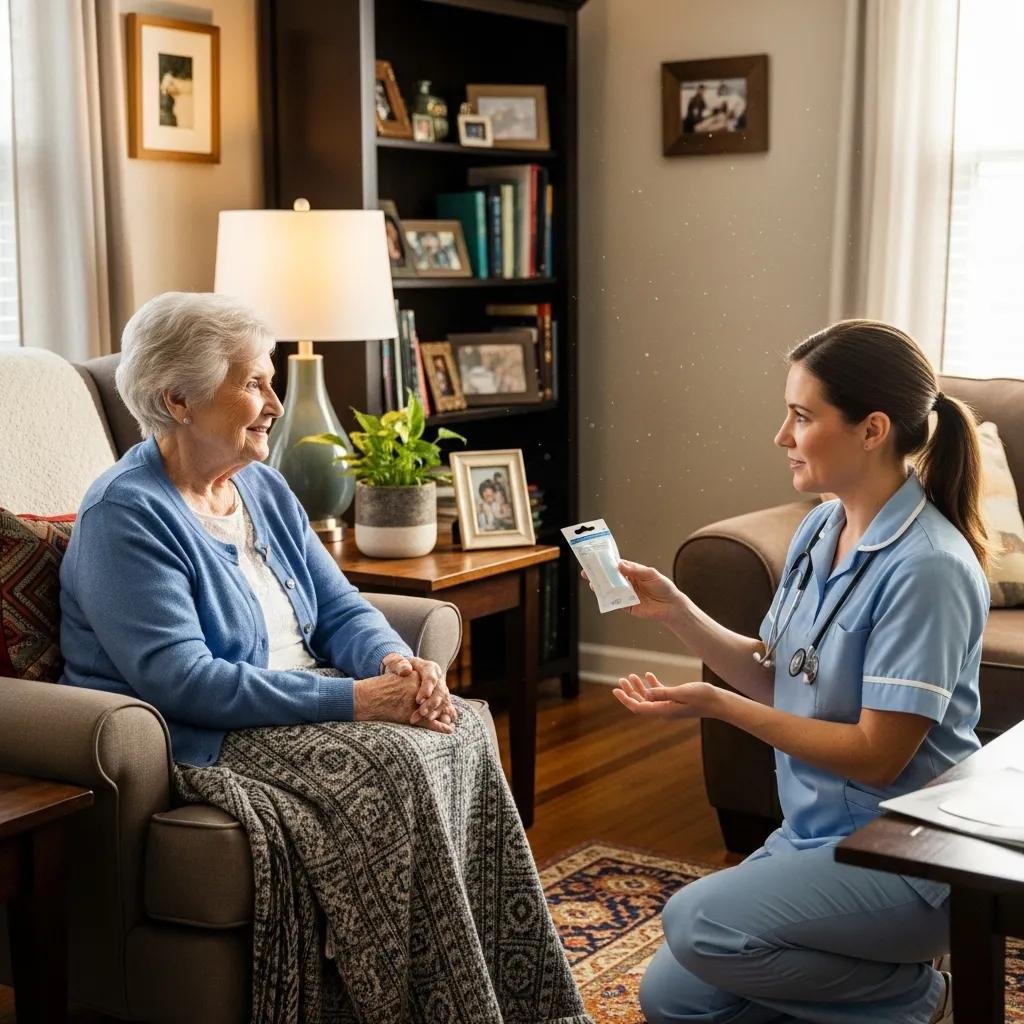
Transportation, limited mobility, and even anxiety about clinic visits can delay care. Mobile wound care eliminates those hurdles: clinicians come to the home, bring needed supplies and equipment, and create a calm setting for assessment and treatment. That convenience helps patients stick with care plans and lets providers spot environmental factors — like footwear or bedding — that affect healing.
Which age-related changes affect wound healing?
Aging changes the skin and the body’s repair systems. Reduced skin elasticity, lower blood flow, neuropathy, and chronic conditions such as diabetes or peripheral artery disease slow recovery and raise infection risk. We consider these factors when designing each care plan, so treatments match the patient’s overall health, medications, and daily routine.
What to expect during a Healix360 mobile wound care visit
Our visits combine a clinical exam with patient-centered planning. We’ll evaluate the wound, review medical history and medications, and discuss your goals and home routine. From that assessment we create a clear, practical plan — including treatment steps, supplies, and follow-up timing — so you always know the next steps.
How we personalize the initial assessment
The first visit is thorough but respectful of your time and comfort. We review your health history, inspect the wound, check circulation and sensation when needed, and discuss daily activities that affect healing. That information lets our clinicians tailor dressings, offloading, or advanced therapies to your needs and preferences.
Advanced treatments we can deliver at home
Many evidence-based therapies are feasible in the home setting. Our mobile teams can perform debridement, apply biologic or advanced dressings, and manage negative pressure wound therapy (NPWT) when clinically appropriate. Choosing the right option depends on the wound type, healing phase, and the patient’s overall condition.
Common chronic wounds we treat in older patients
Older adults commonly face wounds that require ongoing, specialized care. Early recognition and regular treatment reduce complications and hospital admissions.
Managing diabetic foot ulcers with mobile care
Diabetic foot ulcers often result from neuropathy, poor circulation, and impaired immune response. Mobile wound care focuses on frequent evaluation, patient and caregiver education, pressure offloading, and timely interventions. Regular follow-up and clear instructions help prevent infection and support healing.
Approaches to pressure injuries and venous leg ulcers
Pressure injuries and venous ulcers are common, especially in patients with limited mobility or chronic venous insufficiency. At-home strategies include pressure redistribution, appropriate dressing selection, and compression therapy for venous disease. Our clinicians combine these measures with education and environmental adjustments to lower recurrence risk.
How regenerative and advanced therapies speed recovery
Regenerative approaches and targeted technologies can enhance tissue repair when standard measures alone are insufficient. We select them based on evidence, wound status, and the patient’s overall goals.
Debridement: why it matters
Debridement removes nonviable tissue and debris so healthy tissue can grow. It reduces bacterial burden and helps topical therapies work better. When indicated, we perform debridement safely in the home and plan follow-up to monitor response.
Biologic dressings and negative pressure wound therapy explained
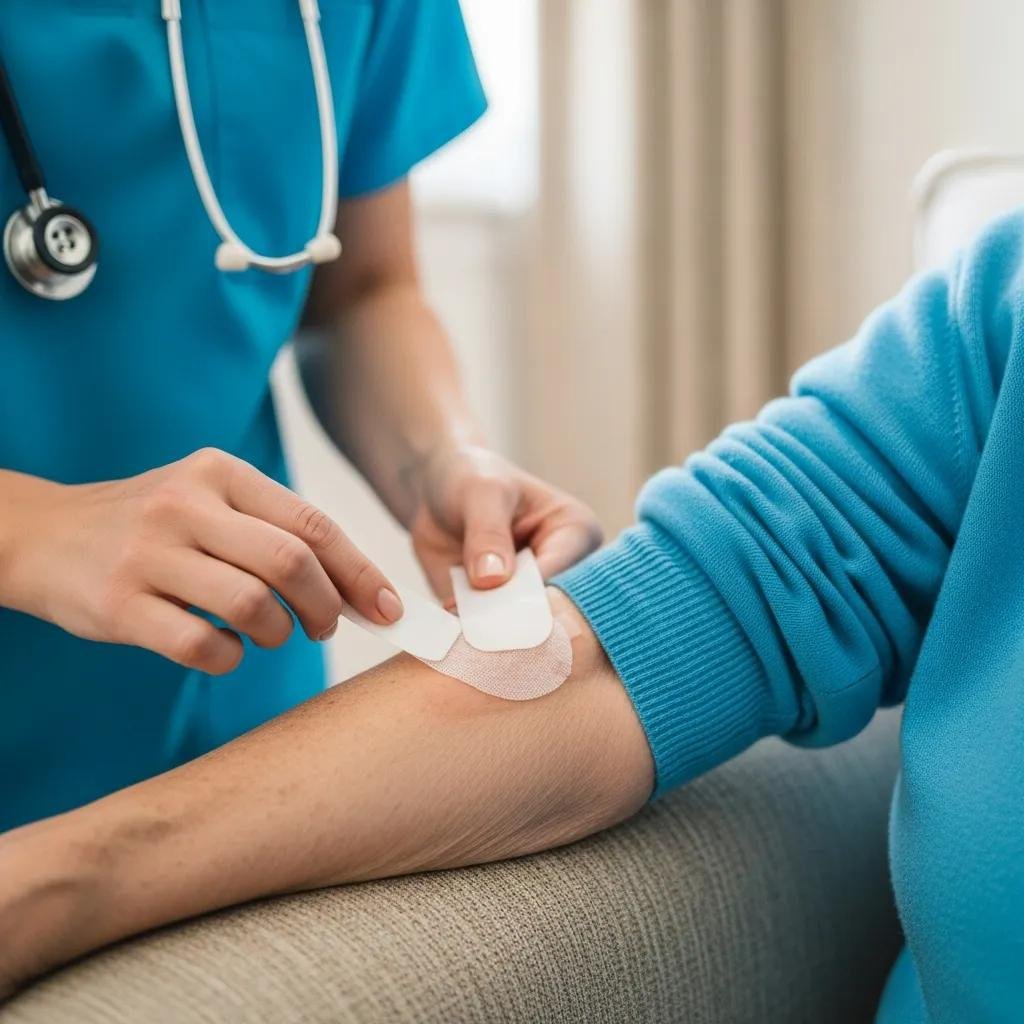
Biologic dressings create a moisture-managed environment that supports tissue regeneration. NPWT uses controlled suction to remove exudate and promote perfusion and granulation. Both can be powerful tools when matched to the wound and patient; one advantage is that they can often be managed safely at home, avoiding unnecessary trips to hospital.
Clinical studies support NPWT and other advanced interventions for specific chronic wounds in older patients.
NPWT for Elderly Sacral Pressure Sores
Pressure sores significantly affect elderly patients, with the sacrum being especially vulnerable, often due to its proximity to the anus and potential for fecal contamination. Despite preventive measures such as frequent repositioning and specialized cushions, some sores still necessitate surgical intervention. Postoperative care focuses on monitoring, hygiene, and pressure alleviation. This study assessed the efficacy of Closed-Incision Negative Pressure Wound Therapy (CI-NPWT) for postoperative wound management in patients with sacral pressure sores treated with local flaps.
Closed-incision negative pressure wound therapy (NPWT) in elderly patients following sacral pressure sore reconstruction, JH Park, 2024
How caregivers can support healing at home
Caregivers are essential partners in home wound care. Their day-to-day support helps patients follow plans, spot problems early, and maintain a safe healing environment.
Practical steps caregivers can take
Simple routines make a big difference: keep dressings clean and dry, help with mobility and offloading as instructed, track dressing changes and wound size, and alert clinicians to any changes. We provide clear, written instructions and teach hands-on techniques so caregivers feel confident and supported.
Why clear communication matters
Open, timely communication between caregivers, patients, and clinicians reduces errors and speeds problem-solving. Share observations about pain, drainage, or new symptoms, keep medication lists up to date, and use scheduled check-ins to stay aligned on goals and next steps.
Does Medicare Part B cover mobile wound care?
Coverage can help make in-home wound care affordable. Medicare Part B may cover medically necessary assessments, procedures like debridement, and follow-up visits when ordered by a physician and documented appropriately.
What Medicare typically covers for mobile wound care
Part B may reimburse clinically necessary services delivered in the home, such as wound assessments, certain treatments, and durable medical equipment when prescribed. Coverage depends on the individual’s medical condition, physician orders, and documentation of medical necessity.
How to arrange Healix360 services under Medicare
To use Medicare-covered services with Healix360, schedule a visit with a mobile wound care specialist and have the necessary clinician referrals and documentation ready. Our team can help guide you through the paperwork and billing questions so care proceeds smoothly.
| Treatment Type | Description | Benefits |
|---|---|---|
| Debridement | Removal of dead, damaged, or infected tissue | Promotes healing and reduces infection risk |
| Biologic Dressings | Moisture-managing, tissue-supporting dressings | Supports tissue regeneration and healing |
| Negative Pressure Wound Therapy | Controlled suction applied to the wound | Enhances blood flow and accelerates healing |
The treatments above are selected based on the wound type, stage of healing, and the patient’s overall health. Our goal is the most effective, least disruptive plan for each person.
Mobile wound care combines clinical expertise with home-based convenience to improve outcomes for older adults. When patients, caregivers, and clinicians work together, wounds heal more reliably and quality of life improves.
Frequently Asked Questions
What qualifications should a mobile wound care provider have?
Look for licensed clinicians with specialized wound-care training — typically experienced RNs or advanced practice clinicians. Certifications from recognized organizations (for example, WOCN) and experience treating older adults are good indicators of expertise. Ask about infection-control practices and ongoing education to ensure up-to-date care.
How often should elderly patients receive mobile wound care visits?
Visit frequency depends on wound complexity and healing progress. Complex or infected wounds often require two to three visits per week; more stable wounds may need weekly or bi-weekly visits. We set the schedule based on clinical response and adjust it as the wound improves.
What role do family members play in mobile wound care?
Family members help with daily care tasks, reinforce instructions, observe for changes, and provide emotional support. Their involvement often improves adherence to offloading, dressing schedules, and follow-up appointments — all of which support better outcomes.
Are there risks associated with mobile wound care?
Home-based wound care is safe when performed by trained clinicians following strict hygiene and assessment protocols. Risks include infection or inadequate follow-up, so it’s important to choose a qualified provider, follow care instructions, and report concerns promptly.
How can technology enhance mobile wound care services?
Telehealth, remote monitoring, and shared electronic records enhance continuity of care. Televisits can supplement in-person appointments, remote tools track healing trends, and shared records give every clinician access to current treatment plans and progress notes.
What should patients do if they notice signs of infection?
If you see increased redness, swelling, warmth, more drainage, foul odor, rising pain, or fever, contact your mobile wound care team immediately. Early intervention prevents complications and helps keep the wound on track to heal.
Healix360 In-Home Wound Care: Benefits & Next Steps
In-home wound care from Healix360 offers skilled, convenient treatment tailored to the needs of older adults. By reducing travel, providing personalized plans, and involving caregivers, mobile care helps wounds heal faster and more safely. To learn how we can support your loved one, explore our resources or schedule a visit today.