
COVID-19 At-Home Wound Care: Essential Tips for Safe Healing
COVID‑19 changed how patients get care—especially for wounds that need close attention. If you or someone you care for is healing at home, it helps to know how the virus can affect recovery and what to do about it. This guide explains how COVID‑19 can influence healing, why mobile wound care can be a safer option, practical at‑home steps, and clear signs that it’s time to call a clinician. Follow these recommendations to support safe healing and reduce the risk of complications.
The pandemic disrupted access to specialty services, making early detection and careful wound management more important than ever.
COVID-19’s Impact on Wound Care Access and Risks
The COVID‑19 outbreak reduced routine access to medical and wound‑care services, making standard treatment harder to deliver. People with vascular leg ulcers are particularly vulnerable: longer ulcer duration and larger ulcer area increase pain and lower quality of life. These patients must not be overlooked—untreated ischemic or venous wounds can lead to serious consequences, including infection, sepsis, amputation, or death.
Wound care during COVID-19 pandemic, G Tinelli, 2020
How Does COVID-19 Impact Wound Healing and Infection Risks?
COVID‑19 can interfere with the immune responses that support wound repair. That interference can slow healing, increase inflammation, and raise the chance of infection—especially in people with chronic wounds or other health issues. Knowing these risks helps you prioritize care and reach out for help when needed.
What Are the Effects of COVID-19 on the Immune System and Wound Repair?
The virus can trigger immune imbalance or an exaggerated inflammatory response—both of which are vital parts of normal healing when controlled, but harmful when excessive. This disruption may delay wound closure and make the wound more prone to infection. For patients with ongoing wounds, COVID‑related stress on overall health can further worsen healing.
Studies show the virus often affects healing by altering inflammatory pathways and related immune signals.
COVID-19’s Immune System Impact on Wound Healing
In people with cancer, autoimmune disease or severe infections (including COVID‑19), the inflammatory mediator IL‑6 plays a key role in shaping both local and systemic healing responses. Elevated IL‑6 can impair immune regulation and is linked with worse disease outcomes. Therapies that block IL‑6 signaling—such as certain monoclonal antibodies—have been studied in conditions like rheumatoid arthritis, several cancers, and COVID‑19.
Autoimmunity, cancer and COVID-19 abnormally activate wound healing pathways: critical role of inflammation, M Holub, 2022
How to Recognize Wound Complications and Infection Signs During the Pandemic?
Spotting a problem early lets you get timely care. Watch for these warning signs:
- Increased Redness: Skin around the wound becomes more inflamed or spreads outward.
- Swelling: Noticeable puffiness around the wound or surrounding tissue.
- Foul Odor: A new, unpleasant smell that can indicate infection or tissue breakdown.
- Pus or Discharge: Thick, unusual, or colored drainage—especially if it increases over time.
If you notice any of these, contact your care team promptly—early treatment reduces complications.
Why Is Mobile Wound Care a Safe and Convenient Solution During COVID-19?
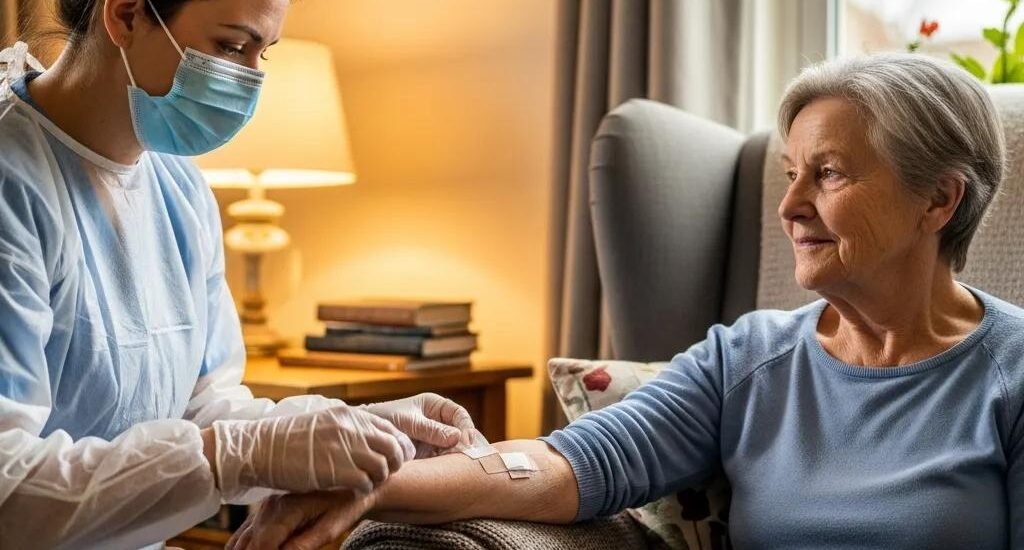
Mobile wound care brings skilled clinicians to your home, limiting trips to clinics or hospitals and reducing exposure risk. For people with chronic wounds or mobility challenges, at‑home care keeps treatment consistent while preserving safety—an important advantage during a pandemic.
This move toward home‑based services reflects a broader “Wound Center Without Walls” approach that keeps essential care accessible outside traditional clinic walls.
Wound Care Adaptation: ‘Wound Center Without Walls’ in COVID-19
The pandemic challenged how wound care is delivered. Providers must adapt to new safety needs by expanding care beyond a single clinic. The “Wound Center Without Walls” concept shifts treatment into homes, outpatient settings, and virtual visits—improving triage and ensuring patients with wounds receive timely care across the health system.
Wound center without walls: the new model of providing care during the COVID-19 pandemic, LC Rogers, 2020
What Safety Protocols Does Healix360 Implement for In-Home Wound Care Visits?
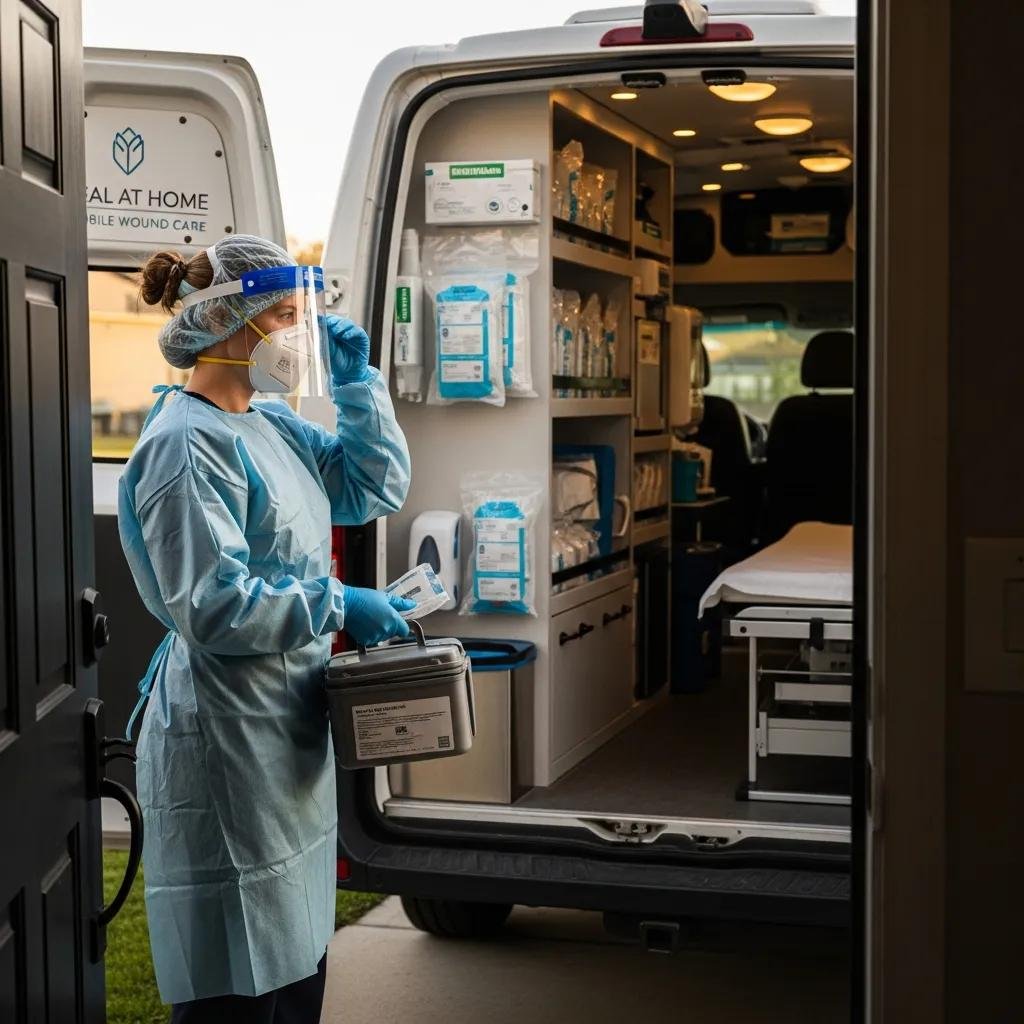
Healix360 Advanced Mobile Wound Care Specialists put safety first. During in‑home visits we follow strict protocols to protect you and our team:
- Personal Protective Equipment (PPE): Clinicians wear appropriate PPE for every visit to minimize transmission risk.
- Sanitization Practices: We clean and disinfect equipment and surfaces before and after each appointment.
- Health Screenings: Team members complete symptom and exposure screenings before entering your home.
These steps help us deliver safe, effective care without unnecessary exposure.
How Does Mobile Wound Care Benefit At-Risk and Chronic Wound Patients During the Pandemic?
Mobile wound care offers meaningful advantages for patients who need ongoing attention:
- Accessibility: Receive treatment at home—no travel, fewer appointments in high‑traffic settings.
- Personalized Attention: Clinicians assess wounds in the home setting and tailor care to your needs and environment.
- Continuity of Care: Regular visits and coordinated follow‑up keep treatment on track, which supports better outcomes.
These benefits make mobile services a practical choice during COVID‑19 and beyond.
What Are the Best Practices for At-Home Wound Care Management During the Pandemic?
Consistent, clean, and attentive care helps wounds heal and prevents complications. Below are practical steps to follow at home.
Which Essential Supplies Are Needed for Effective Home Wound Care?
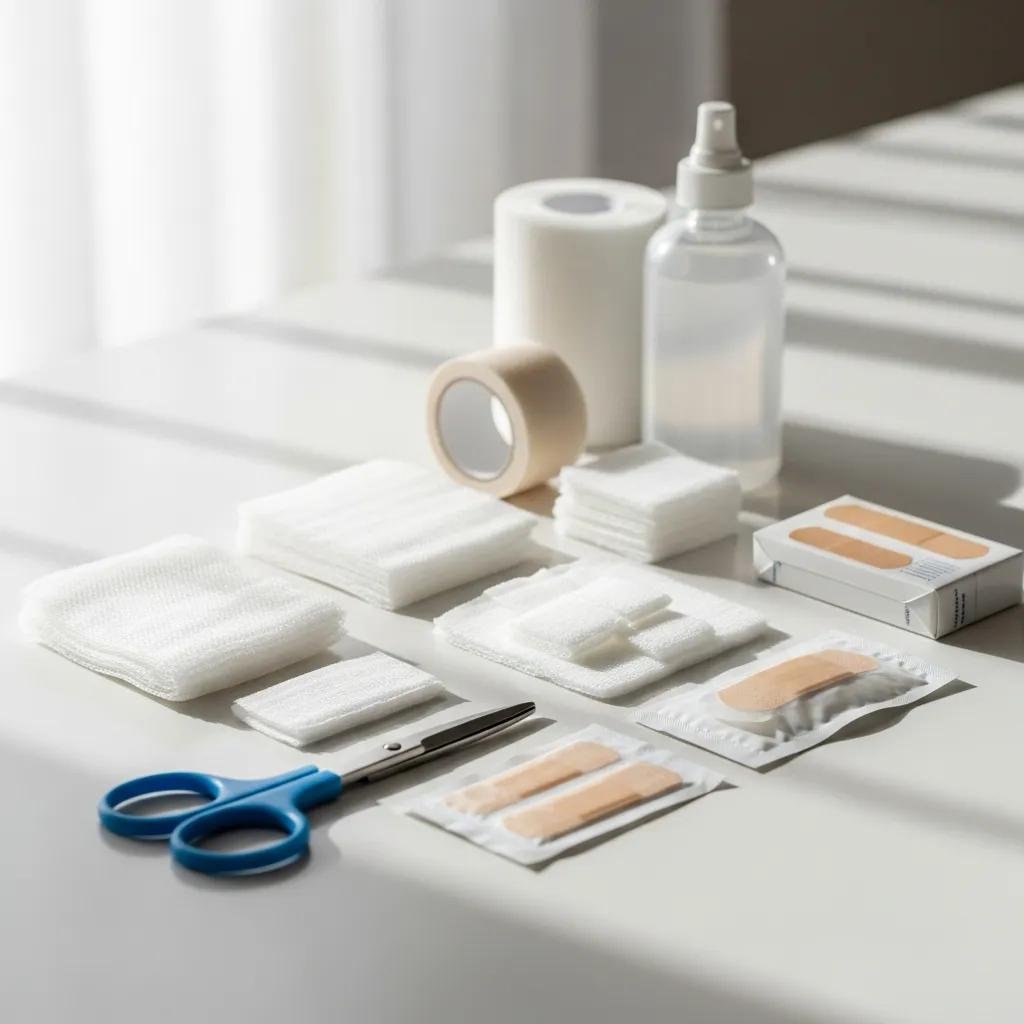
Keep these basic supplies on hand to support safe wound care:
- Sterile Dressings: Clean coverings to protect the wound and promote a healthy environment.
- Antiseptic Solutions: For gentle cleansing to lower infection risk.
- Gauze and Tape: To secure dressings and keep the area protected.
- Scissors: Clean scissors for trimming dressings to fit as needed.
Store supplies in a clean, dry place and replace them before they expire.
How Can Caregivers Support Patients with Wounds Safely During COVID-19?
Caregivers are vital to successful home wound care. Follow these practical steps:
- Educate on Wound Care: Teach and review the wound plan, dressing technique, and signs of trouble so the patient and caregiver are confident.
- Practice Hygiene: Wash hands thoroughly and use gloves when handling dressings.
- Monitor Health: Check the wound and patient for changes, and report concerns to the healthcare provider promptly.
These routines protect both the patient and caregiver while supporting healing.
When Should You Seek Professional Mobile Wound Care During COVID-19?
Timely clinical evaluation prevents escalation. If you notice warning signs, arrange professional care without delay.
What Are the Warning Signs That Indicate the Need for Expert Wound Care?
Seek professional attention if you experience any of the following:
- Persistent Pain: Increasing or unrelieved pain despite usual measures.
- Fever: A fever can signal a systemic infection that needs urgent evaluation.
- Non-Healing Wounds: Little or no improvement after about 1–2 weeks of appropriate home care.
These symptoms warrant prompt assessment by a healthcare professional to prevent complications.
How Does Telehealth Complement Mobile Wound Care Services in a Pandemic?
Telehealth extends access to clinicians when an immediate in‑person visit isn’t possible. Virtual visits let providers review wound photos or live video, adjust treatment plans, and coach caregivers—helping maintain continuity while reducing exposure. When hands‑on care is needed, telehealth helps triage and schedule safe in‑home visits.
Which Advanced Treatments Accelerate Wound Healing Safely During COVID-19?
For chronic or non‑healing wounds, advanced treatments can improve outcomes. Many of these therapies can be delivered or managed through mobile services.
How Do Debridement and Biologic Dressings Support Healing in a Pandemic Context?
Debridement removes dead or infected tissue to create a healthier wound bed and encourage new tissue growth. Biologic dressings—made from natural or engineered materials—help maintain a moist, protective environment and support tissue regeneration. Both strategies can be provided safely in a patient’s home when clinically appropriate.
What Are the Benefits of Negative Pressure Wound Therapy and Regenerative Therapies at Home?
Negative Pressure Wound Therapy (NPWT) uses controlled suction to remove excess fluid, reduce swelling, and stimulate blood flow—factors that speed healing. Regenerative therapies (for example, certain cell‑based or growth‑factor treatments) enhance tissue repair. When indicated, these therapies can be integrated into mobile care plans so patients receive advanced treatment without repeated clinic exposure.
| Treatment Type | Mechanism | Benefits |
|---|---|---|
| Debridement | Removes dead or infected tissue | Creates a healthier wound bed to promote healing |
| Biologic Dressings | Provides a moist, bioactive cover | Supports tissue regeneration and protects the wound |
| Negative Pressure Therapy | Applies controlled suction to the wound | Reduces edema and increases blood flow |
Frequently Asked Questions
What should I do if my wound shows signs of infection during the pandemic?
If you notice increased redness, swelling, foul odor, pus, or worsening pain, contact a healthcare professional or a mobile wound care service right away. Early assessment prevents complications. If you develop fever, spreading redness, or other systemic symptoms, seek urgent care.
How can I ensure my wound care supplies are safe and effective?
Use sterile dressings and approved antiseptics, check product expiration dates, and store items in a clean, dry place. Always wash your hands before handling supplies. If you’re unsure which products to use, ask your clinician for recommendations and maintain a small backup supply to avoid gaps in care.
What role does nutrition play in wound healing during COVID-19?
Nutrition supplies the building blocks for tissue repair and immune function. Aim for adequate protein and include vitamins A and C and minerals like zinc. If you have dietary restrictions or concerns, talk to your clinician or a dietitian for a practical plan that supports healing.
Are there specific exercises that can aid in wound healing?
Gentle movement—such as light walking or basic stretching—can improve circulation and support recovery. Avoid activities that stress the wound area. Check with your care team before increasing activity so exercise supports healing without risking harm.
How can I manage pain associated with my wound at home?
Over‑the‑counter pain relievers (when appropriate), proper dressing technique, and short rest periods can help. Applying recommended local measures—such as cool compresses for brief relief—may also work. If pain is severe, persistent, or limits function, contact your provider for reassessment and a tailored pain plan.
What should I do if I have a chronic wound that isn’t healing?
If a wound isn’t improving with standard care, seek professional evaluation. A clinician can identify underlying issues—such as poor blood flow, infection, or other medical factors—and recommend targeted treatments like debridement, NPWT, or biologic therapies. Regular monitoring and a customized plan are key to managing chronic wounds.
How can I stay informed about changes in wound care guidelines during the pandemic?
Follow reliable sources (for example, the CDC or WHO) and stay in touch with your care team for guidance based on the latest evidence. Telehealth check‑ins, clinic newsletters, and trusted professional organizations are good ways to receive updates relevant to wound care.
Conclusion
Managing wounds during COVID‑19 requires attention, timely action, and sometimes an alternative approach to care delivery. Mobile wound services keep treatment consistent and safer by bringing skilled clinicians to the home, while telehealth helps maintain follow‑up and education. Stay alert for warning signs, follow best practices at home, and reach out to a mobile wound care specialist when needed—early intervention improves outcomes and protects recovery.