


Economic Impact of Untreated Chronic Wounds and Early Care Savings
Chronic wounds — wounds that don’t show expected healing within about 4 to 6 weeks — carry heavy costs for patients, families, and health systems. This article breaks down the financial and human toll of untreated chronic wounds, explains which costs are avoidable with earlier care, and shows how timely, mobile wound care can improve outcomes while lowering expense. You’ll find clear descriptions of direct and indirect costs, how different wound types affect spending, and how Healix360’s mobile services move care earlier and closer to patients.
Evidence consistently shows that chronic wounds drive both personal hardship and significant healthcare spending, making effective management a priority.
Economic & Human Burden of Chronic Wounds: A Systematic Review
A systematic review examining the humanistic and economic impact of chronic wounds, measuring costs and effects on health-related quality of life for patients and caregivers.
The humanistic and economic burden of chronic wounds: a systematic review, M Olsson, 2019
When we quantify these costs, the value of early intervention and innovative care models — like those provided by Healix360 — becomes clear. Below we outline the financial consequences of neglected wounds, the clinical risks, cost differences by wound type, and how mobile wound care changes the equation.
What are the direct and indirect financial burdens of untreated chronic wounds?

Untreated chronic wounds create two main categories of expense. Direct costs cover hospital stays, procedures, clinic visits, dressings, and ongoing medical care. Indirect costs include lost work and income, reduced productivity, and the financial impact on family caregivers. Both types of cost add up quickly and should be part of planning for patient care and health-system resources.
Research repeatedly confirms that chronic wounds are a major driver of healthcare spending and should inform resource allocation decisions.
Financial Burden of Chronic Wounds in Primary Care
A real-world analysis showing chronic wounds have a meaningful economic impact and should be accounted for in healthcare planning to ensure efficient resource allocation.
The financial burden of chronic wounds in primary care: A real-world data analysis on cost and prevalence, MÁ Díaz-Herrera, 2025
How do hospitalizations and medical treatments drive up costs?
Hospital admissions for wound-related complications are a major cost driver. A single stay can cost from several thousand dollars up to and over $20,000 depending on severity and length of care. Procedures such as debridement, repeated clinic visits, and specialized dressings add to the bill. That’s why early, appropriate care that prevents escalation is so important.
What are the hidden costs: lost productivity and caregiver burden?
Indirect costs are often overlooked but substantial. Patients with chronic wounds may miss work or be unable to perform at full capacity, reducing income and productivity. Family members or paid caregivers may also need time off or additional support, creating further financial strain. Together, these hidden costs amplify the personal and societal burden.
What are the human and health consequences of neglecting chronic wounds?
When wounds don’t receive timely care, the risks go beyond cost — they affect health, mobility, and quality of life. Complications like infection and tissue loss can follow, making prompt evaluation and treatment essential.
How do infections and amputations result from untreated wounds?
Chronic wounds are vulnerable to infection, which can spread and worsen quickly. In severe cases — for example with diabetic foot ulcers — studies estimate an approximately 15–25% lifetime risk of amputation. Beyond the clinical impact, these events drive significant additional medical costs and long-term care needs.
What is the impact on quality of life and emotional well‑being?
Living with an untreated chronic wound can cause persistent pain, limited mobility, and isolation. Many patients experience anxiety, depression, and a reduced sense of independence. Addressing wounds early improves physical recovery and supports emotional well‑being, underscoring the value of holistic management.
How do specific chronic wound types affect overall treatment costs?
Different wound types have different clinical courses and cost profiles. Recognizing these differences helps clinicians prioritize interventions and helps payers and families understand potential expenses.
What are the financial implications of diabetic foot ulcers?
Diabetic foot ulcers are among the most expensive chronic wounds to manage. In the U.S., annual treatment costs commonly fall between $9,000 and $13,000 per patient. Frequent clinic visits, specialized supplies, infection management, and possible surgery all contribute to this high cost, which prevention and early care can reduce.
How do pressure ulcers and venous leg ulcers contribute to economic burden?
Pressure injuries and venous leg ulcers often require long-term management, specialized dressings, and sometimes inpatient care. These needs translate into ongoing direct medical costs and indirect impacts on a patient’s daily life, making prevention and consistent outpatient care important cost-control strategies.
How does Healix360’s advanced mobile wound care reduce costs and improve outcomes?
Healix360 delivers evidence-based wound care where patients live — at home or in residential settings — reducing barriers to timely treatment. By combining skilled clinicians with regenerative and advanced therapies, our mobile model lowers complication rates, prevents avoidable hospitalizations, and supports faster, more predictable healing.
What are the benefits of mobile care and regenerative medicine?
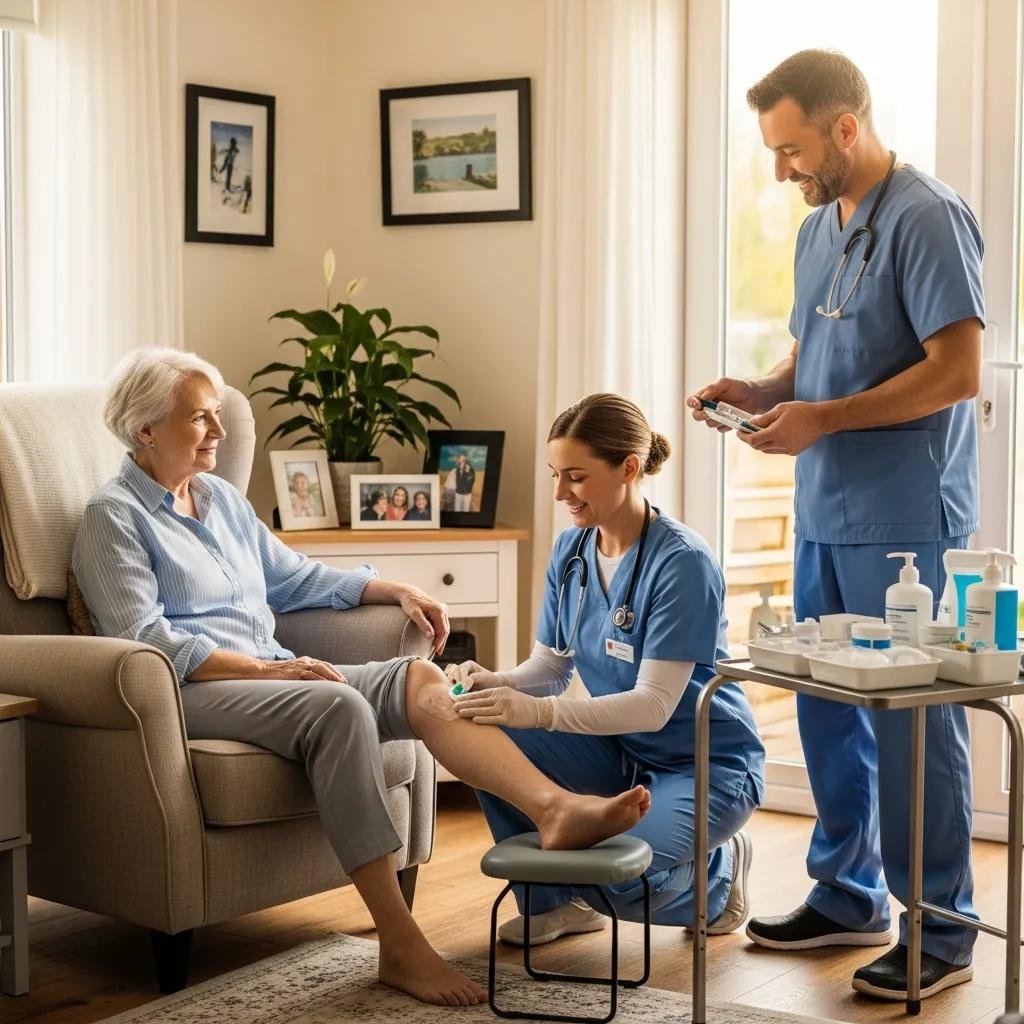
Mobile wound care brings convenience and continuity: fewer travel barriers, faster assessments, and individualized plans that incorporate regenerative options when appropriate. Timely, tailored treatments lower complication risk and reduce the need for costly inpatient care — improving outcomes and cutting total costs.
How does early intervention lead to faster healing and cost savings?
Early intervention shortens healing time and limits expensive complications. Studies show patients who receive prompt wound care generally incur lower overall treatment costs than those who delay care. Healix360’s mobile services make early assessment and consistent follow-up easier, helping patients get the right care sooner.
The evidence strongly supports early, targeted care as a way to improve outcomes and reduce overall healthcare spending.
Early Intervention & Risk Prediction for Chronic Wound Management
Research highlighting the importance of risk prediction to identify patients at highest risk of chronic wound progression, enabling earlier intervention to improve outcomes and lower costs.
Individualized risk prediction for improved chronic wound management, VM Veličković, 2023
What makes Healix360’s approach more cost-effective compared to traditional care?
Healix360 combines mobility, clinical expertise, and advanced therapies to reduce complication rates and unnecessary hospital use. That combination produces better healing outcomes at lower overall cost — for patients, caregivers, and health systems.
How do treatment outcomes and complication rates compare?
Evidence suggests mobile, patient-centered wound programs can achieve improved healing and fewer complications than fragmented traditional care. By focusing on personalized plans and consistent follow-up, Healix360 helps reduce the events that drive up costs and prolong recovery.
What are the quantifiable savings for patients and caregivers?
By lowering hospital visits, reducing complication rates, and shortening healing times, mobile wound care can translate into measurable savings on direct medical bills and reduced lost income for patients and caregivers. Those savings are a central part of Healix360’s value to families and payers.
How can patients access Healix360’s expert mobile wound care services?
Getting care from Healix360 is simple and designed around patient convenience so treatment isn’t delayed.
What insurance options, including Medicare Part B, are accepted?
Healix360 accepts a broad range of insurance plans, including Medicare Part B, to make accessing wound care easier and reduce out‑of‑pocket burden for eligible patients.
How to schedule and what to expect during treatment?
Scheduling an appointment is straightforward. During the first visit, our clinician completes a full assessment, discusses goals, and creates a personalized care plan. Follow-up visits focus on progress, wound optimization, and preventing complications — all coordinated around the patient’s needs.
Frequently Asked Questions
What are the long-term effects of untreated chronic wounds on health?
Left untreated, chronic wounds can lead to persistent infection, tissue loss, gangrene, and even amputation. These outcomes bring chronic pain, reduced mobility, and long-term care needs. They also carry significant emotional burden, including anxiety and depression. Early intervention dramatically reduces these risks and improves long‑term quality of life.
How can caregivers support patients with chronic wounds?
Caregivers are essential partners in wound healing. Practical support includes helping with dressing changes, transportation to appointments, and medication management. Emotional support and encouragement also matter. Caregivers who learn the wound’s care plan and signs of infection can help catch problems early and advocate effectively for the patient.
What role does nutrition play in wound healing?
Nutrition is a cornerstone of healing. Adequate protein, calories, vitamin C, zinc, and other nutrients support tissue repair and immune function. Patients with chronic wounds benefit from dietary assessment and, when needed, tailored supplementation guided by a clinician or nutritionist.
Are there specific lifestyle changes that can help prevent chronic wounds?
Yes. Key steps include managing chronic conditions like diabetes, quitting smoking, maintaining skin hygiene, inspecting the skin regularly, staying active to support circulation, and keeping a healthy weight. Early attention to minor skin breaks prevents progression to chronic wounds.
What advancements are being made in chronic wound care technology?
Recent innovations include bioengineered skin substitutes, moisture‑balanced advanced dressings, telehealth monitoring, and regenerative techniques such as stem‑cell–informed therapies. These tools aim to accelerate healing, personalize treatment, and reduce recurrence.
How can patients educate themselves about their wound care options?
Patients should discuss options with their care team, consult reputable medical resources, and consider support groups. Asking targeted questions about goals, expected timelines, and alternatives helps patients make informed choices. Healix360 clinicians also provide education tailored to each patient’s condition and needs.
Conclusion
Untreated chronic wounds carry both emotional and economic costs — but timely, targeted care can change that. Mobile, expert wound care like Healix360’s reduces complications, shortens healing times, and eases the financial burden on patients and health systems. If you or a loved one is managing a slow‑healing wound, consider early evaluation and a care plan that keeps treatment timely, convenient, and focused on recovery.