

Effective Scar Management After Wound Healing: Practical Treatment Options and Care Strategies
Scars can affect both how your skin looks and how you feel. This guide walks you through proven approaches for managing scars after a wound has healed, and explains how different treatments work. We cover practical treatment options, post-surgical care, strategies for hypertrophic and keloid scars, and new regenerative therapies. Understanding the why and how behind each option helps you and your care team make clear decisions about next steps. Learn more about our approach on the Healix360 About page.
What Are the Best Scar Treatment Options After Wound Healing?
Several effective options can reduce scar visibility and support healthier skin. Each method works differently — some hydrate and protect, others remodel tissue or control inflammation. Common choices include silicone sheets, targeted topical products, pressure therapy, injections, and procedural therapies.
How Do Silicone Sheets and Gels Help in Scar Reduction?
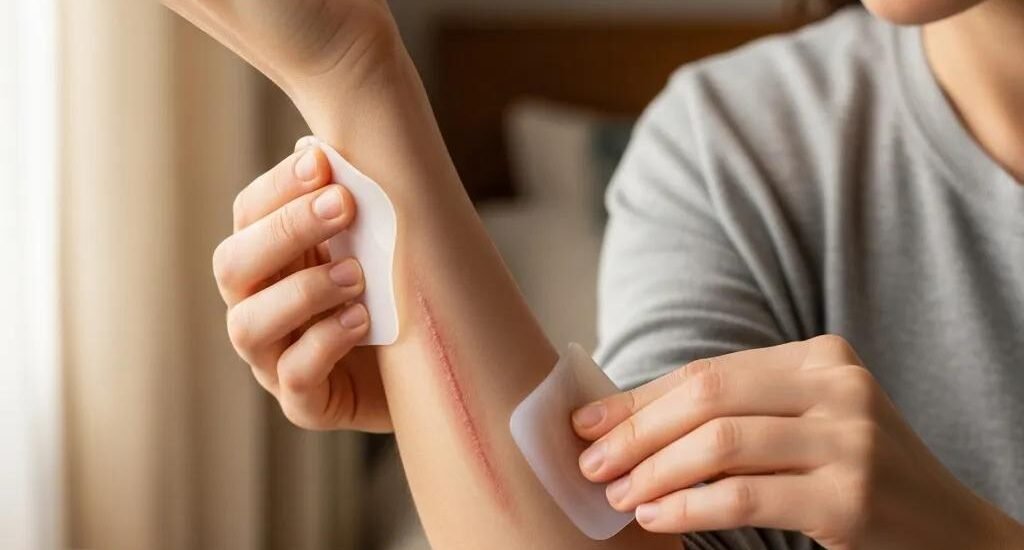
Silicone sheets and gels are well-supported tools for scar care. They create a hydrated, protective layer over healed skin that helps flatten and soften scars. By reducing transepidermal water loss and influencing fibroblast activity, silicone can limit excessive collagen buildup. When used consistently, silicone products often produce noticeable improvements in both hypertrophic scars and keloids.
Clinical studies and long-term clinical experience document the benefits and proposed mechanisms of silicone-based scar products.
Silicone Therapy for Scar Management: Efficacy & Mechanism
Silicone-based products are commonly used to manage hypertrophic scars and keloids. Reviews summarize available products and the clinical evidence that they can prevent excessive scarring and improve established scars. Silicone gel sheeting has been in use for more than two decades; newer silicone gels applied from a tube create a thin, flexible film over a healed wound or mature scar. Clinical trials and practice suggest silicone gel performs similarly to traditional sheeting while being easier to apply. Although the exact mechanism isn’t fully defined, silicone therapy likely works by occluding and hydrating the stratum corneum, which then influences signaling between keratinocytes and dermal fibroblasts.
Evolution of silicone therapy and mechanism of action in scar management, 2008
What Role Do Topical Creams and Ointments Play in Scar Care?
Topical creams and ointments support scar healing mainly by keeping skin hydrated and pliable. Ingredients like aloe vera and emollients help soften tissue and improve comfort. Evidence for vitamin E is mixed, so it’s best to choose products formulated for scars and to temper expectations. Regular moisturizing can make scars less noticeable over time by improving texture and flexibility.
How Can Post-Surgical Scar Care Improve Healing Outcomes?
Care after surgery shapes the final look of a scar. Simple, consistent measures—cleaning, hydration, and sun protection—can reduce complications and improve cosmetic outcomes. Following your care team’s instructions is one of the most effective steps you can take.
What Are the Recommended Practices for Caring for Surgical Scars?
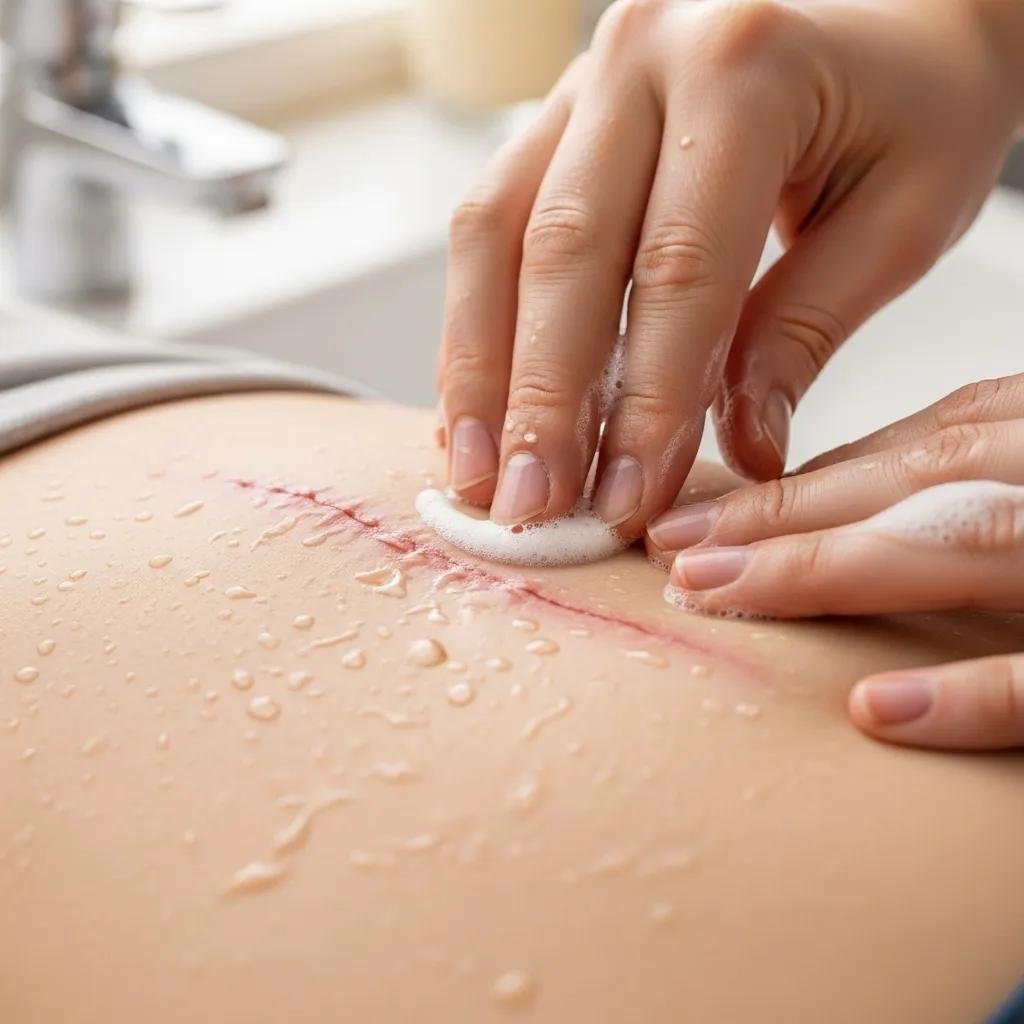
- Cleaning: Gently wash the area with mild soap and water to lower infection risk.
- Moisturizing: Keep the scar hydrated with an appropriate moisturizer or silicone gel to support pliability.
- Protection: Use sunscreen on healed scars to prevent hyperpigmentation and darkening from UV exposure.
When Should You Consult a Specialist for Post-Surgical Scars?
See a specialist if the scar shows signs of infection (increasing redness, swelling, warmth, or pain), seems to grow past the original wound margins, or limits movement or daily activities. A clinician can assess causes, recommend targeted treatments, and discuss options if cosmetic concerns are significant.
What Are Effective Treatments for Hypertrophic Scars?
Hypertrophic scars are raised and often red due to excess collagen during healing. They respond to a range of therapies that reduce collagen production and remodel tissue.
How Does Pressure Therapy Aid in Managing Hypertrophic Scars?

Pressure therapy applies sustained compression to scar tissue, which can soften and flatten raised scars over time. The pressure is thought to limit blood flow and reduce collagen synthesis, encouraging a more normal scar profile. Patients use pressure garments or silicone devices as part of this approach.
Can Corticosteroid Injections Reduce Hypertrophic Scar Formation?
Corticosteroid injections are commonly used to decrease inflammation and slow excess collagen production in hypertrophic scars. Administered by a healthcare professional, these injections can make scars flatter and closer in appearance to surrounding skin. Multiple sessions may be needed to reach the best result.
How Is Keloid Scar Management Approached?
Keloids extend beyond the original wound and can be persistent. Managing keloids usually requires combining therapies tailored to the individual scar and patient goals.
What Are the Non-Surgical Options for Keloid Treatment?
Non-surgical treatments include corticosteroid injections, silicone gel sheeting, and laser therapy. These methods aim to reduce keloid size, soften tissue, and improve color without surgery. In some cases, other modalities such as intralesional antineoplastic agents or newer biologic approaches are considered, depending on response and specialist guidance.
Reviews of non-surgical strategies summarize both established options and newer experimental approaches for keloid care.
Non-Surgical Keloid Management: Established & Emerging Treatments
Keloids are benign but often aggressive fibroproliferative lesions that can cause pain, itching, and cosmetic concern, affecting quality of life. This review summarizes established and emerging non-invasive treatments for keloids, focusing on how they work, their clinical effectiveness, and safety. The literature covers corticosteroids, antineoplastic agents (such as 5‑fluorouracil and bleomycin), botulinum toxin A, silicone-based products, shock-wave therapy, and various laser techniques. The review also examines novel directions like mesenchymal stem cell therapies and RNA interference–based approaches.
Non-surgical keloid management—review of established and emerging treatment strategies, IA Bednarski, 2025
When Is Surgical Removal Recommended for Keloid Scars?
Surgery may be considered when non-surgical treatments fail or when a keloid causes significant pain or functional problems. Because recurrence after excision is common, surgery is usually combined with other therapies—such as post-op corticosteroid injections or radiation—to lower the chance of the keloid returning. A specialist will help weigh risks, benefits, and combination strategies.
Clinical guidance highlights the difficulty of treating established keloids and supports early prevention and combination therapies to reduce recurrence after surgery.
Keloid & Hypertrophic Scar Management: Prevention & First-Line Treatments
When keloid formation is anticipated, early measures—like immediate silicone elastomer sheeting, taping to reduce skin tension, or corticosteroid injections—can help prevent progression. Once keloids are established they are difficult to treat and have a high recurrence rate. Evidence supports silicone sheeting, pressure dressings, and corticosteroid injections as first-line therapies. Cryotherapy can be useful for smaller lesions. Surgical removal carries a significant recurrence risk unless paired with other standard treatments.
Management of keloids and hypertrophic scars, 2009
What Is Regenerative Scar Therapy and How Does It Work?
Regenerative scar therapy focuses on restoring skin structure and function rather than only masking scar appearance. These approaches encourage controlled tissue remodeling and improved skin quality.
How Do Laser Treatments Promote Scar Regeneration?
Laser therapies deliver focused light to scar tissue to stimulate collagen remodeling and skin regeneration. Different laser types target texture, pigment, or vascular components of a scar. Treatment plans typically involve multiple sessions spaced over weeks to months to achieve gradual, measurable improvement.
What Are the Benefits of Microneedling in Scar Therapy?
Microneedling creates tiny, controlled microchannels in the skin that trigger a natural repair response. As new collagen and elastin form, skin texture improves and scar visibility can decrease. Microneedling is particularly useful for depressed (atrophic) scars and is often combined with topical agents to enhance results.
Each treatment option offers distinct mechanisms and benefits, making a personalized plan important for the best outcome.
| Treatment | How it works | Benefits |
|---|---|---|
| Silicone Sheets | Maintains moisture and provides a protective barrier | Softens tissue and helps flatten scars |
| Topical Creams | Hydrates and supports skin elasticity | Improves texture and appearance |
| Pressure Therapy | Applies sustained compression to limit collagen overgrowth | Reduces height of hypertrophic scars |
| Corticosteroid Injections | Decreases inflammation and collagen production | Minimizes hypertrophic and keloid scarring |
| Laser Treatments | Stimulates collagen remodeling and targets pigment/vascularity | Improves texture, tone, and color |
| Microneedling | Triggers controlled healing and new collagen formation | Refines texture and reduces visibility |
Successful scar management usually combines several strategies tailored to the scar type, age, and your skin’s response. If you want more detailed guidance or mobile wound care services, Healix360 offers resources and direct support to help you plan next steps.
Frequently Asked Questions
What factors influence the effectiveness of scar treatments?
Results depend on scar age and type (hypertrophic, keloid, or atrophic), skin type, and individual healing tendencies. Starting treatment earlier—after the wound is fully healed—often improves outcomes. Consistent use, following treatment instructions, and addressing any medical issues that affect healing also matter.
Are there any natural remedies for scar management?
Some natural remedies—like aloe vera, honey, or coconut oil—can soothe and moisturize skin, but the clinical evidence varies. These may help comfort and hydration but are usually less effective than clinically proven options like silicone therapy or corticosteroid injections. Discuss any natural treatments with your clinician before relying on them exclusively.
How long does it take to see results from scar treatments?
Timing varies by therapy and scar characteristics. Topical measures like silicone can show changes in weeks to months with regular use. Procedural treatments such as lasers or microneedling often require multiple sessions over several months for noticeable improvement. Patience and adherence are key.
Can scars completely disappear with treatment?
Most scars cannot be erased entirely, but many treatments can significantly reduce visibility and improve texture, color, and comfort. Final results depend on scar type, treatment choice, and individual healing. A specialist can help set realistic expectations and recommend the best plan.
What should I avoid doing to prevent worsening of scars?
Avoid picking or scratching scar tissue, which can worsen appearance and increase infection risk. Protect healed scars from sun exposure with sunscreen to prevent darkening. Also avoid tight clothing that rubs the area and harsh chemicals or aggressive exfoliation while the scar is maturing.
Is it safe to combine different scar treatments?
Combining treatments can be safe and effective when coordinated by a healthcare professional. Simple combos—silicone plus topical creams—are commonly used. More invasive procedures, like lasers and microneedling, require planning around timing and skin sensitivity. Your clinician can design a safe, staged plan for combination therapy.
Conclusion
Thoughtful scar management after wound healing can improve appearance, comfort, and confidence. A tailored approach—combining proven products and procedures when needed—gives the best chance of meaningful improvement. For personalized advice and access to advanced wound-care support, reach out to our Healix360 team. We’re here to help you take the next step in your scar-care plan.