
Understanding Wound Cultures and Testing: A Practical Patient Guide
Wound cultures are lab tests that pinpoint whether a wound is infected and which microbes are involved. That information helps your care team choose the most effective treatment. This guide explains why wound cultures matter, how testing works, and how to read the results.
It’s normal to feel unsure about wound care when infection is a concern. Knowing what to expect from wound cultures can ease anxiety and help you take an active role in your recovery.
This article covers what wound cultures are, why they’re important, how Healix360 performs mobile testing, how to interpret results, and how infections are managed.
What is a Wound Culture and Why is it Important?
A wound culture is a laboratory test used to detect bacteria or fungi in a wound. By identifying the specific organism causing an infection, clinicians can prescribe targeted treatments that are more likely to work and less likely to cause side effects or resistance. Wound cultures are especially important for chronic or non-healing wounds, where infection can be a major barrier to recovery.
How Does a Wound Culture Identify Infection?
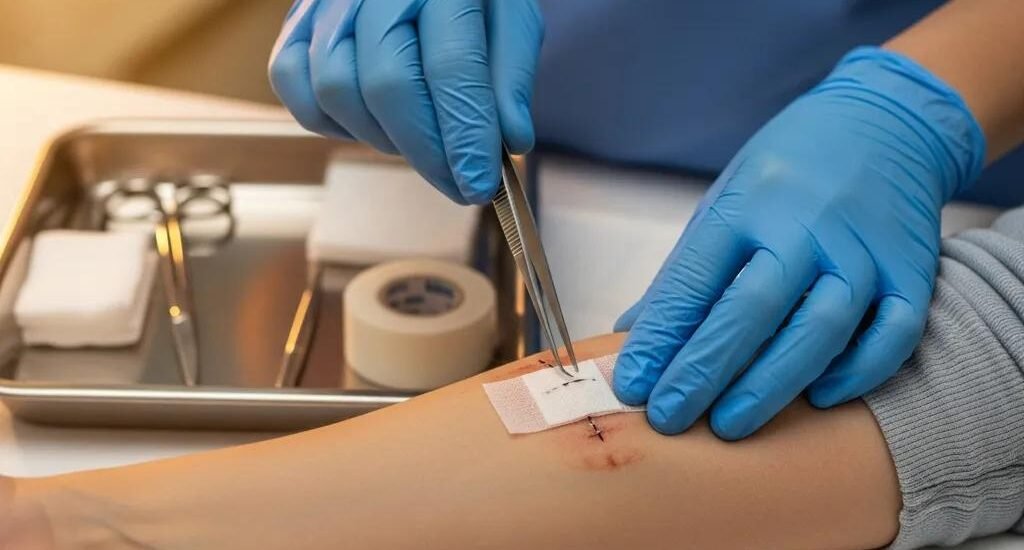
To identify infection, a clinician collects a sample from the wound—usually with a sterile swab or, when needed, a small tissue biopsy. The sample is placed on a culture medium that encourages microbial growth so the lab can identify any organisms present. Common pathogens include Staphylococcus aureus and Pseudomonas aeruginosa. Knowing the exact organism helps guide the choice of antibiotics and other treatments.
When Should a Wound Culture be Performed?
Have a wound culture taken when you see signs of infection—worsening redness, increased swelling, warmth, rising pain, or new drainage. Cultures are also appropriate for chronic wounds that aren’t healing or for patients with repeated infections. Early testing can lead to faster, more effective treatment and reduce the chance of complications.
How Does Healix360 Perform Mobile Wound Culture Testing?
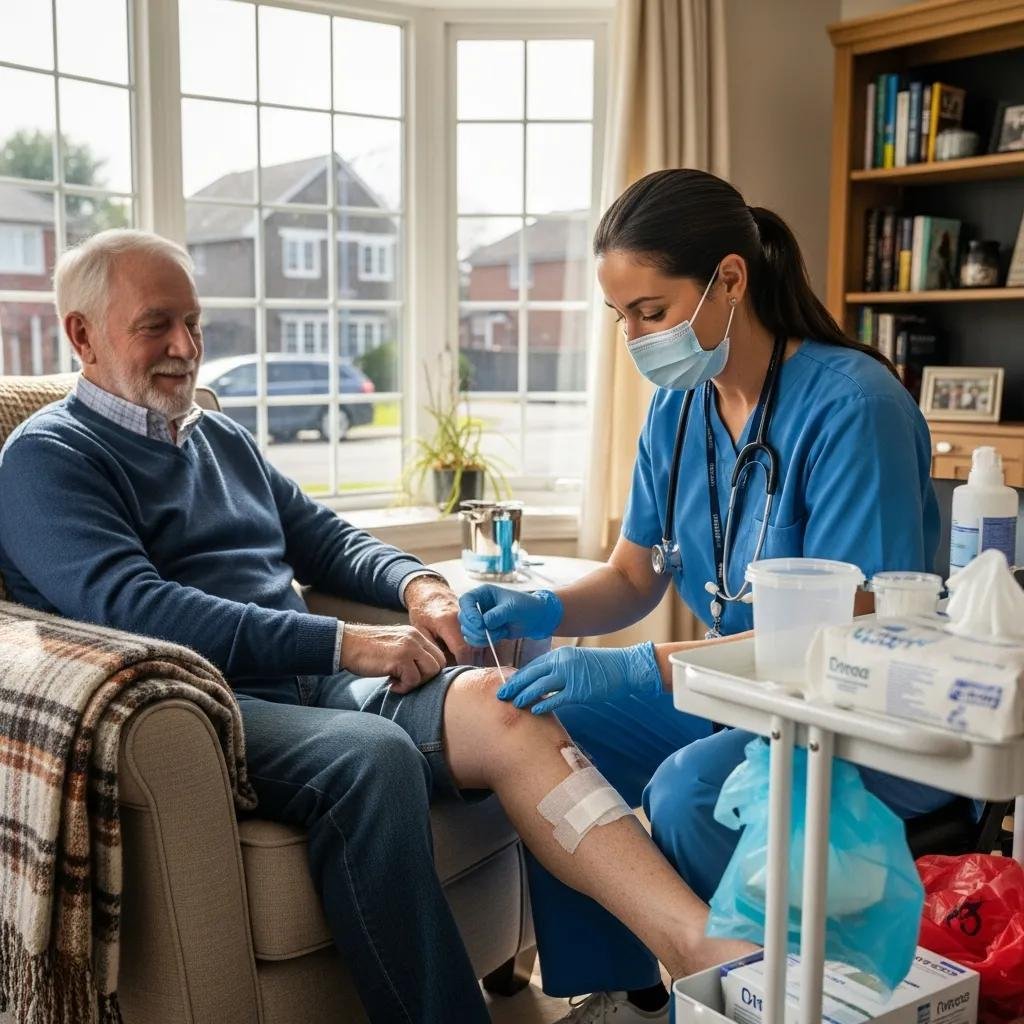
Healix360 brings professional wound culture testing to your home, combining clinical accuracy with patient comfort. Our mobile service is designed to reduce travel and stress while ensuring samples are collected and handled to laboratory standards so results remain reliable.
What is the Step-by-Step Mobile Wound Culture Collection Process?
The mobile wound culture collection process involves several key steps:
- Preparation: The clinician confirms the plan, prepares sterile equipment, and explains the procedure so you know what to expect.
- Sample Collection: A sterile swab or biopsy collects the sample. The wound surface is usually rinsed with sterile saline first, and obvious necrotic tissue is avoided to improve accuracy.
- Transport: The sample is sealed in appropriate transport medium and taken to the lab promptly—ideally within a few hours—to preserve viability.
- Post-Collection Care: You’ll get clear instructions on wound care after sampling and any immediate next steps.
This careful, standardized approach helps produce reliable results that clinicians can act on confidently.
How Does Mobile Wound Care Enhance Patient Comfort and Convenience?
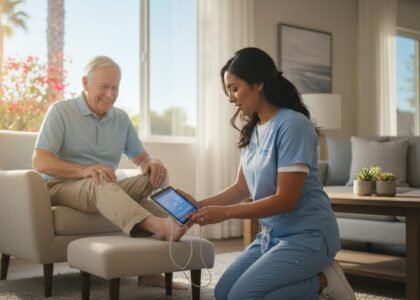
Mobile wound care removes the need to travel to a clinic, which can be difficult for people with limited mobility or pain. Patients receive one-on-one attention in their own home, which reduces stress and supports better follow-through with care. Many patients report feeling reassured by the convenience and personalized attention of Healix360’s mobile visits.
How to Interpret Your Wound Culture and Antibiotic Sensitivity Results
Wound culture results tell you whether pathogens were found and, when paired with sensitivity testing, which antibiotics are likely to work. These results let clinicians tailor treatment rather than guessing, which improves outcomes and helps limit antibiotic resistance.
What Do Positive and Negative Wound Culture Results Mean?
A positive culture means a microorganism was found and may be causing infection; this typically leads to targeted treatment. A negative result means no significant growth was detected, but symptoms and clinical exam still guide care—sometimes colonization (bacteria present without true infection) or prior cleaning can affect results. Results should always be interpreted alongside your symptoms and your clinician’s assessment.
How Does Antibiotic Sensitivity Testing Guide Effective Treatment?
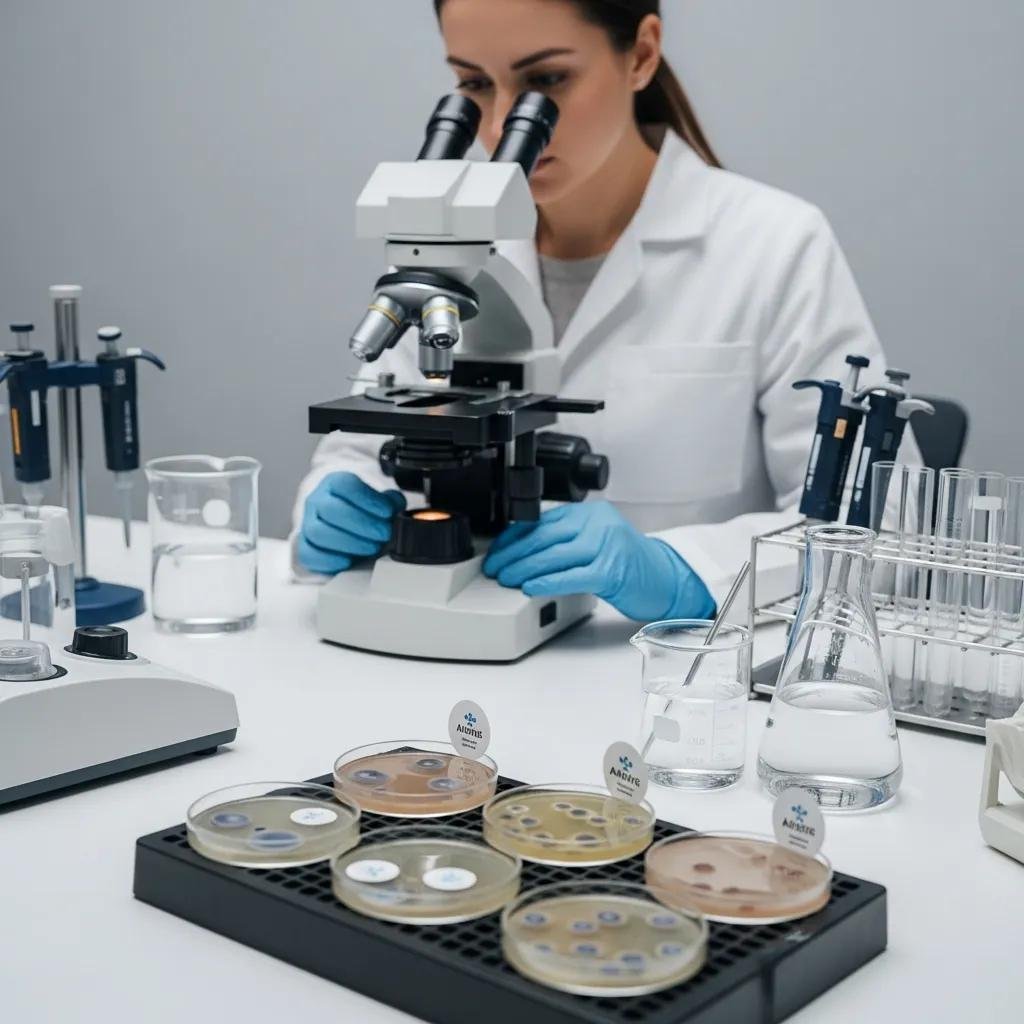
Antibiotic sensitivity testing shows which drugs are likely to stop the organisms grown from your sample. That information helps your provider choose an effective antibiotic and avoid those that won’t work—reducing unnecessary side effects and lowering the risk of resistance.
How Does Healix360 Manage Wound Infections from Diagnosis to Healing?
Healix360 provides continuous care from diagnosis through healing, coordinating testing, treatment, and follow-up. Our team combines monitoring, individualized treatment plans, and patient education to support recovery and prevent recurrence. For questions or to schedule care, see our contact page.
What Treatment Options Are Available After Wound Culture Diagnosis?
After culture results, treatment options may include:
- Antibiotic Therapy: Targeted antibiotics based on culture and sensitivity results.
- Advanced Wound Care Techniques: Debridement, specialty dressings, and other modalities to create a healing environment.
- Regenerative Treatments: Options such as platelet-rich plasma (PRP) or other regenerative therapies to support tissue repair.
Treatment plans focus on clearing infection while promoting the best conditions for healing.
How Does Follow-Up Care Support Infection Prevention and Healing?
Follow-up visits let clinicians track progress, adjust treatment if needed, and address complications early. These check-ins also provide an opportunity to review wound-care steps you can use at home—small changes often speed healing and reduce reinfection risk.
How Advanced Regenerative Treatments Enhance Infected Wound Healing
Regenerative treatments support tissue repair and can be a valuable complement to infection control strategies. When used appropriately, they help rebuild damaged tissue and improve long-term outcomes for chronic or difficult-to-heal wounds.
How Are Regenerative Therapies Integrated with Wound Culture Diagnostics?
Regenerative therapies are coordinated with culture results so clinicians treat the infection first, then apply regenerative approaches as appropriate. Understanding which microbes are present helps time and tailor regenerative care safely and effectively.
What Are the Benefits of Regenerative Medicine for Chronic Wounds?
Regenerative medicine can offer:
- Faster Healing Times: Enhanced tissue repair can shorten recovery.
- Reduced Complications: Targeted therapies can lower the chance of recurrent infection.
- Improved Patient Outcomes: Better healing often leads to improved function and quality of life.
These benefits make regenerative options worth considering for patients with persistent wounds.
What Are the Most Common Patient Questions About Wound Cultures and Mobile Care?
Patients frequently ask about discomfort, timing, and practical steps—clear answers help reduce anxiety and improve cooperation with care plans.
How Painful is the Wound Culture Collection Process?
Most people report only mild, brief discomfort during sample collection. Clinicians use gentle techniques to minimize pain, and the procedure is usually quick.
How Long Does It Take to Receive and Understand Wound Culture Results?
Culture results typically arrive within 48 to 72 hours. Some organisms or additional testing can take longer. Once results are available, your provider will review what they mean and recommend the next steps.
Frequently Asked Questions
What Should I Do If My Wound Culture Result is Positive?
A positive result means a pathogen was identified and treatment is recommended. Your clinician will explain which organism was found and outline a treatment plan—often antibiotics and wound care measures. Follow the plan closely, attend follow-up visits, and follow at-home care instructions to support healing.
Can I Perform a Wound Culture at Home?
Performing a reliable wound culture at home is not recommended. Accurate sampling requires sterile technique and proper transport to a lab. Mobile services like Healix360 provide the convenience of at-home collection while maintaining those clinical standards.
How Can I Prepare for a Wound Culture Test?
To prepare, tell your provider about current medications, including antibiotics. Do not apply ointments or creams to the wound before the test, as these can affect the sample. Clean the area around the wound if needed, but avoid cleaning the wound itself immediately before sampling unless instructed otherwise.
What Are the Risks Associated with Wound Cultures?
Wound cultures are low-risk. You may feel brief discomfort during sampling. Rarely, the sampling site can become slightly irritated or infected. Discuss any concerns or allergies with your clinician beforehand so they can take appropriate precautions.
How Often Should Wound Cultures Be Repeated?
Repeat cultures are guided by clinical need. If a wound isn’t improving, shows new signs of infection, or the initial treatment fails, your clinician may recommend another culture to reassess the situation and guide further therapy.
What Lifestyle Changes Can Support Wound Healing?
Several lifestyle steps support healing: eat a balanced diet with adequate protein, vitamin C, and zinc; stay hydrated; control chronic conditions like diabetes; and avoid smoking. Following your clinician’s wound-care instructions and keeping follow-up appointments are also important.
Conclusion
Wound cultures are a key tool for identifying infection and guiding precise treatment. Healix360’s mobile testing combines clinical accuracy with the comfort and convenience of in-home care, helping you get timely, effective treatment. If you have concerns or need testing, reach out to learn how we can support your wound-care journey.