
First Mobile Wound Care Visit Checklist & What to Expect
Starting wound care can feel unsettling. This guide walks you through what to expect and gives a clear checklist so your first mobile visit goes smoothly. You’ll learn how mobile wound care works, the advantages it offers, and practical steps to prepare. Knowing the process reduces worry and helps you or your loved one focus on healing. Below we explain what mobile wound care includes, how to prepare, what happens during the visit, and how to talk with your wound care specialist so you get the most from your care.
What Is Mobile Wound Care and How Does It Benefit You?
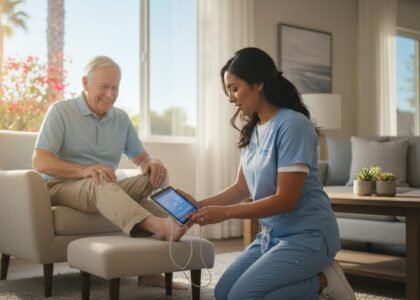
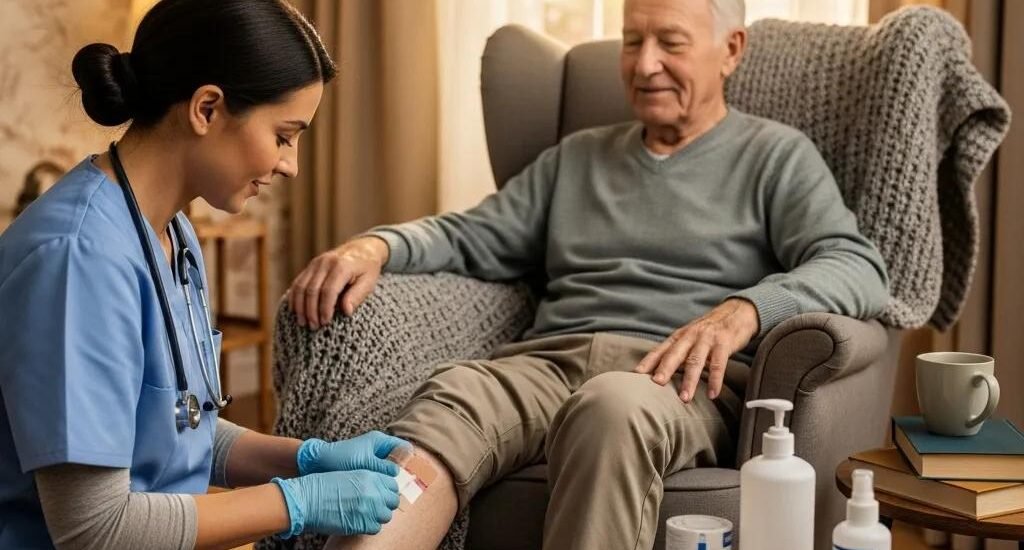
Mobile wound care brings specialized wound treatment to a patient’s home or residence—whether that’s a private home, skilled nursing facility, or assisted living community. Care teams tailor treatments to your needs where you’re most comfortable. The biggest practical benefit of mobile wound care is removing travel and clinic visits, which lowers stress and physical strain for patients who have trouble getting out.
Access and convenience are improving further through telehealth tools and nurse-led apps that extend support and education beyond in-person visits.
Telehealth & Nurse-Led Apps: Enhancing Mobile Wound Care Access
One promising model uses nurse-led, off-hours wound care via telehealth (for example, PocketRN) to triage urgent concerns and provide additional patient education. Expanding remote nursing roles may improve access for patients and their informal caregivers.
A nurse-led care delivery app and telehealth system for patients requiring wound care: mixed methods implementation and evaluation study, CG Brown-Johnson, 2023
How Is Mobile Wound Care Different from Clinic Visits?
Mobile wound care prioritizes convenience and individualized attention. Instead of traveling to a clinic, a wound care clinician comes to you, which is often easier for people with limited mobility. Visits tend to be more focused on the patient’s living environment and daily routine, allowing treatment plans to be adjusted to what works best in your home. Overall, mobile care reduces the physical and emotional burden of repeated clinic trips.
How Do Regenerative Treatments Improve Healing?
Regenerative therapies are used in mobile wound care to help wounds close faster and restore healthy tissue. These can include biologic dressings, topical growth factors, and other cell- or tissue-based products that stimulate the body’s repair mechanisms. When appropriate, these treatments can shorten recovery time and improve wound outcomes as part of a tailored plan.
What Should You Prepare Before Your First Wound Care Appointment?
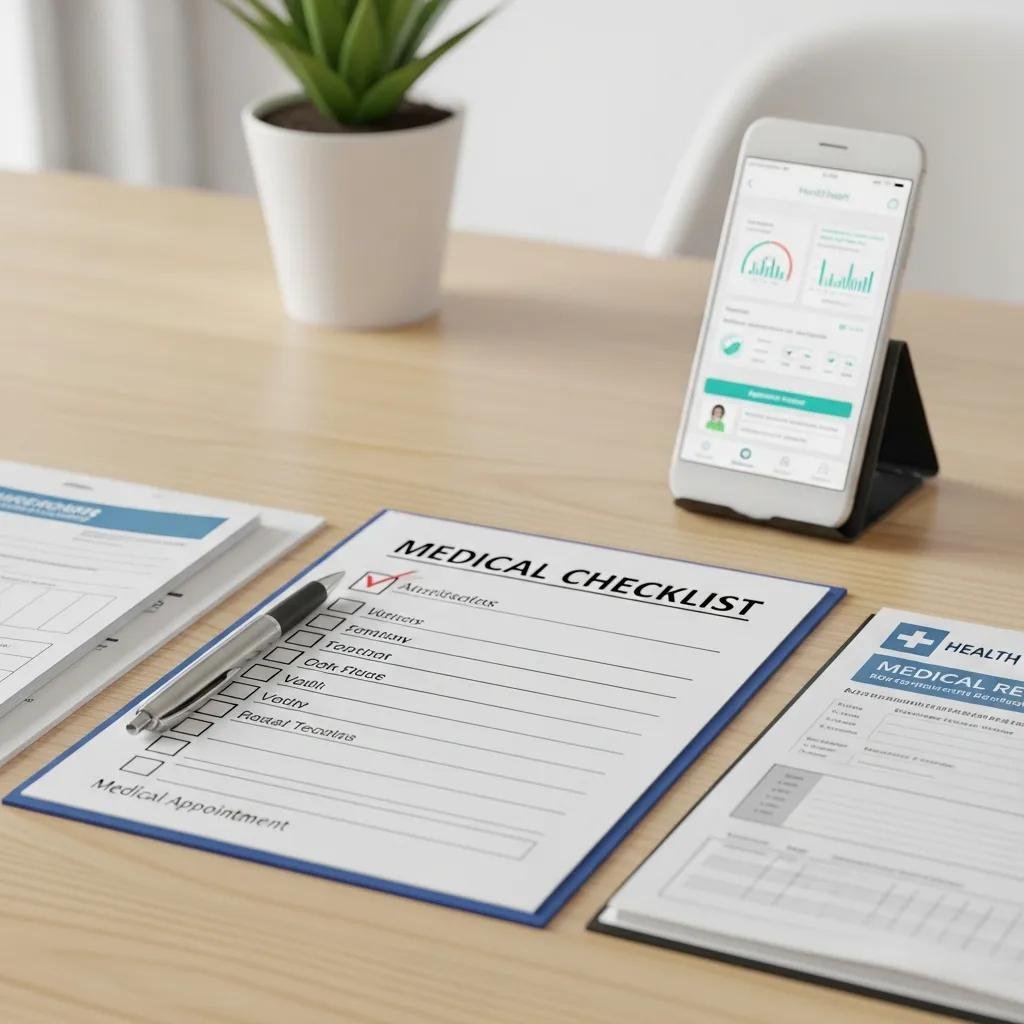
Good preparation helps your clinician quickly understand your history and start the right care. Collecting key medical details ahead of time makes the first visit more productive and safer.
Which Medical Records and Health Information Are Essential?
Bring past wound treatment notes, any imaging (X-rays, ultrasounds), and relevant lab results if available. These records give your specialist a clearer picture of what has been tried and how the wound has changed over time—information that guides the plan going forward.
What Medications, Allergies, and Insurance Details Should You Have Ready?
Have a current list of medications (including doses), known allergies, and your insurance information on hand. This helps the clinician select safe treatments and speeds up administrative steps. A simple checklist or a photo of your medication bottles can be very helpful.
What to Expect During Your Initial Mobile Wound Care Visit
At the first visit, the clinician will perform a focused assessment and talk through treatment choices. This appointment sets the baseline for monitoring progress and deciding next steps.
How Is Your Wound Assessed and Diagnosed?
The assessment usually begins with a visual exam, measurement of the wound, and evaluation of tissue type and drainage. If needed, the clinician may recommend imaging or lab tests to rule out infection or other complications. These findings determine the immediate plan for care.
What Treatment Options Will the Specialist Discuss?
After assessing the wound, your specialist will explain appropriate treatments—examples include debridement to remove nonviable tissue, advanced dressings, negative pressure wound therapy, and regenerative options. The clinician will review benefits, risks, and what to expect so you can make an informed decision together.
How to Engage Effectively with Your Wound Care Specialist

Clear communication helps your care move forward smoothly. Being prepared, asking questions, and sharing daily changes makes it easier for the team to tailor treatment and spot problems early.
What Questions Should You Ask During Your Appointment?
Bring a short list of priorities: what the treatment involves, how long healing should take, signs to watch for, and possible side effects. Ask how to handle dressing changes at home and when to call for help. These questions set clear expectations and make follow-up easier.
How Can Caregivers Help the Healing Process?
Caregivers can assist with dressing changes, observe for signs of infection, help follow the treatment plan, and offer emotional support. When caregivers are informed and involved, adherence and outcomes often improve.
What Happens After Your First Wound Care Appointment?
Your clinician will leave clear home-care instructions and a follow-up plan. Following those steps closely supports healing and reduces the chance of setbacks.
Research shows many patients lack full knowledge of proper home wound care, highlighting the need for clear instruction and accessible education.
Mobile Health & Wound Care Knowledge: Bridging Gaps for Home Patients
In one study, mobile health technology use was positively associated with wound care knowledge (r = .132, P = .01), attitudes (r = .239, P < .001), and practices (r = .132, P = .01). Overall knowledge was limited (correct rate 69.1%) and many participants were unfamiliar with guideline-based wound care (correct rate 74.5%).
Wound care knowledge, attitudes, and practices and mobile health technology use in the home environment:
Cross-sectional survey of social network users, CY Guo, 2020
How Do You Manage Home Care and Dressing Changes?
Your clinician will teach the step-by-step routine for cleaning, applying dressings, and disposing of supplies. Follow the prescribed schedule, use the recommended products, and contact your care team if you’re unsure about any step. Consistency is key to safe, steady progress.
When and How Are Follow-Up Visits Scheduled?
Follow-up timing depends on the wound and the chosen treatment. Your specialist will set appointments to monitor healing and adjust therapy as needed. If symptoms change between visits, contact your care team—early attention can prevent complications.
How to Set Realistic Healing Expectations and Monitor Progress
Healing varies by wound type, underlying health, and treatment. Setting a realistic timeline helps you track progress and stay engaged in your recovery.
What Is the Typical Healing Timeline with Advanced Mobile Care?
Many patients notice improvement within a few weeks, but complex wounds may require longer treatment. Your clinician will provide a personalized estimate based on the wound’s severity and your overall health.
How Do You Recognize and Report Potential Complications?
Watch for increased redness, swelling, warmth, rising pain, foul odor, or new drainage—these can signal infection or other issues. If you see these signs, contact your wound care specialist promptly. Early reporting leads to quicker, more effective treatment.
| Treatment | What it does | Likely result |
|---|---|---|
| Debridement | Removal of dead or damaged tissue to promote a healthier wound bed | Speeds healing and lowers infection risk |
| Biologic Dressings | Advanced materials that protect the wound and support a moist, healing environment | Better moisture balance and tissue support |
| Regenerative Therapies | Treatments that stimulate the body’s repair processes, such as growth factors or cellular products | Improved tissue regeneration and closure |
This table summarizes common mobile wound care treatments, what they do, and the outcomes you can expect. Knowing these options helps you discuss choices with your clinician.
Mobile wound care combines clinical expertise with the comfort of home. With thoughtful preparation and active participation, you can improve healing and make the care process less stressful.
Frequently Asked Questions
What should I expect in terms of costs for mobile wound care services?
Costs vary with wound complexity, visit frequency, and chosen therapies. Many insurance plans cover mobile wound services—check your benefits ahead of time to confirm coverage and any copays. If needed, ask your provider about payment plans or financial assistance options.
How can I prepare my home for a mobile wound care visit?
Set aside a clean, well-lit area with enough space for the clinician to work. Clear clutter and have supplies (dressings, medications) nearby if you already have them. A family member or caregiver can be present to help with communication and follow-up notes.
What types of wounds are typically treated with mobile wound care?
Mobile wound care addresses many wounds, including chronic ulcers (diabetic, pressure, venous), postoperative wounds, and certain traumatic injuries. Your specialist will assess the wound type and recommend an individualized plan.
Are there any specific aftercare instructions I should follow post-appointment?
Your clinician will give tailored aftercare steps—how to change dressings, signs of infection to watch for, activity guidance, and when to return for follow-up. Follow those instructions closely and call your care team if anything is unclear.
How do I know if my wound is healing properly?
Signs of healing include less pain, reduced redness, shrinking wound size, healthy pink granulation tissue, and decreased drainage. If you notice increased pain, spreading redness, pus, fever, or any sudden change, contact your wound care specialist right away.
Can I continue my regular activities during the healing process?
Activity levels depend on the wound and treatment. Many people can continue light daily activities, but avoid anything that places stress on the wound. Your clinician will give guidance tailored to your situation—follow that advice to protect healing.
Conclusion
Mobile wound care lets you receive focused, personalized treatment in your own environment—reducing travel and improving comfort. By preparing for your visit, following your clinician’s instructions, and staying engaged in your care, you can improve healing outcomes. Learn more about how our team supports patients like you by exploring our services today.