


At-Home Chronic Wound Healing: Mobile Care & Advanced Therapies
Chronic wounds often take longer to heal, add stress for patients and families, and drive up care costs. This guide explains how wounds heal at home, why mobile wound care matters, and which advanced treatments can help. You’ll find clear explanations of common wound types—like diabetic foot ulcers and pressure injuries—practical home-care steps, and what to expect when a specialized team from Healix360 provides in-home treatment.
What are chronic wounds and their common types?
Chronic wounds are wounds that do not progress through the normal healing stages and typically persist beyond four weeks. They often arise from underlying conditions—diabetes, poor circulation, or sustained pressure—and can lead to infection or other complications if not managed proactively. Knowing the common wound types helps patients and caregivers choose the right care and seek timely professional support.
How do diabetic foot ulcers affect home wound care?
Diabetic foot ulcers are a frequent and serious form of chronic wound. Nerve damage (neuropathy) and reduced blood flow make these wounds slower to heal and increase infection risk. Home care focuses on close monitoring, pressure relief, and using the right dressings. Regular assessments by trained clinicians ensure early intervention, targeted dressing selection, and adjustments to the care plan as healing progresses.
Research shows home-based programs for diabetic foot ulcers can reduce costs and improve outcomes, including fewer readmissions and higher patient satisfaction.
Cost-effectiveness of home care for diabetic foot ulcers
Delivering wound care at home has been associated with lower mortality and readmission rates and greater satisfaction for patients and providers. This study evaluated the cost-effectiveness of home-based care compared with hospital care for patients with diabetic foot ulcers.
Comparison home care service versus hospital-based care in patients with diabetic foot ulcer: an economic evaluation study, M Sanjari, 2020
What are pressure ulcers and how are they managed at home?
Pressure ulcers (bedsores) develop when sustained pressure reduces blood flow to the skin and underlying tissue. They’re common in people with limited mobility and require prevention and timely treatment to avoid deterioration.
At home, prevention and care include routine repositioning, keeping skin clean and dry, and using appropriate cushions or mattresses. Caregivers are essential—regular checks, prompt dressing changes, and communicating concerns to clinicians help prevent new ulcers and support healing of existing wounds.
How does Healix360’s mobile wound care enhance healing at home?
Healix360’s mobile wound care services bring certified wound specialists to patients’ homes, combining clinical expertise with the convenience of in-home treatment. This model reduces travel burden, allows clinicians to assess the home environment, and supports tailored care plans that fit the patient’s day-to-day life.
What are the benefits of mobile wound care services?
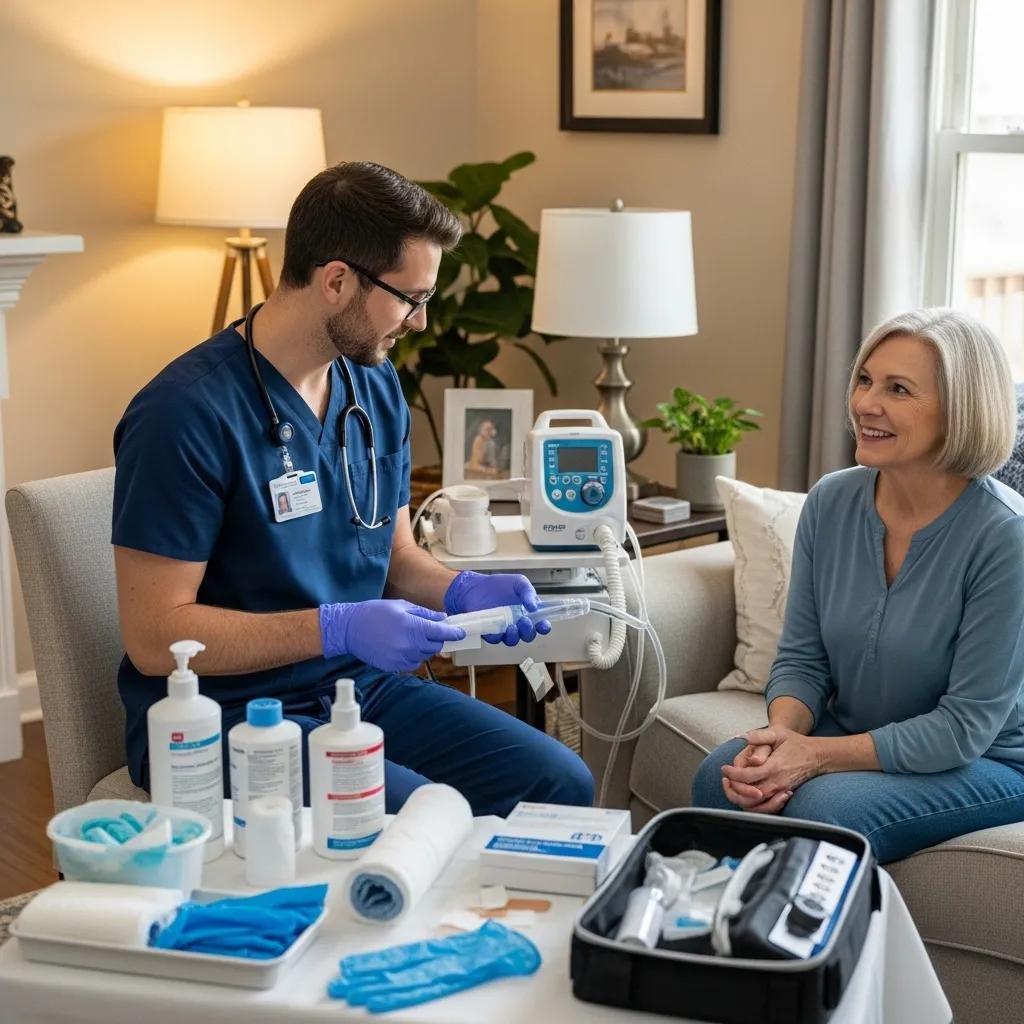
- Accessibility: Care happens where the patient is most comfortable—at home—so appointments are easier to keep and care is more consistent.
- Continuity of care: Regular visits from the same wound team let clinicians monitor progress, refine treatments, and catch complications early.
- Lower infection risk: Professional wound management and education reduce exposure to avoidable risks and improve dressing technique.
These advantages make mobile wound care an effective option for many patients recovering from chronic wounds.
Rising rates of chronic illness and an aging population are increasing demand for convenient, high-quality home health services.
Demand for home health care in chronic wound management
The need for home health and nursing visits has grown as comorbidities and an aging population rise. In the U.S., about 2% of people have complex chronic wounds, contributing to increased demand for home-based wound care programs.
Clinical, Operational, and Economic Benefits of a Digitally Enabled Wound Care Program in Home Health: Quasi-Experimental, Pre-Post Comparative Study, 2025
How does the patient journey progress with Healix360’s home care?
Care starts with an initial assessment: the specialist evaluates the wound, reviews medical history, and creates a personalized care plan. Follow-up visits track progress, adjust treatments, and address barriers to healing. Throughout, the team offers education, supplies, and coordination with other providers to keep the plan aligned with the patient’s needs.
Which advanced treatments support chronic wound healing at home?
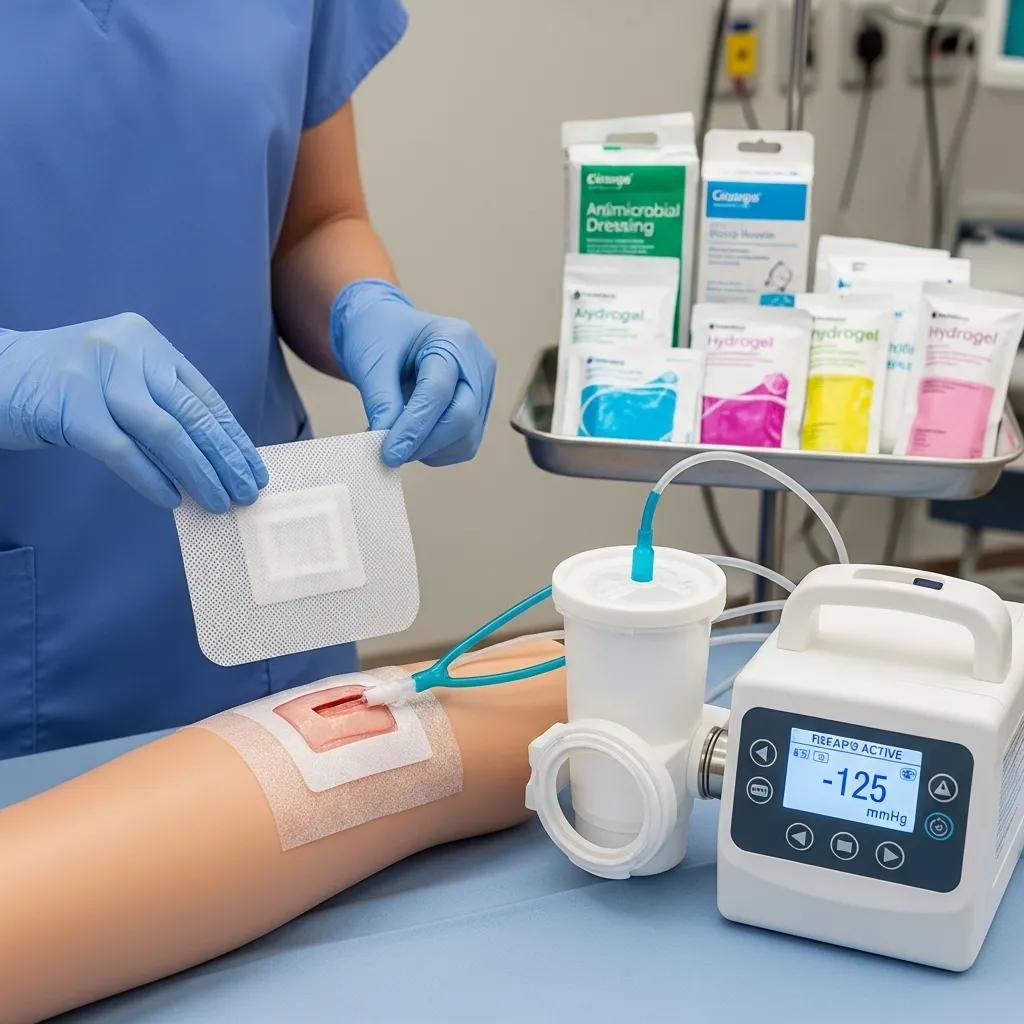
Advanced therapies can speed healing and improve outcomes for stubborn wounds. Knowing which options are available helps patients and caregivers make informed choices in collaboration with clinicians.
How is debridement performed in a home setting?
Debridement removes dead or infected tissue so healthy tissue can grow. In the home setting, trained clinicians use appropriate methods—sharp, mechanical, enzymatic, or autolytic—while maintaining sterile technique and patient safety. Proper debridement creates a cleaner wound bed and supports faster, more reliable healing.
What role do biologic dressings and negative pressure therapy play?
Biologic dressings create a moist, biologically active environment that supports tissue repair and, in some cases, provides growth factors or scaffold material to aid regeneration. Negative pressure wound therapy (NPWT) applies controlled suction to remove excess fluid, reduce edema, and increase perfusion. Both approaches have demonstrated benefit for select chronic wounds when used as part of a comprehensive plan.
What should patients and caregivers expect during the healing process?
Knowing the typical stages and realistic timelines helps set expectations and supports better adherence to the care plan. Healing may be gradual and influenced by health status and the care environment.
What are the stages and timelines of wound healing at home?
Healing usually follows four stages: hemostasis (stopping bleeding), inflammation (clearing debris), proliferation (new tissue formation), and remodeling (strengthening). Inflammation lasts days, while proliferation can take weeks. Overall timelines depend on wound size, cause, circulation, nutrition, and how closely the care plan is followed.
How can caregivers support effective home wound care?
- Monitoring wound condition: Check for changes in size, color, odor, or drainage and report concerns promptly.
- Adhering to care plans: Follow dressing, offloading, and medication instructions exactly as prescribed.
- Providing emotional support: Encourage patients, help with appointments and supplies, and communicate changes to the care team.
Active caregiver involvement often makes the difference between stalled and steady healing.
How are common concerns like infection and pain managed at home?
Early recognition and a clear plan for infection control and pain management are essential for safe, effective home wound care.
What are the signs of wound infection and when to seek help?
Watch for increasing redness, swelling, warmth, new or worsening pain, foul-smelling or increased drainage, or fever. If any of these occur, contact Healix360 or your clinician promptly—early treatment prevents complications and supports better outcomes.
How is pain and mobility support addressed in home care?
Pain is managed with prescribed medications, topical treatments, and techniques that reduce pressure and irritation. Mobility aids—walkers, canes, braces, or custom footwear—help maintain independence while protecting the wound. The care team tailors pain and mobility plans to the patient’s medical profile and daily routine.
How does Medicare Part B and Healix360’s expertise build trust?
Understanding coverage and working with certified clinicians reduces stress and clears the path to effective care. Healix360 helps patients and families navigate coverage and clinical decisions so care stays focused on healing.
What insurance coverage is available for mobile wound care?
Medicare Part B often covers medically necessary home health services—like skilled nursing and therapy—when they’re part of a home health plan of care. Coverage varies, so patients should confirm eligibility and benefits to understand potential costs and next steps.
Why choose board-certified specialists for home wound healing?
Board-certified wound specialists bring focused training and experience in complex wound management. Their expertise in advanced therapies and evidence-based protocols improves outcomes, reduces complications, and builds confidence for patients and caregivers.
| Treatment Type | Description | Benefits |
|---|---|---|
| Biologic Dressings | Dressings that retain moisture and provide biologic support to help tissue regenerate | Supports healing, lowers infection risk |
| Negative Pressure Therapy | Vacuum-assisted therapy that removes fluid and stimulates blood flow to the wound | Speeds healing, improves tissue perfusion |
| Debridement | Removal of nonviable tissue to create a clean wound bed | Promotes healthy granulation, reduces infection risk |
Successful chronic wound healing at home combines understanding wound types, following an evidence-based care plan, and using advanced treatments when indicated. With skilled mobile care and engaged caregivers, many patients experience better healing and a higher quality of life.
Frequently Asked Questions
What are the key factors that influence chronic wound healing at home?
Healing depends on overall health, nutrition, blood flow, and how closely the care plan is followed. Conditions like diabetes or vascular disease slow healing, while adequate protein, vitamins, and hydration support tissue repair. Regular clinician follow-up and proper dressing technique are also vital.
How can patients and caregivers prevent chronic wounds from developing?
Prevention focuses on skin care, managing chronic conditions, and pressure relief. Maintain good hygiene, a balanced diet, and daily skin checks—especially for feet in people with diabetes. For immobile patients, reposition frequently and use pressure-relieving surfaces. Education and early action reduce risk.
What should patients do if they notice delayed healing of their chronic wounds?
If healing stalls, contact a clinician promptly. Delays can signal infection, poor circulation, or other underlying issues. A provider can reassess, order tests if needed, and modify the treatment plan to address barriers to healing.
Are there specific lifestyle changes that can aid in chronic wound healing?
Yes. Quitting smoking improves circulation and oxygen delivery; gentle, appropriate activity boosts blood flow; managing stress and sleep supports recovery; and a nutrient-rich diet provides building blocks for tissue repair. Small, sustainable changes add up.
How can technology assist in managing chronic wounds at home?
Telehealth, mobile apps, and connected devices support home wound care by enabling remote check-ins, tracking progress, and reminding patients about dressings and meds. Smart dressings and imaging tools can flag problems early so clinicians can intervene sooner.
What are the emotional impacts of living with chronic wounds, and how can they be addressed?
Chronic wounds can cause anxiety, depression, and isolation. Addressing emotional needs matters: maintain open communication with caregivers and clinicians, consider support groups, and seek counseling when needed. Treating mental health alongside the wound improves overall recovery.
Conclusion
Managing chronic wounds at home is possible with the right clinical support, clear care plans, and engaged caregivers. Mobile wound care from Healix360 combines specialty expertise with the convenience of in-home treatment to help patients heal safely and comfortably. Learn more about our wound care programs and take the next step toward better recovery today.