

Pressure Ulcers: A Practical Guide to Prevention and Treatment for Better Healing
Pressure ulcers — often called bedsores — are localized injuries to the skin and tissues that most commonly result from prolonged pressure. This guide lays out clear, practical steps for preventing and treating pressure ulcers, aimed at patients, family caregivers, and health professionals. We review how ulcers form, how they’re classified, prevention tactics you can use at home, clinical and advanced treatment options (including negative pressure wound therapy), the value of mobile wound care, and how to recognize complications early so healing stays on track.
What Are Pressure Ulcers and How Are They Classified?
Pressure ulcers develop when constant pressure reduces blood flow to an area of skin, causing tissue damage. Clinically, they’re grouped into four stages that reflect how deep the injury goes. Knowing these stages helps guide the right treatment and timely prevention.
What Are the Stages of Pressure Ulcers?
The stages are described below:
- Stage 1 Pressure Ulcer: Skin is intact but reddened and doesn’t blanch when you press it — an early sign of tissue stress.
- Stage 2 Pressure Ulcer: Partial-thickness skin loss, presenting as a shallow open sore or a blister.
- Stage 3 Pressure Ulcer: Full-thickness skin loss that may extend into the fatty subcutaneous tissue, often looking like a deeper crater.
- Stage 4 Pressure Ulcer: Severe full-thickness tissue loss with exposure of muscle, bone, tendon, or joint structures.
Spotting the stage early helps clinicians choose the most effective interventions and prevent progression.
What Are the Common Risk Factors for Developing Pressure Ulcers?
Several factors increase the chance of pressure ulcer development:
- Immobility: Inability to change position regularly raises pressure on vulnerable areas.
- Moisture: Sweat, incontinence, or wound drainage softens and weakens the skin.
- Poor Nutrition: Inadequate calories or protein slows repair and weakens skin integrity.
- Age: Older adults often have thinner skin and reduced circulation, making them more vulnerable.
Recognizing these risks helps target prevention efforts where they’ll do the most good.
How Can Pressure Ulcers Be Prevented Effectively at Home?
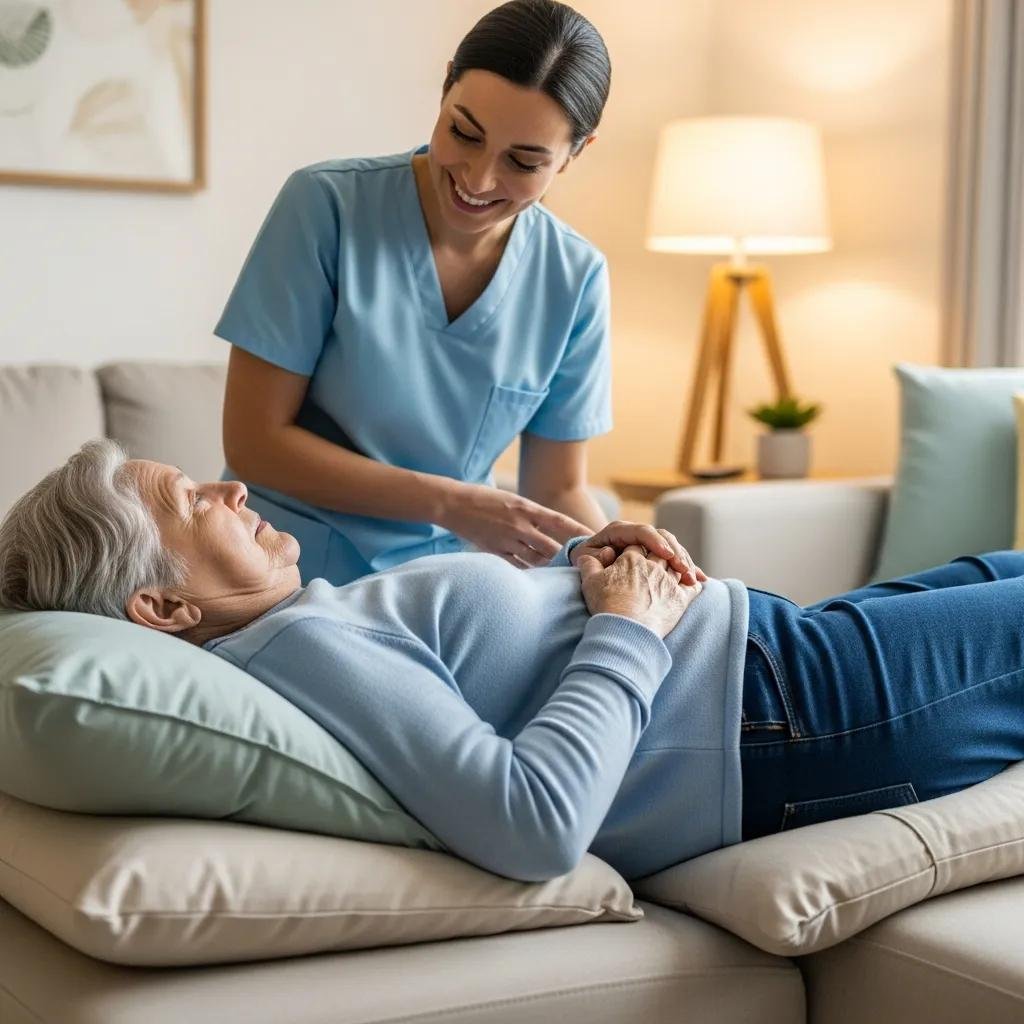
Preventing pressure ulcers is proactive work — especially for people who spend long periods in bed or a chair. Below are practical strategies you can apply at home to lower risk and protect the skin.
What Positioning and Skin Care Strategies Reduce Pressure Ulcer Risk?
- Regular Position Changes: Reposition at least every two hours when lying down (and more often if needed) to offload pressure points.
- Use of Support Surfaces: Pressure-redistributing mattresses, overlays, and cushions help spread weight away from vulnerable areas.
- Skin Care: Keep skin clean and dry, manage incontinence promptly, and use gentle moisturizers to prevent cracking.
Consistent repositioning plus appropriate support surfaces and skin care are the most effective home strategies.
How Does Nutrition Support Pressure Ulcer Prevention?
Nutrition is a core part of both prevention and healing. Key recommendations:
- Protein-Rich Foods: Protein supports tissue repair and immune function.
- Hydration: Adequate fluids keep skin pliable and resilient.
- Vitamins and Minerals: Vitamin C, zinc, and other nutrients support wound repair and collagen formation.
Addressing unintended weight loss and meeting dietary needs reduces ulcer risk and improves recovery.
Evidence consistently links poor nutrition to higher pressure ulcer risk and slower healing.
The Role of Nutrition in Pressure Ulcer Prevention and Healing
Poor nutrition and unintentional weight loss are major contributors to pressure ulcer development and delayed wound healing. Ensuring adequate intake of calories, protein, and key micronutrients is a vital part of both preventing ulcers and supporting recovery.
Pressure ulcer and nutrition, SH Saghaleini, 2018
What Are the Available Treatment Options for Pressure Ulcers?
If a pressure ulcer forms, timely, stage-appropriate treatment is essential. Options range from basic wound care to surgical intervention, selected based on ulcer depth, infection risk, and the patient’s overall health.
How Is Wound Debridement Performed and Why Is It Important?
Debridement removes dead or infected tissue so healthy tissue can grow. Common approaches include:
- Surgical Debridement: Fast removal of necrotic tissue in a controlled, sterile setting.
- Mechanical Debridement: Physical removal using dressings, irrigation, or tools.
- Autolytic Debridement: Uses the body’s own enzymes in a moist environment to break down dead tissue.
- Enzymatic Debridement: Topical enzyme preparations that selectively dissolve necrotic tissue.
Proper debridement reduces infection risk and creates a healthier wound bed for healing.
Clinical evidence highlights the safety and life-saving potential of appropriate debridement, even in medically complex patients.
Operative Debridement for Severe Pressure Ulcers
When performed correctly, operative debridement is safe for patients with severe pressure ulcers and multiple comorbidities. Timely surgical removal of necrotic tissue can prevent systemic infection and improve outcomes.
Operative debridement of pressure ulcers, MS Golinko, 2009
What Role Do Biologic Dressings and Regenerative Treatments Play?
Advanced dressings and regenerative therapies can accelerate healing, especially for deeper or chronic ulcers. Examples include:
- Hydrocolloid Dressings: Maintain a moist environment that supports cell migration and repair.
- Biologic Skin Substitutes: Engineered tissues that encourage regeneration in deeper wounds.
- Growth Factor Therapies: Topical agents that stimulate cell growth and tissue repair.
These options are often used alongside standard care to improve healing in difficult-to-heal wounds.
How Does Negative Pressure Wound Therapy Aid Pressure Ulcer Healing?
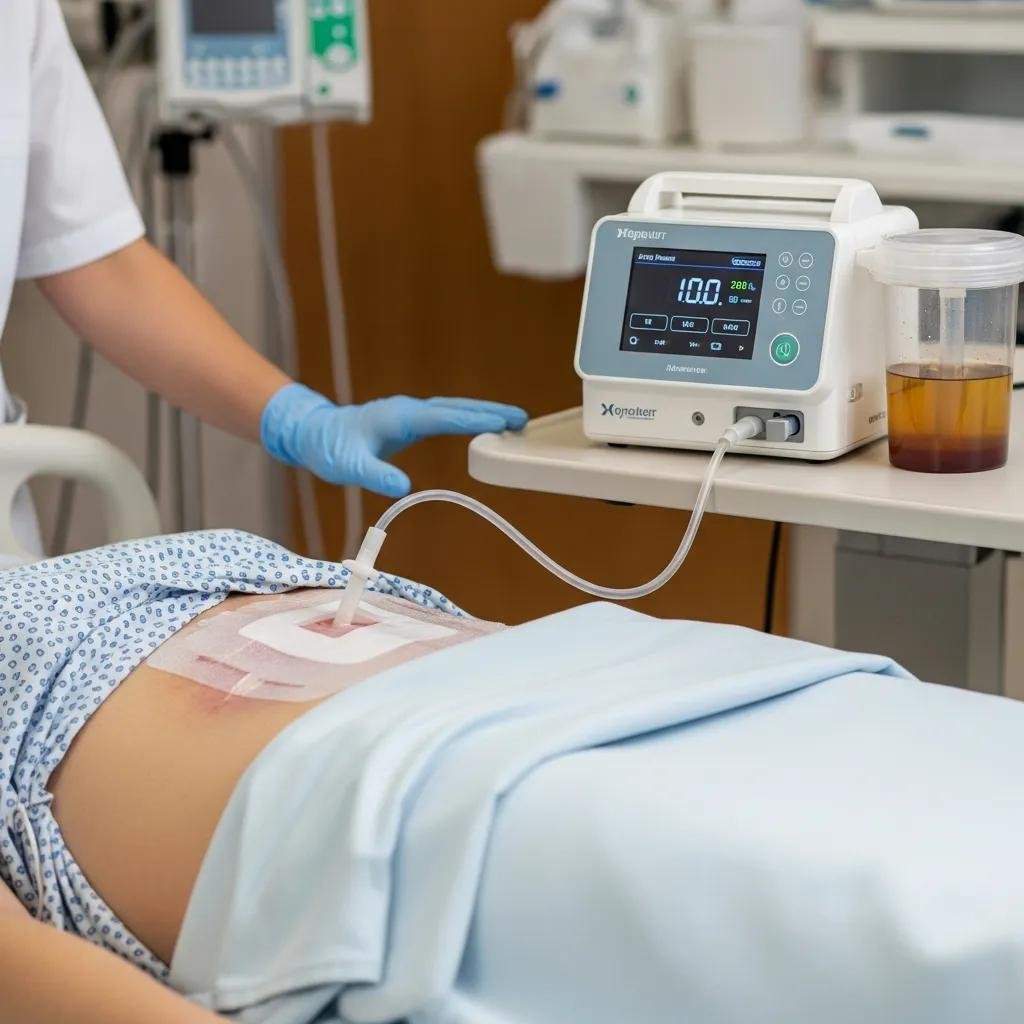
Negative pressure wound therapy (NPWT) uses controlled suction to support healing of chronic wounds, including pressure ulcers. Its main benefits are:
- Removing Excess Fluid: Reduces edema and helps restore local blood flow.
- Promoting Granulation Tissue: Encourages healthy tissue growth inside the wound.
- Protecting the Wound: Creates a sealed environment that lowers contamination risk.
NPWT is particularly useful for complex or slow-healing ulcers when used by trained clinicians.
Systematic reviews and trials support NPWT as a valuable option in selected pressure ulcer cases.
Negative Pressure Wound Therapy for Pressure Ulcer Treatment
Negative pressure wound therapy is an evidence-based option for treating pressure ulcers. A current, clear summary of the available data helps clinicians decide when and how to use NPWT effectively.
Negative pressure wound therapy for treating pressure ulcers, JC Dumville, 2015
What Is the Application Process of Negative Pressure Wound Therapy?
- Wound Preparation: Clean the wound and place an appropriate foam or gauze dressing to fill the wound cavity.
- Sealing the Dressing: Apply an adhesive film to form an airtight seal around the dressing.
- Connecting the Device: Attach the suction pump and start the prescribed negative pressure settings.
NPWT should be applied and monitored by skilled clinicians to ensure safety and optimal results.
What Are the Benefits and Potential Risks of This Therapy?
NPWT can speed healing and reduce dressing changes, but it also has possible risks:
- Infection: Misapplication or poor hygiene can introduce bacteria.
- Discomfort: Some patients notice suction-related discomfort, which can often be managed.
- Skin Irritation: Adhesives may irritate sensitive skin.
- Bleeding: Rare but possible, especially when blood vessels are exposed.
With correct patient selection and clinical oversight, benefits typically outweigh risks.
What Are the Benefits of Mobile Wound Care Services for Pressure Ulcer Patients?
Mobile wound care services bring specialist wound treatment directly to a patient’s home — a practical option for many people with pressure ulcers.
How Does Mobile Wound Care Improve Healing and Reduce Infection?
- Personalized Care: Care plans are tailored to the patient’s needs and living environment.
- Regular Monitoring: Frequent visits allow clinicians to adjust treatment quickly if the wound changes.
- Education for Patients and Caregivers: Hands-on instruction helps families perform daily care safely and confidently.
Delivered consistently, mobile wound care can speed recovery and lower infection risk compared with irregular clinic visits.
How Can Patients and Caregivers Schedule and Prepare for Mobile Care?
- Contact the Service Provider: Call or use the contact page to book an appointment.
- Prepare the Wound Area: Clear the immediate area so the clinician can access and assess the wound easily.
- Gather Medical History: Have recent medications, comorbidities, and prior wound treatments available for the care team.
Simple preparation helps ensure the visit is thorough and efficient.
How Can Patients and Caregivers Manage Pressure Ulcers and Recognize Complications?
Ongoing management focuses on preventing deterioration and spotting complications early so care can be escalated when needed.
What Are the Signs of Wound Infection and When to Seek Help?
- Increased Redness: Expanding redness around the wound.
- Swelling: Noticeable increase in surrounding swelling.
- Foul Odor: New or worsening smell from the wound.
- Fever: Any systemic fever may signal spreading infection.
- Increased Pain or Warmth: Escalating pain or warmth at the site.
Contact a healthcare provider promptly if you notice any of these signs.
How Can Pain and Mobility Challenges Be Managed During Treatment?
- Pain Management Techniques: Use prescribed pain medications, topical options, or other clinician-recommended measures.
- Physical Therapy: Gradual activity and targeted exercises can preserve function and reduce pressure risk.
- Supportive Devices: Wheelchairs, walkers, and pressure-relief cushions help maintain mobility and reduce pressure points.
Combining pain control, rehab, and the right equipment helps patients stay comfortable and active during recovery.
| Treatment Option | Description | Effectiveness |
|---|---|---|
| Wound Debridement | Removal of necrotic or infected tissue to create a healthy wound bed | High |
| Biologic Dressings | Advanced dressings and skin substitutes that support tissue regeneration | Moderate to High |
| Negative Pressure Therapy | Controlled suction therapy that promotes granulation and reduces edema | High |
Pressure ulcers present a major challenge for people with restricted mobility. With early prevention, appropriate clinical treatment, and good nutrition, patients and caregivers can improve healing and quality of life.
Frequently Asked Questions
What are the long-term effects of untreated pressure ulcers?
Left untreated, pressure ulcers can cause chronic pain, recurring infection, and in severe cases systemic infection (sepsis). They often lead to longer hospital stays, additional procedures such as grafting or surgery, and a significant decline in comfort and independence. Early evaluation and treatment reduce these risks.
How can caregivers effectively monitor pressure ulcers at home?
Caregivers should perform regular skin checks, note changes in size, color, drainage, or smell, and keep a simple log to track progress. Follow repositioning schedules, maintain skin hygiene, and ensure nutritional needs are met. Report any signs of infection or rapid change to the care team immediately.
What role does patient education play in pressure ulcer prevention?
Education empowers patients and caregivers to spot early warning signs, follow repositioning and skin-care routines, and use equipment correctly. When families understand why measures matter — like nutrition and pressure relief — they’re more likely to follow prevention plans consistently.
Are there specific products recommended for pressure ulcer care?
Commonly recommended products include hydrocolloid and foam dressings, pressure-redistributing mattresses and cushions, and topical agents that support healing or reduce bacterial load. The best choice depends on ulcer stage and individual needs, so consult a clinician for tailored recommendations.
How can technology assist in the management of pressure ulcers?
Technology helps through sensor-enabled mattresses that prompt repositioning, mobile apps for tracking wound progress, and telehealth visits that connect patients to specialists without travel. These tools support consistent care and quicker adjustments when wounds change.
What are the psychological impacts of pressure ulcers on patients?
Pressure ulcers can affect mood, self-image, and social engagement. Chronic pain and reduced independence increase the risk of anxiety and depression. Emotional support, counseling, and involving patients in care decisions help address these effects and improve overall recovery.
Conclusion
Preventing and treating pressure ulcers requires coordinated care: regular repositioning, good skin care, adequate nutrition, and timely clinical intervention. Advanced therapies and mobile wound care can speed recovery and reduce complications. If you or a loved one is at risk, reach out for expert guidance to create a customized plan that protects skin and promotes healing.