
In‑Home Wound Care: Faster Healing, Better Comfort
In‑home wound care brings clinical expertise into the places people feel safest: their own homes. This patient-focused approach helps manage chronic wounds with tailored treatment plans, advanced therapies, and fewer disruptions to daily life. For many patients, travel, limited mobility, and the stress of clinic visits slow recovery—mobile care removes those barriers so healing can move forward steadily.
Below we explain the practical benefits of home-based wound care, the regenerative treatments available, how risks are reduced, and the hands‑on support provided by Healix360 Advanced Mobile Wound Care Specialists.
What Makes In-Home Wound Care Convenient and Comfortable?
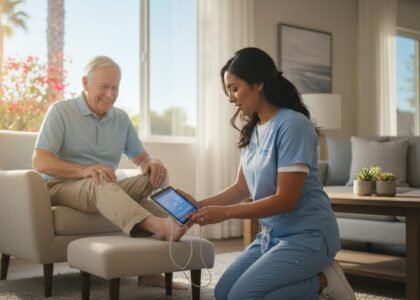
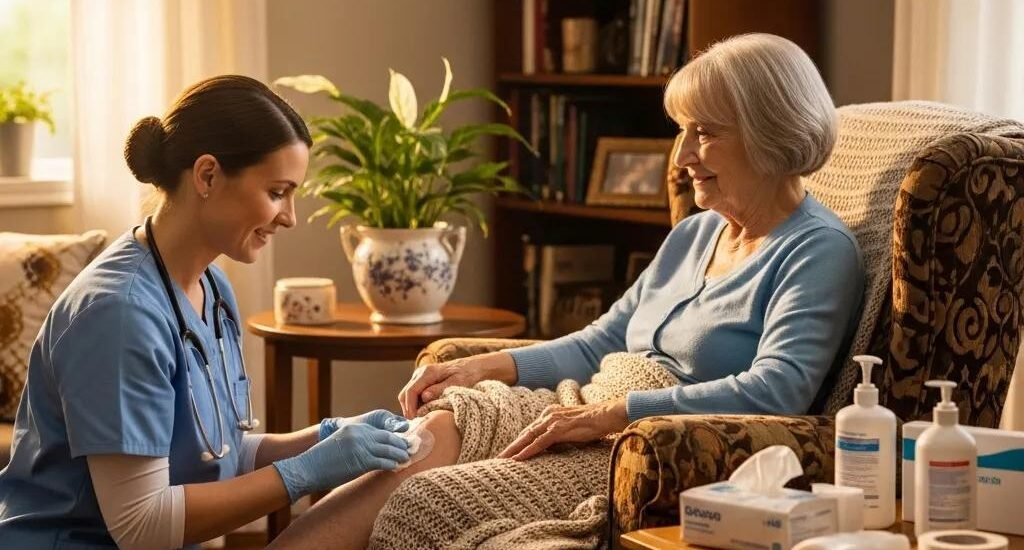
Home-based wound care replaces clinic trips with scheduled visits at home, reducing strain on patients and caregivers while keeping care consistent and timely.
How Does Mobile Wound Care Eliminate Travel and Mobility Challenges?
Bringing care to the home removes common obstacles—transportation challenges, physical limitations, or difficulty sitting through long appointments. Mobile clinicians deliver assessments and treatments where the patient is, so necessary care happens on time and without the added physical or logistical stress.
Why Is Healing in a Familiar Home Environment Beneficial?
Recovering at home often lowers stress and supports better sleep and comfort—factors that help the body heal. Familiar surroundings can ease anxiety, encourage rest, and enable more consistent self‑care, all of which support improved clinical outcomes.
When you choose Healix360 Advanced Mobile Wound Care Specialists, you get comprehensive, individualized care delivered in the environment that helps you heal best.
How In-Home Wound Care Minimizes Risks and Complications
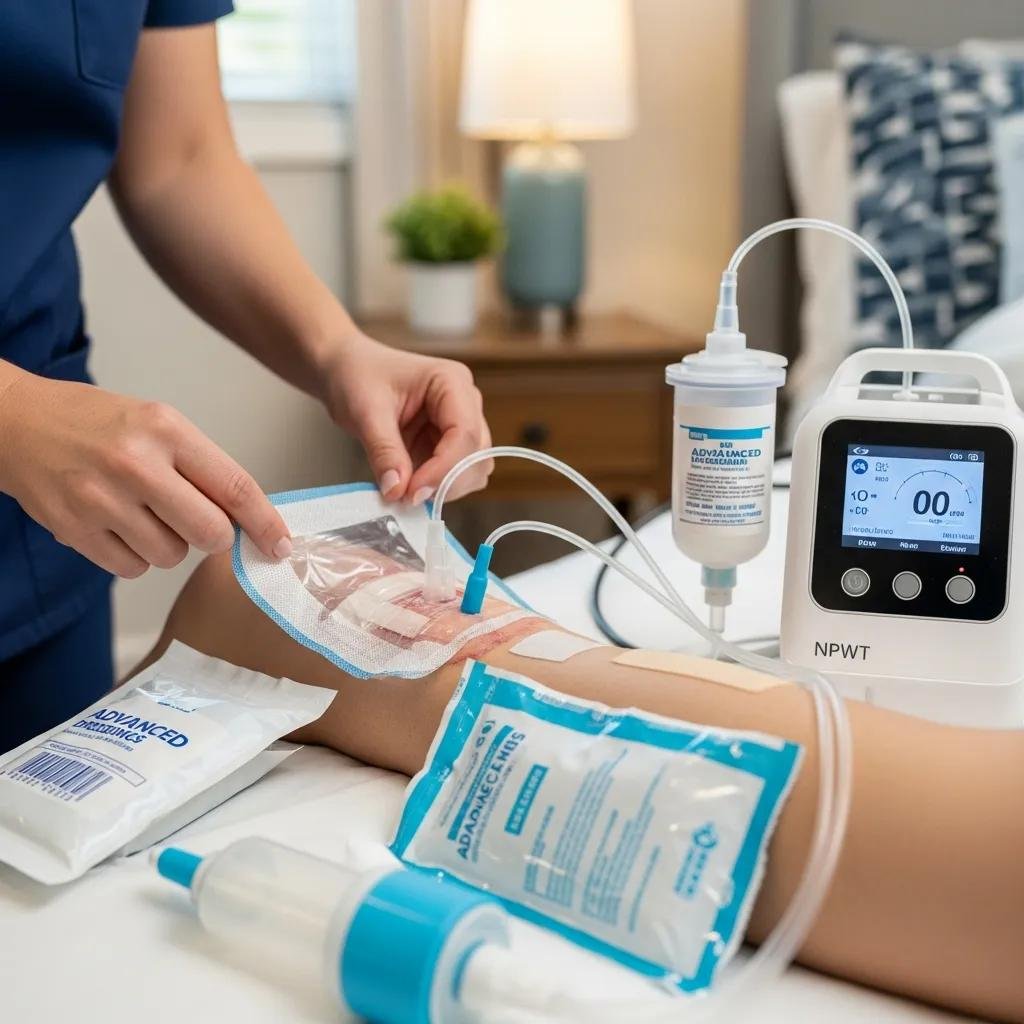
Regenerative and advanced therapies used in the home setting support tissue repair and speed recovery. These options extend clinic-grade care into the home to address complex wounds effectively.
What Personalized Treatment Plans Are Offered for Chronic Wounds?
Each plan starts with a thorough evaluation—wound assessment, medical history, and lifestyle factors—so clinicians can choose the right combination of therapies. Ongoing monitoring and adjustments ensure the plan evolves with the patient’s healing progress.
Which Cutting-Edge Therapies Are Delivered Through Mobile Wound Care?
Mobile wound care teams can provide therapies such as negative pressure wound therapy and evidence‑based advanced dressings, plus regenerative products when appropriate. These treatments create an optimal healing environment and are selected based on wound type, stage, and patient needs.
| Therapy Type | Description | Benefits |
|---|---|---|
| Negative Pressure Therapy | Controlled suction applied to the wound to support closure | Reduces swelling, draws out fluid, and improves blood flow |
| Advanced Dressings | Specialized materials that support a balanced, moist healing environment | Protects tissue, lowers infection risk, and promotes cell repair |
| Regenerative Medicine | Biologic products that stimulate tissue repair and regeneration | Encourages new tissue growth and can accelerate recovery |
This summary shows how targeted therapies used in the home setting can improve healing and support better long‑term outcomes.
In What Ways Does In-Home Wound Care Reduce Risks and Prevent Complications?
Home wound care helps address risk factors early and reduces exposure to facility‑based pathogens, which can lower the chance of complications when care is delivered properly.
How Does Home Care Minimize Infection Risks Compared to Clinics?
Limiting visits to high‑traffic clinical spaces can reduce exposure to other patients’ illnesses. In home settings, clinicians follow strict sterile technique and hygiene protocols adapted for safe treatment in the patient’s environment.
Why Is Early Intervention Important to Avoid Hospitalizations?
Timely assessment and treatment catch problems before they worsen. Early intervention can prevent wound deterioration, reduce emergency visits, and often avoid more invasive procedures or hospital stays—improving outcomes and lowering overall costs.
How Does Healix360 Support Patients and Caregivers During Home Wound Care?
Healix360 provides ongoing clinical care plus practical guidance to patients and families, ensuring wound management is consistent, informed, and compassionate from start to finish.
What Educational Resources Empower Caregivers in Wound Management?
We offer clear, practical training and written guidance so caregivers can handle day‑to‑day wound care tasks with confidence. That includes step‑by‑step instructions, signs to watch for, and when to contact the care team.
How Does Emotional Support Enhance Patient and Family Well-Being?
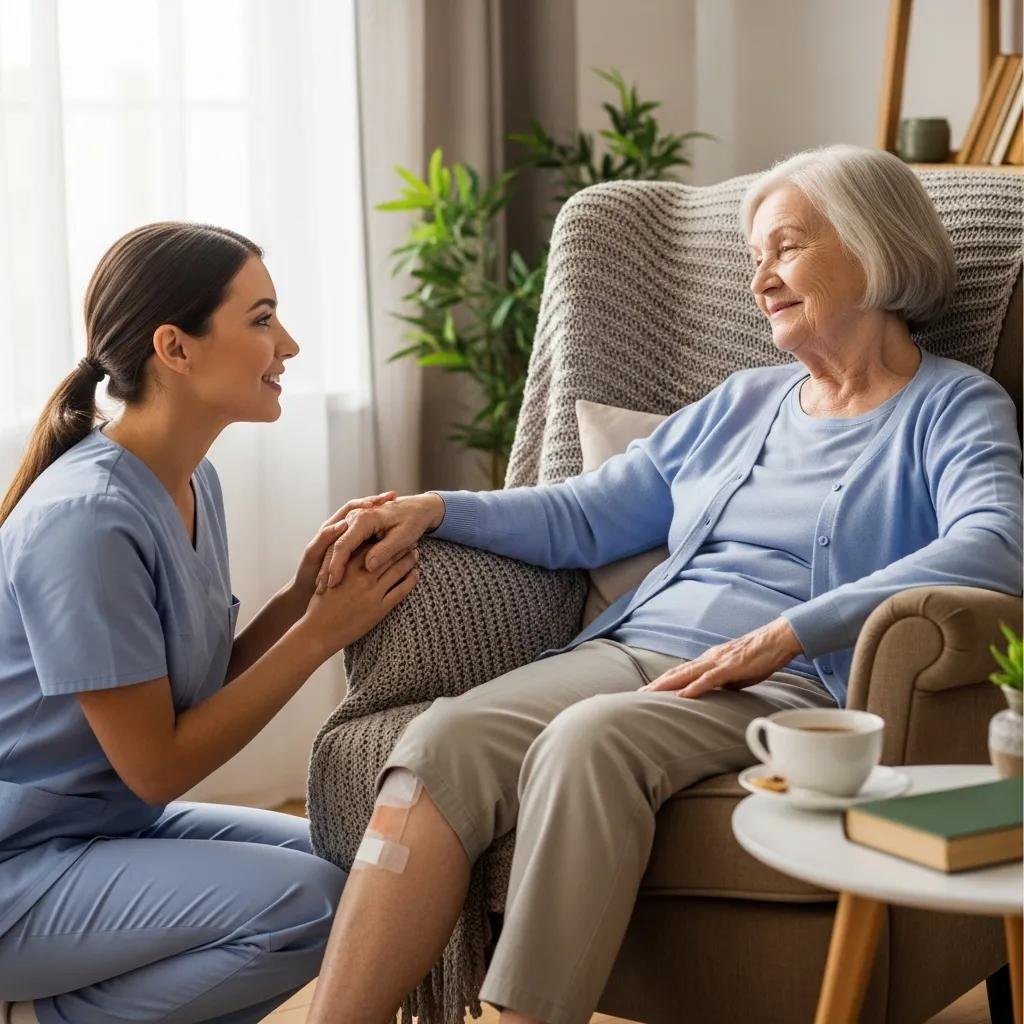
Healing is more than dressings and procedures—emotional support matters. Our clinicians listen, educate, and connect families with resources so patients and caregivers feel supported throughout recovery.
Which Chronic Wounds Can Be Effectively Treated with In-Home Care?
Many chronic wounds respond well to home‑based care when managed by experienced clinicians and supported with appropriate therapies.
How Are Diabetic Foot Ulcers Managed at Home?
Diabetic foot ulcers require careful monitoring and targeted treatment. In the home setting, clinicians perform regular assessments, debridement when needed, infection control, and deliver education on foot care and off‑loading to prevent recurrence.
Evidence shows that well‑organized home care programs can improve outcomes and be cost‑effective for patients with diabetic foot ulcers.
Home Care vs. Hospital Care for Diabetic Foot Ulcers: Cost-Effectiveness & Patient Satisfaction
Delivering care at home has been associated with lower readmission and mortality rates in some studies, along with higher patient and provider satisfaction. This study evaluated the cost‑effectiveness of home care versus hospital‑based care for patients with diabetic foot ulcers.
Comparison home care service versus hospital-based care in patients with diabetic foot ulcer: an economic evaluation study, M Sanjari, 2020
What Are the Benefits of Home Care for Pressure and Venous Leg Ulcers?
For pressure and venous leg ulcers, home care enables consistent dressing changes, frequent reassessment, and adjustments to therapy—steps that support steady healing and reduce the need for hospital visits.
What Should Patients Expect During Their In-Home Wound Care Journey?
Knowing the typical steps in home wound care helps patients and families feel prepared and engaged in the recovery process.
How Is the Initial Assessment and Scheduling Process Conducted?
The first visit includes a full wound and health assessment to build a personalized plan. Scheduling is coordinated around the patient’s needs so visits are convenient and predictable.
What Are the Steps Involved in Personalized Treatment and Follow-Up?
Treatment follows a clear sequence: baseline assessment, tailored therapy, routine monitoring, and timely adjustments. Regular follow‑ups ensure progress is tracked and care is changed as needed to keep healing on course.
In short, in‑home wound care combines convenience, advanced clinical options, and caregiver education to improve healing and quality of life. Healix360 Advanced Mobile Wound Care Specialists are committed to delivering attentive, evidence‑based care in the place you call home. Learn more or reach out to us to discuss your care options.
Frequently Asked Questions
What types of healthcare professionals provide in-home wound care?
In‑home wound care teams typically include registered nurses, nurse practitioners, and certified wound care specialists trained in advanced wound management. They assess, treat, and monitor wounds using evidence‑based protocols to promote safe, effective healing at home.
How often should patients expect visits from in-home wound care providers?
Visit frequency depends on wound severity and treatment needs. Early in care, visits may occur several times per week; as the wound improves, visits are spaced further apart. Your clinician will outline a schedule based on your personalized plan.
Are in-home wound care services covered by insurance?
Many plans—including Medicare and Medicaid—cover medically necessary home wound care, though specifics vary. We help patients verify benefits and navigate authorizations so you understand coverage and any potential out‑of‑pocket costs.
What should patients do if they notice signs of infection during in-home care?
If you see increased redness, swelling, warmth, pain, or drainage, contact your care team right away. Prompt communication lets clinicians respond quickly with treatment adjustments or escalation if needed.
Can family members participate in the wound care process?
Absolutely. Family members and caregivers are encouraged to participate. We provide training and written guidance so caregivers can safely assist with dressing changes, daily care, and recognizing warning signs.
What types of chronic wounds can be treated with in-home care?
Home wound care is effective for diabetic foot ulcers, pressure ulcers, venous leg ulcers, and many surgical wounds. Each wound type requires specific strategies, and home care allows those strategies to be delivered consistently and conveniently.
How can patients prepare for their first in-home wound care visit?
Before the first visit, have your medical history, current medications, and any prior wound treatment information available. Prepare a comfortable, accessible area for the clinician and a list of questions to make the visit efficient and informative.
Conclusion
In‑home wound care blends clinical expertise with the comfort of home to reduce stress, improve adherence, and support better healing. Healix360 Advanced Mobile Wound Care Specialists offer personalized plans, advanced therapies, and caregiver education to guide you through recovery. Contact us today to see how we can help your healing journey.