
How mobile wound care accelerates healing: benefits and treatments
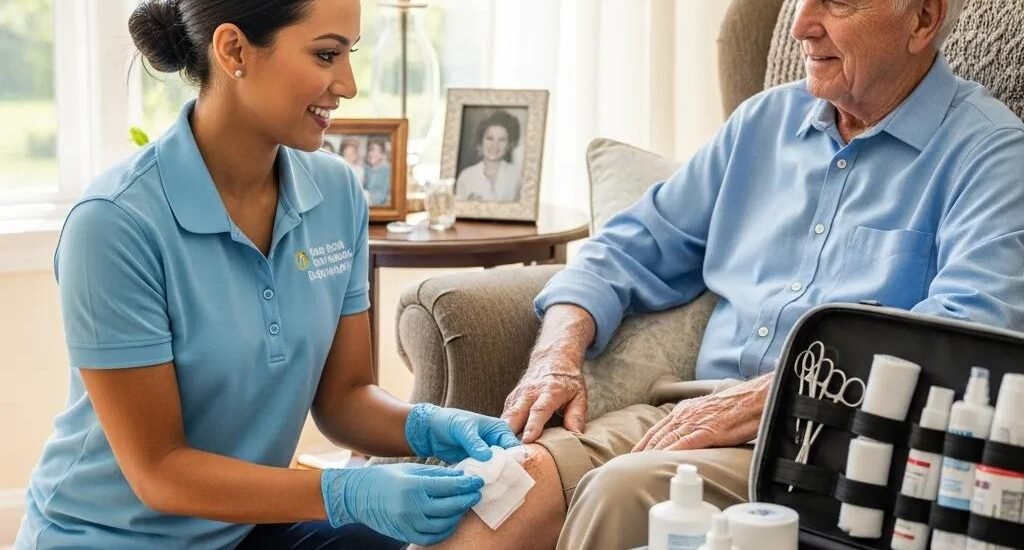
Mobile wound care is reshaping how people with chronic wounds get help. By bringing specialist care to the home or facility, we remove travel barriers, speed interventions, and give patients a more comfortable, consistent path to healing. Below we outline the main advantages of mobile wound care, the regenerative treatments commonly used, the types of chronic wounds we treat, and what patients and caregivers can expect when they work with Healix360 Advanced Mobile Wound Care Specialists.
What are the key benefits of mobile wound care for patients?
Delivering wound care at home improves access, supports timely treatment, and helps reduce complications — all of which contribute to better healing and a less stressful experience for patients and caregivers.
How does mobile wound care improve convenience and access?
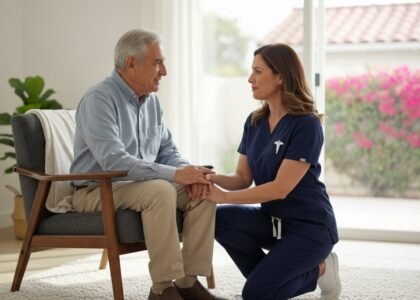
Home visits eliminate the need for frequent travel, easing the burden on patients with limited mobility or complex health needs. We offer flexible scheduling so appointments fit into patients’ lives, making it easier to keep follow-ups and receive consistent care.
How does mobile wound care speed healing and lower complications?
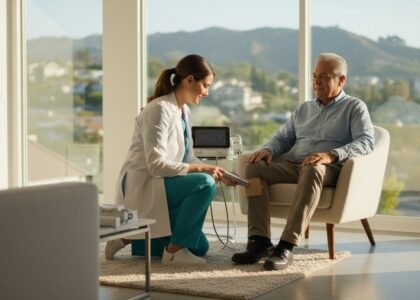
Regular in-home monitoring allows clinicians to catch problems early and adjust treatment promptly. Consistent specialist attention — delivered where patients live — is associated with improved wound trajectories compared with sporadic clinic visits, helping reduce infections and other setbacks.
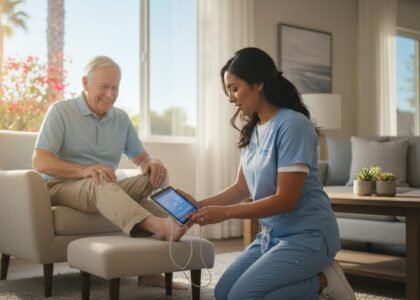
Bringing advanced tools like Negative Pressure Wound Therapy (NPWT) into the home further supports faster, more reliable healing.
Benefits & harms of home-based NPWT for chronic wounds
A systematic review examined use of NPWT in home settings and evaluated whether benefits and harms differ by wound type. The findings help clarify how this technology performs outside traditional clinics.
Healix360’s mobile specialists apply these practices consistently, delivering tailored attention and the interventions needed to promote recovery without unnecessary clinic visits.
Which advanced regenerative treatments are available through mobile wound care?
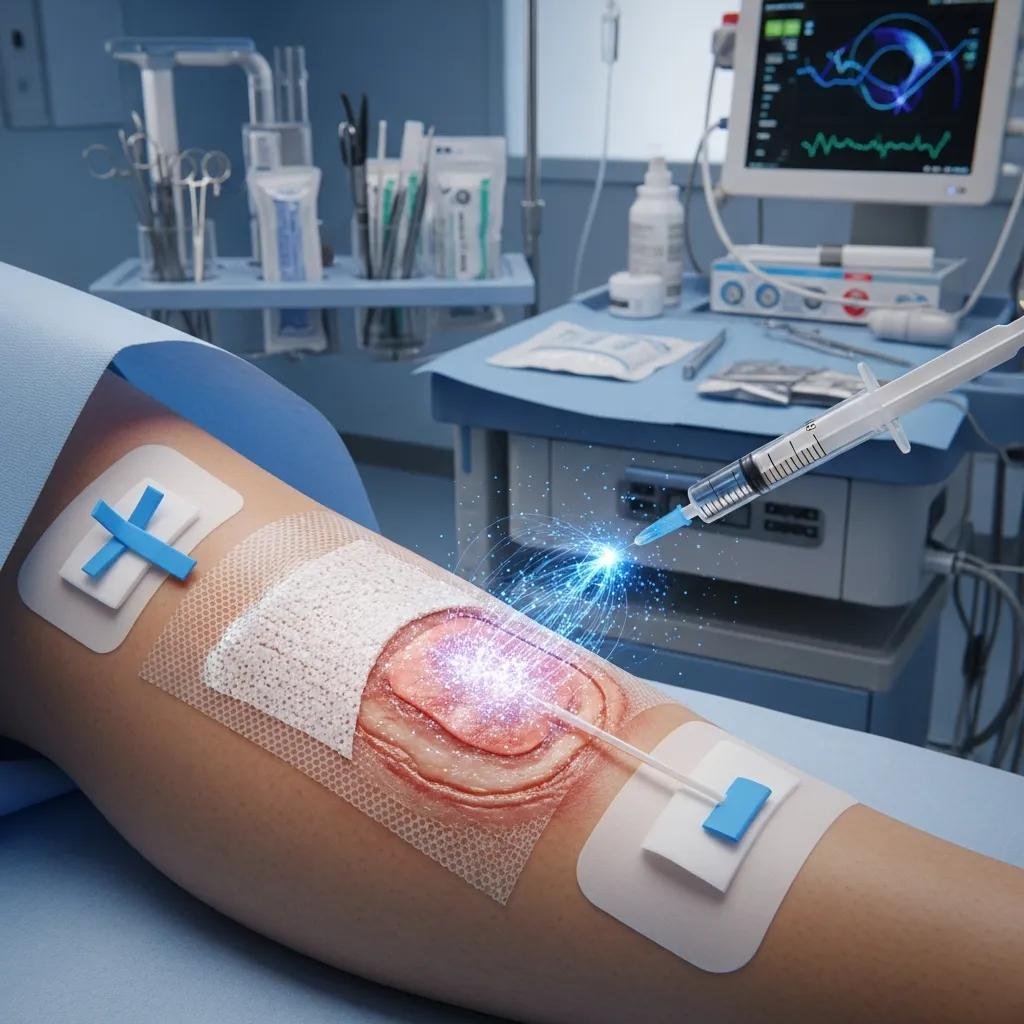
Mobile wound care now includes regenerative approaches that support tissue repair and reduce time to closure when clinically appropriate.
How does debridement support healing in the home setting?
Debridement — the removal of nonviable or infected tissue — clears the way for healthy tissue to grow. Our trained clinicians perform safe, effective debridement during home visits so patients get this essential care without traveling to a clinic.
What role do biologic dressings and stem cell therapies play?
Biologic dressings create a moist, protective environment and deliver growth factors that aid repair. Stem cell–based therapies and other regenerative techniques are emerging options that harness the body’s repair mechanisms; where evidence and regulations support their use, they can be integrated into a home-based care plan to support better outcomes.
Ongoing research in regenerative medicine and tissue engineering is expanding treatment options beyond traditional infection control and inflammation management.
Regenerative medicine & tissue engineering for advanced wound care
Recent advances emphasize patient-specific approaches — from mesenchymal stem cells and their secretome to in situ gene-editing tools like tissue nano-transfection — that may reduce reliance on supportive care alone and accelerate healing in complex wounds.
| Treatment Type | Description | Benefits |
|---|---|---|
| Debridement | Removal of dead or infected tissue | Prepares the wound bed for healthy tissue growth |
| Biologic Dressings | Moisture-retentive, bioactive coverings | Supports healing and lowers infection risk |
| Stem Cell Therapies | Therapies that use regenerative cells or their signals | May accelerate tissue repair and improve regeneration |
The table outlines common advanced options available through mobile wound care and the benefits they bring to recovery.
Which chronic wound conditions are effectively treated by mobile wound care specialists?
Mobile wound care teams manage a broad range of chronic wounds with evidence-based protocols, close monitoring, and multidisciplinary coordination when needed.
How is mobile wound care used for diabetic foot ulcers?
Diabetic foot ulcers require careful, ongoing attention. Our specialists build individualized plans that include regular assessments, debridement when indicated, and advanced dressings or therapies. Frequent follow-up visits help detect complications early and keep healing on track.
Remote tools, including secure mobile-image assessment, are also being explored to support monitoring between visits.
Remote diabetic foot ulcer assessment via mobile phone images
Research has examined the validity and reliability of assessing diabetic foot ulcers with mobile phone images to support telemedicine approaches. These studies aim to determine how remote assessments can complement in-person care.
How does mobile care manage pressure injuries and venous leg ulcers?
Pressure injuries and venous leg ulcers need targeted prevention and treatment. Mobile teams implement pressure-relief strategies, wound-specific therapies, and education for patients and caregivers — all delivered in the home to prevent deterioration and improve healing outcomes.
How does the patient and caregiver journey unfold with Healix360 mobile wound care?
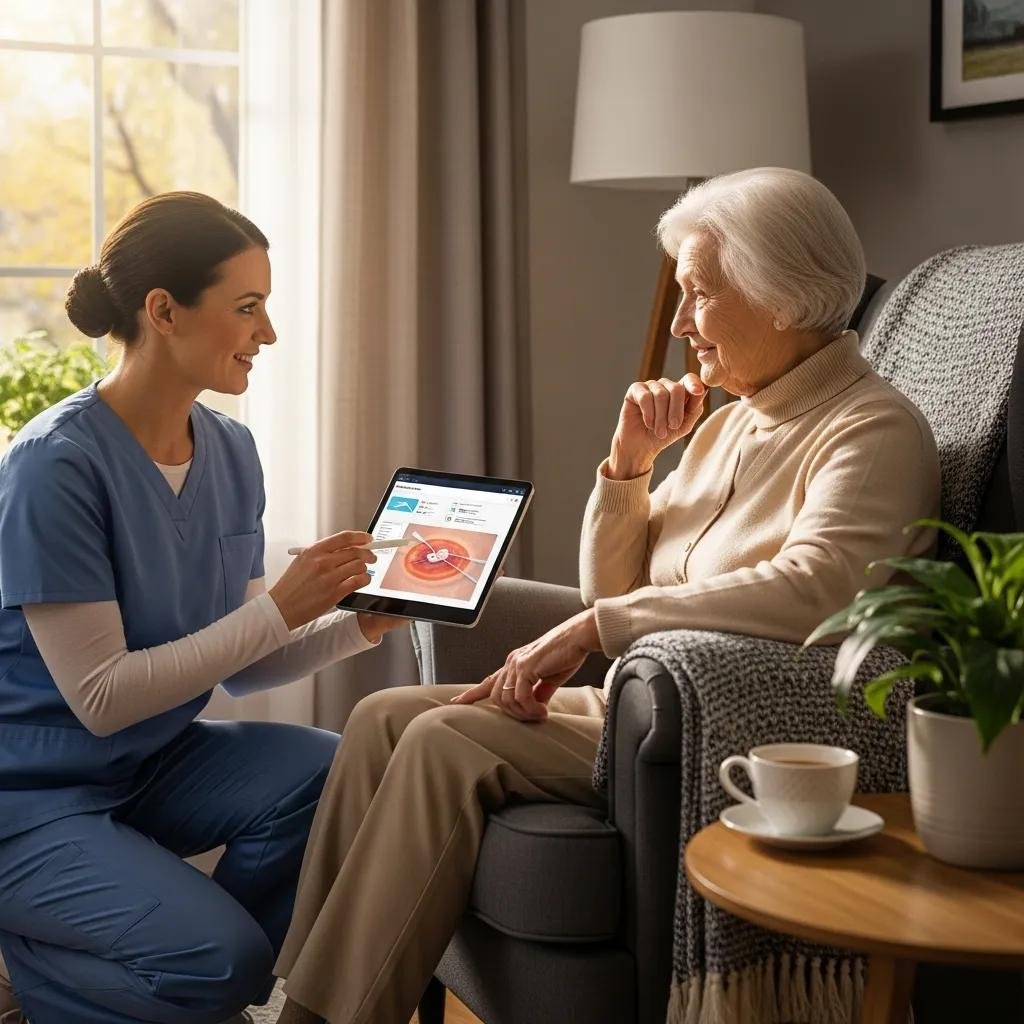
We design the Healix360 experience to be straightforward, respectful, and focused on healing — supporting both patients and caregivers every step of the way.
What are the steps to schedule and start mobile wound care?
Care begins with an initial consultation and a comprehensive assessment. From there we create a personalized plan and arrange follow-up visits on a schedule that works for the patient. For scheduling, please visit our contact page or reach out directly for assistance. Scheduling is flexible to reduce missed appointments and ensure consistent care.
How are caregivers supported during home wound care?
Caregivers receive clear communication, practical education, and access to resources so they can assist safely and confidently. We prioritize timely updates and training on at-home care tasks to make the day-to-day process smoother for families.
What common concerns do patients have about mobile wound care and how are they addressed?
Patients frequently ask about pain, safety, and whether home-based care matches clinic standards. We address these concerns with transparent education and evidence-based practices.
How is pain managed during mobile wound care treatments?
Pain is managed proactively using appropriate analgesia, local comfort measures, and procedural techniques designed to minimize discomfort. Our clinicians discuss pain control options with patients and adjust plans to keep treatment tolerable.
What infection-prevention practices does Healix360 follow?
Infection prevention is central to our care. We use strict sterile technique, regular wound checks, and clear instructions for wound hygiene. Patients and caregivers are informed about signs of infection and when to contact the care team.
Why choose Healix360 for mobile wound care to improve patient outcomes?
Choosing Healix360 means receiving consistent, personalized wound care delivered by clinicians who blend clinical expertise with the convenience of in‑home treatment.
What sets Healix360’s personalized mobile wound care apart?
Our difference is a patient-first approach: individualized care plans, experienced wound clinicians, and continuity of care delivered where the patient lives. That blend of clinical rigor and convenience helps patients get better results with less disruption.
How do clinical results and patient satisfaction reflect Healix360’s effectiveness?
Clinical healing measures and positive patient feedback demonstrate the impact of our mobile model. By tracking outcomes and listening to patients, we continuously refine care to deliver measurable improvements in wound healing and patient experience.
Ultimately, mobile wound care offers a practical, patient-centered alternative to clinic-only models. With advanced therapies, regular monitoring, and tailored plans, Healix360 Advanced Mobile Wound Care Specialists help patients heal more comfortably, quickly, and safely.
Frequently Asked Questions
What types of patients benefit most from mobile wound care?
Mobile wound care is ideal for people with limited mobility, chronic health conditions, or those who live far from specialty clinics. Older adults, post-operative patients, and people with diabetes or vascular disease often find home-based visits make it easier to get the consistent care they need for better healing.
How does mobile wound care use technology?
We integrate telehealth and secure mobile imaging for remote assessments between visits, and we bring advanced devices — like home-capable NPWT — into patients’ homes when clinically appropriate. Technology supports timely decisions and keeps care coordinated.
Are there any limitations to mobile wound care services?
Some complex wounds may still require clinic- or hospital-based procedures or specialized equipment. Service availability can vary by location, so clinicians evaluate each case to determine the safest, most effective setting for care.
How is the effectiveness of mobile wound care measured?
Effectiveness is tracked using wound healing rates, complication and infection rates, and patient satisfaction. Regular assessments document wound size, tissue quality, and progress so care plans can be adjusted as needed.
What training do mobile wound care specialists receive?
Our specialists complete focused training in wound assessment, debridement, infection control, and advanced therapies like biologic dressings and NPWT. Ongoing education keeps the team current with evolving best practices.
How can patients prepare for their first mobile wound care visit?
Gather medical history, a list of current medications, and any prior wound care records. Prepare a clean, accessible area for the clinician to work and write down questions or concerns you want to discuss. Open communication about pain or allergies helps tailor safe, effective care.
Conclusion
Mobile wound care improves access, supports consistent monitoring, and brings advanced therapies into the home — all contributing to better healing and fewer complications. Healix360 combines clinical expertise with a compassionate, personalized approach to help patients recover with dignity and convenience. Contact our team to learn how we can make wound care easier and more effective for you or a loved one.