

Antimicrobial Dressings: When to Use Them and Why They Matter for Infection Control in Chronic Wounds
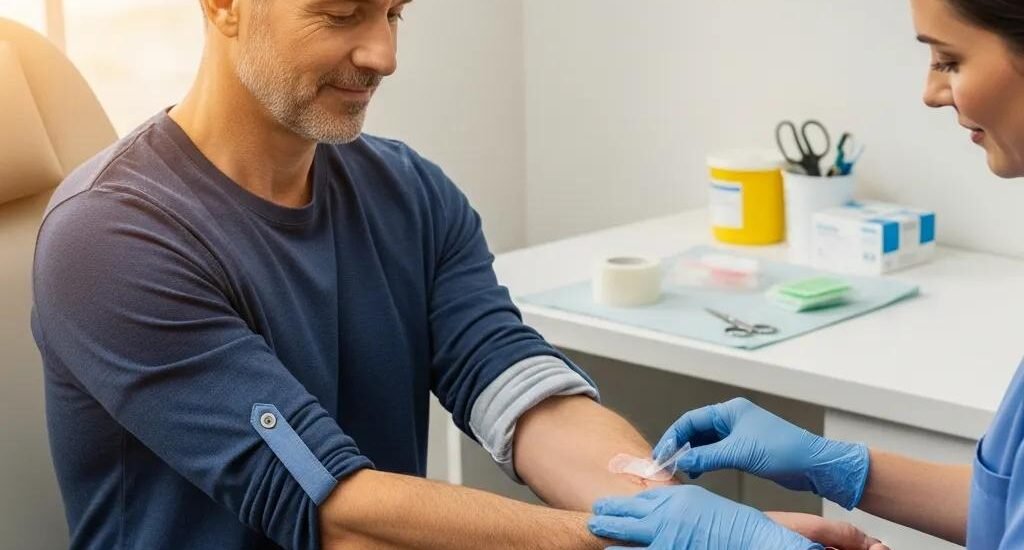
Antimicrobial dressings are an important tool in modern wound care, especially for people with chronic wounds that are at higher risk of infection. This guide explains the common types of antimicrobial dressings, how they work, and the situations where they add the most value. Clear choices at the right time reduce complications and help wounds move toward healing. Many patients and caregivers find wound management challenging, which can lead to delayed healing or infection — antimicrobial dressings offer a focused, local approach to protect the wound and support recovery. We’ll also touch on how mobile wound care services can make consistent, expert care easier to access.
What Are Antimicrobial Dressings and How Do They Prevent Wound Infection?
Antimicrobial dressings are wound coverings formulated to deliver antimicrobial agents directly to the wound bed while maintaining a healing environment. They slow or stop microbial growth by creating a local antimicrobial barrier, which lowers the risk of infection. At the same time, these dressings help keep the wound moist — a key condition for new tissue to form — while releasing active ingredients that support repair.
Which Types of Antimicrobial Dressings Are Available and Their Uses?
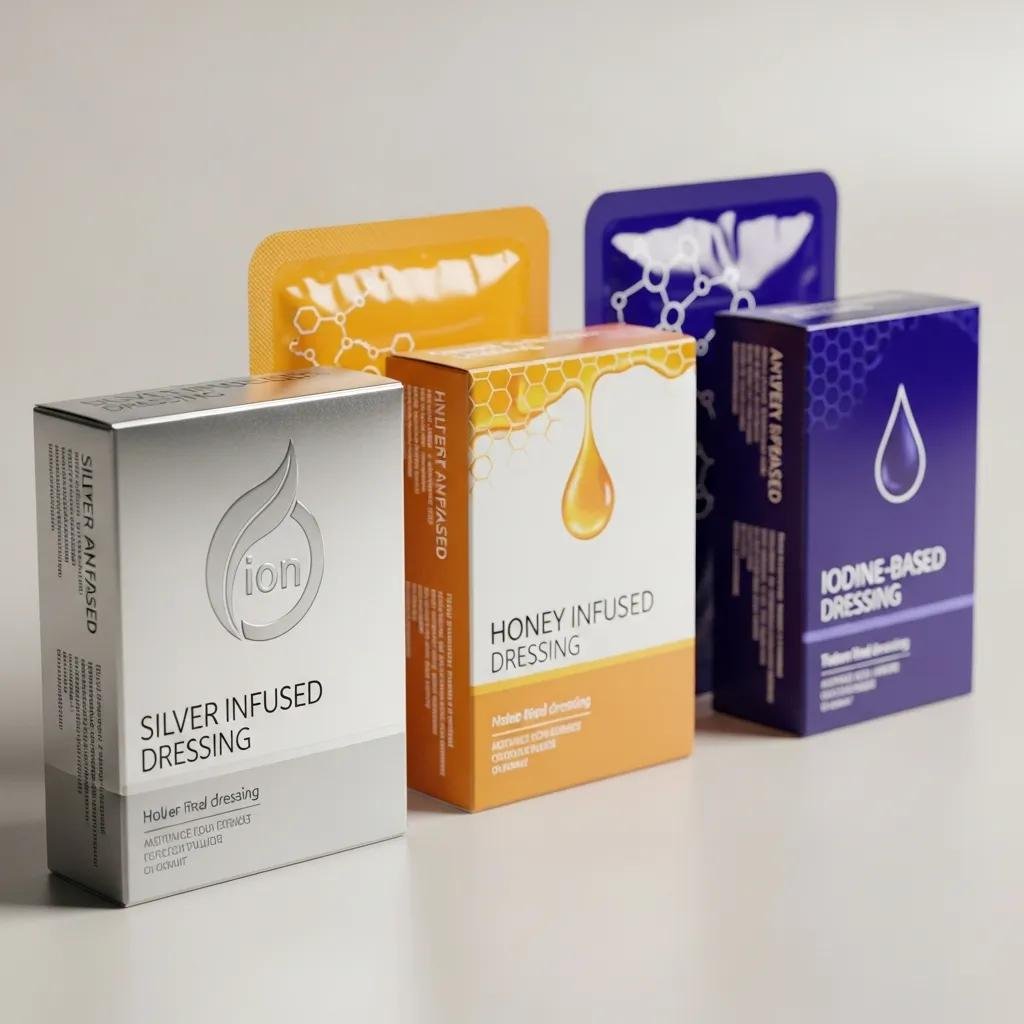
Several antimicrobial dressing options are commonly used; the choice depends on the wound, level of exudate, and patient factors:
- Silver-Infused Dressings: These release silver ions with broad antimicrobial activity against many bacteria and some fungi. They’re frequently chosen for wounds at high risk of infection or those with known contamination.
Recent studies emphasize the potential of silver—including nanoparticle formulations—to enhance infection control and support healing in complex wounds.
Silver Nanoparticles for Chronic Wound Management & Antimicrobial Activity
Chronic wounds present a major clinical challenge where standard dressings and systemic antibiotics sometimes fall short. Silver nanoparticles (AgNPs) show broad-spectrum antimicrobial effects and emerging evidence of benefits for controlling inflammation, oxidative stress, and supporting tissue repair, especially when integrated into advanced wound materials.
Silver nanoparticles with multimodal biological activities integrated into advanced material platforms for chronic wound management, 2025
- Honey-Infused Dressings: Medical-grade honey has natural antimicrobial and wound-healing properties. These dressings can be useful for chronic wounds and burns, where they help control bioburden and support the tissue-repair process.
Clinical reviews continue to investigate natural agents like honey as complementary or alternative therapies for wounds, including those with drug-resistant organisms.
Honey as an Alternative Antimicrobial Therapy for Drug-Resistant Wounds
Because resistance has reduced the effectiveness of some conventional antimicrobials, interest in alternative agents has grown. Medical-grade honey has demonstrated antimicrobial activity against a range of pathogens and has regained attention in clinical settings for wound management and tissue regeneration.
Honey in wound healing: An updated review, 2021
- Iodine-Based Dressings: Iodine dressings are active against bacteria and fungi and are commonly used for surgical wounds or for patients with immune compromise where broad antimicrobial coverage is needed.
Clinicians choose dressings based on the wound’s status, infection risk, surrounding skin, and patient-specific factors (allergies, comorbidities, etc.).
How Do Antimicrobial Dressings Work to Control Infection in Chronic Wounds?
Antimicrobial dressings act through several mechanisms: disrupting microbial cell walls, interfering with microbial metabolism or protein synthesis, and helping prevent or break down biofilms. By lowering the local bacterial load and maintaining an appropriate moisture balance, these dressings can help the wound progress through the healing phases more effectively than non-antimicrobial coverings in certain situations.
Antibiotic resistance remains a global concern, which is why innovations like antimicrobial smart dressings are being explored to offer targeted local control without relying solely on systemic antibiotics.
Antimicrobial Smart Dressings Combat Antibiotic Resistance in Wound Care
Traditional dressings and prolonged topical use of antibiotics may not adequately address antibiotic-resistant wounds, leading to treatment failures and higher costs. Smart antimicrobial dressings aim to deliver broad-spectrum activity at the wound surface, disrupt biofilms, and target microbial membranes or metabolic pathways to improve outcomes while helping limit systemic antibiotic exposure.
Antimicrobial Smart Dressings for Combating Antibiotic Resistance in Wound Care, AG Cristea, 2025
When Should Antimicrobial Dressings Be Used in Chronic Wound Care?
Antimicrobial dressings are appropriate when a wound is at elevated risk for infection or when local infection is suspected or confirmed. Correct timing and selection are important to get the intended clinical benefit without unnecessary use.
What Are the Infection Risks Associated with Different Wound Types?
Risk varies by wound type. Diabetic foot ulcers, pressure injuries, and post-surgical wounds are more prone to infection because of reduced circulation, impaired skin integrity, or other health issues. Research suggests roughly 15–25% of diabetic foot ulcers become infected, underscoring the need for early risk assessment and targeted care.
How to Determine the Appropriate Timing for Dressing Changes?
Change frequency depends on wound type, exudate volume, and signs of infection. Replace dressings when saturated or contaminated, or sooner if you notice increased redness, swelling, odor, or discharge. Regular, documented wound assessments help determine the safest schedule for dressing changes.
What Are the Benefits of Mobile Wound Care Services for Antimicrobial Dressing Application?
Mobile wound care brings skilled clinicians to the patient’s home, improving access to specialized wound management. This model reduces travel burden, supports consistent follow-up, and helps ensure dressings—especially antimicrobial ones—are applied and monitored correctly.
How Does Mobile Care Improve Treatment Consistency and Infection Prevention?
Mobile wound teams provide routine reassessments, timely dressing changes, and rapid responses to early signs of complication. That continuity lowers infection risk and can shorten healing time by catching issues early and adjusting care plans promptly.
What Should Patients Expect from Mobile Wound Care Specialists?
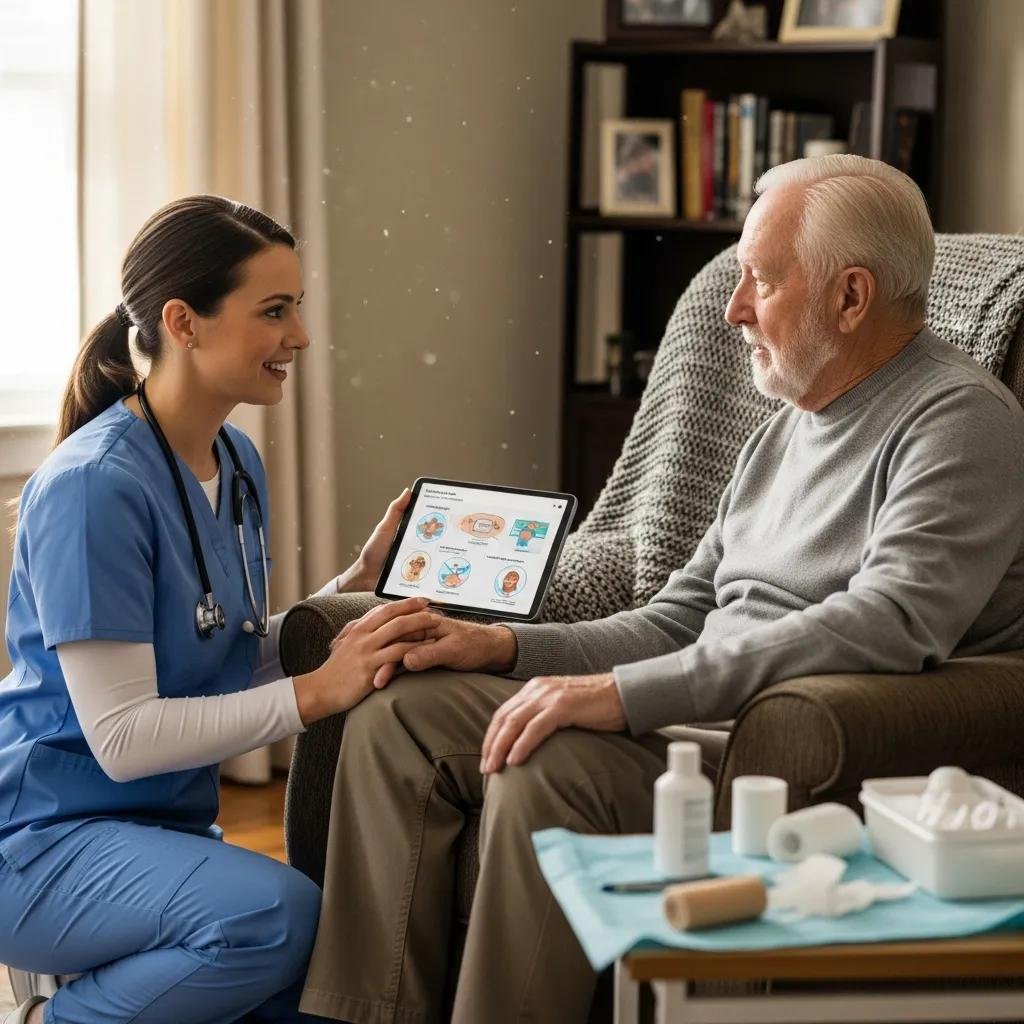
Expect a thorough initial assessment, a clear treatment plan, ongoing education, and open communication. Mobile specialists will teach safe dressing changes, spot signs of infection, and coordinate with your primary care or specialists when needed—so you and your caregiver feel confident in day-to-day care.
Which Advanced Treatments Complement Antimicrobial Dressings in Wound Healing?
Antimicrobial dressings are one component of a comprehensive wound plan. Other advanced therapies can work together with dressings to improve outcomes and reduce infection.
How Do Debridement and Biologic Dressings Enhance Antimicrobial Therapy?
Debridement removes dead or infected tissue, creating a cleaner wound bed where antimicrobial agents can work more effectively. Biologic dressings or skin substitutes deliver growth factors or a scaffold for new tissue, supporting regeneration when used alongside antimicrobial strategies.
What Is Negative Pressure Wound Therapy and Its Role in Infection Control?
Negative pressure wound therapy (NPWT) uses controlled suction to remove excess fluid, reduce swelling, and stimulate blood flow. When combined with antimicrobial dressings, NPWT can help maintain a cleaner wound environment and support faster progression through healing stages.
How Long Does Wound Healing Take and What Home Care Supports Infection Prevention?
Healing time varies with wound type, patient health, and adherence to recommended care. Some wounds close in weeks; chronic wounds can take months. Regular follow-up and consistent home care are critical to reduce infection and support healing.
What Are the Stages of Wound Healing and Their Impact on Dressing Choice?
Wounds heal in stages—hemostasis, inflammation, proliferation, and remodeling—and each stage calls for different priorities. During inflammation, infection control is often the focus; later, absorbent or protective dressings may be preferred to manage exudate and protect new tissue.
Which Consistent Home Care Practices Reduce Infection Risk?
Simple, consistent steps make a big difference:
- Regular Cleaning: Clean the wound gently with saline or mild soap as instructed to remove debris.
- Moisture Management: Use dressings that keep the wound environment appropriately moist to support healing.
- Monitoring for Signs of Infection: Watch for increasing redness, swelling, pain, warmth, odor, or discharge and report changes promptly.
These practices, combined with professional follow-up, help prevent complications and promote steady progress.
How Can Caregivers Support Patients Using Antimicrobial Dressings Effectively?
Caregivers are central to successful wound care. Their attention to dressing technique, observation, and communication with clinicians can directly affect healing outcomes.
What Communication and Treatment Guidance Do Caregivers Need?
Caregivers should learn clear, step-by-step application techniques, how to recognize infection signs, and the thresholds for escalating care. When in doubt, contact your care team via the appropriate channels: reach out to Healix360 for guidance.
How to Build Trust and Ensure Compliance in Wound Care Management?
Trust grows from clear explanations, realistic expectations, and involving the patient in decisions. Show empathy, answer questions honestly, and reinforce why each step matters — that helps patients feel respected and stay on track with their care plan.
| Treatment | How it works | Key benefits |
|---|---|---|
| Antimicrobial Dressings | Deliver local antimicrobial agents to the wound | Reduces bioburden; supports healing |
| Debridement | Removes necrotic or infected tissue | Creates a cleaner wound bed for healing |
| Negative Pressure Therapy | Applies controlled suction to the wound | Reduces edema and increases perfusion |
Antimicrobial dressings are a valuable part of a broader wound-management plan for chronic wounds at risk of infection. When selected and applied appropriately — and paired with expert follow-up such as mobile wound care — they can improve outcomes and help patients heal more reliably.
Frequently Asked Questions
What are the signs that a wound may be infected?
Common signs include increased redness, swelling, warmth, pain, foul odor, or new discharge (pus). Systemic symptoms like fever or chills suggest a more serious infection. Monitor wounds closely and contact your care team if you notice worsening symptoms.
Can antimicrobial dressings be used on all types of wounds?
Not always. Antimicrobial dressings are helpful for chronic, contaminated, or high-risk wounds and some surgical wounds. For dry, well-healing wounds, a simple protective dressing may be preferable. A clinician should assess the wound to determine the best option.
How do I choose the right antimicrobial dressing for a wound?
Selection depends on the wound type, level of exudate, presence of infection, surrounding skin condition, and patient factors (for example, allergies). Silver-based, honey-based, and iodine dressings each have specific strengths—discuss options with a wound specialist to match dressing to need.
What role do caregivers play in the management of antimicrobial dressings?
Caregivers assist with dressing changes, observe and report changes, reinforce wound-care instructions, and help patients follow the care plan. Training and clear communication with the clinical team ensure safe, effective home care.
Are there any side effects associated with antimicrobial dressings?
Some patients may experience skin irritation, contact sensitivity, or allergic reactions to dressing components. Monitor the surrounding skin for redness, rash, or worsening pain. If you suspect a reaction, contact your clinician for alternative options.
How can I ensure proper wound care at home while using antimicrobial dressings?
Follow a consistent routine: clean the wound as instructed, change dressings on schedule or when saturated, monitor for infection signs, keep follow-up appointments, and reach out to your care team with questions. Education and clear instructions make home care safer and more effective.
Conclusion
Antimicrobial dressings offer targeted, local protection that can be essential for infection control and healing in chronic wounds. Used thoughtfully and combined with appropriate therapies and follow-up care—such as mobile wound services—they help reduce complications and support recovery. If you’d like tailored support or an in-home assessment, consider exploring our mobile wound care services to find the right plan for you or your loved one.