
Mobile Wound Care After Surgery: Expert In-Home Recovery Support
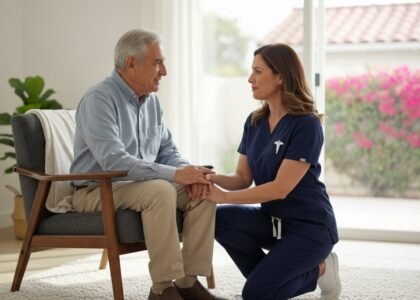
Mobile wound care brings expert, post‑surgical treatment into the home so patients heal with less stress and better oversight. Delivered by certified clinicians, this approach pairs hands‑on care with tailored plans to meet each patient’s needs. Below we cover the advantages of in‑home wound care, the types of surgical wounds we treat, the advanced therapies used, what the patient and caregiver experience looks like, and how Medicare can support access to these services. With clear information, patients and families can choose the best path for recovery.
What Are the Benefits of Mobile Wound Care Post Surgery?
Mobile wound care improves recovery in several practical ways.
- At‑home convenience: Care comes to the patient, removing travel-related strain and making follow‑up easier.
- Lower exposure to infection: Treating wounds at home reduces time in clinical settings where hospital‑acquired infections are more likely.
- Individualized care plans: Treatments and schedules are customized to the wound, the procedure, and the patient’s overall health.
These benefits make mobile wound care an effective option for many post‑operative patients. Healix360 delivers advanced, evidence‑based wound care services directly in patients’ homes.
How Does In‑Home Surgical Wound Care Improve Healing Outcomes?
In‑home care supports better outcomes by enabling regular, focused assessments and timely changes to treatment. Frequent monitoring helps catch problems early, which can speed recovery and reduce readmissions. Being treated at home also reduces stress for many patients, which supports overall wellbeing and healing.
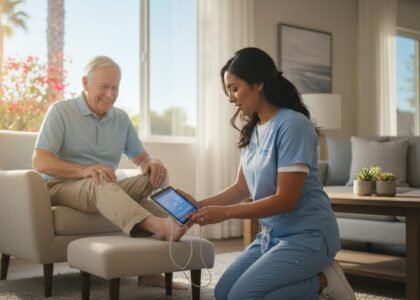
Secure digital tools — like mobile apps and telemonitoring — add another layer of safety by helping clinicians track progress and flag concerns before they escalate.
Mobile Apps for Post-Surgical Patient Monitoring at Home
Background: Mobile apps are emerging as tools for post‑operative monitoring. Remote phone monitoring during the post‑operative period can enable earlier, safer discharge and may help identify complications sooner.
Using a mobile app for monitoring post‑operative quality of recovery of patients at home: a feasibility study, JL Semple, 2015
Why Choose Advanced Mobile Wound Care for Surgical Patients?
Choosing advanced mobile wound care gives patients access to specialized interventions that aren’t always available in standard outpatient clinics. Our clinicians are certified in modern wound management and use the latest regenerative and biologic therapies when appropriate — all delivered at home for comfort and convenience.
Which Post‑Surgical Wounds Are Treated with Mobile Wound Care?
Mobile wound care covers a wide range of post‑operative needs so patients get the right treatment where they live.
- Surgical incisions: Routine incision care and complication prevention after many types of procedures.
- Non‑healing wounds: Chronic or stalled wounds that need specialized intervention to restart the healing process.
- Wound dehiscence: When a surgical wound reopens, prompt evaluation and treatment at home can prevent escalation.
Knowing which wounds benefit from mobile care helps patients and families decide when to request a home visit.
What Types of Surgical Incisions and Wounds Require Specialized Care?
Incisions from orthopedic, abdominal, cardiac, and other major surgeries may need focused wound management depending on risk factors and healing progress. Each incision type has specific care priorities; recognizing early warning signs and getting specialized attention reduces the chance of complications.
How Are Surgical Site Infections and Wound Dehiscence Managed at Home?
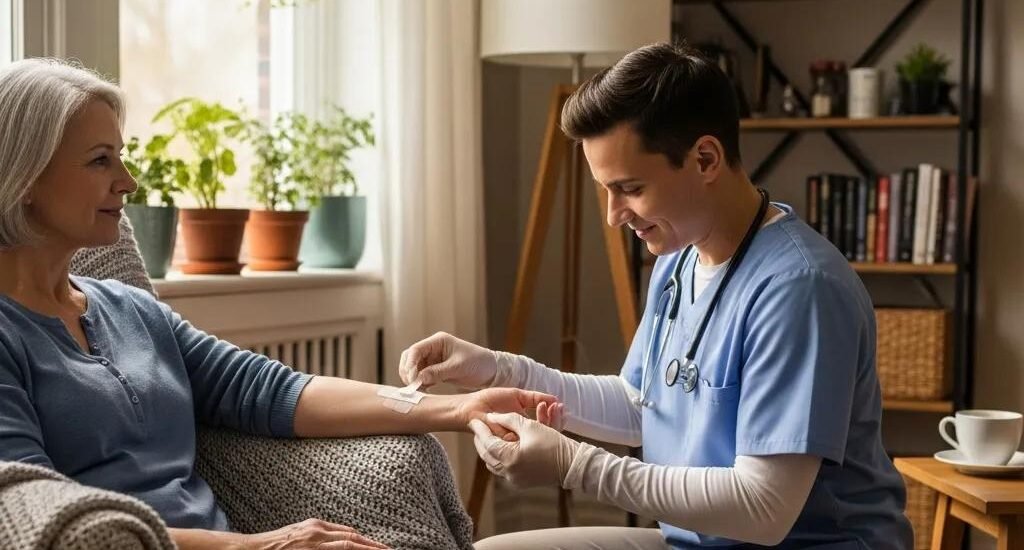
At‑home management focuses on prevention, early detection, and prompt intervention. Clinicians teach proper hand hygiene and dressing techniques, evaluate wounds for concerning changes, and coordinate escalation to higher levels of care when needed. Caregiver education ensures problems are recognized quickly — for example, new or increased redness, swelling, warmth, or unusual discharge.
What Advanced Treatments Are Used in Mobile Post‑Surgical Wound Care?
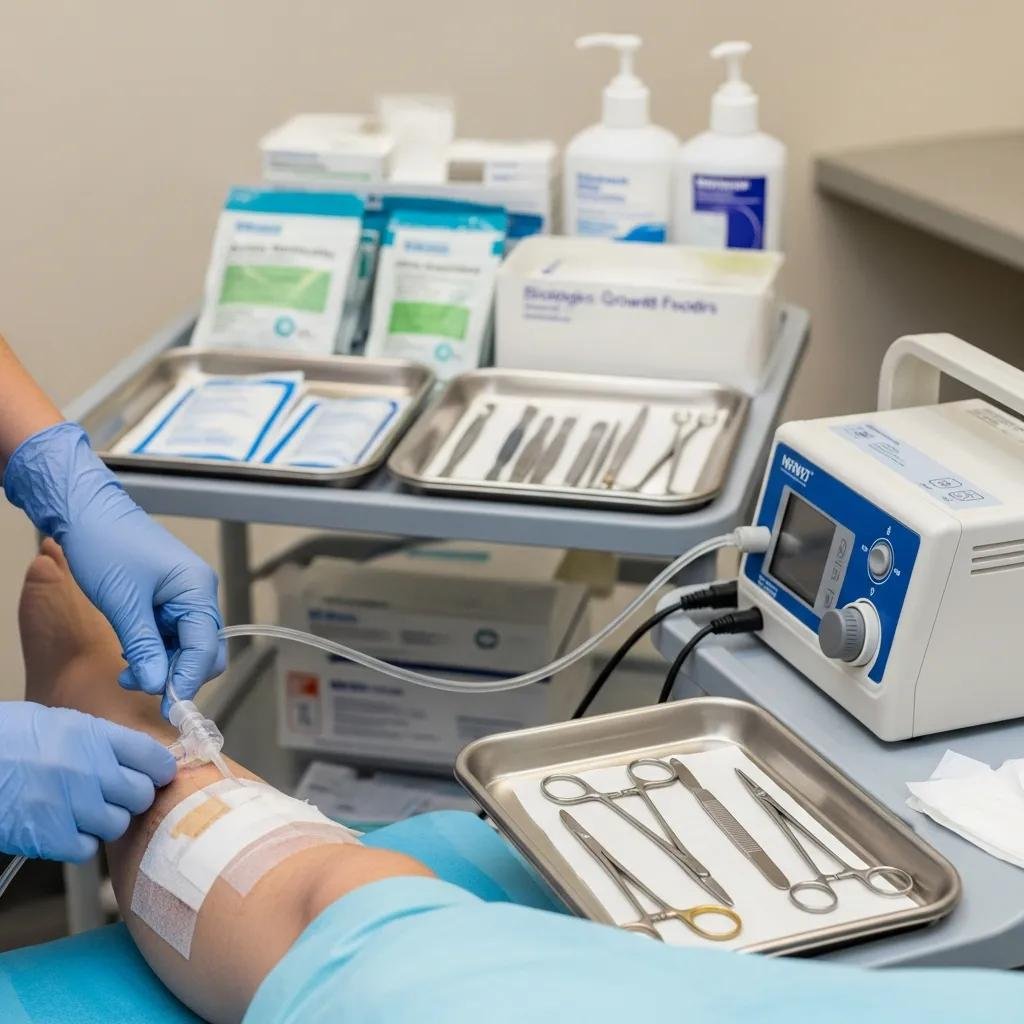
Advanced therapies help wounds close faster and with fewer complications.
- Debridement techniques: Careful removal of dead or infected tissue to create a clean wound bed and support healthy tissue growth.
- Biologic dressings: Specialized dressings that keep the wound environment optimal and may include growth factors to encourage regeneration.
- Negative pressure wound therapy: Controlled suction therapy that improves blood flow, reduces swelling, and supports tissue repair.
These options are part of a tailored plan a clinician will recommend based on wound type and patient needs.
How Does Debridement Support Post‑Operative Wound Healing?
Debridement removes tissue that can harbor bacteria or block healing, allowing the body’s repair mechanisms to work more effectively. Performed by trained clinicians, it reduces infection risk and helps create an environment where healthy tissue can form.
What Are the Roles of Biologic Dressings and Negative Pressure Wound Therapy?
Biologic dressings protect the wound and promote a moist, regenerative environment. Negative pressure therapy complements dressings by pulling fluid away, increasing perfusion, and encouraging tissue approximation. Used together when appropriate, they improve the chances of timely, complication‑free healing.
How Is the Patient and Caregiver Journey Structured in Mobile Wound Care?
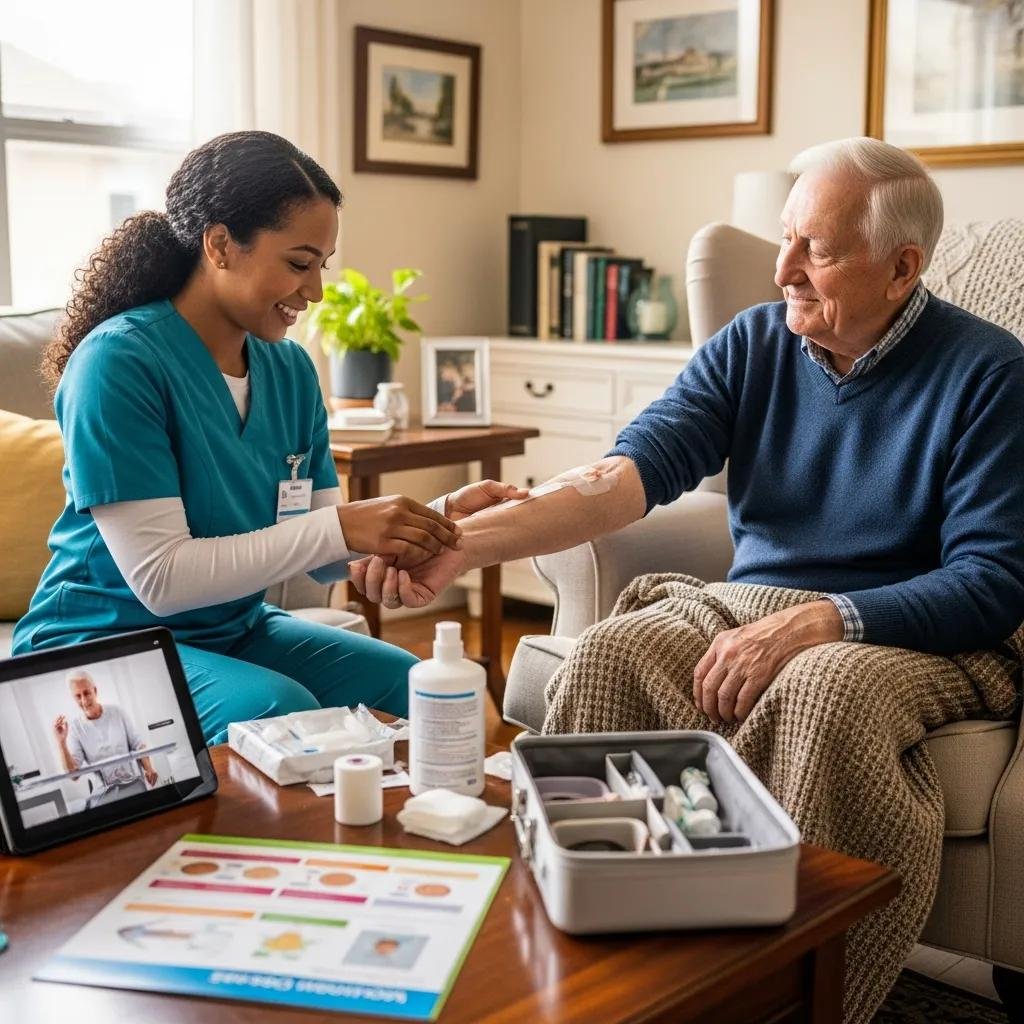
Our process is built to be clear, reliable, and supportive for both patients and caregivers.
- Scheduling: Book a visit by phone or online — we work to fit visits into the patient’s routine.
- Follow‑up care: Regular visits track progress and adjust treatments as the wound changes.
- Caregiver support: We provide training, written instructions, and direct lines to the care team so caregivers feel confident supporting recovery.
This structure keeps care consistent and responsive from the first visit through full recovery.
What Are the Steps from Scheduling to Follow‑Up in Post‑Surgical Wound Care?
Care starts with a thorough initial assessment and a clear, personalized plan. Follow‑up visits are scheduled based on wound severity and healing pace, with the option to increase visit frequency if concerns arise. We coordinate with the patient’s primary providers to keep everyone aligned.
How Does Healix360 Support Caregivers in Managing Surgical Wounds at Home?
Healix360 equips caregivers with step‑by‑step instructions, practical tips, and open communication with clinicians. We focus on teaching safe dressing changes, signs that require clinician attention, and ways to help the patient stay comfortable during recovery.
What Are Common Concerns and How Are They Addressed in Mobile Wound Care?
Common worries include pain control, infection risk, and limited mobility — all of which we address proactively.
- Pain management: Clinicians review medications and offer non‑drug strategies to keep pain controlled and recovery on track.
- Infection signs: Patients and caregivers are taught the warning signs to report immediately, so infections are caught early.
- Mobility support: Practical guidance helps patients safely move and perform daily tasks while protecting the wound.
Education and open communication reduce anxiety and help patients recover more smoothly.
How Is Pain Managed During Post‑Operative Wound Care at Home?
Pain plans combine prescribed medications with non‑pharmacologic measures such as positioning, ice/heat when appropriate, and activity pacing. We encourage patients to report pain levels so the team can adjust the plan promptly.
What Are the Signs of Infection and When Should Medical Help Be Sought?
Seek care if you notice increasing redness, swelling, heat, worsening pain, foul or increasing drainage, fever, or any sudden change in the wound. Contact your mobile wound care clinician or primary provider immediately for guidance.
How Does Medicare Part B Coverage Facilitate Access to Mobile Post‑Surgical Wound Care?
Medicare Part B can help cover certain in‑home wound care services when criteria are met.
- Eligibility: Coverage typically requires documentation of medical need, such as the requirement for skilled nursing or therapy services.
- Covered services: When provided by qualified professionals, Medicare Part B may cover assessments, dressing changes, and education related to wound care.
Understanding Medicare rules helps patients plan for costs and access the services they need.
What Insurance Options Are Available for In‑Home Surgical Wound Care?
Besides Medicare, many private insurers and Medicare Advantage plans cover in‑home wound care under certain conditions. Patients should check benefits, prior‑authorization requirements, and potential out‑of‑pocket costs with their insurer.
How Can Patients Verify Medicare Coverage for Advanced Mobile Wound Care?
Patients can confirm coverage by calling Medicare, reviewing their plan documents, or discussing options with their healthcare team. Our administrative staff can also help verify benefits and explain next steps.
| Treatment Type | Description | Benefits |
|---|---|---|
| Debridement | Removal of dead tissue | Promotes healthy tissue growth |
| Biologic Dressings | Advanced wound dressings | Maintains a moist healing environment |
| Negative Pressure Therapy | Suction-based treatment | Enhances blood flow and reduces swelling |
The table above summarizes common advanced therapies used in mobile wound care and the outcomes they support.
Bringing wound care into the home can simplify recovery, reduce infection risk, and deliver specialized treatments with less disruption to daily life. With a structured plan and experienced clinicians, patients can recover safely and confidently. Learn how Healix360 can support your healing journey.
Frequently Asked Questions
What qualifications should I look for in a mobile wound care provider?
Look for clinicians certified in wound care (such as WOCN or CWCN credentials), experience managing post‑surgical wounds, and a track record of using evidence‑based therapies. Patient reviews and clear care protocols are also helpful indicators of quality.
How often should follow-up visits be scheduled for mobile wound care?
Visit frequency depends on wound severity and healing progress. Many patients start with weekly visits, moving to biweekly or less as the wound improves. If signs of infection or delayed healing appear, visits may increase.
Can mobile wound care services be used for chronic wounds?
Yes. Mobile wound care is well suited for chronic or non‑healing wounds and provides access to targeted therapies like debridement, biologic dressings, and negative pressure therapy in the home.
What should I do if I notice signs of infection at home?
If you see increased redness, swelling, warmth, pain, foul drainage, or fever, contact your wound care clinician or primary provider right away. Early evaluation helps prevent complications.
Are there any specific home care practices I should follow during recovery?
Practice strict hand hygiene before touching the wound, follow dressing instructions, keep the area clean and dry as directed, and avoid activities that strain the incision. Follow dietary or medication guidance from your care team to support healing.
How can I support my caregiver in managing my wound care at home?
Share your care plan, keep supplies organized, ask for demonstrations of dressing changes, and maintain open communication about pain or changes in the wound. Encourage caregivers to contact the care team with questions — we’re here to help.
Conclusion
Mobile wound care offers convenient, personalized, and clinically advanced support for post‑surgical recovery in the comfort of home. By combining skilled clinicians, targeted therapies, and caregiver education, it reduces infection risk and helps patients heal with confidence. Reach out to Healix360 to learn how we can partner with you through recovery.