
How Mobile Regenerative Wound Care Accelerates Home Healing
At Healix360, we view regenerative wound care as a practical, modern way to help people with chronic wounds heal where they’re most comfortable — at home. This piece explains how regenerative techniques and mobile advanced treatments improve healing, reduce complications, and support recovery. You’ll find clear explanations of how these therapies work, the benefits of in-home care, and what patients and caregivers can expect on the journey with
Healix360 Advanced Mobile Wound Care Specialists
.
What Is Regenerative Wound Care and How Does It Accelerate Healing at Home?
Regenerative wound care uses targeted medical tools and biologic materials to activate the body’s repair systems and resolve chronic wounds more efficiently. By supplying growth signals, scaffolds, or living cells, these treatments encourage tissue repair and reduce inflammation — often producing faster, more durable healing for complex wounds managed at home.
For a deeper look at the biology and new technologies behind regenerative wound healing, recent research lays out the mechanisms and emerging tools changing care.
Regenerative Wound Healing: Mechanisms & Emerging Technologies
Wound healing progresses through coordinated phases controlled by cellular and molecular signals. This review summarizes those core mechanisms — from cytokines and growth factors to immune mediators — and highlights antimicrobial peptides (AMPs) as both immune modulators and therapeutic candidates in chronic wounds. For example, AMPs such as LL-37 have been reported to reduce biofilm density by up to 60%, showing their role in lowering bacterial burden while supporting host responses. The review also surveys technological advances—smart dressings, 3D bioprinting, AI-driven therapies, regenerative medicine approaches, gene therapy, and organoid models—that are expanding treatment options.
Wound Healing: Molecular Mechanisms, Antimicrobial Peptides, and Emerging Technologies in Regenerative Medicine, 2025
How Do Stem Cell Technology and Biologic Dressings Promote Tissue Repair?
Stem cell approaches support regeneration by providing cells or signals that can become the building blocks of new tissue and encourage local repair. Biologic dressings — derived from natural tissues — create a protective, growth-factor–rich environment at the wound surface. Together, these tools help rebuild skin structure and speed the recovery process when used as part of a tailored care plan.
What Role Do Growth Factors and Amniotic Tissue Patches Play in Chronic Wound Treatment?
Growth factors are signaling proteins that stimulate cell growth and repair; they reduce inflammation and promote tissue formation. Amniotic tissue patches, sourced from the placenta, deliver a concentrated mix of these bioactive molecules plus a natural scaffold for new cells. Applied to chronic wounds, they support tissue regrowth and can improve healing rates when integrated into a comprehensive treatment strategy.
What Are the Benefits of Mobile Advanced Wound Healing Delivered at Home?
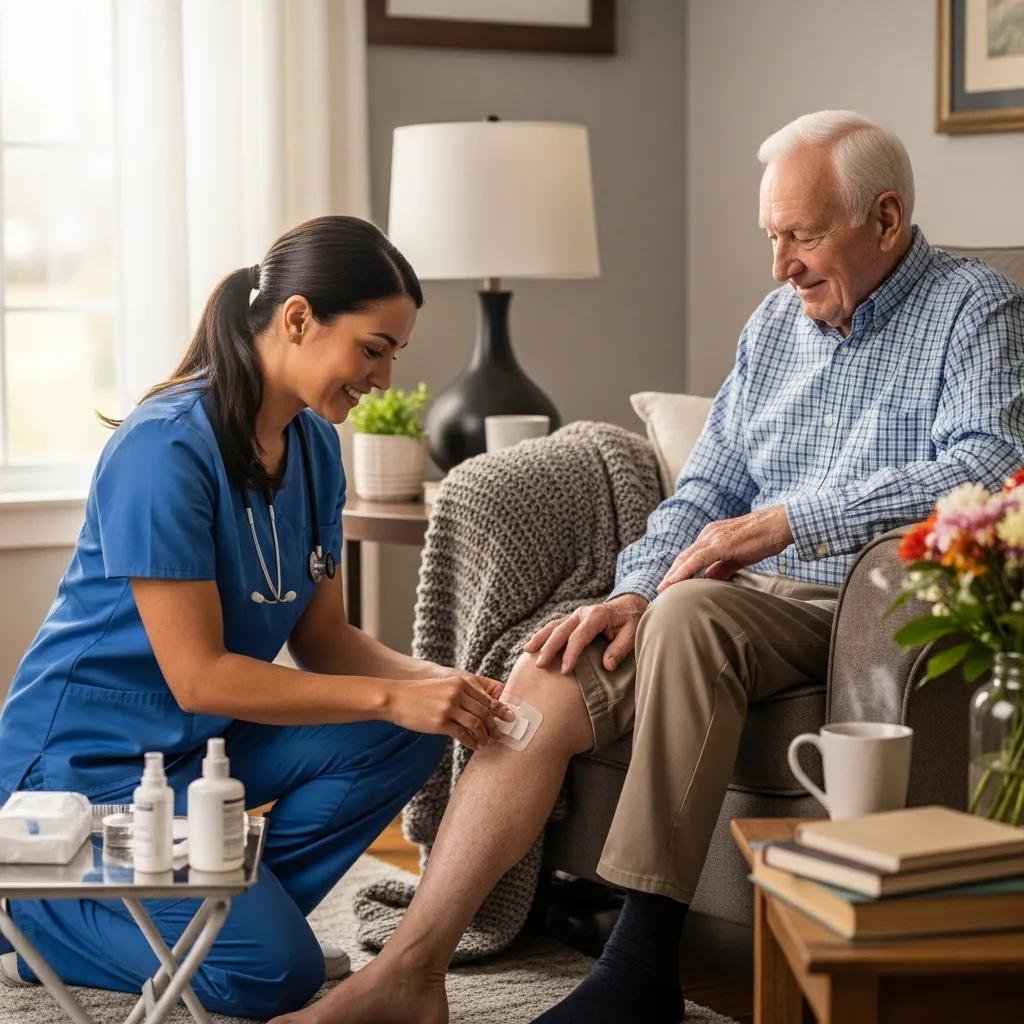
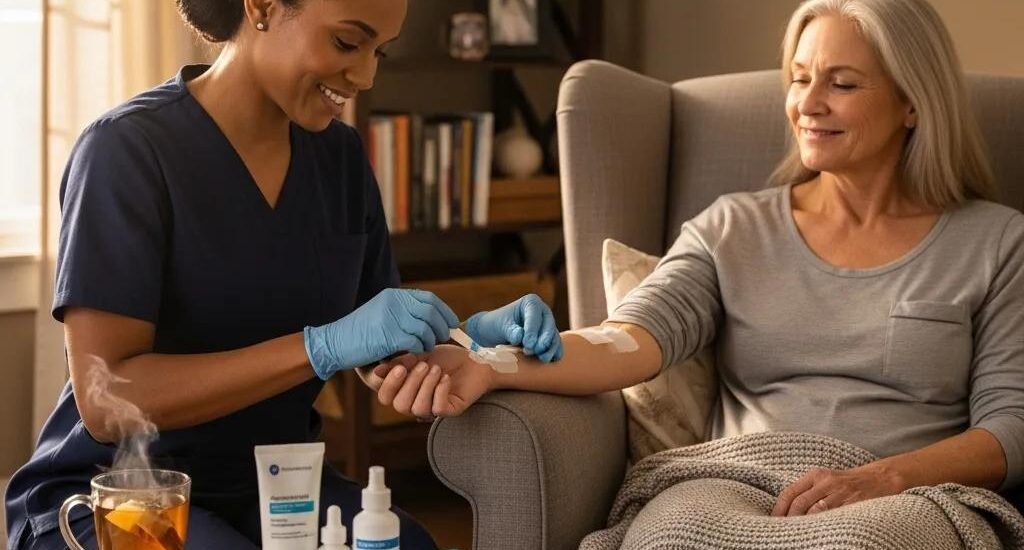
Mobile advanced wound care brings specialized treatments to a patient’s home, combining clinical expertise with personalized plans. That approach reduces disruption, lowers infection exposure, and helps patients heal with dignity in familiar surroundings.
- Convenience of Home Care
: Receive expert wound treatment without travel, reducing stress for patients and families. - Reduced Infection Risks
: Staying out of busy clinical environments lowers exposure to pathogens that can complicate healing. - Support for Caregivers : Mobile teams educate and equip caregivers with practical skills for dressing changes, monitoring, and safe wound management.
Healix360 Advanced Mobile Wound Care Specialists deliver these benefits through coordinated, evidence-based care designed around each patient’s needs.
How Does Home-Based Care Improve Patient Comfort and Reduce Infection Risks?
Healing at home helps reduce anxiety and lets patients rest in a familiar setting — both of which support recovery. Fewer clinic visits also mean fewer opportunities for hospital-acquired infections, an important advantage for people with chronic conditions or weakened immune systems.
In What Ways Does Mobile Wound Care Support Caregivers in Managing Chronic Wounds?
Mobile wound care teams train caregivers in wound assessment, safe dressing changes, and early recognition of complications. Ongoing guidance and access to clinical expertise help caregivers feel confident and reduce preventable problems between professional visits.
Which Chronic Wounds Can Be Effectively Treated with Regenerative Medicine at Home?
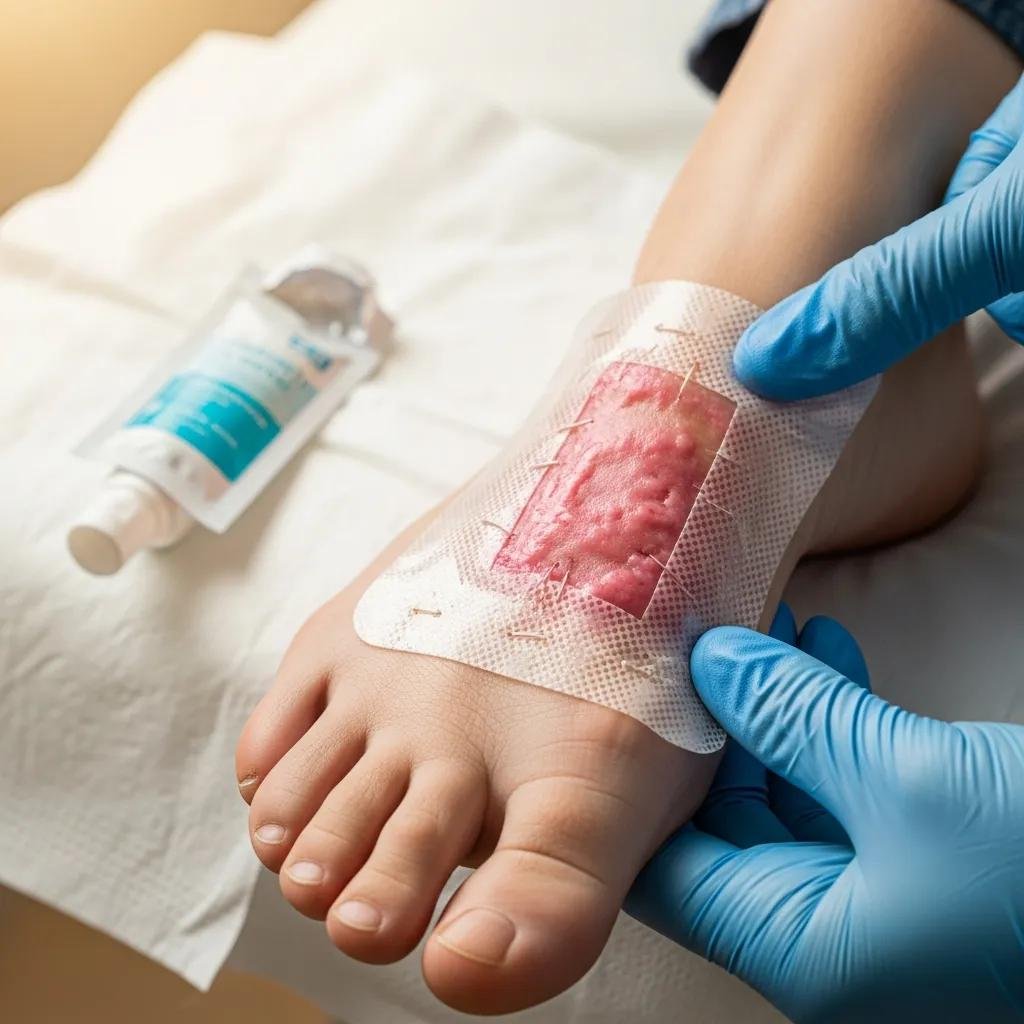
Regenerative approaches can help treat a range of chronic wounds commonly managed at home, including diabetic foot ulcers, pressure injuries, and venous leg ulcers. Each wound type has specific needs, and regenerative tools are selected to address those underlying issues and promote lasting repair.
How Is Regenerative Treatment Applied to Diabetic Foot Ulcers in Home Settings?
Diabetic foot ulcers require careful, coordinated care to restore blood flow and support tissue regeneration. In the home setting, clinicians can apply biologic dressings and other advanced therapies to support healing while monitoring progress closely. Stem cell treatments are an emerging area and may be available in select clinical programs, but they are not yet routine in most home-care protocols.
In addition to biologic approaches, practical home-based adjuncts—such as electrical stimulation—are being studied as ways to speed healing for diabetic foot ulcers.
Home-Based Electrical Stimulation for Diabetic Wound Healing
This randomized, double-blinded study evaluates daily home-based electrical stimulation (E-Stim) as an adjunctive therapy for complicated diabetic foot ulcers (DFU). The trial’s primary aim is to determine whether routine E-Stim can accelerate wound closure when added to standard care.
Home-based electrical stimulation to accelerate wound healing—a double-blinded randomized control trial, A Zulbaran-Rojas, 2023
What Mobile Solutions Exist for Pressure Injuries and Venous Leg Ulcers?
For pressure injuries and venous leg ulcers, mobile care teams use advanced dressings and targeted therapies to create an optimal healing environment. Options such as negative pressure wound therapy (NPWT) can be safely managed at home in many cases, reducing dressing changes and supporting tissue regeneration while the care plan is monitored and adjusted.
How Does the Healix360 Patient Journey Facilitate Successful Home Wound Healing?
The Healix360 patient journey focuses on clear steps, individualized plans, and regular follow-up so patients receive consistent, effective care at home. Our process aligns treatment choices with each patient’s goals and medical needs.
What Are the Steps to Schedule and Begin Mobile Regenerative Wound Care?
Getting started is simple. Patients or caregivers can begin by
contacting Healix360
to discuss needs and availability. We follow with an initial assessment to create a tailored treatment plan and schedule in-home visits.
What Can Patients Expect During Weekly Follow-Ups and Personalized Treatment Plans?
Weekly follow-ups include wound assessment, progress measurement, and adjustments to the plan as needed. These check-ins let clinicians refine therapies, address problems early, and keep care aligned with how the wound is responding.
What Advanced Regenerative Treatments Are Used in Mobile Wound Care at Home?
Home-based advanced wound care may include debridement, biologic dressings, negative pressure systems, and bioengineered skin substitutes — all chosen to match the wound’s condition and the patient’s overall health.
How Are Debridement and Negative Pressure Wound Therapy Performed in Home Care?
Trained clinicians perform safe debridement at home when appropriate, removing nonviable tissue to promote healing. Negative pressure wound therapy (NPWT) can be applied and managed in the home setting to encourage blood flow, reduce edema, and support tissue growth under close supervision.
What Are Bioengineered Skin Substitutes and Their Benefits for Home Healing?
Bioengineered skin substitutes act as temporary or permanent scaffolds that guide new tissue growth. They can shorten healing time and improve outcomes, and when used in home care, they reduce the need for frequent clinic visits while maintaining advanced therapeutic benefit.
How Is Medicare Part B Coverage Applied to Regenerative Wound Care at Home?
Medicare Part B covers many advanced wound care treatments and supplies when they are medically necessary. Understanding coverage rules helps patients and caregivers plan care and avoid unexpected costs.
What Financial Benefits Does Medicare Provide for Mobile Advanced Wound Healing?
Medicare can cover eligible mobile wound care services, supplies, and certain procedures when justified by medical necessity. This support helps lower out-of-pocket expenses and makes advanced therapies more accessible.
How Can Patients and Caregivers Navigate Insurance for Regenerative Treatments?
Insurance for regenerative treatments can be complex. Working with your care team to document medical necessity, obtain prior authorizations when required, and confirm covered supplies will help maximize benefits and minimize surprises.
| Treatment Type | Description | Benefits |
|---|---|---|
| Stem Cell Therapy | Utilizes stem cells to promote tissue regeneration (emerging in clinical use) | May enhance healing and reduce recovery time in select cases |
| Biologic Dressings | Natural dressings that support wound healing | Provides growth factors and nutrients |
| Negative Pressure Therapy | Applies suction to promote blood flow | Accelerates healing and reduces infection risk |
The table summarizes common regenerative treatments used in mobile wound care and their primary benefits for home-based recovery.
Frequently Asked Questions
What types of patients benefit most from regenerative wound care?
Regenerative wound care is especially helpful for people with chronic conditions that slow healing — for example, diabetes, vascular disease, or immune compromise. Those with pressure ulcers or diabetic foot ulcers often see better outcomes when therapies are tailored to their wound and overall health.
How does regenerative wound care differ from traditional wound care?
Traditional wound care focuses on cleaning and protecting wounds. Regenerative care goes further: it uses biologic materials, growth factors, and cell-based approaches to actively stimulate tissue repair and address causes of delayed healing rather than only managing symptoms.
Are there any risks associated with mobile advanced wound care?
Mobile advanced wound care is generally safe when delivered by trained clinicians, but risks can include improper application of treatments or missed signs of complications if follow-up is inadequate. Regular professional assessments and education for patients and caregivers help minimize these risks.
What is the role of telehealth in regenerative wound care?
Telehealth supplements in-person care by enabling virtual check-ins, remote wound reviews, and timely plan adjustments. It’s especially useful for patients with mobility limits or who live far from specialty clinics, and it improves communication among the care team and caregivers.
How can patients prepare for their first mobile wound care appointment?
Before the visit, have relevant medical history ready — wound details, prior treatments, medications, and allergies. Make sure the treatment area is accessible and clean, and bring questions so the clinician can tailor the plan to your needs.
What advancements are on the horizon for regenerative wound care?
The field is evolving quickly: expect progress in gene therapy, 3D bioprinting, smart dressings that monitor wounds in real time, and new biomaterials and antimicrobial peptides. These innovations aim to shorten healing times and deliver more personalized care.
Conclusion
Regenerative wound care — combined with mobile, patient-centered delivery — offers a powerful option for managing chronic wounds at home. These therapies can improve healing, lower infection risk, and make recovery more manageable for patients and caregivers. Learn how Healix360 can support your healing journey by exploring our services today.