
Your First Mobile Wound Care Visit: A clear guide to your initial home consultation
Getting wound care at home can make a real difference — especially for chronic or slow-healing wounds. This guide walks you through your first mobile wound care visit so you know what to expect and feel more confident. Healix360 delivers personalized treatment plans at your doorstep, combining clinical expertise with the comfort of home. If you’re feeling nervous, that’s normal — understanding each step tends to ease worry and help you take an active role in healing. Below we cover scheduling and prep, the initial assessment, how we build your treatment plan, the benefits of home-based care, and what ongoing visits look like.
Healix360 Mobile Wound Care: Your First Home Visit Guide
Booking your first visit is simple and designed to get you the care you need fast and safely.
What is the process to schedule a mobile wound care visit?
To book a visit, contact the provider directly — by phone or through their website. Be ready to share basic details: your medical history, the type of wound, and any treatments you’ve already tried. Our scheduling team will help confirm insurance, find a convenient time, and send appointment details and any pre-visit instructions you should follow.
How should I prepare my home and gather documents for the specialist’s arrival?
Preparing a clean, well-lit space helps the specialist work efficiently. Clear clutter from the treatment area and have a light source nearby. Collect any medical records, a current medication list, and notes about previous wound care. Write down questions you want to ask so you don’t forget during the visit.
What happens during the initial mobile wound assessment at home?
What does the comprehensive wound examination include?
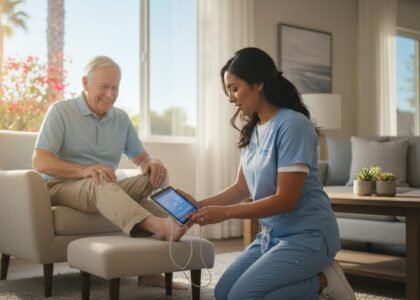
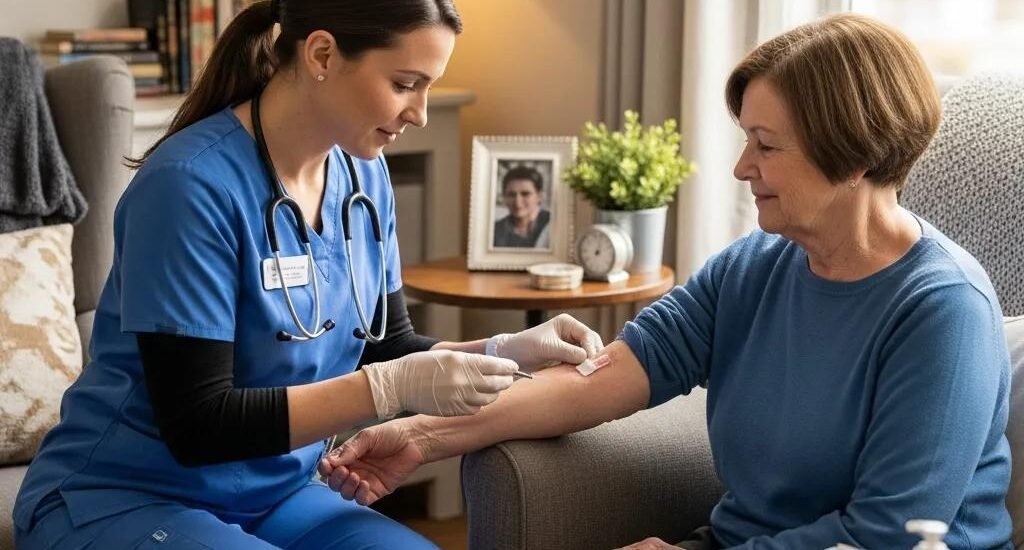
During the exam, the specialist evaluates the wound’s size, type, depth, and the condition of the surrounding skin. They’ll look for signs of infection or other complications and review your overall health and symptoms. This careful, whole-person assessment helps us create a treatment plan that matches your needs and healing goals.
Which diagnostic tools and methods are used in the home assessment?
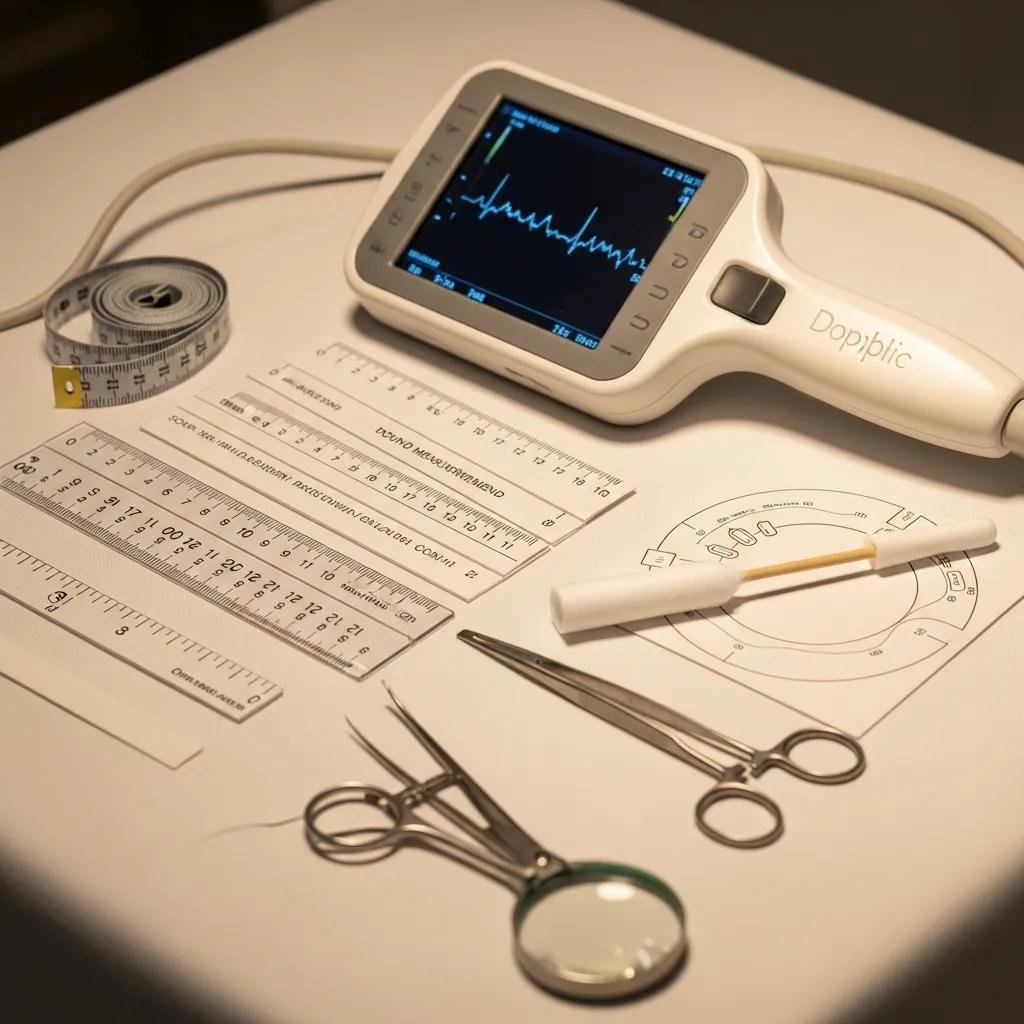
We use practical, portable tools like wound measurement devices and, when indicated, handheld Doppler or other point-of-care imaging to check blood flow and wound depth. These tools give precise information that guides treatment choices and helps track progress over time.
Advances in portable diagnostics continue to improve the accuracy and usefulness of in-home wound assessments, especially for conditions like diabetic foot ulcers.
Mobile wound assessment for diabetic foot ulcers
A review of assessment tools identified computer software, handheld devices, optical imaging, and 3D measurement systems used to monitor diabetic foot ulcers — highlighting the range of mobile approaches available.
How is my personalized mobile wound care treatment plan developed?
What advanced regenerative treatments are offered during mobile visits?
Mobile wound care can include advanced options such as biologic dressings and negative pressure wound therapy when appropriate. Emerging therapies like stem cell treatments exist but are rarely part of routine mobile visits due to regulatory and logistical limits. Your specialist will explain which options fit your wound type, overall health, and personal preferences and recommend the best plan to support healing.
How are healing timelines and goals set for chronic wounds?
We set realistic timelines together. Healing depends on wound type, your overall health, and how past treatments worked. Your specialist will outline expected milestones, what to watch for, and when treatment may change — keeping you informed and involved every step of the way.
What are the benefits of receiving mobile wound care at home?
Home-based wound care offers several practical and emotional benefits that improve the patient experience.
- Convenience of home care: Care delivered at home removes travel barriers, making treatment accessible for people with limited mobility or those far from clinics.
- Enhanced patient comfort: Being treated in your own space often reduces stress and creates a calmer environment for healing.
- Support for caregivers: Mobile services usually offer resources and training for caregivers so they can assist safely and confidently at home.
How does mobile wound care enhance patient comfort and safety?
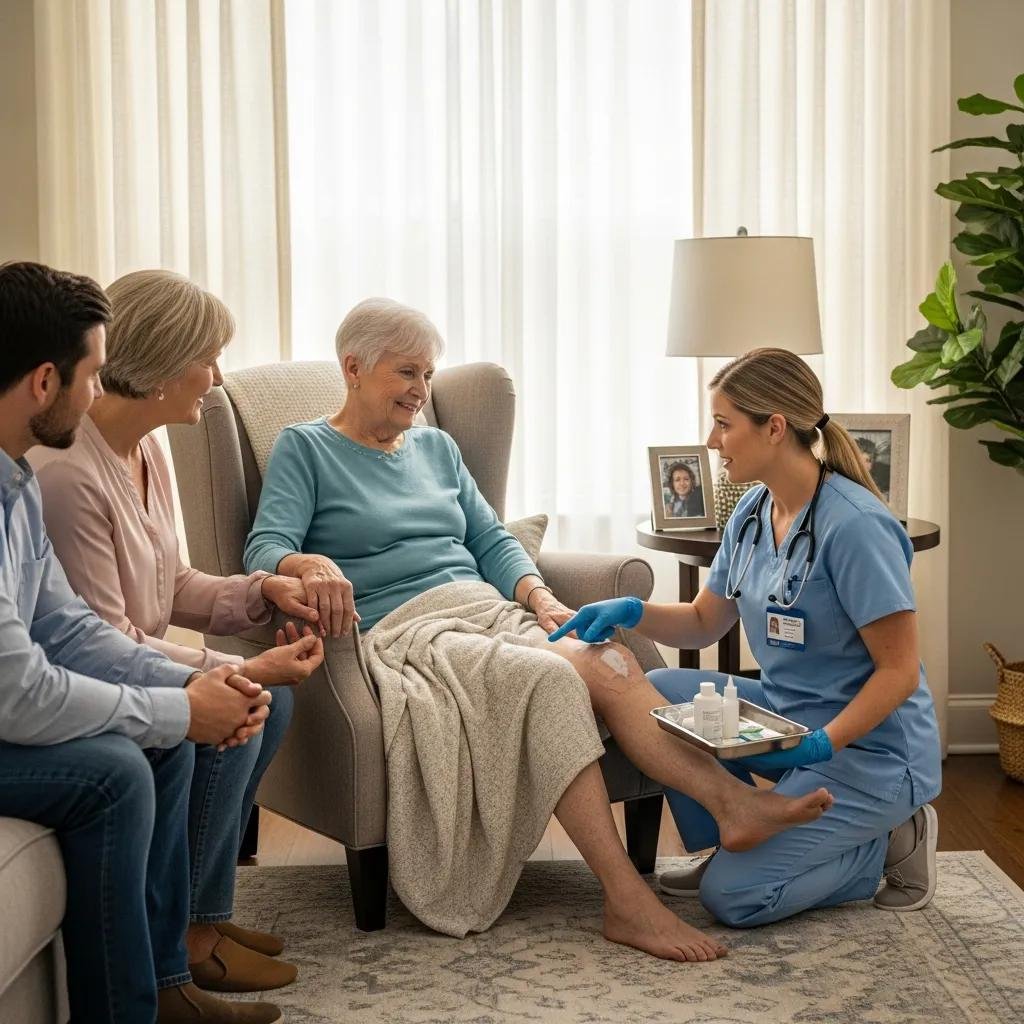
Home visits let clinicians adapt the care setting to your needs, which reduces the burden of travel and minimizes exposure to busy clinic environments. This flexibility supports safer, more comfortable care tailored to your routine and living situation.
What support is available for caregivers during the healing process?
Caregivers often receive targeted education, written instructions, and coaching during visits. These resources cover wound cleaning, dressing changes, signs of infection, and when to call the clinician — helping caregivers feel prepared and reducing avoidable complications.
Still, gaps in caregiver training exist, and ongoing education remains an important part of improving home-based wound care outcomes.
Addressing challenges in home-based chronic wound care
Home care is vital for many chronic wound patients, but patients and caregivers often lack the training needed for effective at-home wound management, highlighting the need for more focused education.
How should I manage ongoing care and follow-up visits?
What is the typical schedule and purpose of weekly follow-up visits?
Follow-ups are commonly scheduled weekly to check progress, update dressings, and adjust treatments as needed. These visits let the clinician spot problems early and keep the healing plan on track.
How can pain and infection be effectively managed at home?
Follow your specialist’s care plan for pain and infection control. That may include prescription or over-the-counter medicines, recommended topical products, and basic measures like elevation. Monitor for increased redness, swelling, warmth, or drainage, and contact your clinician promptly if you notice changes.
| Treatment Type | Description | Benefits |
|---|---|---|
| Advanced regenerative treatments | Options such as biologic dressings and negative pressure wound therapy | Can accelerate healing and support tissue repair |
| Comprehensive wound assessment | Detailed exam using measurement tools and point-of-care diagnostics | Leads to accurate treatment planning and better monitoring |
| Ongoing care management | Regular follow-ups plus caregiver education and support | Improves comfort and long-term healing outcomes |
The table above highlights the core elements of mobile wound care — advanced treatments, precise assessment, and consistent follow-up — all designed to help you heal safely at home.
Mobile wound care blends convenience with clinical expertise, letting you receive thoughtful, effective treatment without leaving home. Knowing what to expect at your first visit helps you approach care with confidence and makes the healing journey clearer and less stressful.
Frequently asked questions
What should I expect during my first mobile wound care visit?
Expect a thorough, compassionate evaluation of your wound and overall health. The specialist will measure and inspect the wound, review your medical history, and discuss symptoms and past treatments. From that assessment we’ll recommend a tailored plan and explain next steps in plain terms.
How can I ensure my home is ready for the wound care specialist?
Set up a clean, well-lit area free of clutter. Have your medical records and medication list handy, and jot down questions ahead of time. These simple steps help the visit run smoothly and let the clinician focus on your care.
What types of follow-up care can I expect after my initial visit?
Most patients receive weekly follow-ups to monitor healing, change dressings, and adjust treatment. Frequency may change based on progress. These regular checks help catch issues early and keep recovery moving forward.
Are there any specific pain management strategies I should follow at home?
Follow the pain plan your clinician prescribes. That may include medications, topical products, elevation, or rest. Keep an eye out for worsening pain or signs of infection and let your clinician know so we can adjust treatment.
What resources are available for caregivers during the wound care process?
Caregivers typically receive hands-on instruction, written guides, and access to clinician support. We focus on practical training — how to change dressings, spot infection signs, and communicate concerns — so caregivers feel confident and supported.
How do mobile wound care services compare to traditional clinic visits?
Mobile wound care offers the convenience of at-home treatment while maintaining clinical standards. For many complex wounds, carefully delivered home care produces outcomes similar to clinic-based care, with added comfort and reduced travel burden for patients.
Conclusion
Home-based wound care from a skilled team combines medical rigor with the comfort of familiar surroundings. By knowing what to expect at your first visit and staying engaged in the plan, you’ll be better positioned for a smoother recovery. To learn more about how mobile wound care can work for you, explore our services or reach out to schedule an appointment.