
Healix360’s Mobile Wound Care: At-Home Chronic Wound Healing Guide
At‑home wound care is changing how people heal from chronic wounds — bringing skilled, focused treatment into your home so healing can start without delay. This guide walks you through what mobile wound care is, how it works, the benefits, which wounds we treat, advanced therapies we use, what to expect with Healix360, and how we support caregivers. If getting to a clinic is hard or slow, mobile care can make timely, expert treatment much easier.
What Is Mobile Wound Care and How Does It Work?
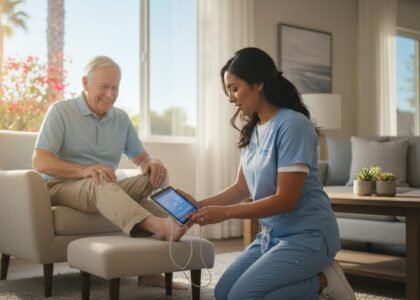
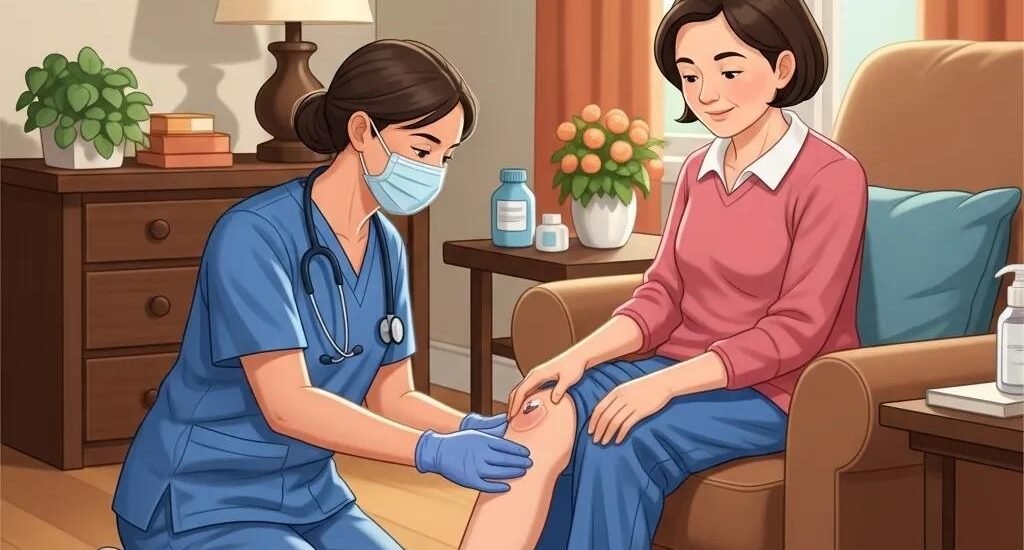
Mobile wound care means a trained clinician comes to your home to assess, treat, and manage chronic wounds using evidence‑based techniques and modern tools. Our clinicians evaluate the wound, create a care plan, and deliver treatments and education in the comfort of your space. The result: high‑quality care with fewer trips, less stress, and treatment tailored to your situation — especially helpful for people with limited mobility or ongoing health issues.
How Does Mobile Wound Care Differ from Traditional Clinic Treatment?
Mobile care removes common access barriers. Instead of arranging travel, waiting rooms, and multiple appointments, you receive care where you live. That often means a calmer experience, more time for one‑on‑one assessment, and a care plan adjusted in real time to how you’re healing. The clinical standards and therapies are the same — we simply deliver them where they’re most convenient and effective for you.
Who Qualifies for Mobile Wound Care Services?
Mobile wound care is appropriate for many people with non‑healing or complex wounds. Typical candidates include individuals with diabetes, vascular conditions, recent surgeries, limited mobility, or those who live far from wound clinics. We evaluate each situation and recommend home visits when they improve access, safety, and outcomes for the patient.
What Are the Benefits of At‑Home Wound Care Services?
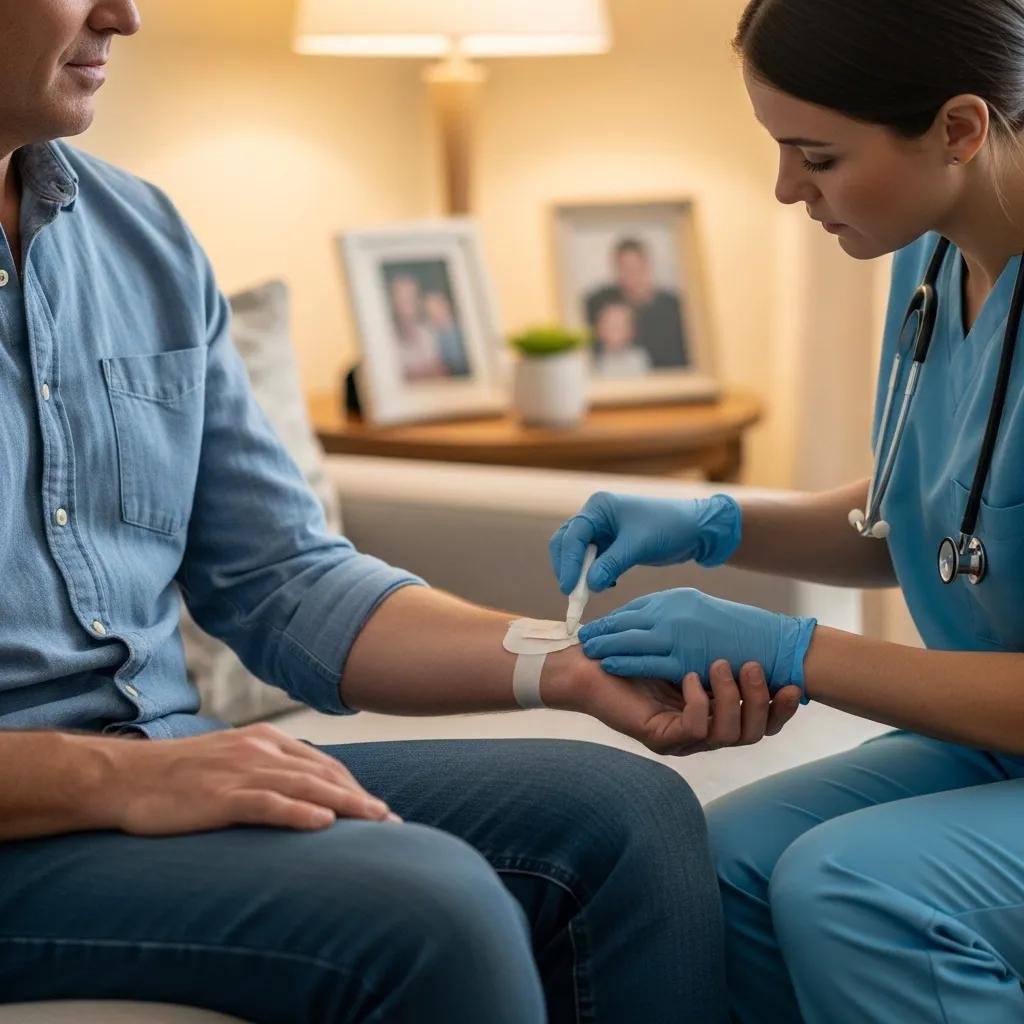
At‑home wound care combines clinical expertise with convenience to support better healing and a better patient experience.
- Convenience
: Care comes to you, saving travel time and reducing the physical and emotional strain of clinic visits. - Lower infection exposure
: Receiving treatment in your home can reduce exposure to other sick patients and helps us control the wound environment more closely. - Faster, consistent care
: Regular, timely visits and quick treatment adjustments often speed recovery and prevent setbacks.
If you’re exploring mobile wound care options,
Healix360 Advanced Mobile Wound Care
clinicians offer tailored programs that match each patient’s needs.
How Does Mobile Wound Care Improve Patient Comfort and Convenience?
Being treated at home helps reduce anxiety and physical strain. You’re in a familiar space, with care delivered on a schedule that fits your life. We design treatment plans around your daily routine, so healing supports—not disrupts—your normal activities.
In What Ways Does At‑Home Care Reduce Infection Risk and Promote Faster Healing?
Home visits let clinicians maintain strict hygiene, monitor wounds closely, and respond quickly to early signs of trouble. That hands‑on consistency — combined with individualized dressing changes and education — supports steady progress and can lead to quicker healing for many patients.
Which Chronic Wounds Can Be Treated with Mobile Wound Care?
Mobile wound care can manage a wide range of chronic wounds with the right clinical plan and follow‑up.
- Diabetic ulcers
: Require careful monitoring and infection prevention to avoid complications. - Pressure sores (pressure injuries)
: Need routine care, position changes, and specialized dressings to heal and prevent decline. - Venous ulcers
: Benefit from compression, elevation, and circulation‑focused treatments provided in the home.
What Are the Common Types of Chronic Wounds Treated at Home?
The wounds we commonly treat at home include diabetic foot ulcers, pressure injuries from limited mobility, and venous stasis ulcers. Each wound type has specific care steps — for example, blood sugar control and infection surveillance for diabetic ulcers; regular repositioning and cushioning for pressure injuries; and compression plus leg elevation for venous ulcers. Our team tailors care to the wound and the person.
Research consistently shows continuous home wound care can improve outcomes for difficult wounds like diabetic foot ulcers.
Effectiveness of Continuous Home Wound Care
Recent evidence indicates that structured home wound care programs — including infection management and wound bed preparation — can improve healing rates for diabetic foot ulcers, with clinically meaningful benefits shown in controlled analyses (2024).
Effectiveness of continuous home wound care on patients with diabetic foot ulcers, 2024
How Does Mobile Wound Care Address Non‑Healing and Post‑Surgical Wounds?
For wounds that stall or for post‑operative sites, we combine close monitoring with targeted therapies — for example, advanced dressings, wound bed preparation, and, when appropriate, negative pressure systems. Delivering these options at home helps reduce complications and supports a smoother recovery.
What Advanced Wound Care Treatments Are Offered in Mobile Services?
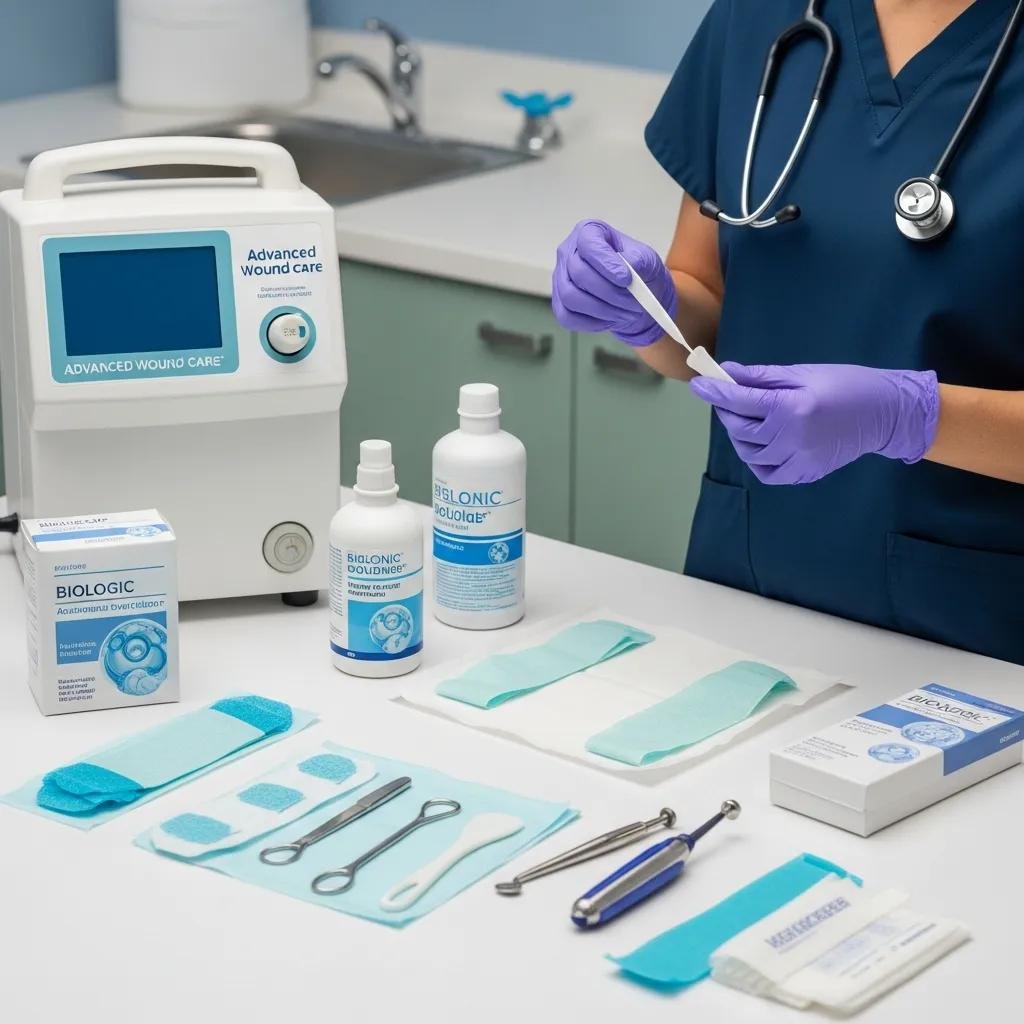
Mobile wound care teams can deliver a broad set of advanced therapies that support tissue repair and infection control — all tailored to the wound and the patient.
- Regenerative medicine therapies
: Techniques that support tissue regeneration, including certain cellular or biologic products used to stimulate healing. - Debridement
: Safe removal of dead or infected tissue to create a healthy wound bed. - Biologic dressings
: Dressings that promote a moist, protective environment and can be selected to match wound needs. - Negative pressure wound therapy (NPWT)
: Controlled suction therapy to enhance blood flow and support closure of complex wounds.
How Do Regenerative Medicine Therapies Like Stem Cell Technology Work?
Regenerative approaches aim to support the body’s repair processes. Certain biologic products and cellular therapies can encourage new tissue growth and reduce chronic inflammation in wounds that have not responded to standard care. We evaluate eligibility carefully and use these therapies when evidence suggests they will help.
What Are Debridement, Biologic Dressings, and Negative Pressure Wound Therapy?
Debridement removes nonviable tissue to reduce infection risk and allow healthy tissue to grow. Biologic dressings maintain a healing environment and can provide growth factors or matrix support. NPWT applies gentle suction to draw fluid away and stimulate circulation. Together, these options help manage complex wounds when used by experienced clinicians.
Systematic reviews support the use of NPWT and other advanced therapies in the home when managed with appropriate clinical oversight.
Home Negative Pressure Wound Therapy for Chronic Wounds
Evidence from systematic reviews shows that NPWT use has expanded into outpatient and home settings; when applied with proper monitoring, it can be an effective and safe option for chronic wound management (2015).
Negative pressure wound therapy technologies for chronic wound care in the home setting: a systematic review, 2015
What Is the Patient’s Journey with Healix360 Mobile Wound Care?
Your journey with Healix360 starts with an initial assessment to understand the wound, medical history, and your home environment. From there we create a clear, personalized care plan that outlines goals, treatments, visit frequency, and what you and your caregivers should expect.
How Do Patients Schedule and Prepare for Mobile Wound Care Visits?
Patients schedule visits by
contacting Healix360 directly
. Before a visit, make sure the treatment area is accessible and have recent medical information and a list of medications ready. Tell us about any concerns — we’ll address them and explain how to prepare so the visit runs smoothly.
What Does the Healing Process and Follow‑Up Care Look Like?
Healing involves regular clinician visits to monitor progress, change dressings, and tweak treatments as needed. We provide clear guidance for at‑home care, signs to watch for, and a follow‑up schedule so issues are caught early. Our aim is consistent progress and fewer setbacks.
How Does Healix360 Support Caregivers and Address Insurance Coverage?
We know caregivers are essential to recovery. Healix360 offers practical resources, training, and clear communication to help caregivers feel confident supporting wound care at home.
What Resources and Guidance Are Available for Caregivers?
Caregivers receive written and verbal instructions, demonstrations of dressing changes, and tips for daily wound checks. We also connect families with support resources and answer questions so caregiving is safer and less stressful.
Expert guidance highlights the value of teaching family caregivers practical wound care skills in multiple formats to support home healing.
Teaching Home Wound Care to Family Caregivers
Best practices recommend giving caregivers wound care education in written, verbal, and visual formats, and encouraging collaboration between nurses, patients, and family caregivers to promote healing (2022).
Teaching wound care to family Caregivers: an overview of methods to use to promote wound healing, 2022
Is Mobile Wound Care Covered by Medicare and Other Insurance Plans?
Many mobile wound care services are covered by Medicare and commercial insurers when treatments are medically necessary. Coverage varies by plan, so we help patients and families check benefits and navigate authorization to reduce surprise costs.
| Treatment Type | Description | Benefits |
|---|---|---|
| Regenerative Medicine | Uses biologic products and cell‑based approaches to support tissue repair | Encourages tissue regeneration and recovery |
| Debridement | Removal of nonviable tissue to prepare the wound bed | Lowers infection risk and supports healing |
| Negative Pressure Therapy | Applies controlled suction to the wound site | Improves circulation and accelerates closure |
This table summarizes advanced treatments available through mobile wound care and the practical benefits each provides in wound management.
Healix360’s mobile wound care combines clinical expertise, evidence‑based therapies, and patient‑centered planning to help people heal where they live. Understanding the benefits, common wound types, and what to expect helps you choose the care path that fits your needs.
Frequently Asked Questions
What should I expect during my first mobile wound care visit?
On your first visit, a clinician will review your medical history, medications, and evaluate the wound. We’ll explain the assessment findings, recommend a care plan, and teach you the home care steps you’ll need between visits. Expect a focused, educational visit with clear next steps.
How often will I need mobile wound care visits?
Visit frequency depends on the wound’s type and severity and how you’re progressing. Many patients start with one to two visits per week, then reduce visits as healing advances. Your clinician will adjust the schedule based on objective findings and your comfort.
Can I continue my regular activities while receiving mobile wound care?
In most cases, yes. Your care team will tell you which activities are safe and which to avoid while healing. Following those guidelines and staying in touch with your clinician helps you maintain daily life without compromising recovery.
What should I do if I notice signs of infection at home?
If you see increased redness, swelling, warmth, pain, foul drainage, or fever, contact your healthcare provider right away. Prompt reporting lets us intervene quickly to prevent complications.
Are there any specific preparations I need to make before a mobile wound care visit?
Before a visit, make the treatment area easy to access and have a list of current medications and recent medical records available. Clearing a small space for dressing changes and seating for the clinician helps the visit go smoothly.
How can I support my healing process at home?
Follow your clinician’s instructions closely: keep dressings as directed, monitor for changes, control underlying conditions (for example, diabetes), eat a balanced diet, stay hydrated, and call your care team with concerns. Consistent care and communication are powerful contributors to healing.
Conclusion
Mobile wound care offers a practical, patient‑centered approach to managing chronic wounds — delivering expert care, reducing travel burdens, and helping speed recovery. If you or a loved one could benefit from at‑home wound services, Healix360 is here to help. Learn more about our services and how we support healing at home.