
How to Schedule Healix360 Mobile Wound Care: A Step-by-Step Guide
Access to timely, specialized wound care can make a big difference in recovery. This guide explains how to schedule advanced in-home wound care, why mobile services help patients with chronic wounds, and what to expect when a Healix360 clinician comes to the home. We’ll cover the benefits of mobile care, step-by-step booking with Healix360, first-visit expectations, insurance basics, caregiver roles, and how modern regenerative therapies support healing.
Chronic wounds are becoming more common, creating gaps in care that mobile wound services are designed to fill.
Mobile apps and chronic wound care: key findings
Aging populations in many countries face a higher rate of chronic wounds, which increases both clinical workload and costs. Effective treatment often requires frequent therapy and regular checkups, driving up expenses for hospital stays, staff, supplies, and transportation. These pressures can limit consistent, high-quality wound care for many patients.
Patient-centered chronic wound care mobile apps: Systematic identification, analysis, and assessment, V Borst, 2024
What Are the Benefits of Scheduling Mobile Wound Care Services?
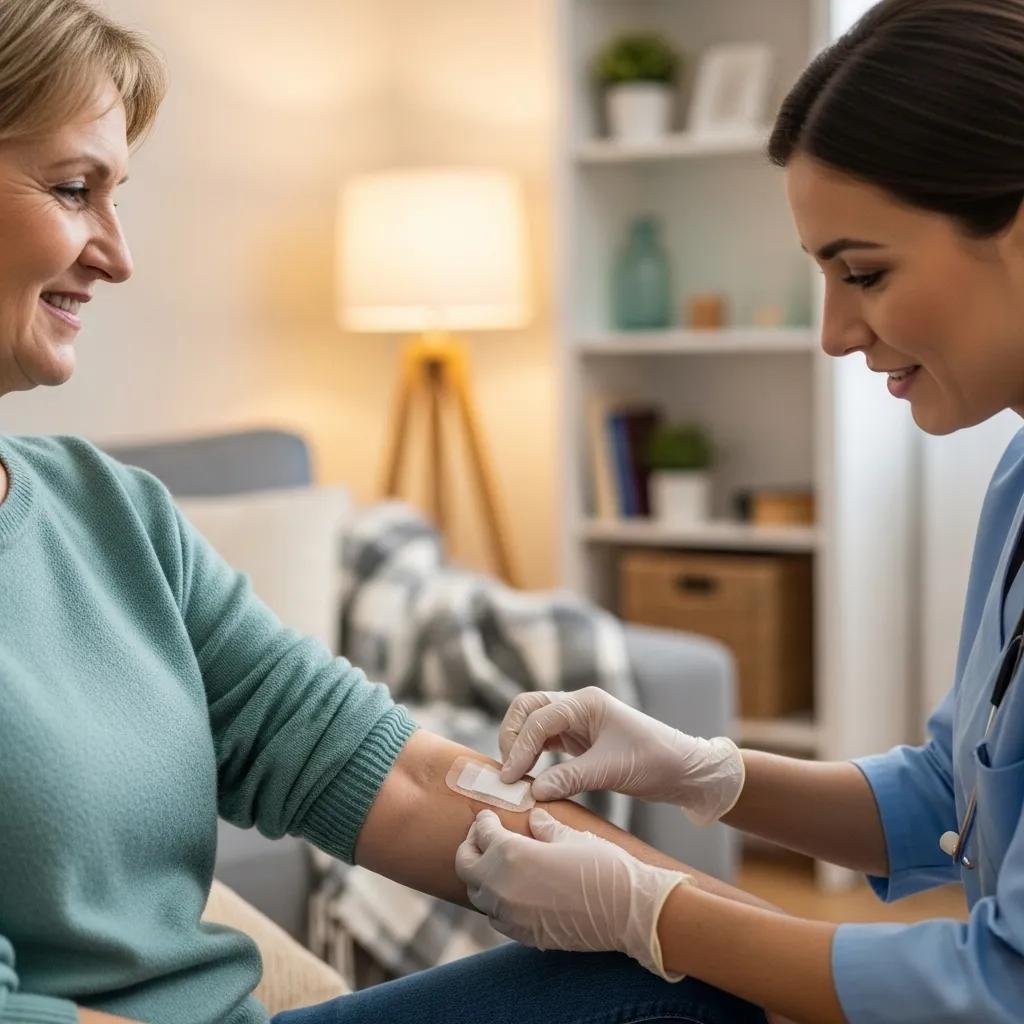
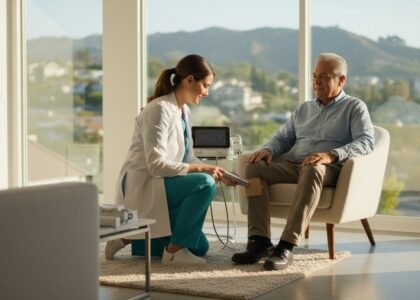
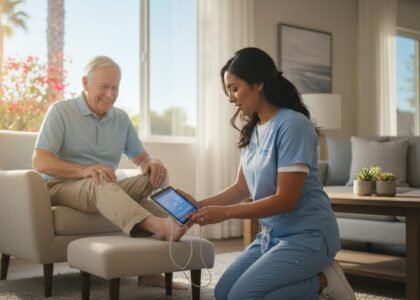
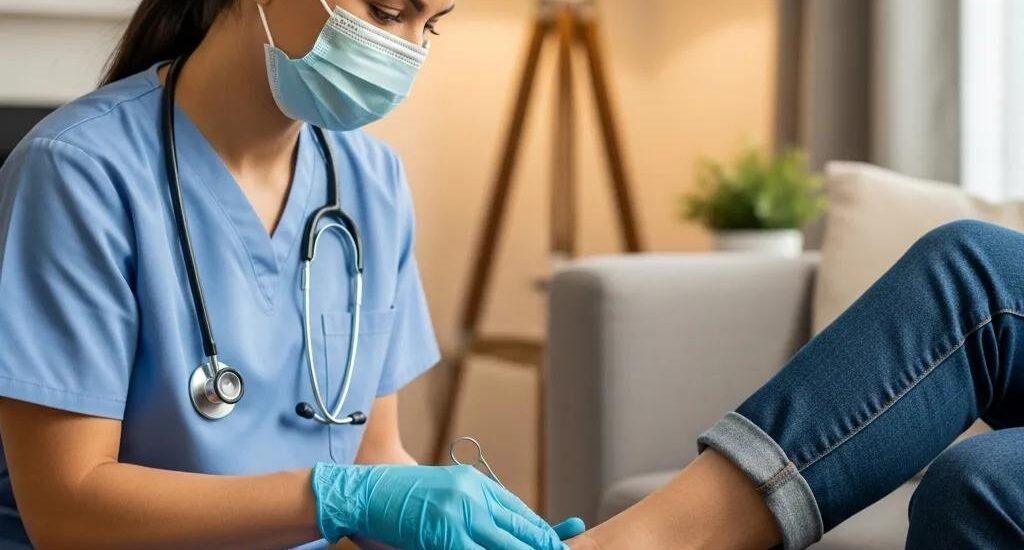
Mobile wound care brings expert treatment to the place patients feel safest—their home. That convenience pairs with specialized clinical care to support healing while reducing the stress and logistical burden of clinic visits.
- Convenience of In-Home Care
: Treatment happens at home, removing travel barriers and reducing the strain of frequent appointments. - Expert Care from Specialists
: Mobile teams include trained wound clinicians who tailor care plans and therapies to each patient’s needs. - Improved Healing Outcomes
: When patients receive consistent, expert in-home care, studies show healing and overall health outcomes often match or exceed clinic-based care—thanks to better treatment adherence and fewer hospital-acquired risks.
For people with chronic wounds, timely, specialized attention at home can be essential.
Healix360
Advanced Mobile Wound Care Specialists deliver on these benefits by providing coordinated, patient-focused visits.
Evidence supports home-based wound care and highlights the value of patient knowledge and proper home practices.
mHealth and home wound care: an overview
Wound injuries are common, and suboptimal treatment at home can threaten health. Research looking at wound care knowledge, attitudes, and mobile health use shows gaps in home-based practices and suggests opportunities for mHealth tools to support better care.
Wound care knowledge, attitudes, and practices and mobile health technology use in the home environment:
Cross-sectional survey of social network users, CY Guo, 2020
How Does Mobile Wound Care Improve Healing and Convenience?
Mobile wound care removes transportation and scheduling barriers so patients get regular assessments and timely treatments. Clinicians create individualized care plans, monitor progress, and adjust therapies as needed—helping reduce complications and improving patient comfort and satisfaction.
Which Chronic Wounds Can Be Treated at Home?
- Diabetic Foot Ulcers
: Require close monitoring and specialized offloading and dressing strategies to prevent complications. - Pressure Ulcers
: Often tied to immobility; they need routine assessment, pressure-relief measures, and wound management. - Venous Leg Ulcers
: Related to circulation issues and typically managed with compression, wound care, and ongoing follow-up.
When care is consistent and comprehensive, patients with these wound types generally experience better healing rates and fewer setbacks.
What Is the Step-by-Step Process to Schedule Mobile Wound Care with Healix360?
Booking mobile wound care through Healix360 follows a clear, patient-focused workflow to make sure the first visit is efficient and clinically useful.
- Initial Contact
: Patients or caregivers can
reach out to Healix360
by phone to start scheduling. Share key details about the wound and any prior treatments so the team can prepare. - Comprehensive Assessment
: A wound care specialist visits to evaluate the wound, review medical history, and identify infection risk, circulation issues, or other factors affecting healing. - Treatment Planning
: After assessment, the clinician outlines a personalized care plan—treatments, supplies, follow-up schedule, and goals—so everyone knows the next steps.
This organized approach helps patients receive timely, effective care tailored to their situation.
Structured processes and mobile care models help clinics work more efficiently and keep patients on track with timely treatment.
Telemedicine and mobile wound-healing models
Mobile wound-healing centers and telemedicine partnerships can improve clinic efficiency and access to care by coordinating visits, specialist input, and follow-up—especially when integrated into broader care networks.
The role of telemedicine in wound care: a review and analysis of a database of 5,795 patients from a mobile wound-healing center in Languedoc-Roussillon,
France, A Sood, 2016
How Do I Make Initial Contact to Book an Appointment?
To schedule with Healix360, call the listed number. When you call, have this information ready:
- A brief medical history for the patient
- Specifics about the wound (location, duration, signs of infection)
- Insurance details, if available
Sharing this information up front helps the team plan the first visit and bring the right supplies.
What Happens During the Comprehensive Assessment and Treatment Planning?
During the assessment, the clinician documents wound size, depth, drainage, and any infection signs. They’ll review medications and overall health factors that affect healing. Then they’ll discuss a treatment plan, required supplies, follow-up frequency, and realistic goals for recovery.
What Should Patients Expect During Their First Mobile Wound Care Appointment?
- Assessment and Treatment Process
: The clinician examines the wound and may perform treatments such as cleaning, debridement, or applying appropriate dressings or biologic products—whatever the plan requires that day. - Patient Education Provided
: You’ll get clear instructions on home care, signs to watch for, and when to call. Education helps patients and caregivers feel confident between visits.
Knowing the flow of the first visit can reduce anxiety and help patients and families participate actively in the recovery plan.
How Is the Wound Assessed and Treated at Home?
At-home assessment uses visual inspection and clinical measurements to track progress. Treatments may include wound cleaning, dressing application, and advanced options like negative pressure therapy when clinically indicated to support healing.
What Education and Support Are Provided to Patients and Caregivers?
Clinicians teach dressing changes, wound hygiene, pain management, and infection warning signs. They provide written or digital instructions and contact pathways so caregivers can reach the care team with questions between visits.
How Does Insurance Coverage Work for Mobile Wound Care Appointments?
Insurance coverage varies, but many plans—including Medicare—may cover medically necessary mobile wound services. Always verify benefits before scheduling to understand any out-of-pocket costs.
- Is Medicare Part B Accepted for Mobile Wound Care Services?
: Medicare Part B commonly covers medically necessary wound care services delivered in outpatient settings and, in many cases, by qualified mobile providers. Confirm specific coverage rules with Medicare or your plan administrator. - How Do I Verify Eligibility and Understand Payment Options?
: Call your insurance provider with the patient’s information and diagnosis codes when available. Ask about coverage for home wound care, required documentation, copays, and deductibles.
Insurance rules can be complex; checking eligibility ahead of time helps prevent surprises and speeds up access to care.
Is Medicare Part B Accepted for Mobile Wound Care Services?
In many cases, yes—Medicare Part B covers medically necessary wound care services. Patients should review their plan details or contact Medicare to confirm specific coverage and potential cost-sharing.
How Do I Verify Eligibility and Understand Payment Options?
To confirm coverage, call your insurer and ask about benefits for in-home wound care. Have the patient’s ID, diagnosis, and any clinical notes ready. Understanding copays, prior authorization needs, and deductible status helps you plan for care.
How Can Caregivers Support Patients During Mobile Wound Care Treatment?
Caregivers are key partners in home wound care. Their hands-on support and communication with clinicians can speed recovery and prevent complications.
- What Are Caregivers’ Roles in Managing Wound Care at Home?
: Caregivers help with dressing changes, monitoring the wound for changes, administering topical treatments, and ensuring the patient follows the care plan. - How Does Healix360 Facilitate Communication Between Caregivers and Specialists?
: Healix360 encourages open lines of communication—caregivers can contact the care team with concerns or updates so clinicians can advise promptly.
Good collaboration between caregivers and clinicians improves consistency of care and helps patients heal more reliably.
What Are Caregivers’ Roles in Managing Wound Care at Home?
Caregivers assist with daily wound tasks—changing dressings, applying prescribed ointments, observing for infection, and helping the patient keep follow-up appointments. Their involvement keeps treatment on track.
How Does Healix360 Facilitate Communication Between Caregivers and Specialists?
Healix360 provides direct contact options and clear instructions so caregivers can report changes, ask questions, and get guidance between scheduled visits. That support reduces uncertainty and improves outcomes.
How Do Advanced Regenerative Treatments Enhance Mobile Wound Care Outcomes?
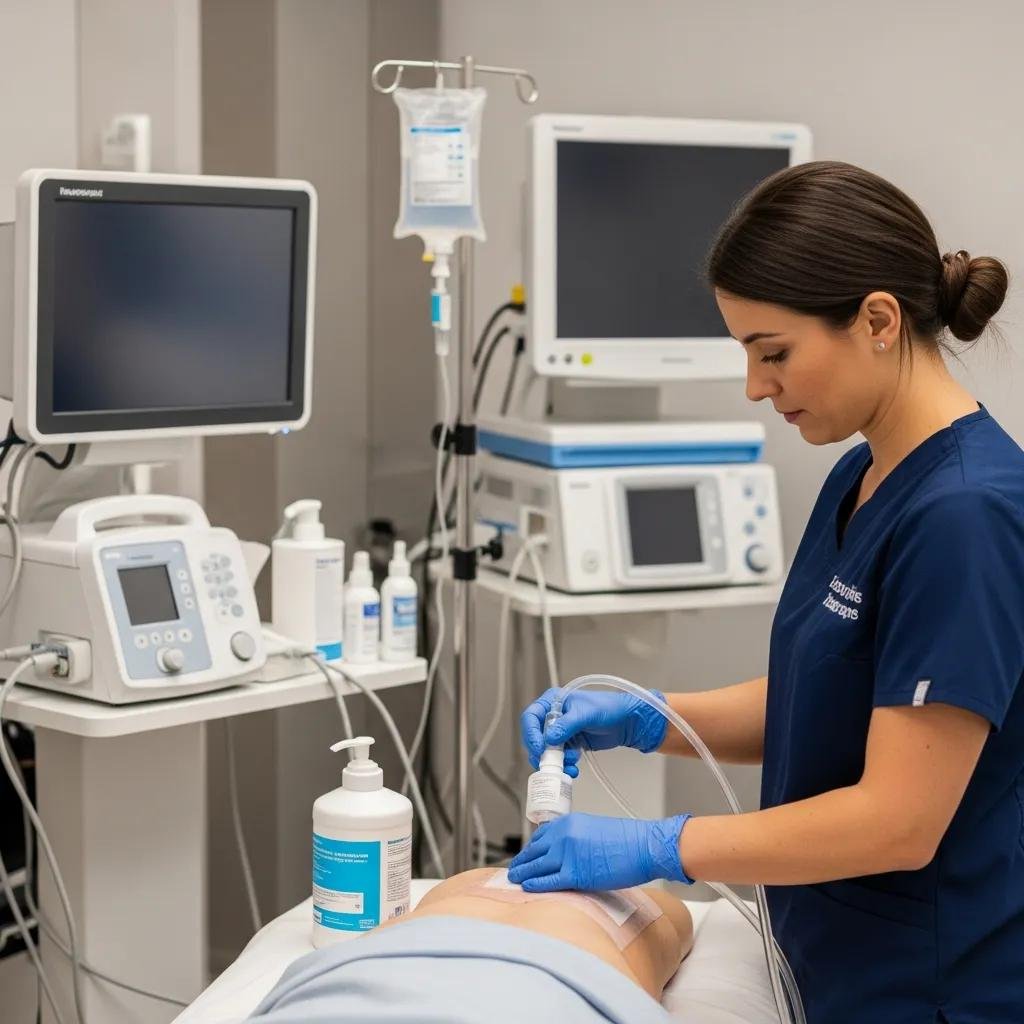
Regenerative therapies expand the options available to mobile wound teams. When appropriate, these treatments can accelerate tissue repair, lower complication risk, and support better wound closure.
- What Are the Key Regenerative Therapies Used in Mobile Wound Care?
: Frequently used options include biologic dressings, negative pressure wound therapy, and certain cellular or growth-factor-based treatments—each addressing different healing barriers. - How Do These Treatments Accelerate Healing and Reduce Complications?
: These therapies support the body’s repair processes—for example, negative pressure therapy reduces excess fluid and improves blood flow to the wound, which promotes healthy tissue formation and lowers infection risk.
Integrating regenerative approaches into mobile care reflects a commitment to offering the most effective, evidence-based treatments available.
What Are the Key Regenerative Therapies Used in Mobile Wound Care?
Common regenerative options include:
- Biologic Dressings
: Create a healing environment and can deliver growth factors that support tissue repair. - Negative Pressure Therapy
: Uses controlled suction to remove fluid and stimulate blood flow, aiding granulation. - Cellular Therapies
: Apply cells or bioactive factors to encourage tissue regeneration in difficult-to-heal wounds.
How Do These Treatments Accelerate Healing and Reduce Complications?
Advanced regenerative treatments target biological barriers to healing—reducing infection risk, encouraging healthy tissue growth, and improving closure rates. When used appropriately in a home setting, they can shorten recovery time and reduce the need for more invasive interventions.
| Treatment Type | Mechanism | Benefits |
|---|---|---|
| Biologic Dressings | Provide moisture and deliver growth factors | Support faster tissue repair and lower infection risk |
| Negative Pressure Therapy | Removes excess fluid and increases local blood flow | Promotes granulation tissue and reduces complication rates |
| Cellular Therapies | Stimulate tissue regeneration with cells or bioactive molecules | Speeds healing and improves wound closure outcomes |
This table shows how regenerative options work and why they’re integrated into comprehensive mobile wound care plans.
Frequently Asked Questions
What types of healthcare professionals provide mobile wound care services?
Mobile wound care teams commonly include wound care nurses, nurse practitioners, and physicians with wound management expertise. These clinicians are trained in assessment, treatment selection, and patient education to support recovery at home.
How can patients prepare for their first mobile wound care appointment?
Before the first visit, gather the patient’s medical history, a list of medications and allergies, and details about the wound’s onset and any prior treatments. Having this information ready helps the clinician evaluate the wound efficiently.
What follow-up care is typically required after the initial mobile wound care appointment?
Follow-up frequency depends on wound severity and healing progress. Clinicians set a schedule for reassessment, dressing changes, and adjustments to the treatment plan to keep healing on track.
Are there any specific challenges associated with mobile wound care?
Challenges include ensuring consistent access in remote areas and supporting patient adherence between visits. Clear education, reliable communication, and coordinated care help overcome these obstacles.
What role does technology play in mobile wound care services?
Technology supports remote monitoring, secure communication, and documentation. Mobile health tools can track healing progress, send reminders, and allow clinicians to review wound status between visits—enhancing continuity and timely intervention.
How can patients find reputable mobile wound care services in their area?
Look for providers with experienced clinicians, positive patient reviews, and clear care protocols. Ask your primary care provider for recommendations and check with insurers about covered in-home wound services.
Conclusion
Scheduling mobile wound care gives patients access to expert, personalized treatment in the comfort of home—reducing travel stress and supporting better healing. With tailored plans, caregiver involvement, and thoughtful use of regenerative therapies, many patients see faster, safer recoveries. To learn how to begin care with Healix360, visit our website and contact our team.