
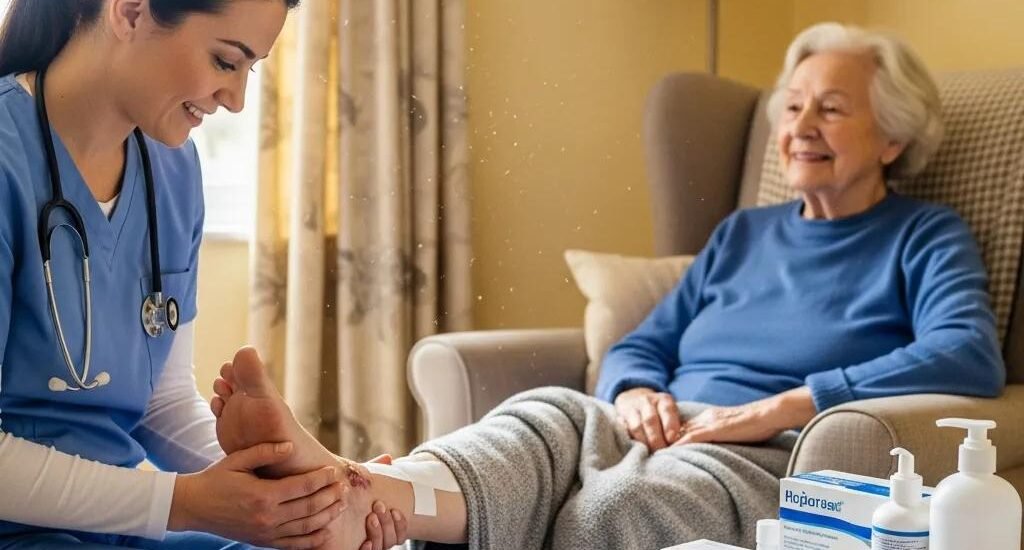
Chronic Wound Care: Mobile Services vs. Traditional Clinics – Understanding Benefits and Treatment Options
Chronic wounds—those that don’t heal as expected—can drain a person’s comfort, independence, and quality of life. This guide compares traditional clinic‑based wound care with mobile, at‑home services so you can see how each model works and what outcomes to expect. We walk through what chronic wounds are, how clinics operate, the practical advantages of mobile care, and the advanced regenerative therapies now available in the field. Many patients struggle to access timely wound care, which can make problems worse; mobile wound care brings skilled, specialized treatment directly to the home or facility to reduce delays and improve healing.
Clinical studies have directly compared outcomes across care settings—home health, telemedicine, and clinic‑based care—to better understand which models work best for complex wounds.
Telemedicine & Home Health vs. Wound Clinic Outcomes
The French government–supported ASIP Santé sponsored Domoplaies and provided access via a dedicated phone number to a regional call center for any professional seeking advice.
Complex wound healing outcomes for outpatients receiving care via telemedicine, home health, or wound clinic: a randomized controlled trial, 2020
What Are Chronic Wounds and Their Impact on Patients?
Chronic wounds are wounds that fail to follow the normal, timely healing process—often lingering beyond four weeks, and sometimes defined as lasting three months or more. They can result from diabetes, poor circulation, pressure, or other medical conditions. Beyond the physical damage, chronic wounds affect emotional health, mobility, and daily independence. Recognizing wound types and the wider impact on patients is essential to choosing the right treatment pathway.
Which Types of Chronic Wounds Require Specialized Care?
Some wounds need targeted, specialist management. Common types include:
- Diabetic Ulcers: Often on the feet, these require careful monitoring to avoid infection and limb‑threatening complications.
- Pressure Injuries: Caused by prolonged pressure in patients with limited mobility, these wounds demand structured prevention and treatment plans.
- Venous Stasis Ulcers: Caused by impaired blood flow, usually on the lower legs, and requiring therapies that address circulation and wound environment.
Each type benefits from a tailored approach to prevent complications and encourage reliable healing.
How Do Chronic Wounds Affect Quality of Life and Mobility?
Chronic wounds often reduce mobility and everyday functioning. Patients commonly face:
- Physical Limitations: Pain and restricted movement can make routine tasks difficult.
- Emotional and Psychological Effects: Ongoing wounds can lead to anxiety, depression, and reduced social interaction.
- Economic Impact: Repeated visits, supplies, and complications create financial strain for patients and families.
Treating these aspects alongside the wound itself is key to restoring well‑being.
How Do Traditional Wound Care Clinics Operate and What Are Their Limitations?
Clinic‑based wound centers deliver focused, multidisciplinary care in a controlled setting. They typically offer access to specialized equipment and teams experienced in wound assessment and treatment.
What Are the Advantages of Clinic-Based Wound Care?
Clinic care provides several clear benefits:
- Access to Specialized Equipment: Clinics house advanced tools and diagnostics that support complex care.
- Professional Oversight: Multidisciplinary teams monitor progress and adjust therapy as needed.
- Structured Treatment Plans: Clinics can deliver coordinated, protocol‑driven care tailored to the wound and the patient.
These strengths make clinics an important option for many patients.
What Challenges Do Patients Face with Traditional Clinics?
Despite their advantages, clinics can present real barriers:
- Travel Difficulties: Getting to appointments is hard for patients with limited mobility or in remote areas.
- Long Wait Times: Scheduling delays can prolong wounds and risk complications.
- Limited Personalization: Standardized schedules and workflows sometimes make truly individualized care harder to deliver.
These challenges are why alternative care models—especially mobile and home‑based services—are increasingly important.
What Are the Key Benefits of Mobile Wound Care Services at Home?
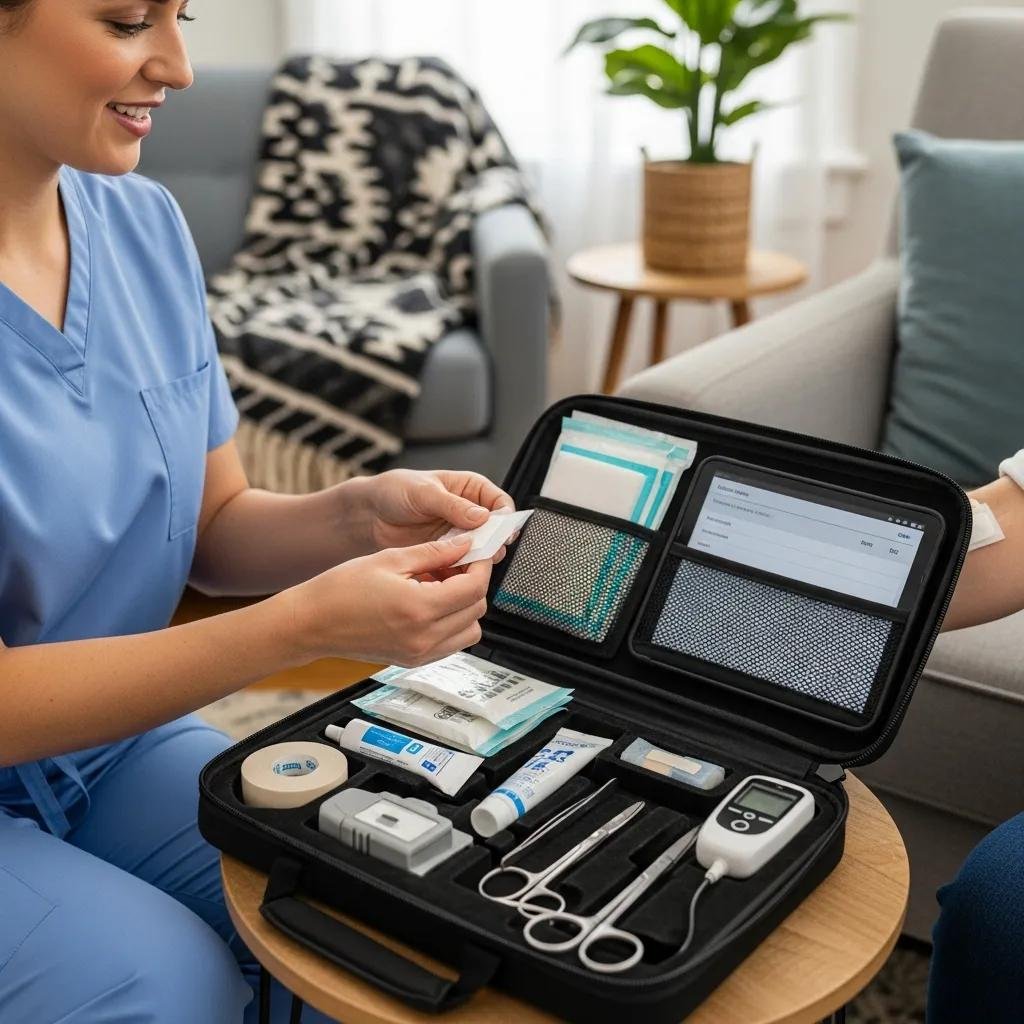
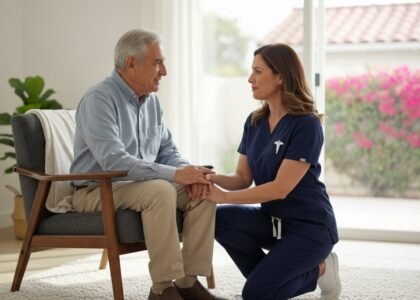
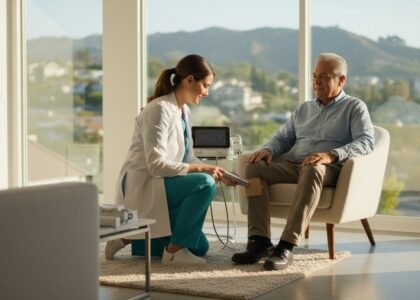
Mobile wound care brings clinicians and therapies to the patient’s environment. This approach improves access and comfort while maintaining clinical rigor. It’s especially helpful for patients who face transportation, mobility, or scheduling barriers.
Research supports home‑based care’s role in improving satisfaction and some clinical outcomes, particularly when it reduces readmissions and speeds access to treatment.
Home vs. Hospital Wound Care: Cost-Effectiveness & Patient Satisfaction
Providing health care to patients at home could be causing the mortality and readmission rates reduction in addition to satisfaction of both patients and health care providers increase. The aim of this study was to assess the cost-effectiveness of home care service compared to hospital based care in patients with diabetic foot ulcer.
Comparison home care service versus hospital-based care in patients with diabetic foot ulcer: an economic evaluation study, M Sanjari, 2020
- Convenience and Accessibility: Eliminates travel and makes timely care possible for patients at home or in long‑term care facilities.
- Reduced Infection Risks: Treating patients in familiar environments can lower exposure to facility‑acquired pathogens.
- Personalized Care: Clinicians can tailor plans based on the patient’s home context, daily routines, and caregiver support.
These benefits show how mobile wound care can change the experience—and results—of chronic wound management.
How Does Mobile Wound Care Improve Convenience and Accessibility?
Mobile wound care removes several common barriers:
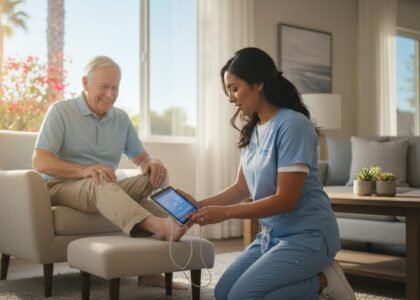
- Home Visits: Clinicians come to the patient, so care reaches those who can’t travel.
- Flexible Scheduling: Appointments can be arranged to suit patient routines and caregiver availability.
- Reduced Travel Stress: Fewer trips mean less physical and logistical strain for patients and families.
This model lets patients focus on healing rather than transit and logistics.
In What Ways Does Mobile Care Enhance Healing and Reduce Infection Risks?
Mobile services can support better outcomes through:
- Continuous Monitoring: Regular, in‑home assessments allow for early detection of problems and quicker plan adjustments.
- Immediate Response to Complications: Clinicians can intervene quickly if infection or deterioration appears.
- Enhanced Patient Comfort: Treating patients where they live often improves cooperation, adherence, and overall satisfaction.
Those elements together create a more patient‑centered path to recovery.
Which Advanced Regenerative Treatments Are Offered Through Mobile Wound Care?
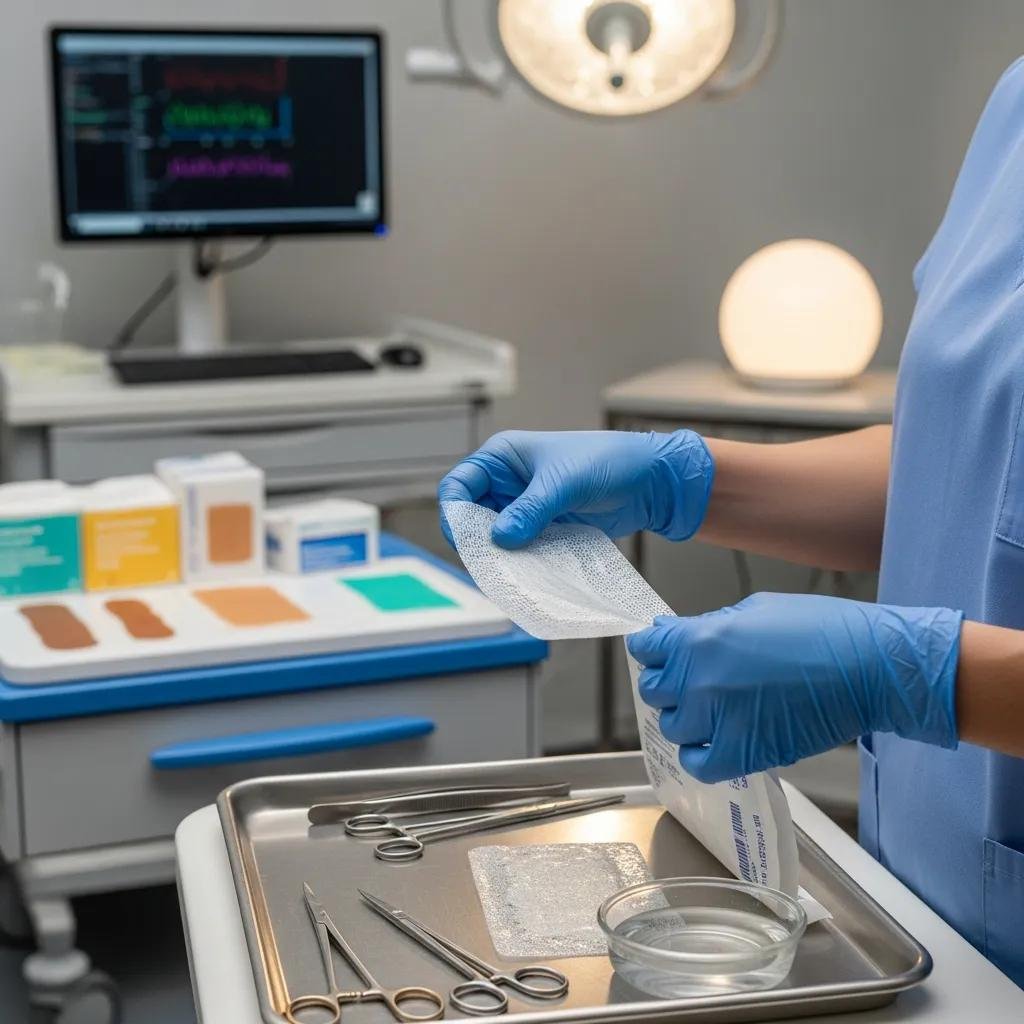
Mobile wound teams increasingly deliver advanced regenerative therapies—once limited to clinics—to support healing where patients live. These options combine biologics, tissue engineering, and specialized devices to promote tissue repair.
How Do Stem Cell Therapy and Biologic Dressings Promote Wound Healing?
Stem cell treatments and biologic dressings help wounds heal by:
- Stimulating Tissue Regeneration: Stem cells support the formation of new tissue and repair damaged structures.
- Providing a Supportive Environment: Biologic dressings maintain moisture, protect the wound, and deliver growth factors where they’re needed most.
When used appropriately, these therapies can speed recovery and improve tissue quality.
What Is Negative Pressure Wound Therapy and Its Role in Mobile Care?
Negative pressure wound therapy (NPWT) applies controlled suction to a wound to support healing. In mobile care, NPWT can:
- Promote Blood Flow: Suction helps increase perfusion and remove excess fluid.
- Reduce Edema: Controlled negative pressure decreases swelling that impairs healing.
- Improve Wound Closure: NPWT can help approximate wound edges and accelerate tissue formation.
With appropriate monitoring, NPWT is a powerful tool in both clinic and home settings.
What Should Patients and Caregivers Expect During the Mobile Wound Care Journey?
Mobile wound care combines clinical thoroughness with practical support. Patients and caregivers can expect clear communication, coordinated planning, and education to manage care between visits.
How Is a Personalized Treatment Plan Developed and Delivered?
We create individualized plans through a collaborative process that includes:
- Assessment of Wound Type: A focused clinical exam identifies wound characteristics and underlying drivers.
- Patient History Considerations: We factor in medical history, medications, lifestyle, and goals when designing therapy.
- Collaboration with Caregivers: Including family or caregivers ensures treatments fit the patient’s daily routine and support network.
This collaborative plan helps patients stay engaged and improves the chances of a successful outcome.
What Support and Education Are Provided to Caregivers?
Caregivers receive practical training and resources to feel confident assisting with wound care:
- Training for Caregivers: Hands‑on instruction and demonstrations teach safe dressing changes and monitoring.
- Access to Resources: Written guides, checklists, and contact information help caregivers follow the plan between visits.
- Communication Strategies: We coach caregivers on how and when to escalate concerns to the clinical team.
Empowering caregivers improves daily wound management and supports faster recovery.
Evidence shows structured home‑based training for patients and caregivers improves wound outcomes when combined with clear follow‑up and accessible support.
Home-Based Wound Care Training for Patients & Caregivers
What’s more, the interventions of the wound care training for patients and caregivers, combined with various delivery methods (face-to-face/written documents/phone calls/online), resulted in improved wound-related outcomes.
Effects of home‐based chronic wound care training for patients and caregivers:
A systematic review, J Hu, 2023
How Does Healix360 Differentiate Its Mobile Wound Care Services?
Healix360 combines clinical expertise, modern therapies, and a patient‑first approach to deliver mobile wound care that’s both convenient and evidence‑based. Our model is built to bring specialty care into the home while maintaining measurable clinical standards.
What Expertise and Technologies Set Healix360 Apart?
- Board-Certified Specialists: Our clinicians are trained and certified in wound management and complex care coordination.
- Advanced Treatment Technologies: We integrate proven regenerative therapies and devices to optimize healing.
- Patient-Centered Approach: Every plan is individualized to the patient’s medical needs, home environment, and recovery goals.
That blend of skill and technology positions Healix360 to deliver reliable, patient‑focused outcomes.
How Does Healix360 Ensure Fast Provider Matching and Proven Results?
Healix360 uses an efficient intake and scheduling process so patients see the right provider quickly. Our quality framework includes:
- Quick Response Times: Rapid scheduling reduces delays in care.
- Success Rate Statistics: We track outcomes and use that data to refine care.
- Patient Feedback: Ongoing feedback helps us improve both clinical care and the patient experience.
These systems ensure consistent, measurable results across our mobile services.
| Treatment Type | Description | Benefits |
|---|---|---|
| Stem Cell Therapy | Uses stem cells to encourage tissue regeneration and repair | Supports improved healing and may shorten recovery time |
| Biologic Dressings | Advanced dressings that deliver growth factors and protect the wound bed | Creates an optimal environment for tissue repair |
| Negative Pressure Therapy | Applies controlled suction to promote perfusion and wound edge approximation | Speeds closure and reduces complication risk |
Offering these therapies in a mobile model underscores our commitment to bringing effective, modern wound care to patients who need it most.
Mobile wound care—like the services Healix360 provides—represents a meaningful shift in chronic wound management. By removing transportation barriers, delivering tailored plans, and using advanced treatments, mobile care improves access and can enhance both patient experience and clinical outcomes. If you or a loved one face challenges getting to clinic‑based care, mobile wound services may be a safe, effective alternative.
Frequently Asked Questions
What are the costs associated with mobile wound care services compared to traditional clinics?
Costs depend on wound complexity and the treatments required. Mobile care can lower total expenses by reducing travel, preventing costly complications, and avoiding some hospital readmissions. Pricing models vary by provider, so we recommend discussing anticipated costs, insurance coverage, and any pre‑authorization needs with your care team before treatment begins.
How can patients prepare for their first mobile wound care appointment?
Before the visit, gather relevant medical records, a list of current medications, and any prior wound treatments. Write down questions or concerns you want to address. Make the wound accessible and arrange a comfortable, well‑lit area for the clinician to work. Having a caregiver present, when possible, also helps with education and follow‑up planning.
What types of insurance typically cover mobile wound care services?
Many commercial plans, Medicare, and Medicaid may cover aspects of mobile wound care, but coverage varies by plan and service. Check with your insurer about specific benefits, co‑pays, and pre‑authorization rules. Your provider’s billing team can also help verify coverage and explain any out‑of‑pocket costs.
Are mobile wound care services available for all types of chronic wounds?
Mobile teams manage a broad range of chronic wounds—diabetic foot ulcers, pressure injuries, and venous stasis ulcers among them. Some highly specialized interventions may require clinic‑based equipment; your clinician will evaluate whether home‑based care is appropriate and recommend the safest plan of care.
How do mobile wound care specialists ensure the quality of care?
Quality is maintained through ongoing clinician training, adherence to clinical guidelines, outcome tracking, and regular case reviews. We use evidence‑based protocols and collect patient feedback to keep care consistent and effective across home and facility settings.
What follow-up care is typically provided after a mobile wound care visit?
Follow‑up often includes scheduled in‑home visits for dressing changes and monitoring, detailed home‑care instructions, and escalation pathways if conditions change. Many providers also offer telehealth check‑ins to address questions between visits. This continuity helps ensure steady progress toward healing.
Conclusion
Mobile wound care is a practical, patient‑focused alternative to clinic visits—especially for those with limited mobility or transportation barriers. Delivered by certified specialists and supported by advanced therapies, at‑home care can reduce stress, improve access, and support better healing outcomes. To learn whether mobile wound care is right for you, explore our services or contact a Healix360 team member today.