
Mobile Wound Care: The Evidence, Benefits, and How It Works
At-home wound care is changing how people recover from chronic and hard-to-heal wounds. This innovative approach combines clinical best practices with the comfort and convenience of treatment at home — especially helpful for patients with limited mobility. Below, we break down the science and operational models behind mobile wound care, summarize the clinical evidence, and highlight technologies that speed healing. We’ll also cover the real benefits for patients and caregivers and what this shift means for the future of chronic wound management. Our goal: give you clear, practical insight into how mobile wound care improves outcomes and the care experience.
What Is Mobile Wound Care and How Does It Work?
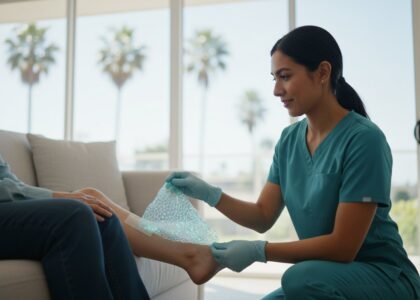
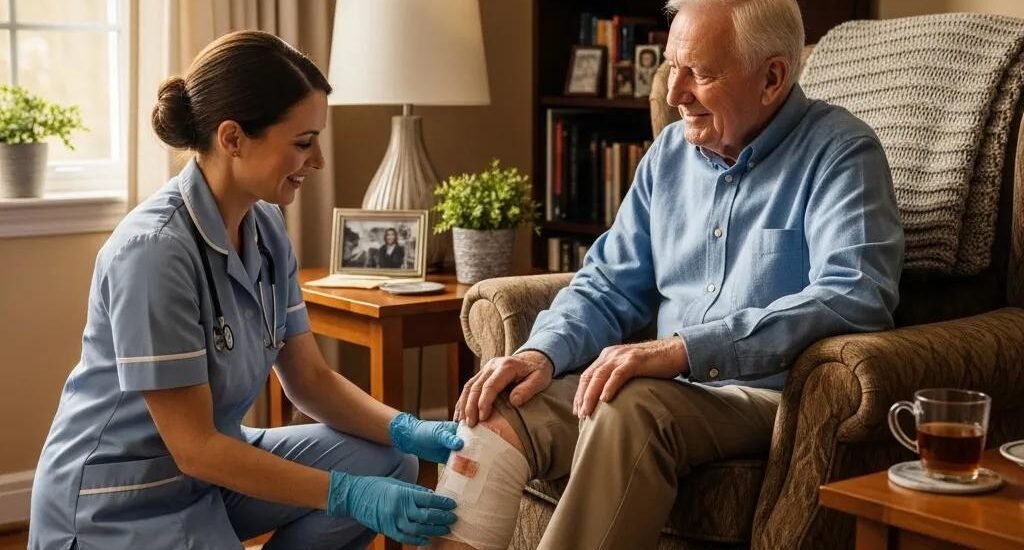
Mobile wound care delivers specialized wound management where patients live — at home, in assisted living, or in skilled nursing facilities. Instead of traveling to a clinic, trained clinicians bring assessment, treatment, and education directly to the patient, removing common barriers to consistent care.
Defining Mobile Wound Care and At-Home Treatment Models
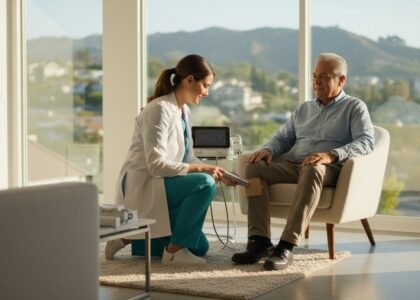
Mobile wound care includes several care models, from scheduled home visits by wound-specialist nurses to hybrid visits supported by telehealth. These approaches let clinicians perform wound assessments, apply advanced dressings, use therapies like NPWT, and coach patients and caregivers on daily care — all tailored to the individual’s needs and delivered in the home setting.
How Mobile Wound Care Improves Accessibility and Patient Convenience
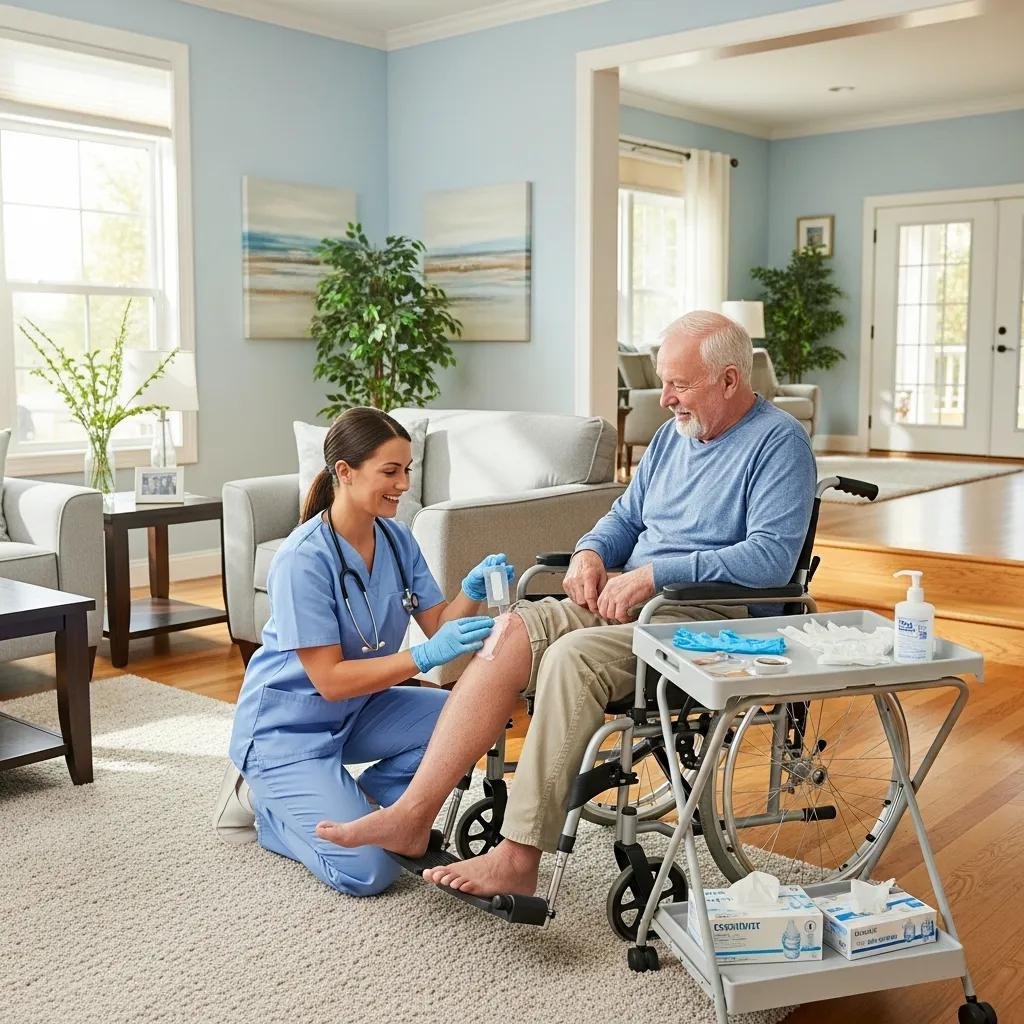
Bringing care to the home removes obstacles like transportation, long clinic waits, and the physical strain of travel. Patients typically report better satisfaction because care is more personalized and less disruptive to daily life. That convenience often translates into better adherence to treatment plans — and that consistency matters for healing.
What Scientific Evidence Supports Mobile Wound Care Effectiveness?
A growing body of research shows that mobile wound care can produce outcomes that match or exceed clinic-based care in key areas like healing speed and infection control. The evidence points to improved, patient-centered results when skilled providers deliver timely care in the home.
Clinical Studies on Healing Time Reduction and Infection Rates
Clinical studies report that home-based wound care can lead to similar or shorter healing times and lower infection rates for many wound types, depending on patient factors and the therapies used. While absolute improvements vary across studies, the consistent finding is that expert at-home care — delivered with evidence-based protocols — supports strong healing outcomes.
Comparing Mobile Wound Care Outcomes to Traditional Clinic Care
When researchers compare mobile care to traditional clinic visits, mobile models often show advantages in patient experience and equal or improved clinical measures. The table below summarizes typical findings from comparative studies:
| Care Model | Healing Time | Infection Rate | Patient Satisfaction |
|---|---|---|---|
| Mobile Wound Care | Often reduced or comparable | Often lower or comparable | Higher satisfaction reported |
| Traditional Clinic Care | Standard healing time | Standard infection rates | Moderate satisfaction |
These comparisons emphasize that mobile wound care can be an effective, patient-centered option — especially when clinicians follow rigorous, evidence-based protocols.
Which Advanced Technologies Enhance Mobile Wound Healing?
Modern technologies have expanded what’s possible in mobile wound care. From portable therapeutic devices to connected dressings, these tools let clinicians deliver advanced treatments and monitor progress in real time.
How Does Negative Pressure Wound Therapy Promote Healing?
Negative Pressure Wound Therapy (NPWT) applies controlled suction at the wound site to remove excess fluid, reduce swelling, and increase blood flow. For complex and chronic wounds, NPWT can accelerate the repair process and is often used successfully in home-based treatment plans.
Role of Smart Wound Dressings and AI in Home Wound Monitoring
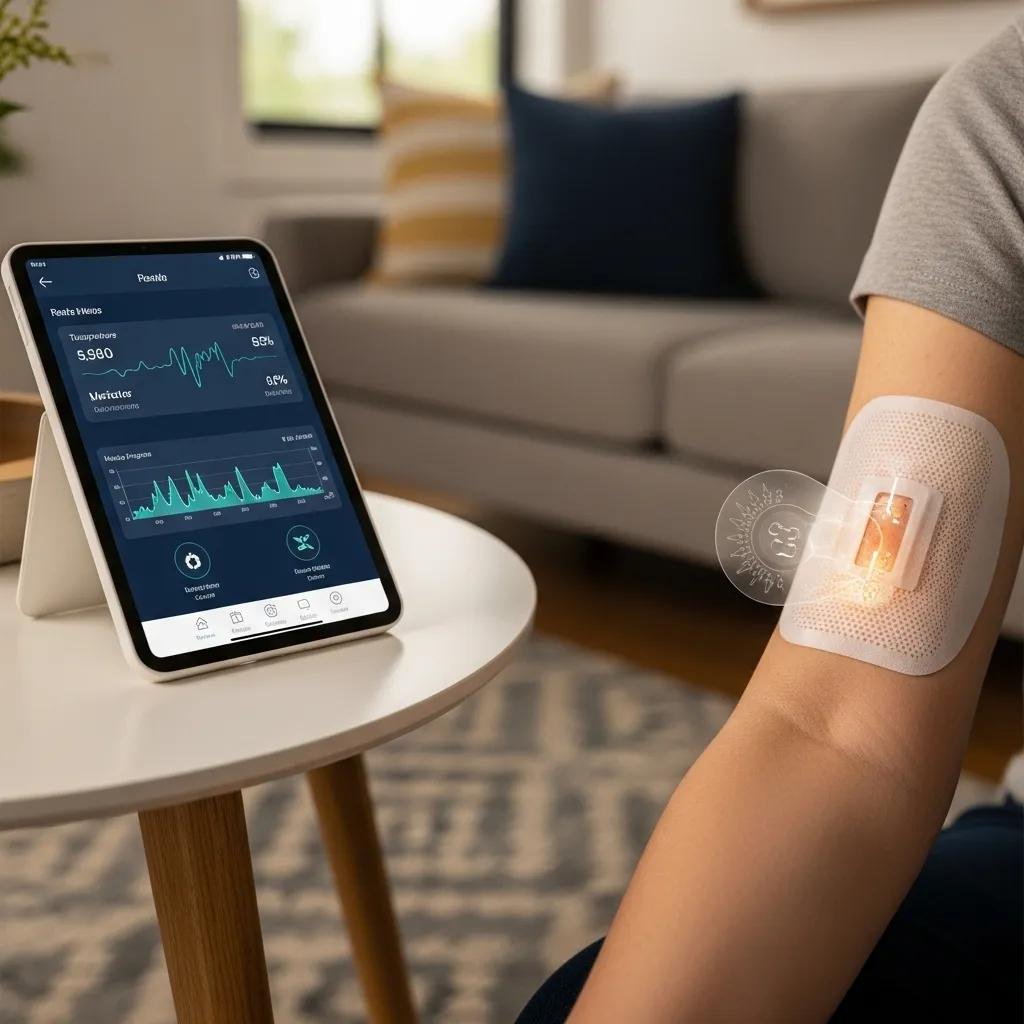
Smart dressings with embedded sensors can track moisture, temperature, and other markers, sending timely data to clinicians. Paired with AI-driven analysis, this information helps predict healing trends and flags issues earlier so treatment can be adjusted quickly. Together, these tools strengthen remote monitoring and improve decision-making for at-home care.
Recent research further highlights how smart dressings bring real-time sensing and active wound management into chronic care settings.
Smart Dressings for Chronic Wound Management: Advanced Technology & Real-time Monitoring
Researchers have developed smart dressings that combine sensing, targeted drug delivery, and adaptive response. These systems can detect inflammatory signals — such as changes in temperature, pH, and oxygen — and help deliver medication more effectively at the wound surface. As these technologies mature, smart dressings are positioned to play a major role in chronic wound care.
Smart dressings and their applications in chronic wound management, 2024
How Does Regenerative Medicine Improve Chronic Wound Healing at Home?
Regenerative medicine brings biologic therapies into wound care to stimulate tissue repair and reduce chronic inflammation. Many of these treatments can be integrated into mobile care plans to enhance healing where patients live.
Mechanisms of Stem Cell and Biologic Dressing Therapies
Stem cell therapies aim to support tissue regeneration by supplying cells that encourage repair and reduce scarring. Biologic dressings deliver growth factors and extracellular matrix components that create an environment favorable for new tissue growth. Together, these approaches help rebuild damaged tissue and speed recovery.
Use of Amniotic Tissue and Growth Factors in Mobile Care
Amniotic tissue and other biologics are rich in proteins and growth factors that promote cell migration and proliferation — key steps in wound closure. When used appropriately in mobile wound care, these materials can improve healing outcomes and may shorten recovery time for some patients.
What Are the Patient and Caregiver Benefits of Mobile Wound Care?
Mobile wound care delivers clear advantages to both patients and the people who support them. Care at home reduces stress, improves access, and centers treatment around each patient’s daily life.
Reducing Hospital Readmissions and Healthcare Costs
Timely, expert care at home helps prevent complications that can lead to readmission. Fewer complications mean better patient outcomes and lower overall costs for patients and the health system — a practical benefit of proactive mobile wound management.
Empowering Patients and Caregivers Through Education and Support
Education is central to mobile wound care. We teach patients and caregivers practical skills for dressing changes, infection recognition, and daily wound management — and we provide resources to help them feel confident. If you need assistance, our team can also help with insurance and care coordination through our contact channels.
Mobile Wound Care: Shaping the Future of Chronic Wound Management
Mobile wound care is reshaping long-term wound management by combining clinical expertise with digital tools and new therapies. These shifts improve access and create more personalized care pathways.
Integration of Telemedicine and Digital Wound Care Solutions
Telemedicine extends clinician oversight between in-person visits, enabling timely virtual consultations and remote tracking of wound progress. Mobile apps and digital platforms help patients log symptoms and share photos, making follow-up more efficient and responsive.
Emerging Trends and Market Growth in Mobile Wound Care
Demand for at-home healthcare and advances in remote monitoring are driving growth in the mobile wound care market. As new devices, smart dressings, and biologic options become more accessible, mobile services will continue to expand and offer more tailored treatment choices.
| Trend | Description | Impact |
|---|---|---|
| Telemedicine Integration | Virtual consultations for wound care | Increased accessibility |
| Smart Technologies | Use of AI and smart dressings | Enhanced monitoring and outcomes |
| Market Growth | Rising demand for at-home care | Expansion of mobile services |
These trends show how innovation is making wound care more proactive, accessible, and patient-focused.
Frequently Asked Questions
What types of wounds are suitable for mobile wound care treatment?
Mobile wound care supports many wound types, including chronic wounds such as diabetic foot ulcers, pressure injuries, and venous leg ulcers, as well as post-surgical and traumatic wounds that need ongoing management. Clinicians evaluate each case to determine whether at-home care is appropriate and safe, so even complex wounds can often be managed outside a clinic.
How do healthcare professionals ensure the quality of care in mobile wound care?
Quality in mobile wound care is maintained through clinician training, evidence-based protocols, and thorough assessments during visits. Providers use standardized practices, stay current on new therapies, and often track outcomes to ensure consistent, high-quality care. Clear communication with patients and caregivers is also a key part of maintaining standards.
Can mobile wound care be covered by insurance?
Many plans, including Medicare and Medicaid, may cover mobile wound care services when they meet medical necessity criteria. Coverage varies by insurer and plan, so patients should check benefits with their provider. Clinical teams can often assist with insurance verification and help navigate potential out-of-pocket costs.
What role do caregivers play in mobile wound care?
Caregivers provide daily support that’s essential to healing — from helping with dressings to watching for signs of infection. Mobile wound care programs include caregiver education so family members feel prepared and confident. That support improves adherence and overall outcomes.
How can patients prepare for a mobile wound care visit?
To prepare for a visit, make the treatment area accessible and tidy, and have any medical history, medication lists, and prior wound notes ready. Be prepared to describe symptoms, changes, or concerns so the clinician can tailor care effectively during the visit.
What advancements are expected in mobile wound care technology?
Future developments will likely include smarter dressings with better real-time monitoring, more seamless data transmission to clinicians, and stronger telemedicine tools for virtual assessment. AI-driven analytics may also enable more personalized treatment plans based on individual healing patterns, all aimed at improving outcomes and efficiency.
Conclusion
Mobile wound care offers timely, personalized treatment that improves healing and reduces the burden of travel and hospital readmission. By combining evidence-based therapies, advanced technologies, and patient education, mobile models deliver better experiences and measurable clinical benefits. If you’re interested in how these services can support healing at home, learn more about our approach and how we can help guide your care.