

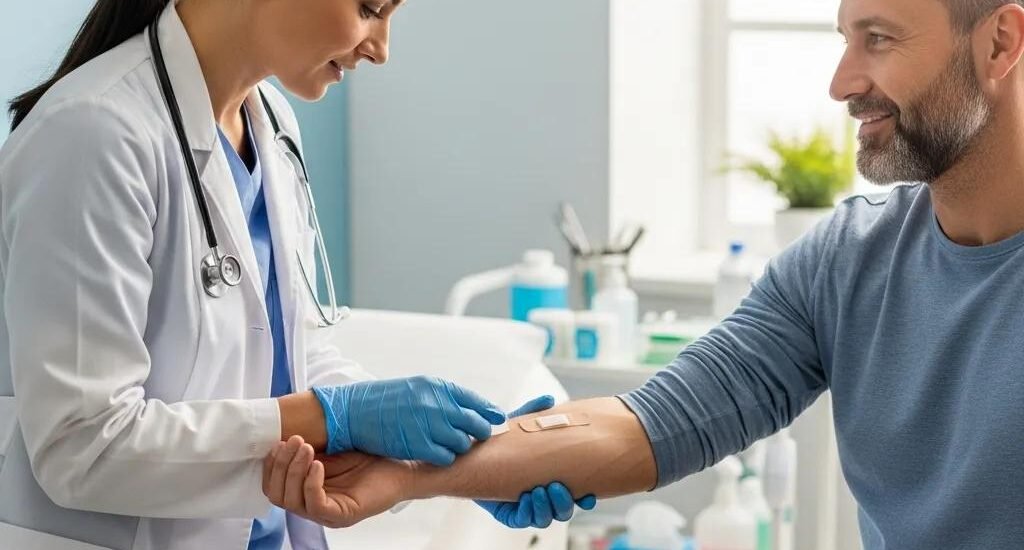
Key Takeaways for Optimizing Wound Care & Medication Management
Thoughtful wound care combined with clear medication management is central to better recovery for people living with chronic wounds. This guide walks through the medications commonly used in wound healing, practical pain-management approaches, and the medical and lifestyle factors that affect recovery. Many patients and caregivers find wound care complex — which can slow healing and increase discomfort. By clarifying options and best practices, this resource helps you make informed decisions and improve outcomes. We cover essential medicines, pain relief choices, factors that influence healing, tips for medication management at home, and advances in regenerative wound care.
Key Medications That Support Wound Healing
Successful wound healing often requires several types of medicines that prevent infection and promote tissue repair. These fall broadly into topical and oral options, each with a specific role. Knowing how these drugs work and following prescribed regimens are important steps toward reliable healing.
Which Topical Antibiotics Work Best for Wound Care?

Topical antibiotics help reduce the risk of infection at the wound surface. Common topical agents include:
- Bacitracin
: Targets many gram‑positive bacteria and is commonly used for minor cuts and abrasions. - Neomycin
: A broad‑spectrum ingredient found in OTC ointments; effective against several bacteria but can trigger contact allergy in some people. - Mupirocin
: Particularly useful against MRSA and other resistant skin pathogens, often preferred when an infected site is suspected.
Apply these products exactly as instructed. Watch for local side effects such as irritation or allergic reaction and report concerns to your care team.
How Do Oral Antibiotics Help Treat Wound‑Related Infections?
When an infection has spread beyond the skin or looks systemic, oral antibiotics become necessary. Common choices include:
- Cephalexin
: Frequently used for skin and soft‑tissue infections; covers many gram‑positive organisms and some gram‑negative strains. - Amoxicillin‑clavulanate
: Broader coverage than amoxicillin alone; useful when beta‑lactamase producing bacteria are a concern. - Clindamycin
: Helpful for anaerobic infections and for some resistant gram‑positive bacteria.
Follow your prescriber’s directions for dose and duration to clear infection and reduce the risk of antibiotic resistance.
Managing Pain in Chronic Wound Care
Controlling pain is essential to preserve quality of life and to make wound care tolerable. Pain strategies range from targeted topical treatments to systemic medications, chosen based on pain severity and wound type.
What Topical Options Relieve Wound Pain?

Topical treatments can numb the area or modify local pain signals. Common choices include:
- Lidocaine patches
: Provide localized numbing for targeted pain control and can make dressing changes easier. - Capsaicin cream
: Acts on neuropathic pain pathways; less commonly used directly on wounds because it can irritate fragile skin. - Benzocaine ointment
: Temporary relief for minor discomfort; use with caution due to potential allergic reactions in some users.
Use topical agents under guidance from your provider, especially on fragile or compromised skin.
Ongoing research continues to refine which topical pain therapies provide the most benefit for postoperative and chronic wound pain.
Lidocaine Patch for Postoperative Wound Pain Management
Objective: This review and meta‑analysis pooled data to evaluate the effects of lidocaine patches on postoperative pain and related side effects, offering an evidence‑based look at their clinical value.
Efficacy and safety of lidocaine patch in the management of acute postoperative wound pain: a comprehensive systematic review and meta-analysis of randomized …, 2023
When Are Oral Analgesics Appropriate for Wound Pain?
For moderate to severe pain, oral medications are commonly used. Typical options include:
- Acetaminophen
: Effective for mild to moderate pain and often used as first‑line systemic analgesia. - Ibuprofen
: An NSAID that reduces pain and inflammation; discuss bleeding risk with your clinician if anticoagulants are in use. - Opioids
: Reserved for severe pain when other measures are insufficient; prescribed carefully because of dependence and side‑effect risks.
Always review benefits and risks with your healthcare provider and follow a clear plan for safe use and tapering when appropriate.
Factors and Medications That Can Influence Wound Healing
Healing depends on many interconnected factors — from medications that suppress repair to chronic conditions that limit circulation or immune response. Identifying these factors helps tailor care plans.
Which Drugs Can Slow or Interfere with Healing?
Certain medications can impede recovery or increase complication risk. Examples include:
- Corticosteroids
: Can blunt inflammation and immune responses, which may delay tissue repair, particularly with long‑term use. - Chemotherapy agents
: These drugs can reduce cellular regeneration and immune function, affecting healing capacity. - Anticoagulants
: Essential for clot prevention but may raise bleeding risk around wounds; they do not directly stop tissue repair but can complicate management.
Always tell your care team about every medication you take so they can weigh risks and plan safely.
How Do Chronic Conditions Change Medication Effects on Wounds?
Underlying health issues shape how wounds respond to treatment. Common examples:
- Diabetes
: High blood glucose impairs circulation and immune defense, slowing healing and raising infection risk. - Peripheral vascular disease
: Reduced blood flow limits oxygen and nutrient delivery to the wound bed. - Obesity
: Additional pressure and reduced mobility can complicate wound care and increase infection risk.
Managing these conditions alongside wound care is essential to improve medication effectiveness and overall recovery.
Practical Medication Management for Patients and Caregivers
Clear routines and simple checks at home make medication plans more effective and reduce complications. Patients and caregivers benefit from straightforward, repeatable practices.
Best Practices for Administering Wound Medications at Home
To support healing and safety, follow these practical steps:
- Follow instructions
: Stick to prescribed doses, application methods, and timing. - Maintain cleanliness
: Wash hands and use clean supplies before and after dressing changes to limit infection risk. - Track progress
: Note medication use and any changes in the wound’s appearance, pain, or drainage.
These habits help your clinical team make timely adjustments and keep care on track.
Monitoring Effectiveness and Side Effects
Regular monitoring ensures treatments are working and safe. Patients should:
- Watch for change
: Check the wound for signs of improvement or any worrying shifts in color, odor, or drainage. - Report reactions
: Contact your
healthcare provider
promptly if you notice adverse effects or new symptoms. - Adjust with guidance
: Work with clinicians to change medications or wound care when progress stalls or side effects occur.
A proactive, documented approach helps clinicians tailor care and protect against complications.
Advanced Medication Strategies in Regenerative Wound Care
Regenerative approaches are expanding the tools available to clinicians, focusing on biologic support and smarter delivery systems that promote tissue repair.
How Growth Factors and Biologic Dressings Support Repair
Therapies that supply biological signals or scaffolds can accelerate healing by supporting cell migration and new tissue formation. Examples include:
- Platelet‑derived growth factor (PDGF)
: Encourages cell proliferation and new blood vessel growth; available in topical formulations such as becaplermin gel. - Biologic dressings
: Derived from human or animal tissues, these dressings provide a scaffold for regrowth and help maintain the moisture balance that supports healing.
These options reflect a shift toward treatments that work with the body’s own repair processes.
Emerging Drug‑Delivery Systems in Advanced Wound Care
New delivery platforms aim to make treatments more targeted and tolerable. Notable innovations include:
- Microneedle patches
: Designed to painlessly deliver active agents through the skin, improving adherence; many applications remain in experimental or early clinical stages. - Hydrogel systems
: Maintain a moist wound environment while releasing therapeutic agents directly to the wound bed. - Smart dressings
: Built‑in sensors can monitor pH, temperature, and moisture and deliver medication in response to changes.
These technologies promise more patient‑friendly care and more responsive treatment strategies.
Recent studies emphasize the potential of platforms such as microneedle patches to combine diagnosis and therapy for better wound management.
Smart Microneedle Patches for Advanced Wound Healing & Management
The global rise in non‑healing wounds carries a significant social and economic impact. Conventional dressings have limits, so integrated systems that combine monitoring and targeted delivery are attracting attention. Microneedles represent a versatile platform for transdermal diagnostics and controlled drug delivery, offering promise for real‑time wound care.
Smart microneedle patches for wound healing and management, C Zheng, 2023
| Medication Type | Mechanism | Common Uses |
|---|---|---|
| Topical Antibiotics | Prevent infection | Minor cuts, scrapes |
| Oral Antibiotics | Treat systemic infections | Infected wounds |
| Pain Relief Medications | Alleviate discomfort | Chronic wound pain |
| Factor | Impact on Healing | Considerations |
|---|---|---|
| Corticosteroids | Delay healing | Monitor use |
| Diabetes | Impedes circulation | Blood sugar control |
| Obesity | Increases pressure | Weight management |
Wound care and medication management can be complex, but clear information and consistent practices make a measurable difference. By knowing the medicines available, using thoughtful pain‑management strategies, and addressing factors that affect healing, patients and caregivers can take practical steps to support recovery. Advances in regenerative and delivery technologies offer new hope — stay engaged with your care team to explore appropriate options for your situation.
Frequently Asked Questions
What are the signs of infection in a wound?
Signs of infection include increasing redness, swelling, warmth, worsening pain, new or increasing drainage (especially pus), a foul smell, or fever. If a wound isn’t improving or you notice these signs, contact a healthcare professional promptly — early treatment prevents complications.
How often should wound dressings be changed?
Dressing frequency depends on wound type and the dressing used. Change dressings when they become wet, soiled, or if the wound shows signs of infection. Some chronic wounds require daily or alternate‑day changes; others, especially with advanced dressings, can stay in place longer. Follow your provider’s instructions for the specific dressing in use.
Can diet affect wound healing?
Absolutely. Protein, vitamins A and C, zinc, and omega‑3 fatty acids support tissue repair and immune function. A balanced diet that includes these nutrients helps healing; poor nutrition can delay recovery. Ask your clinician or a registered dietitian for tailored nutritional advice.
What role does hydration play in wound healing?
Adequate hydration supports skin elasticity, circulation, and nutrient transport to the wound. Dehydration can dry skin and slow repair. Drinking enough fluids and consuming hydrating foods helps the body maintain an environment conducive to healing.
How can I manage pain during wound care at home?
Pain can be managed with OTC medicines like acetaminophen or ibuprofen, topical anesthetics (for example, lidocaine patches) when appropriate, and by using gentle dressing techniques. Relaxation methods and proper positioning during dressing changes can also help. Always check with your healthcare provider before starting or combining pain treatments.
What should I do if my wound is not healing?
If a wound stalls or worsens, seek evaluation from a healthcare provider. Causes may include infection, underlying medical conditions, or inadequate wound care. A clinician can assess the wound, adjust treatment, and recommend additional interventions to get healing back on track.
Are there any alternative therapies for wound healing?
Some adjunctive therapies — such as medical honey dressings, silver‑based products, and certain herbal treatments — may support healing by providing antimicrobial effects or improved moisture balance. Discuss any alternative options with your healthcare provider to confirm safety and appropriateness for your wound.
Conclusion
Effective wound care combines sound clinical choices, consistent medication management, and attention to the patient’s overall health. Understanding medication options, managing pain thoughtfully, and addressing factors that slow healing empower patients and caregivers to improve outcomes. Emerging regenerative approaches and smarter delivery systems are expanding treatment choices — stay informed and partner with your care team to find the best path forward.