

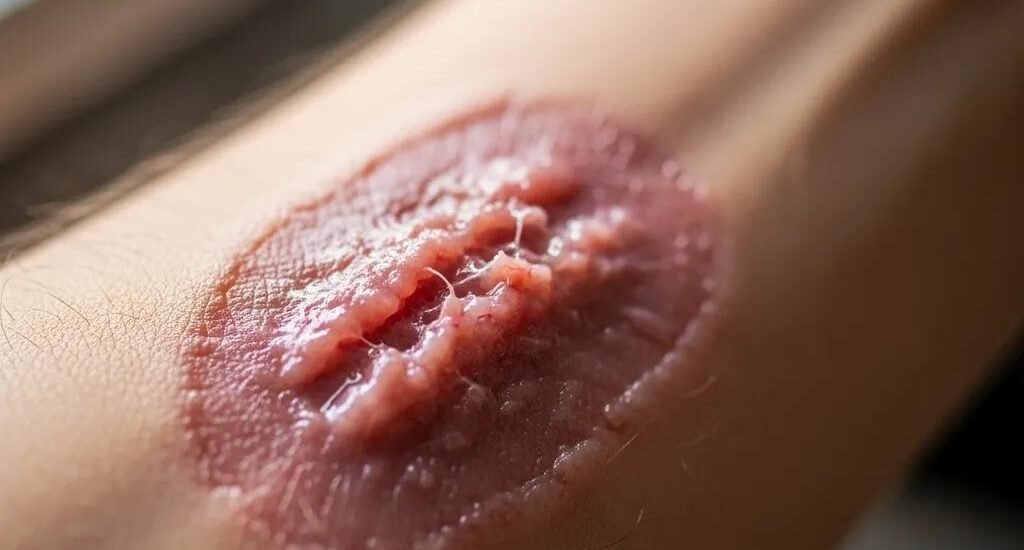
Recognizing Wound Healing: A clear guide to stages and healthy signs
Wound healing is a stepwise biological process made up of distinct stages, each with its own visible and tactile clues. Knowing these signs helps patients and caregivers track recovery and spot problems early. This guide walks through the main healing phases, what healthy healing looks like, how to tell normal progress from infection, and when to contact Healix360 or another clinician for help.
We’ll cover: the key stages of healing, signs of a healthy wound, how to recognize infection, typical timelines for different wound types, the benefits of mobile wound care, and advanced therapies that speed recovery. By the end, you’ll have practical, easy-to-follow cues to monitor healing at home or with a provider.
What are the key stages of wound healing and how do they present?
Healing moves through predictable phases — each driven by different cells and visible signs. Recognizing these stages helps you know whether a wound is on track.
What happens during hemostasis and inflammation?
Hemostasis begins immediately after an injury: blood vessels constrict and platelets form a clot to stop bleeding and protect the wound. Next comes inflammation, which can last several days. Immune cells enter the area to clear debris and fight germs — you’ll often see redness, warmth, swelling and some tenderness. These responses are normal and mean the body is starting repair.
How do proliferation and maturation show healing progress?
The proliferation phase follows inflammation and may last days to weeks. New tissue — called granulation tissue — fills the wound bed. It looks pink or red and is typically moist. Later, during maturation (remodeling), collagen fibers reorganize over months to years, making the repaired tissue stronger and smoother. You’ll often notice scars soften and color fade as maturation proceeds.
What are the signs of healthy wound healing to watch for?
Spotting positive signs helps confirm healing is progressing and that current care is effective.
How does granulation tissue indicate positive healing?
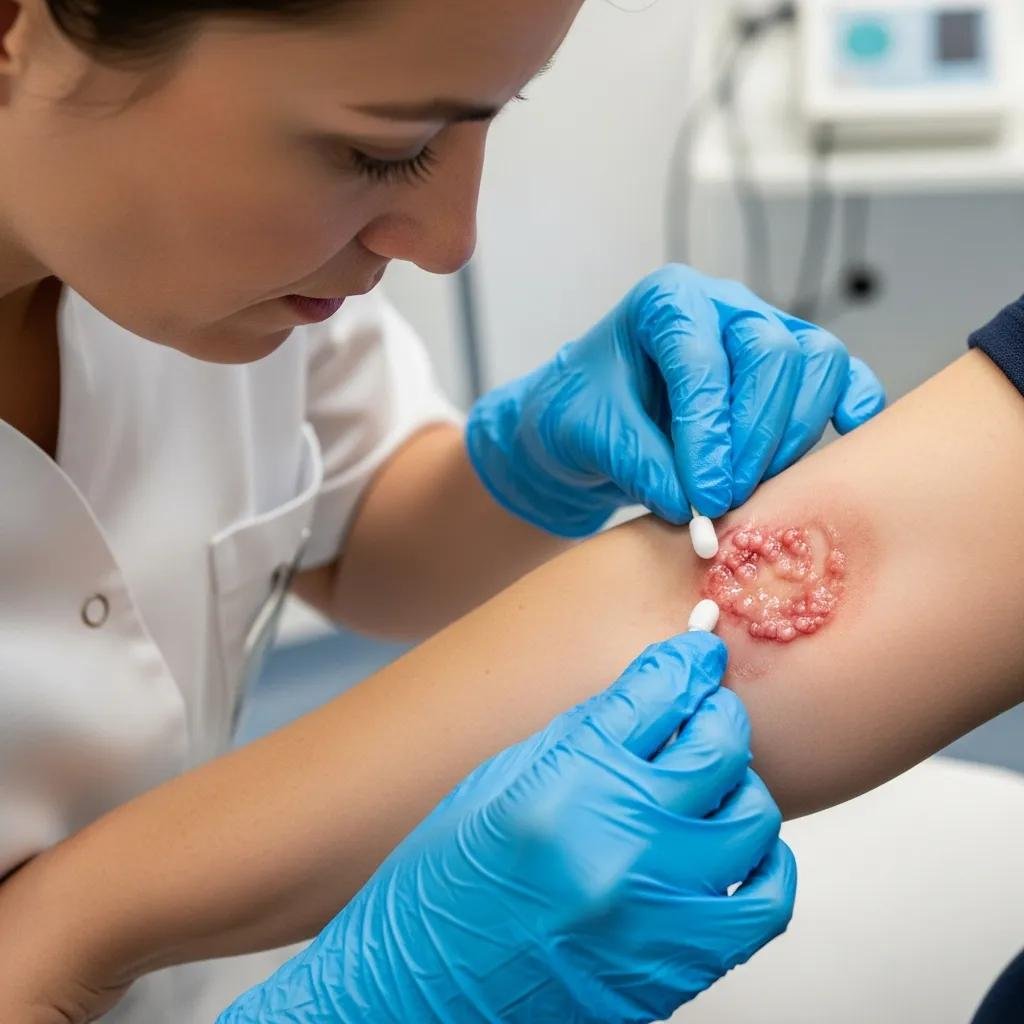
Granulation tissue is one of the clearest signs of recovery. It appears as soft, pink or red tissue that fills the wound bed and signals new blood vessel formation and active repair. Healthy granulation is moist and may bleed slightly when touched — that small amount of bleeding can be normal. Its presence indicates a wound is building the foundation for closure.
What visual and sensory signs show epithelialization and reduced exudate?
Epithelialization is when new skin cells migrate across the wound surface; you’ll see a thin, pink layer of new skin forming at the edges. Another positive sign is reduced exudate (drainage): as a wound heals, drainage usually decreases and becomes clearer. Pay attention to changes in color, thickness, or odor of any drainage — shifts there can signal a problem. Sensory cues such as steadily less pain and tenderness also suggest healing is progressing.
How can you tell if a wound is infected or healing properly?
Telling infection apart from normal healing is critical for timely treatment.
What are the warning signs of wound infection and complications?
Watch for increasing redness, spreading swelling, warmth, or rising pain around the wound. Pus, a strong foul smell, or sloughing tissue are also concerning. Systemic symptoms — fever, chills, or a general feeling of illness — mean you should seek prompt medical attention. Early recognition of these signs helps prevent complications and supports better outcomes.
How do normal healing pain and infection-related pain differ?
Normal healing pain tends to be local and gradually improves. Pain that becomes worse, is sharp or throbbing, or is accompanied by worsening redness, swelling or discharge may indicate infection. When pain increases instead of decreasing over time, consult a healthcare professional for evaluation.
Advanced Wound Treatments: How They Work and What They Look Like
Healing speed varies by wound type, size, depth and the patient’s overall health.
How do acute and chronic wounds differ in duration?
Acute wounds — like surgical incisions or minor cuts — usually close within days to a few weeks, depending on severity. Chronic wounds — such as diabetic foot ulcers, venous stasis ulcers, or pressure injuries — can persist for months or longer because underlying conditions interfere with normal repair. Knowing the difference helps set realistic expectations and guides care plans.
For a concise clinical definition of chronic wounds and examples, read the note below:
Understanding chronic wounds: when healing stalls
A chronic wound is one that fails to move through the normal healing stages within about 4–8 weeks [1]. Common examples include venous stasis ulcers, arterial ulcers, neuropathic ulcers, pressure ulcers, diabetic foot ulcers, and malignancy‑related ulcers.
Telemedicine in chronic wound management: systematic review and meta-analysis, 2020
Which patient factors influence how quickly a wound heals?
Several factors affect healing speed: age, nutritional status, blood flow, and chronic conditions such as diabetes or peripheral vascular disease. Older adults often heal more slowly due to reduced skin elasticity and circulation. Good nutrition — adequate protein plus vitamins A and C — supports collagen production and immune function. Addressing these factors helps caregivers and clinicians optimize recovery.
How does mobile wound care support and enhance healing?
Mobile wound care brings skilled assessment and treatment to the patient’s home, improving access and continuity of care.
What are the benefits of Healix360’s mobile wound care services?
Healix360 mobile wound care teams create individualized plans based on each patient’s needs. Services typically include regular wound assessments, advanced dressings and therapies, and practical education for patients and caregivers. Delivering this care at home improves comfort and adherence, which supports better healing outcomes.
How does regular monitoring and advanced treatment at home improve outcomes?
Frequent, consistent checks let clinicians catch issues early and adjust treatment quickly. Advanced therapies and tailored dressings can be applied in the home setting, reducing disruption for the patient and lowering the risk of complications. Together, skilled monitoring and convenient treatment improve the chances of timely, complete healing.
What advanced treatments speed wound healing and what do they look like?
Several evidence‑based interventions can accelerate repair, especially for complex or chronic wounds.
How do debridement and biologic dressings promote tissue regeneration?
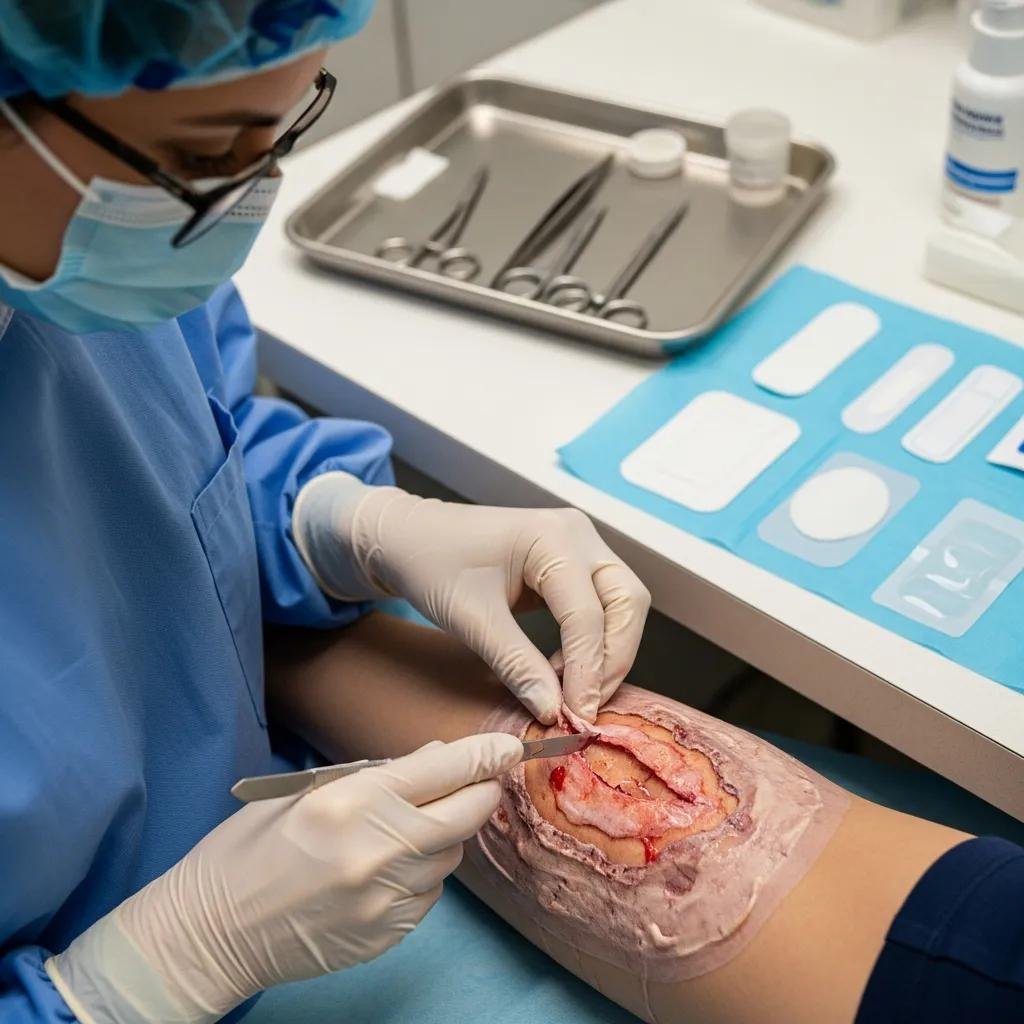
Debridement removes dead or infected tissue to create a clean wound bed, which helps healthy tissue grow. Biologic dressings, made from natural materials, maintain a moist environment and provide a scaffold for cell migration. Together these approaches often speed granulation and epithelialization and reduce infection risk.
What role do negative pressure therapy and regenerative medicine play?
Negative pressure wound therapy (NPWT) uses controlled suction to remove excess fluid, reduce swelling, and encourage blood flow — all of which promote faster closure in complex wounds. Regenerative medicine, including growth factors and cellular therapies, aims to boost the body’s repair mechanisms. Both strategies expand options when standard care alone is not enough.
| Treatment Type | Mechanism | Observable Effects |
|---|---|---|
| Debridement | Removes necrotic or infected tissue to expose healthy tissue | Cleaner wound bed, improved granulation, lower infection risk |
| Biologic Dressings | Maintains a moist, supportive surface for cell growth | Faster epithelialization and shortened healing time |
| Negative Pressure Therapy | Applies suction to reduce edema and stimulate perfusion | Accelerated wound closure and better tissue perfusion |
Integrating these advanced options into a tailored wound care plan can improve healing rates and patient quality of life when used appropriately by trained clinicians.
Frequently Asked Questions
What are common misconceptions about wound healing?
People often assume all wounds heal at the same speed — they don’t. Healing varies by wound type, depth, and the patient’s health. Another common myth is that a wound must be dry to heal; in many cases, a moist, protected environment actually supports faster repair. Clear expectations and guidance from a clinician help avoid these misunderstandings.
How does nutrition impact wound healing?
Nutrition is essential. Protein supports collagen synthesis, while vitamins A and C and minerals support immune function and tissue repair. Poor nutrition delays healing and raises infection risk, so addressing dietary needs is a core part of recovery.
What should I do if my wound is not healing as expected?
If a wound stalls or worsens, seek medical evaluation. Delayed healing can signal infection, poor circulation, uncontrolled blood sugar, or other underlying issues. A clinician can identify the cause and recommend treatments — sometimes advanced therapies or a change in care strategy are needed.
Are there specific wound care products that enhance healing?
Yes. Hydrocolloid dressings keep wounds moist to promote epithelialization. Antimicrobial dressings reduce bioburden for contaminated wounds, and alginate dressings handle high-exudate wounds. The right product depends on wound type and condition; a clinician can recommend the best choice.
How can I care for a wound at home effectively?
Good home care starts with clean hands. Gently cleanse the wound with mild soap and water, apply the recommended dressing, and change it when it becomes wet or soiled. Monitor for increasing redness, swelling, pain, or unusual drainage. If you see concerning signs, contact your clinician promptly.
What role does psychological well-being play in wound healing?
Mental health matters. Stress and anxiety can impair immune responses and slow healing. Patients who receive emotional support and use stress‑reduction strategies often experience better recovery. Simple steps like rest, social support, and relaxation techniques can be beneficial alongside medical care.
Conclusion
Knowing the signs of healthy wound healing helps you make better care decisions and get timely help when needed. Learn the stages, watch for positive signs like pink granulation and reduced drainage, and act quickly if you see warning signs. For personalized guidance or advanced wound care at home, reach out to our specialists — we’re here to help you heal.