

Top Advanced Wound Care Companies and Solutions in 2024
Wound care is a critical aspect of healthcare, focusing on the treatment and management of various types of wounds to promote healing and prevent complications. This comprehensive guide explores the leading advanced wound care companies and their innovative solutions in 2024. Readers will learn about the top players in the market, the products and technologies they offer, and the trends shaping the future of wound care. Many patients struggle with chronic wounds that require specialized care, and understanding the options available can significantly impact healing outcomes. This article will cover the leading companies, their product offerings, home care services, key trends, and factors to consider when choosing a wound care provider.
Which Companies Lead the Advanced Wound Care Market in 2024?
The advanced wound care market is characterized by several key players that dominate the landscape with innovative products and solutions. Understanding these companies is essential for healthcare providers and patients alike.
Profiles of Top Wound Care Companies like Ethicon, 3M, and Smith & Nephew
Ethicon, a subsidiary of Johnson & Johnson, is renowned for its surgical wound care products, including sutures and advanced wound dressings. Their commitment to innovation has positioned them as a leader in the market. 3M is another significant player, offering a wide range of wound care solutions, including hydrocolloid and foam dressings that cater to various wound types. Smith & Nephew is known for its advanced wound management products, including negative pressure wound therapy systems that enhance healing through innovative technology. These companies not only provide high-quality products but also contribute to research and development in wound care, ensuring they remain at the forefront of the industry.
What Products and Technologies Do Wound Care Companies Offer?
Wound care companies provide a diverse array of products and technologies designed to facilitate effective healing and management of wounds.
Overview of Advanced Wound Dressings: Foam, Alginate, Hydrocolloid, and Silver Dressings
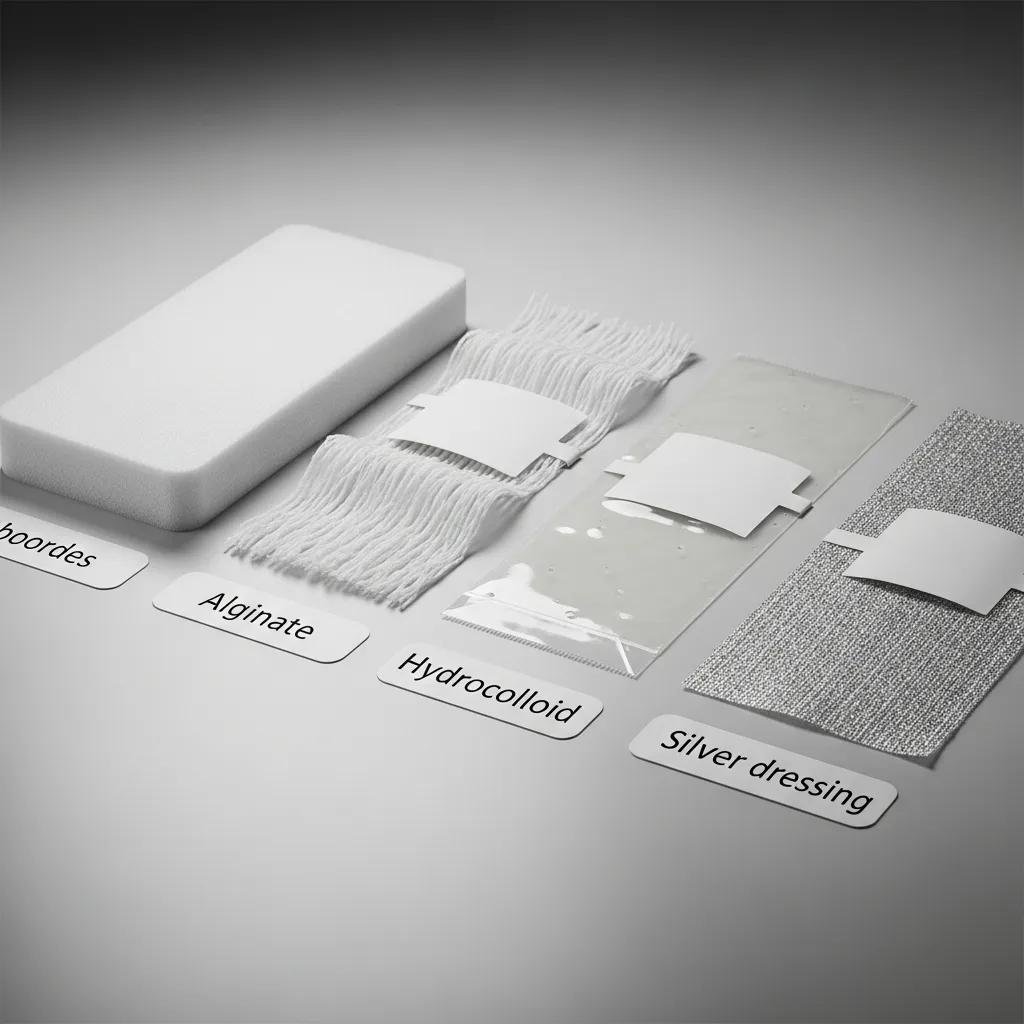
Advanced wound dressings are crucial in promoting healing and preventing infection. Foam dressings are highly absorbent and provide cushioning, making them ideal for moderate to heavily exuding wounds. Alginate dressings, derived from seaweed, are excellent for managing exudate and maintaining a moist wound environment. Hydrocolloid dressings offer a waterproof barrier and are suitable for low to moderate exudate wounds, while silver dressings incorporate antimicrobial properties to combat infection. Each dressing type has specific indications for use, making it essential for healthcare providers to select the appropriate option based on the wound’s characteristics.
Innovations in Negative Pressure Wound Therapy Systems and Biologics
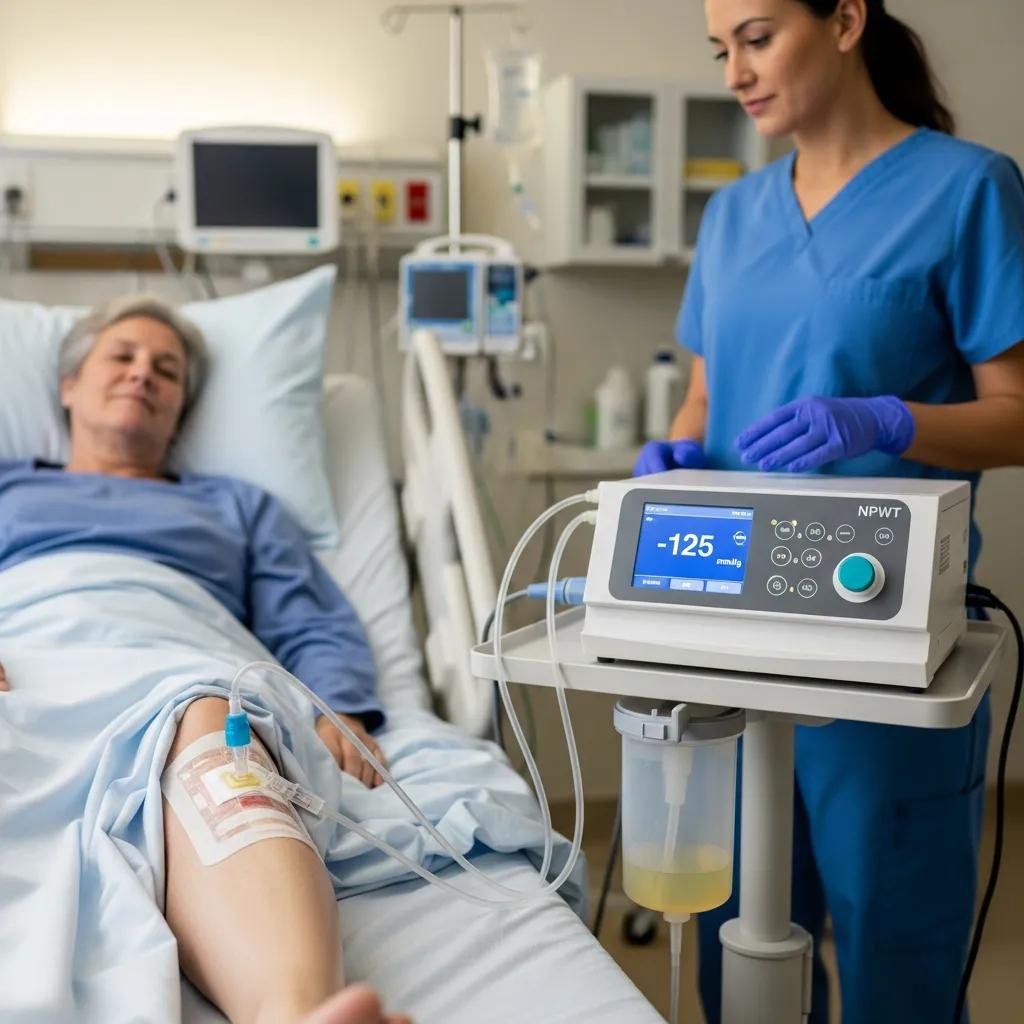
Negative pressure wound therapy (NPWT) systems have revolutionized wound management by applying controlled suction to promote healing. These systems help remove excess fluid and reduce edema, creating an optimal environment for tissue regeneration. Additionally, biologics, such as growth factors and skin substitutes, are gaining traction in wound care. These products enhance the healing process by providing essential nutrients and promoting cellular activity. The integration of NPWT and biologics represents a significant advancement in the field, offering new hope for patients with complex wounds.
How Do Home Wound Care Providers Deliver Services to Patients?
Home wound care providers play a vital role in managing chronic wounds, offering convenience and personalized care to patients in their own environments.
Mobile and Telehealth Wound Care Services Explained
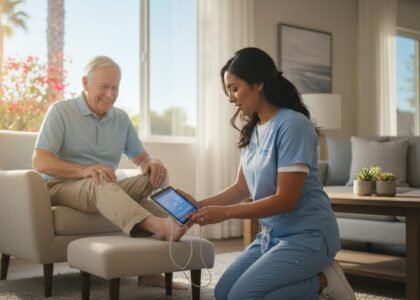
Mobile and telehealth services have transformed the delivery of wound care, allowing healthcare professionals to assess and manage wounds remotely. Through video consultations, providers can evaluate wound conditions, adjust treatment plans, and educate patients on proper care techniques. This approach not only enhances accessibility but also improves patient engagement and satisfaction. Telehealth services are particularly beneficial for patients with mobility issues or those living in remote areas, ensuring they receive timely and effective care.
The growing adoption of telemedicine in wound care is further supported by research highlighting its potential for cost-effective management of chronic wounds.
Telemedicine for Cost-Effective Chronic Wound Management
ABSTRACT: A chronic wound is defined as a break in the skin that failed to progress through a normal sequence of repair in 4-8 weeks [1]. Venous stasis ulcers, arterial ulcers, neuropathic ulcers, pressure ulcers, diabetic foot ulcers, and ulcers due to malignancy are examples of chronic wounds. This has become a great challenge and burden to patients, health care professionals, and the health care systems. There are over 6 million chronic wounds in the United States, which accounts for an estimated US $25 billion annually in the US health care costs [2]. Thus, there is huge pressure on the health care system to develop cost-effective wound management practices.
Telemedicine in chronic wound management: systematic review and meta-analysis, 2020
Benefits of Home-Based Chronic Wound Management
Home-based chronic wound management offers several advantages, including increased comfort and convenience for patients. By receiving care in their familiar surroundings, patients often experience reduced anxiety and improved healing outcomes. Additionally, home care can be more cost-effective than hospital visits, allowing for better resource allocation. Studies have shown that patients managed at home tend to have higher satisfaction rates and better adherence to treatment plans, ultimately leading to improved health outcomes.
What Are the Key Trends Shaping Wound Care Companies in 2024?
The wound care industry is evolving rapidly, influenced by technological advancements and changing patient needs.
Integration of Artificial Intelligence in Wound Assessment and Treatment
Artificial intelligence (AI) is increasingly being integrated into wound assessment and treatment protocols. AI algorithms can analyze wound images to provide accurate assessments, predict healing times, and recommend appropriate treatment options. This technology enhances clinical decision-making and allows for more personalized care plans. As AI continues to develop, its role in wound care is expected to expand, improving patient outcomes and streamlining workflows for healthcare providers.
Rise of Honey-Based and Natural Wound Care Products
There is a growing trend towards the use of honey-based and natural wound care products, driven by consumer demand for holistic and organic solutions. Honey has been shown to possess antimicrobial properties and promote healing, making it an effective option for managing wounds. Natural wound care products often appeal to patients seeking alternatives to conventional treatments, and their popularity is likely to increase as more research supports their efficacy.
How to Choose the Right Wound Care Company for Your Needs?
Selecting the appropriate wound care company is crucial for ensuring effective treatment and optimal healing outcomes.
Factors to Consider: Product Range, Service Models, and Expertise
When choosing a wound care provider, it is essential to consider the range of products they offer. A diverse product portfolio ensures that healthcare providers can select the most suitable options for their patients’ needs. Additionally, evaluating the service models available, such as in-home care or telehealth options, can significantly impact patient satisfaction and outcomes. Finally, the expertise of the provider, including their experience and knowledge in wound management, should be a key consideration in the decision-making process.
Comparing Chronic Wound Management and NPWT Suppliers
When comparing suppliers for chronic wound management and NPWT, it is important to assess their strengths and weaknesses. Factors such as product quality, customer support, and pricing should be evaluated to determine the best fit for specific needs. Conducting thorough research and seeking recommendations from healthcare professionals can aid in making an informed choice. Ultimately, selecting a reliable supplier can enhance the overall effectiveness of wound care management.
What Role Do Nutrition and Preventative Care Play in Wound Healing?
Nutrition and preventative care are critical components of effective wound management, influencing healing outcomes significantly.
Nutritional Strategies Recommended by Wound Care Companies
Wound care companies often recommend specific nutritional strategies to support healing. Key nutrients such as protein, vitamins A and C, and zinc play vital roles in tissue repair and immune function. Ensuring adequate caloric intake and hydration is also essential for optimal healing. Healthcare providers should assess patients’ nutritional status and consider dietary modifications or supplementation to enhance recovery.
Preventative Measures for High-Risk Patients Offered by Providers
Preventative care measures are crucial for high-risk patients, such as those with diabetes or vascular issues. Wound care providers often implement strategies to minimize the risk of wound development, including regular skin assessments, education on proper foot care, and the use of specialized footwear. By addressing risk factors proactively, healthcare providers can significantly reduce the incidence of chronic wounds and improve patient outcomes.
| Dressing Type | Characteristics | Indications for Use |
|---|---|---|
| Foam | Highly absorbent, provides cushioning | Moderate to heavily exuding wounds |
| Alginate | Derived from seaweed, maintains moist environment | Moderate to heavily exuding wounds |
| Hydrocolloid | Waterproof barrier, suitable for low to moderate exudate | Low to moderate exudate wounds |
| Silver | Antimicrobial properties | Infected or at-risk wounds |
This table highlights the various types of advanced wound dressings and their specific applications, emphasizing the importance of selecting the right dressing based on wound characteristics.
| Technology | Benefit | Impact Level |
|---|---|---|
| Negative Pressure Wound Therapy | Promotes healing through suction | High |
| Biologics | Enhances healing with growth factors | High |
| Telehealth Services | Increases accessibility and patient engagement | Medium |
This comparison illustrates the significant advancements in wound care technology, showcasing how these innovations contribute to improved patient outcomes and more effective management strategies.