


Home & Elderly Care, Skilled Nursing & Personal Assistance Guide
Navigating the world of care services can be overwhelming, especially when trying to understand the various options available for individuals and families. This comprehensive guide aims to clarify the different types of care services, including home care, elderly care, skilled nursing, and personal assistance. Readers will learn about the specific services offered, the benefits of each type, and how to choose the right care provider for their needs. Many individuals face challenges in finding suitable care solutions that cater to their unique circumstances. This guide provides valuable insights and practical information to help make informed decisions. We will explore the main types of care services, how they address diverse needs, and the funding options available, along with tips for selecting the right provider.
What Are the Main Types of Care Services Available?
Care services encompass a variety of support options designed to assist individuals in need, particularly the elderly and those with disabilities. The main types of care services include home care, skilled nursing, personal care, and hospice care. Each type serves a specific audience and addresses unique needs, ensuring that individuals receive the appropriate level of support. Understanding these services is crucial for families seeking the best care solutions for their loved ones.
How Does Home Care Support Aging in Place?
Home care plays a vital role in enabling seniors to age in place, allowing them to remain in the comfort of their own homes while receiving necessary assistance. This type of care includes services such as personal care, companionship, and help with daily activities like meal preparation and medication reminders. By providing these essential services, home care supports the independence and well-being of seniors, helping them maintain their quality of life as they age.
Research further supports the economic benefits and feasibility of enabling seniors to remain in their homes through assisted living technologies.
Cost-Effectiveness of Aging in Place & Assisted Living Technologies
To systematically review cost, cost-minimization and cost-effectiveness studies for assisted living technologies (ALTs) that specifically enable older people to ‘age in place’ and highlight what further research is needed to inform decisions regarding aging in place.
Can aging in place be cost effective?
A systematic review, P McMeekin, 2014
What Specialized Services Are Included in Skilled Nursing Care?

Skilled nursing care offers specialized medical services provided by licensed professionals, such as registered nurses and nurse practitioners. This type of care includes wound care, medication administration, physical therapy, and monitoring of chronic conditions. Skilled nursing is essential for individuals recovering from surgery or managing complex health issues, ensuring they receive the medical attention required for optimal recovery and health maintenance.
How Do Elderly Care Services Address Diverse Needs?
Elderly care services are designed to cater to the diverse needs of older adults, recognizing that each individual may require different types of support. These services can range from assistance with daily living activities to specialized memory care for those with cognitive impairments. By tailoring services to meet the unique needs of each individual, elderly care providers can enhance the quality of life for seniors and their families.
What Options Exist for Memory and Assisted Living Care?
Memory care and assisted living are two distinct options within elderly care services. Memory care facilities specialize in providing support for individuals with Alzheimer’s disease and other forms of dementia, offering secure environments and trained staff to ensure safety and well-being. Assisted living, on the other hand, provides a more general level of support for seniors who may need help with daily activities but do not require the intensive medical care offered in memory care settings. Both options aim to enhance the quality of life for seniors while promoting independence.
How Do Adult Day Care and Independent Living Differ?
Adult day care and independent living are two alternatives for seniors seeking support. Adult day care provides a structured environment during the day, offering social activities, meals, and supervision for seniors who may be alone at home. This service allows caregivers to work or attend to other responsibilities while ensuring their loved ones are cared for. Independent living, however, is designed for seniors who can live independently but may benefit from community support and social engagement. Understanding the differences between these options can help families choose the best fit for their loved ones.
What Should You Know About Personal Care Assistance?
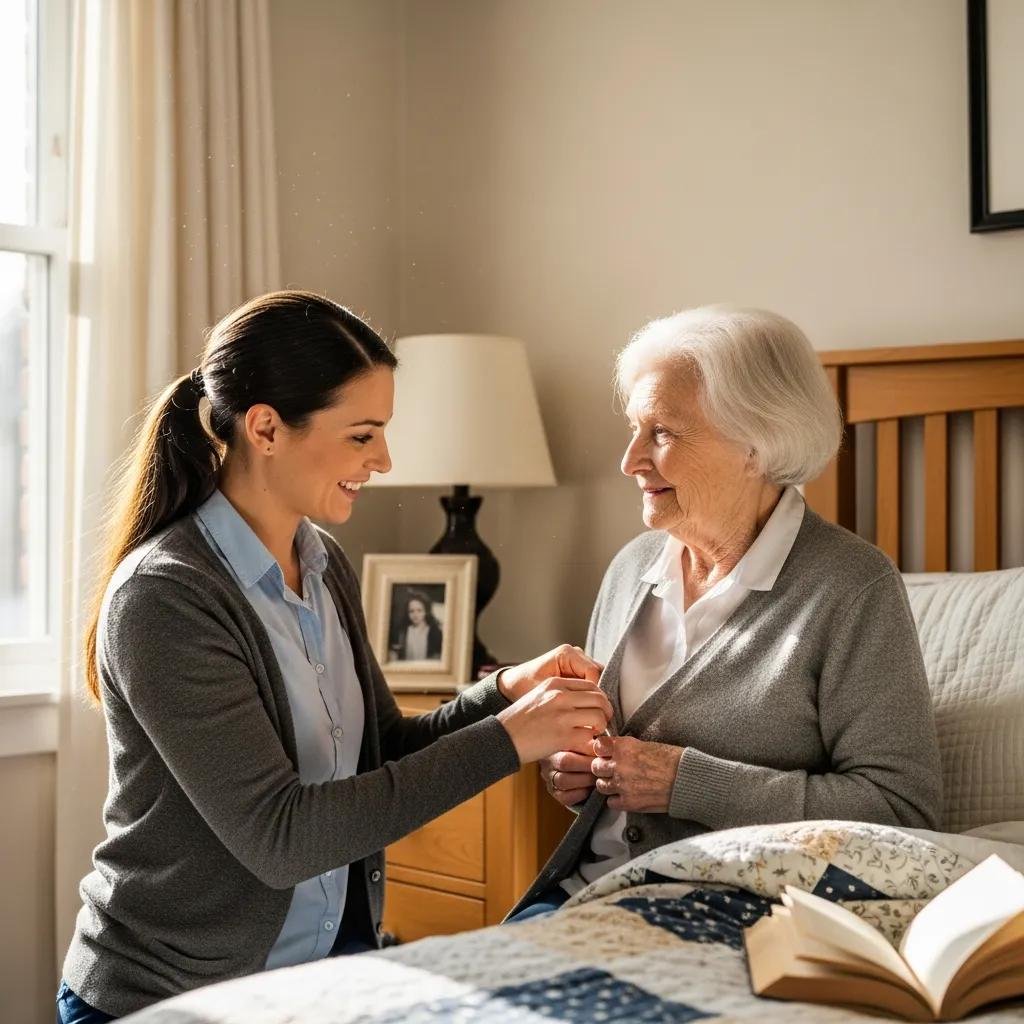
Personal care assistance focuses on helping individuals with daily living activities, such as bathing, dressing, grooming, and meal preparation. This type of care is essential for those who may struggle with these tasks due to age, illness, or disability. Personal care assistants provide compassionate support, ensuring that individuals maintain their dignity and independence while receiving the help they need.
Which Daily Living Activities Are Supported by Personal Care?
Personal care assistance covers a range of daily living activities, including:
- Bathing and Hygiene: Ensuring individuals maintain personal cleanliness and hygiene.
- Dressing: Assisting with selecting and putting on appropriate clothing.
- Meal Preparation: Preparing nutritious meals tailored to dietary needs.
- Mobility Assistance: Helping individuals move safely around their homes.
How Do Caregivers Provide Emotional and Behavioral Health Support?
Caregivers play a significant role in providing emotional and behavioral health support to individuals in their care. They offer companionship, engage in meaningful conversations, and provide encouragement to promote mental well-being. Caregivers are trained to recognize signs of emotional distress and can implement strategies to help individuals cope with anxiety, depression, or other mental health challenges. This holistic approach to care ensures that both physical and emotional needs are addressed.
How Is Skilled Nursing Care Delivered in Home and Facility Settings?
Skilled nursing care can be delivered in various settings, including patients’ homes and specialized facilities. In-home skilled nursing allows individuals to receive medical care in a familiar environment, promoting comfort and reducing the stress associated with hospital visits. Facility-based skilled nursing care provides a structured environment with 24/7 medical support, ideal for individuals with complex health needs requiring constant monitoring.
What Medical and Therapeutic Services Are Included?
Skilled nursing care encompasses a variety of medical and therapeutic services, including:
- Wound Care: Management of surgical or chronic wounds to promote healing.
- Medication Management: Administration and monitoring of prescribed medications.
- Physical Therapy: Rehabilitation services to improve mobility and strength.
- Nutritional Support: Dietary planning and assistance for individuals with specific health conditions.
Who Qualifies for Skilled Nursing Care and How Is Eligibility Determined?
Eligibility for skilled nursing care is typically determined by a healthcare professional based on the individual’s medical condition and care needs. Factors considered include the complexity of the medical issues, the need for ongoing monitoring, and the ability to perform daily activities independently. Individuals recovering from surgery, managing chronic illnesses, or requiring rehabilitation services often qualify for skilled nursing care.
What Funding and Eligibility Options Exist for Care Services?
Understanding funding and eligibility options for care services is crucial for families seeking support. Various programs and insurance options can help cover the costs associated with home care, skilled nursing, and personal assistance.
How Do Medicare and Medicaid Cover Home Health and Skilled Nursing?
Medicare and Medicaid provide coverage for certain home health and skilled nursing services, depending on eligibility criteria. Medicare typically covers skilled nursing care following a hospital stay of at least 3 days and requires that the care be medically necessary and ordered by a doctor. Medicaid may offer broader coverage for low-income individuals, including home care services, but coverage varies by state. Understanding the specifics of these programs can help families navigate the financial aspects of care.
The establishment of programs like Medicare and Medicaid was a significant legislative effort to address the healthcare needs of the elderly and low-income populations.
Understanding Medicare & Medicaid for Care Services
Congress also perceived that aged individuals, like the needy, required improved access to medical care. Views differed, however, regarding the best method for achieving this goal. Pertinent legislative proposals in the 1950s and early 1960s reflected widely different approaches.
Overview of the Medicare and Medicaid programs, 2000
What Private Insurance and Veterans Benefits Support Care Funding?
In addition to government programs, private insurance plans and veterans benefits can also assist with funding care services. Many private insurance policies offer coverage for home care and skilled nursing services, while veterans may qualify for additional benefits through the Department of Veterans Affairs. Exploring these options can provide families with the financial support they need to access quality care.
How Can You Choose the Right Care Provider for Your Needs?
Selecting the right care provider is a critical decision that can significantly impact the quality of care received. Families should consider various factors when evaluating potential providers to ensure they meet their specific needs.
What Are Key Quality Indicators and Regulatory Considerations?
When choosing a care provider, it is essential to assess key quality indicators, such as staff qualifications, facility accreditation, and patient satisfaction ratings. Regulatory considerations, including state licensing and compliance with health and safety standards, also play a crucial role in ensuring the quality of care. Families should research and ask questions to ensure they select a reputable provider.
Developing clear, consumer-oriented metrics is crucial for empowering individuals to make informed decisions when selecting healthcare providers.
Choosing Care Providers: Quality, Cost, and Consumer Metrics
A synergistic approach to creating quantitative accountability in medical service delivery is through the creation of consumer-oriented performance metrics which provide patients with objective data related to individual service provider quality, safety, cost-efficacy, efficiency, and customer service. These performance metrics could in turn be customized to the individual preferences and health care needs of each individual patient, thereby providing an objective methodology for service provider selection while empowering health care consumers.
Transforming health care service delivery and provider selection, 2011
How Do Care Assessments and Provider Checklists Guide Selection?
Care assessments and provider checklists can help families evaluate potential care providers systematically. These tools typically include criteria such as service offerings, staff qualifications, and facility conditions. By using these resources, families can make informed decisions and select a provider that aligns with their care needs and preferences.
| Funding Source | Coverage Type | Eligibility Criteria |
|---|---|---|
| Medicare | Skilled Nursing | Hospital stay of 3 days or more, medically necessary care ordered by a doctor |
| Medicaid | Home Health | Low-income individuals, state-specific eligibility and coverage |
| Private Insurance | Varies by plan | Depends on individual policy terms |
Care services are essential for supporting individuals in need, particularly the elderly and those with disabilities. By understanding the different types of care available, families can make informed decisions that enhance the quality of life for their loved ones.