

Advanced Wound Care: Expert Mobile and Regenerative Treatments for Chronic Wounds
Advanced wound care blends focused clinical assessment, targeted therapies, and regular monitoring to help chronic wounds close safely and lower complication risk. This guide explains how regenerative approaches and mobile wound care work together to improve outcomes, what patients and caregivers should expect, and practical steps to support healing at home. You’ll find which chronic wounds often need advanced interventions, plain-language explanations of debridement, biologic dressings, negative pressure wound therapy, and regenerative options like stem cell therapy and amniotic membrane grafts. We also outline a typical mobile-care patient journey—from scheduling to weekly follow-ups—and offer caregiver-centered checklists to reduce infection risk and manage mobility. Throughout, we emphasize realistic healing timelines, red flags that require escalation, and how mobile delivery improves adherence and comfort. Key phrases covered include advanced wound care, mobile wound care, regenerative wound healing at home, and chronic wound healing timelines.
What Is Advanced Wound Care and How Does Mobile Treatment Improve Healing?
Advanced wound care is a structured clinical approach that uses specialized procedures and regenerative therapies to promote tissue repair, lower infection risk, and accelerate wound closure. These interventions address biological barriers to healing—removing nonviable tissue, providing scaffolds or grafts for new tissue, and controlling the wound environment with negative pressure devices—so regeneration can proceed. Mobile treatment brings these capabilities to a patient’s home or a nearby community site, improving access, cutting travel-related delays, and reducing exposure to facility-acquired infections while supporting consistent follow-up. Early access to advanced care through mobile delivery often prevents deterioration that might otherwise need hospitalization or surgical escalation. The sections that follow define core modalities, identify the conditions that benefit most, and explain what to expect during mobile visits so patients and caregivers can make informed choices.
What defines advanced wound care and regenerative wound healing?
Advanced wound care goes beyond basic dressings and routine cleaning. It includes debridement to remove dead tissue, biologic dressings that act as scaffolds, negative pressure wound therapy (NPWT) to manage exudate and stimulate perfusion, and regenerative options that actively support tissue regrowth. Regenerative wound healing aims to restore normal tissue using cellular support, growth factors, or graft materials that reduce inflammation and encourage new blood vessel formation. Combined, these approaches lower microbial burden, re-establish healthy tissue margins, and shorten time to durable closure. Knowing how these tools work helps patients understand why simple dressings sometimes fail and when escalation to advanced care is appropriate.
How does mobile wound care provide convenience and accessibility?

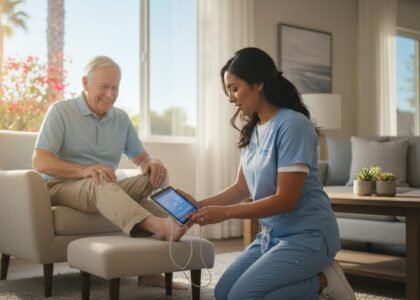
Mobile wound care delivers the capabilities of advanced wound treatment directly to patients in their homes or nearby community settings, easing travel burdens and improving appointment adherence for people with limited mobility. Mobile visits typically include assessment, cleansing and debridement when indicated, application of advanced dressings or grafts, and caregiver instruction for at-home maintenance. Delivering care in a familiar environment can reduce anxiety, support wound hygiene between visits, and let clinicians evaluate home risk factors like pressure points or inappropriate footwear. While many advanced therapies can be provided at home, clinicians escalate care to clinic or hospital settings when wound complexity, imaging requirements, or surgical needs exceed safe in-home options.
Which Chronic Wounds Can Benefit from Advanced Mobile Wound Care?
Several types of chronic wounds commonly need advanced therapies because they result from ongoing tissue breakdown, poor circulation, or impaired cellular repair; mobile services are often well suited for ongoing management and follow-up. Wounds that frequently benefit include diabetic foot ulcers, venous leg ulcers, pressure injuries, arterial wounds, non-healing post-surgical incisions, traumatic wounds, burn wounds, and infected or stalled ulcers that haven’t responded to standard care. Each wound type has distinct drivers—neuropathy and ischemia in diabetic foot ulcers, venous hypertension in leg ulcers, or sustained pressure and shear in pressure injuries—that shape the therapeutic plan. Recognizing these underlying causes helps clinicians customize regenerative methods, compression, offloading, or NPWT for each patient’s mobile care plan.
What are the symptoms and causes of diabetic foot ulcers?
Diabetic foot ulcers most often result from a combination of peripheral neuropathy, which reduces protective sensation, and impaired circulation, which limits tissue repair and infection clearance. Early signs include skin breakdown, persistent drainage, localized redness or warmth, and callus formation. Because neuropathy dulls pain, many patients discover wounds later than ideal. Diabetic ulcers are at higher risk for infection and deeper tissue involvement, so timely specialist assessment is essential. Mobile advanced wound care can provide regular debridement, apply regenerative grafts or biologic dressings, and coordinate offloading strategies to reduce pressure—actions aimed at preventing deterioration and supporting steady closure.
How are venous leg ulcers and pressure sores treated at home?
Venous leg ulcers heal best when venous hypertension is addressed and tissue repair is supported—typically with graduated compression, limb elevation, and dressings that manage exudate while promoting a moist healing environment. Pressure sores require pressure redistribution, frequent repositioning, offloading devices, and skin protection to stop further breakdown; chronic cases may include biologic dressings, NPWT, or grafting to stimulate closure. In-home care by trained wound specialists includes caregiver education on safe compression application, dressing technique, and infection monitoring, with clear escalation plans if healing stalls or infection appears.
What Advanced Regenerative Treatments Does Healix360 Offer for Chronic Wounds?
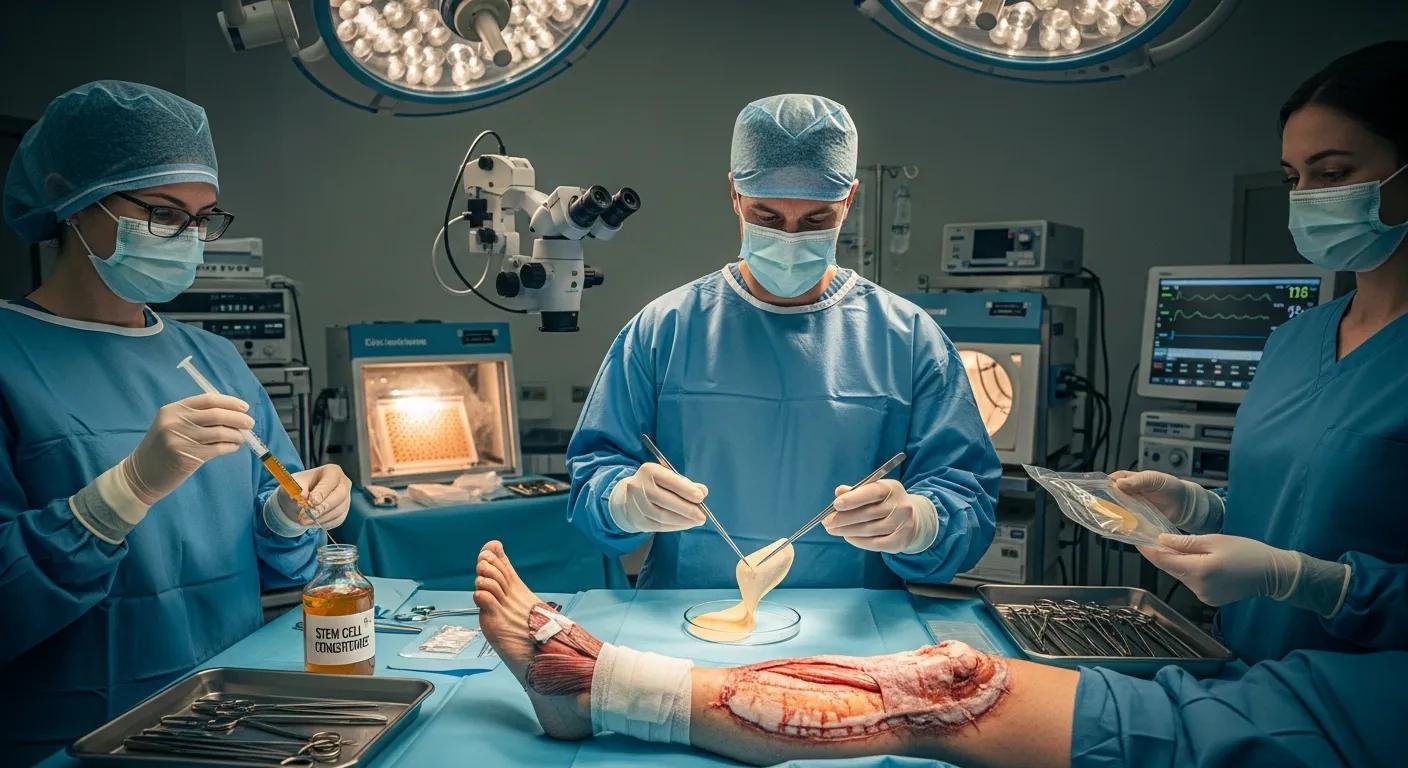
Advanced regenerative treatments support the body’s repair processes by supplying biologically active materials, cellular support, or mechanical environments that encourage tissue formation and reduce inflammation. Common regenerative options include stem cell therapies that modulate inflammation and promote tissue formation, amniotic membrane grafts that provide extracellular matrix and growth factors, biologic dressings that protect and support cell ingrowth, and NPWT to optimize wound-bed conditions. Clinicians choose therapies based on wound anatomy, presence of infection, and prior response to treatment. For patients who prefer in-home delivery, Healix360 Advanced Mobile Wound Care Specialists integrates these regenerative options into coordinated mobile plans.
Introductory table: a concise comparison of regenerative options, how they work, and expected timelines before we cover patient expectations and monitoring.
| Treatment | Mechanism | Typical Timeline |
|---|---|---|
| Stem cell therapy | Modulates inflammation and supports tissue regeneration through paracrine signaling | Noticeable changes in the wound environment within 2–6 weeks; time to closure varies with wound severity |
| Amniotic membrane graft | Provides extracellular matrix, growth factors, and anti-inflammatory proteins to aid cell migration | Graft incorporation is often assessed at 1–3 weeks; multilayer applications may span months |
| Biologic dressings | Act as a temporary scaffold and barrier while supporting granulation tissue | Dressing changes typically weekly to biweekly; granulation usually visible within 2–4 weeks |
| NPWT (negative pressure) | Removes excess exudate, reduces edema, and stimulates perfusion and granulation | Commonly used for 1–6 weeks depending on response; requires regular monitoring |
This comparison highlights that regenerative choices differ by mechanism and monitoring cadence; clinicians tailor timing to wound response and patient factors.
How does stem cell therapy accelerate wound healing?
Stem cell therapies for chronic wounds act mainly through paracrine signaling—releasing growth factors and cytokines that reduce inflammation, recruit native repair cells, and encourage new blood vessel growth—rather than becoming permanent graft tissue. This shifts the wound environment from chronic inflammation toward one that supports granulation and epithelialization, aiding closure. Patients usually receive an initial application followed by close monitoring to assess reduced exudate, improved tissue quality, and wound-size reduction; follow-ups are often weekly to adjust adjunctive care. Insurance coverage and eligibility vary, and clinicians help coordinate payer communication when needed.
What are amniotic membrane grafts and their role in wound repair?
Amniotic membrane grafts come from placental membrane and serve as biologic scaffolds rich in extracellular matrix proteins and growth factors that support cell migration and reduce inflammation. Clinically, grafts are placed on a prepared wound bed after appropriate debridement, secured with dressings, and monitored for integration and signs of infection; many patients notice improved granulation in the first few weeks. Per current payer guidance, many advanced grafts may be covered under Medicare Part B when clinically indicated, which can lower out-of-pocket costs for eligible patients. Clinicians decide between single or serial grafts based on wound response and care goals.
How Does the Mobile Wound Care Process Work from Scheduling to Healing?
A clear mobile wound care pathway ensures timely assessment, the right treatment choices, and consistent follow-up to track healing and adjust therapies. Typical steps include scheduling an initial visit where intake history and recent wound information are collected, an in-home assessment and treatment that may include debridement and application of advanced dressings or grafts, and scheduled weekly follow-ups to measure progress, manage dressings, and educate caregivers. At each visit we record wound length, width, depth, photographic documentation, and exudate characteristics to build an objective healing trajectory. The table below outlines common journey elements, expected wait times, and how to prepare for appointments.
| Journey Phase | What Happens | What to Prepare |
|---|---|---|
| Scheduling | Intake and triage determine urgency; appointment set for an in-home visit | Have recent wound photos, a medication list, and caregiver availability |
| Initial Visit | Comprehensive assessment, cleansing, debridement if needed, and a treatment plan | Clear the area around the wound, provide accessible seating, and have mobility aids ready |
| Follow-up Visits | Weekly reassessments, dressing changes, measurements, documentation, and therapy adjustments | Keep the wound area clean and maintain any wound log as instructed |
| Escalation/Referral | Criteria-based referral to clinic or hospital for imaging or surgical needs | Arrange transportation if escalation is needed and provide PCP contact details |
- Step 1: Schedule and triage — we collect initial details to prioritize urgent needs and set an appointment.
- Step 2: Assessment and treatment — the clinician evaluates perfusion, infection signs, and tissue viability, then performs debridement and applies chosen therapies.
- Step 3: Weekly follow-up — objective measurements and photos guide therapy adjustments and decisions to escalate care.
- Step 4: Rehabilitation and maintenance — as wounds improve, focus shifts to preventing recurrence through offloading, compression, or skin care.
These steps provide a concise, easy-to-reference process for patients and caregivers. The next section explains what to expect during visits and how monitoring typically works.
What should patients expect during mobile wound care visits?
During a mobile visit, the clinician takes a focused history and performs a physical assessment, documents wound measurements and photos, and prepares the wound bed with cleansing and debridement when indicated. The team then applies the chosen dressing, biologic graft, or NPWT device, provides caregiver education for at-home care, and documents the encounter for coordination with the patient’s primary clinician. Visits usually last 30–60 minutes depending on complexity. Clinicians follow infection-control protocols to protect patients and household members. Preparing a clean workspace and having mobility aids accessible helps the visit proceed safely and efficiently.
How are healing timelines and follow-ups managed in mobile care?
We track healing using objective metrics—wound dimensions, percent area reduction over time, exudate character, and tissue quality—documented at each weekly visit to assess progress toward closure. Timelines vary by treatment: superficial wounds with standard care may show measurable improvement in 2–4 weeks, while deeper chronic wounds treated with regenerative grafts or stem cell therapies often require multiple applications and several weeks to months for durable closure. Clinicians use defined thresholds—such as stalled percent area reduction at a given interval—as triggers to escalate care, add adjunctive therapies, or order further imaging. Clear documentation and communication with primary care providers ensure continuity and shared decision-making.
When you’re ready, contact Healix360 Advanced Mobile Wound Care Specialists to discuss scheduling and whether mobile advanced wound care is appropriate for your situation.
How Can Patients and Caregivers Support Effective Advanced Wound Care at Home?
Patients and caregivers are essential to healing. Keeping a clean environment, following dressing instructions, supporting offloading or compression regimens, and tracking changes for clinicians create conditions that let regenerative therapies work. Daily routines—gentle inspection, noting drainage or odor changes, and following nutrition and glucose-control guidance for people with diabetes—make a measurable difference. Simple communication templates and wound logs help caregivers report progress or concerns clearly during weekly visits. The checklist below gives practical steps to align daily care with clinician-led treatments.
Caregiver checklist introduction: use this list to standardize daily monitoring and keep weekly clinician communication concise and actionable.
- Inspect and Document Daily: Check for increased redness, swelling, drainage changes, or new pain and record findings in a wound log.
- Maintain Dressing Protocols: Follow clinician instructions for keeping dressings dry, secure, and changed only as directed to avoid contamination.
- Support Offloading and Mobility: Use pressure-redistribution devices or prescribed footwear consistently and assist with safe transfers when needed.
- Manage Comfort and Hygiene: Report pain levels to clinicians and keep surrounding skin clean using gentle, clinician-approved products.
Caregivers who follow this checklist often find that consistent documentation and timely reporting speed clinician response when issues arise and support better healing trajectories.
What are common concerns about pain, infection, and mobility during wound care?
Pain, infection risk, and mobility limitations are common concerns that require proactive management. Clinicians address pain through positioning, topical measures, pacing activities, and—when appropriate—coordination with prescribing providers for medications. Infection red flags include increased drainage, foul odor, spreading redness, fever, or sudden worsening pain; these signs require prompt contact with the care team or escalation. Mobility adaptations focus on safe transfers, pressure reduction, and using assistive devices to prevent repetitive trauma. Open communication with the mobile wound care team ensures timely adjustments to pain control, antibiotic coordination if needed, or referral for imaging or surgical consultation.
How can caregivers assist with treatment plans and wound management?
Caregivers assist by carrying out scripted dressing support under clinician direction, keeping a daily wound log with measurements and photos, and using simple communication templates to report changes—date, observed change, symptom severity, and any care steps taken. They should ensure supplies are available for scheduled visits, practice infection-control measures like hand hygiene before and after dressing changes, and implement prevention strategies such as pressure redistribution. These actions reduce complications, strengthen treatment adherence, and let clinicians make data-driven adjustments during weekly follow-ups.
What Are the Benefits and Outcomes of Advanced Mobile Wound Care?
Advanced mobile wound care pairs specialized therapies with in-home delivery to improve healing rates, lower infection-related complications, and increase patient comfort and adherence. Regenerative therapies provide scaffolds and growth factors that encourage granulation and epithelialization, NPWT optimizes wound-bed physiology, and timely debridement removes barriers to repair. Mobile delivery increases access to these interventions and supports reliable monitoring. Reported benefits include higher closure rates, fewer hospital transfers for wound-related complications, and lower infection rates when advanced grafts and consistent follow-up are used. Additionally, many advanced grafts may be eligible for Medicare Part B coverage, which can reduce out-of-pocket costs for eligible patients.
Outcome comparison table: a concise summary of expected improvements and complication reductions across treatment types.
| Treatment Type | Expected Improvement | Typical Complication Reduction |
|---|---|---|
| Regenerative grafts (amniotic) | Improved granulation and earlier epithelialization | Lower chronic inflammation and reduced infection risk |
| Stem cell therapies | Modulated inflammation and better tissue quality | Reduced likelihood that stalled wounds progress to surgery |
| NPWT | Increased granulation and reduced edema | Fewer frequent dressing changes and exudate-related complications |
- Faster Closure Rates: Advanced modalities remove biological impediments and encourage tissue growth, often shortening time to closure for chronic wounds.
- Reduced Infection and Hospitalization: Early specialist intervention and steady follow-up can prevent deterioration that leads to inpatient care.
- Improved Patient Comfort and Adherence: Mobile delivery reduces travel burden and supports more consistent appointments, which improves overall treatment adherence.
Combined, these benefits deliver practical value for patients and caregivers, though clinicians set measured expectations and tailor plans to each person.
How does advanced wound care reduce complications and improve healing speed?
Advanced wound care reduces complications by treating the root causes that keep wounds chronic—biofilm, necrotic tissue, persistent inflammation, and poor perfusion—using targeted debridement, regenerative scaffolds, and environment-control devices like NPWT. These interventions lower bacterial load, stimulate granulation, and support epithelial migration, which together accelerate measurable wound-area reduction. Data-driven follow-up, including weekly measurements and photographic tracking, helps clinicians spot inadequate progress early and adjust the plan, reducing the chance of infection-related escalation. While results vary with comorbidities, combining modalities with consistent monitoring generally yields better healing trajectories than basic care alone.
What patient success stories demonstrate the effectiveness of mobile wound care?
Short anonymized examples show how coordinated mobile and regenerative care can change outcomes: a patient with a chronic diabetic foot ulcer received weekly debridement, offloading, and serial amniotic membrane grafts, achieving steady granulation within weeks and closure over several months while avoiding hospitalization. Another patient with a venous leg ulcer used compression plus targeted biologic dressings and intermittent NPWT, with measurable area reduction each month and eventual epithelialization. These stories illustrate that combining appropriate advanced therapies with regular mobile follow-up can improve healing timelines and patient experience, though individual responses depend on overall health and adherence.
This guide has covered mechanisms, conditions, treatments, care process, caregiver actions, and outcomes related to advanced mobile wound care to help patients and caregivers consider regenerative options and in-home specialist services.
Frequently Asked Questions
What should I do if my wound shows signs of infection?
If you notice increased redness, swelling, warmth, foul-smelling drainage, or other signs of infection, contact your mobile wound care team right away. Early intervention helps prevent complications. Your clinician may adjust dressings, recommend antibiotics, or arrange escalation as needed. Keeping a clear log of changes helps your clinician make informed decisions at follow-up.
How can I manage pain associated with my chronic wound?
Managing pain is important for comfort and healing. Strategies include positioning, topical analgesics when advised, pacing activities, and clear communication with your care team about pain levels. The mobile wound care team will work with you to tailor pain management and monitor effectiveness throughout treatment.
What role do caregivers play in the wound healing process?
Caregivers are central to successful healing. They help with daily care routines, monitor for changes, follow dressing protocols, and document observations for the clinical team. Timely, clear communication with the mobile wound care team enables better treatment adjustments and supports safer outcomes.
How often should I expect follow-up visits for my wound care?
Follow-ups typically occur weekly, but frequency depends on wound complexity and healing progress. During these visits clinicians reassess the wound, document changes, and update the treatment plan as needed. Your clinician will recommend a follow-up schedule tailored to your specific situation.
Are there any lifestyle changes I should consider to support wound healing?
Yes. A balanced diet rich in protein and essential nutrients supports tissue repair. For people with diabetes, good blood-glucose control is critical. Staying hydrated, avoiding smoking, and engaging in safe physical activity to boost circulation also help. Review any lifestyle changes with your healthcare provider to ensure they fit your treatment plan.
What should I prepare for my mobile wound care visit?
Prepare by clearing the area around the wound for easy access and having mobility aids available if needed. Bring recent wound photos, a list of medications, and any questions or concerns written down. This preparation lets the clinician focus on assessment and treatment, making the visit more efficient.
Conclusion
Advanced mobile wound care offers a patient-centered way to treat chronic wounds—combining specialized therapies with the convenience of home delivery. This approach improves comfort, supports better healing rates, and reduces complication risk. Working with mobile wound care specialists lets patients access tailored treatments that fit their lives and goals. Contact us to learn how our services can make a real difference in your wound care journey.