
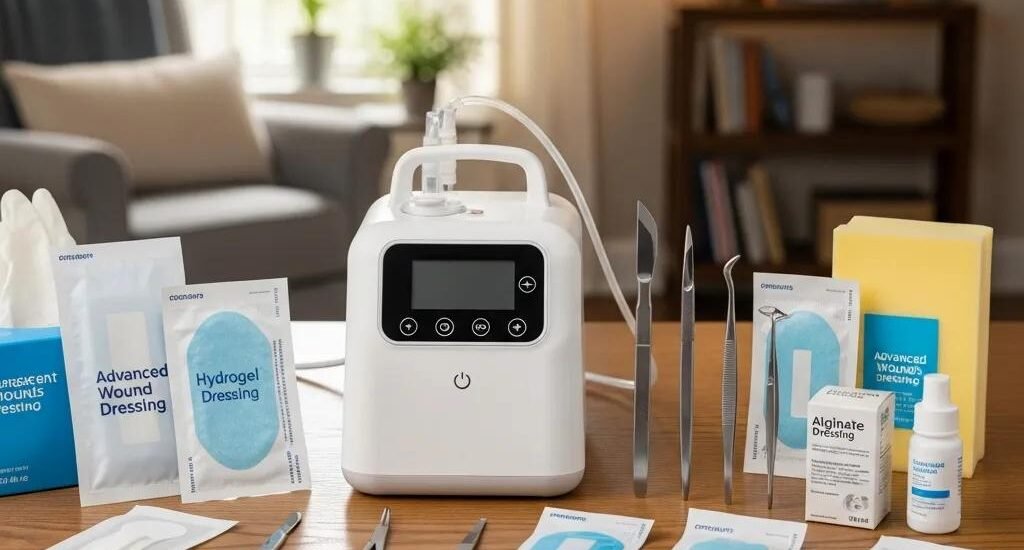
Advanced Wound Care Equipment for Mobile Services: Practical Guide to Portable & Regenerative Solutions for Healing at Home
Advanced wound care equipment makes a real difference for people receiving care at home. This guide explains the main types of mobile wound-care tools, how they work, and the benefits they offer patients with chronic wounds. As at-home care grows, understanding these technologies helps clinicians, caregivers, and patients choose treatments that speed recovery, reduce complications, and improve daily life. Below we walk through key devices, monitoring tools, and the patient-centered advantages they provide.
What Are the Key Types of Advanced Mobile Wound Care Equipment?
Mobile wound care relies on a range of purpose-built tools: portable negative pressure wound therapy (NPWT) systems, handheld debridement instruments, advanced dressings, and biologic or regenerative products. Each item plays a defined role in wound management — from removing nonviable tissue to protecting the wound bed and stimulating tissue repair — helping clinicians deliver effective care outside the clinic.
How Do Portable Negative Pressure Wound Therapy Devices Work?
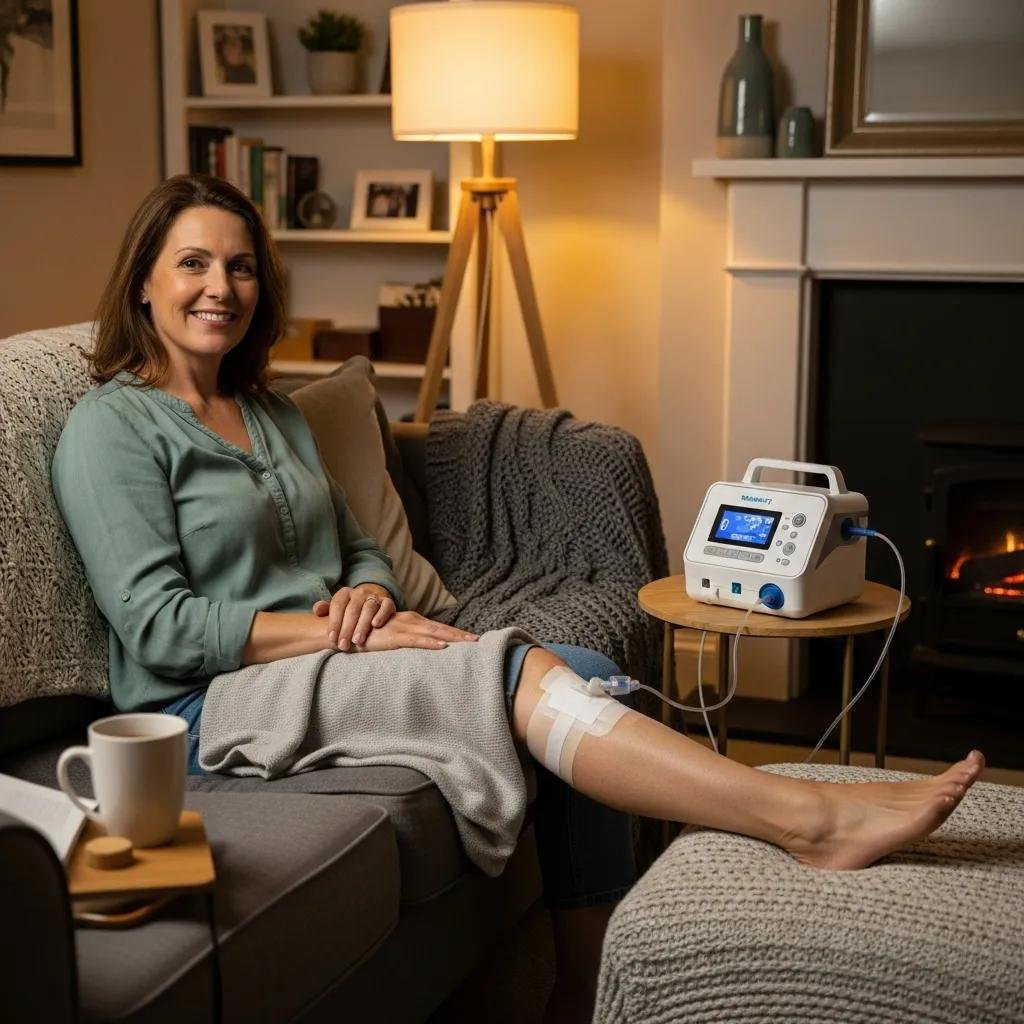
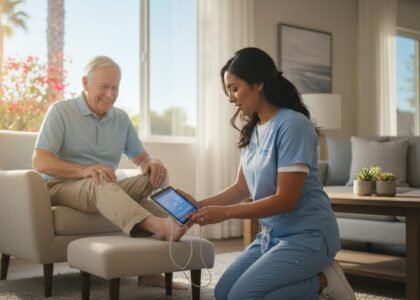
Portable NPWT systems apply controlled suction over the wound to remove excess fluid, lower local swelling, and support blood flow. That negative pressure also helps form healthy granulation tissue and can speed wound closure. Because many NPWT devices are compact and battery-operated, patients often continue treatment at home with fewer clinic visits and greater day-to-day comfort.
Clinical evidence supports NPWT as an effective option for managing chronic wounds in home-care programs.
NPWT for Chronic Wound Care in Home Settings
A systematic review evaluated the effectiveness and safety of negative pressure wound therapy for chronic wounds managed in the home. The review found support for home-based NPWT when used with appropriate clinical oversight.
Negative pressure wound therapy technologies for chronic wound care in the home setting: a systematic review, 2015
What Are Handheld Wound Debridement Tools and Their Benefits?
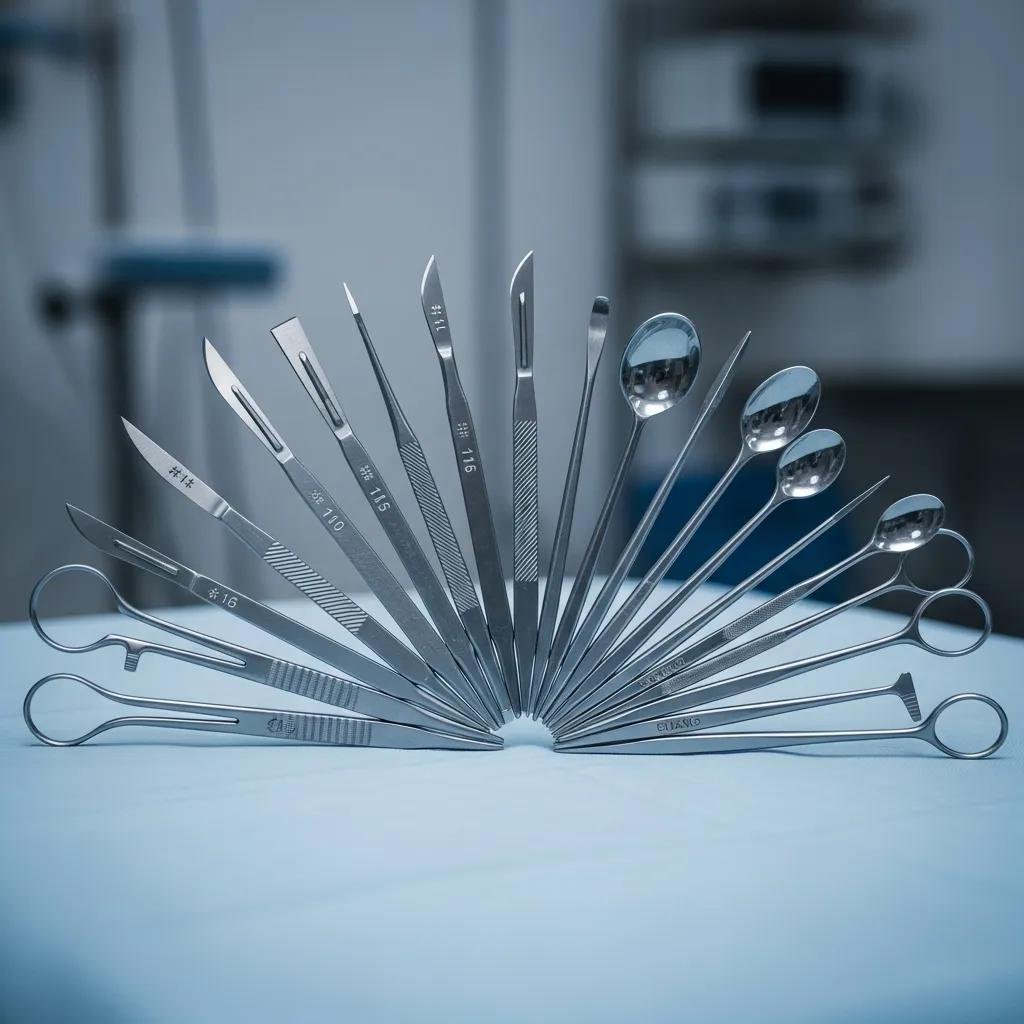
Handheld debridement tools — from scalpels and curettes to specialized mechanical devices — remove dead tissue and contaminants to expose healthy tissue and reduce infection risk. Proper debridement creates a cleaner wound bed, which improves dressing performance, lowers pain in some cases, and supports faster healing when combined with the right adjunct therapies.
How Does Advanced Wound Care Equipment Enhance Healing for Chronic Wounds at Home?
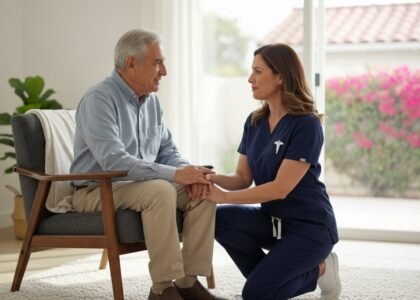
Bringing advanced devices into the home strengthens treatment continuity and patient comfort. These technologies let clinicians apply evidence-based therapies outside the hospital, reduce barriers to care, and involve patients and caregivers more directly in day-to-day wound management.
What Role Do Regenerative Wound Care Devices Play in Mobile Services?
Regenerative options — including bioengineered skin substitutes and growth-factor treatments — supply cells, matrix components, or signaling molecules that support tissue repair. Used appropriately, these products can accelerate closure, reduce pain, and lower complication rates, especially when combined with debridement, proper dressings, and monitoring.
Ongoing advances in bioengineered skin substitutes reinforce their growing importance in complex wound care.
Bioengineered Skin Substitutes for Advanced Wound Care
Reviews of skin substitutes trace progress from grafting techniques to modern bioengineered products. While no single substitute replicates every skin function, these technologies offer meaningful options for deep and full-thickness wounds and remain an active area of research.
Advancement of wound care from grafts to bioengineered smart skin substitutes, R Augustine, 2014
How Do Advanced Wound Dressings and Biologics Support Mobile Care?
Modern dressings are designed to maintain a moist, protected wound environment and can include antimicrobial or biologic components that support healing. In mobile care, selecting the right dressing — one that manages exudate, prevents contamination, and complements other therapies — is essential for consistent, effective treatment at home.
What Technologies Enable Effective Mobile Wound Assessment and Remote Monitoring?
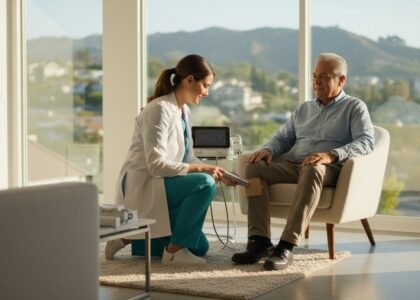
Reliable remote assessment depends on tools that capture quality clinical data and connect patients with their care teams. Imaging systems, telehealth platforms, and remote monitoring devices allow clinicians to track progress, flag concerns early, and adjust treatment plans without unnecessary travel.
How Are Mobile Wound Imaging Systems Used in Home Care?
Mobile imaging tools capture detailed wound photos and measurements to document healing over time. When paired with telehealth, these images let clinicians assess progress, recommend dressing changes, and modify therapies in near real time — improving safety and reducing delays in care.
High-quality wound images are essential for accurate remote assessment and reliable home-based wound management.
Mobile Health Tools for Remote Home Wound Management
A feasibility study of a mobile tool for home wound management found that image quality directly affects assessment reliability. Real-time feedback on photo quality improved documentation and supported remote clinical decisions.
Wound image quality from a mobile health tool for home-based chronic wound management with real-time quality feedback: randomized feasibility study, J Zhang, 2021
What Telehealth and Remote Monitoring Devices Support Mobile Wound Care?
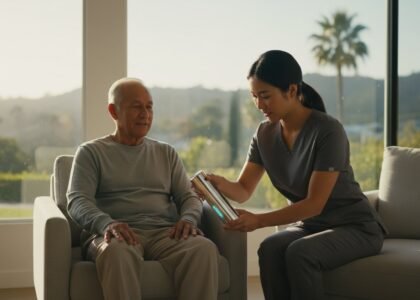
Telehealth platforms and remote monitors can track wound appearance, vitals, and patient-reported symptoms. These systems help clinicians detect changes early, tailor care plans, and keep patients engaged between in-person visits — all of which improve outcomes and satisfaction.
What Are the Benefits and Patient Experiences with Portable Wound Care Equipment?
Portable wound-care technologies offer practical benefits: more convenient treatment, fewer clinic trips, and access to advanced therapies in familiar settings. For many patients, this translates to faster recovery and better quality of life.
How Does Portable Wound Vac Technology Improve Patient Outcomes?
Portable wound vacs have been associated with accelerated healing and reduced infection risk when used under clinical guidance. Many patients report shorter recovery periods and easier daily living while on therapy, making portable NPWT a valuable option for suitable wounds.
What Do Patients Say About Mobile Advanced Wound Care Equipment?
Patient feedback consistently highlights convenience, comfort, and greater confidence in self-care. People appreciate receiving expert-guided treatments at home and feeling more involved in their recovery — themes that show up in many patient stories and outcome reports.
How Does Healix360 Select and Implement Advanced Mobile Wound Care Equipment?
Healix360
Advanced Mobile Wound Care Specialists follow a structured selection and implementation process to match devices to each patient’s clinical needs and home environment, ensuring safe, effective treatment delivery.
What Criteria Guide Equipment Choice for Mobile Wound Care?
Healix360 evaluates clinical evidence, usability, patient comfort, safety, and logistical fit when choosing equipment. Our focus is on therapies that combine proven outcomes with practical use in a home setting so patients get care that works in real life.
How Do Board-Certified Specialists Use Equipment to Personalize Treatment?
Board-certified specialists at Healix360 use advanced mobile wound care tools to create
personalized treatment plans
tailored to each patient’s wound, comorbidities, and daily routine. We pair device selection with ongoing education and follow-up to optimize healing and support patients throughout recovery.
Frequently Asked Questions
What are the advantages of using mobile wound care equipment over traditional methods?
Mobile wound care offers convenience, fewer in-person visits, and reduced exposure to hospital environments. Many portable therapies — like NPWT or advanced biologics — can accelerate healing when combined with proper clinical oversight, often improving comfort and satisfaction for patients.
How can patients ensure they are using advanced wound care equipment correctly?
Follow your clinician’s instructions and the manufacturer’s guidance, complete any training provided, and keep scheduled follow-ups. If anything feels off — device alarms, increased pain, or changes in the wound — contact your care team promptly.
What types of training are available for caregivers using mobile wound care equipment?
Caregivers can access hands-on training, online modules, instructional videos, and in-service sessions. Effective programs cover device setup, dressing changes, troubleshooting, and wound assessment so caregivers feel competent and supported.
Are there any specific patient populations that benefit more from mobile wound care services?
Mobile wound care is especially helpful for older adults, people with mobility limitations, and patients with chronic conditions like diabetes. Those with complex or long-term wounds often see better access to advanced therapies and more consistent follow-up through home-based programs.
What role does telehealth play in mobile wound care management?
Telehealth enables remote consultations, image-based assessments, and timely treatment adjustments. It reduces travel burden for patients and helps clinicians intervene sooner when a wound changes, improving safety and continuity of care.
How do insurance policies typically cover mobile wound care services?
Coverage varies by plan and clinical need. Medicare, Medicaid, and many private insurers may cover home health services and certain wound therapies when medically necessary. Patients should check with their insurer and care team to understand eligibility and potential out-of-pocket costs.
Conclusion
Advanced mobile wound care equipment extends proven therapies into the home, improving access, comfort, and healing outcomes. When selected and managed by experienced clinicians, these tools help patients recover more confidently. Learn how our team can tailor mobile wound care to your needs and support your healing journey today.