
Advanced Wound Dressings: Types, Benefits, and Patient-Centered Healing Solutions
Advanced wound dressings are central to modern wound care. They use newer materials and technologies to support healing, lower infection risk, and improve patient comfort.
This guide reviews the main types of advanced dressings, explains how they help healing, and shows how patient-centered care improves outcomes.
Many people with chronic wounds face slow healing, repeated infections, and ongoing discomfort that can affect quality of life.
That reality highlights why more effective, targeted wound therapies are urgently needed.
Multifunctional Dressings for Chronic Wound Treatment
As diabetes rates rise and populations age, chronic wounds—like diabetic foot ulcers and pressure injuries—are an increasing global health burden. Standard topical approaches (debridement, infection/inflammation control, and frequent dressing changes) can reduce symptoms but often fail to deliver lasting cures; overall healing rates remain under 50% with high recurrence. Traditional dressings such as gauze, hydrocolloids, films, and foams tend to be single-function, serving mainly as a barrier or an absorbent.
Construction of multifunctional wound dressings with their application in chronic wound treatment, C Hu, 2022
Advanced dressings address many of those gaps by offering targeted functions—moisture balance, antimicrobial protection, and support for tissue repair—so wounds can close more reliably.
Below, we explain how these dressings work, outline common types, summarize their benefits, and describe how Healix360’s mobile specialists integrate them into individualized care plans.
What Are Advanced Wound Dressings and How Do They Promote Healing?
Advanced wound dressings are medical products engineered to create the right environment for tissue repair. Unlike basic gauze, they use specialized materials and technologies to manage moisture, limit infection, and support regeneration. Their main advantage is preserving an optimally moist wound bed, which accelerates cell migration and tissue rebuilding.
How Do Advanced Dressings Differ from Traditional Wound Care Products?
Traditional dressings generally absorb fluids and act as a simple barrier. Advanced dressings add purposeful design: hydrogels rehydrate dry tissue, foams absorb and cushion, alginates form gels and support hemostasis, and some include antimicrobial agents. These features together control exudate, reduce pain at dressing changes, and actively support the biology of healing.
Evidence consistently shows advanced dressings often deliver better healing for chronic wounds than conventional options.
Advanced Dressings Outperform Conventional for Chronic Wound Healing
A systematic review and meta-analysis found that advanced dressings increased the odds of complete healing compared with conventional dressings (mean odds ratio 1.52), indicating a meaningful clinical advantage for chronic wound care.
Effectiveness of advanced versus conventional wound dressings on healing of chronic wounds: systematic review and meta-analysis, 2013
What Role Does Regenerative Medicine Play in Advanced Wound Dressings?
Regenerative medicine is increasingly incorporated into advanced dressings. Approaches such as biologic matrices, growth factors, and cell-based therapies aim to jump-start tissue repair at the cellular level. These additions promote angiogenesis, collagen deposition, and reduced inflammation—helping challenging wounds progress beyond stalled healing phases and lowering complication risk.
The pace of innovation in regenerative wound therapies is rapid, bringing more patient-focused options for complex wounds.
Regenerative Medicine: Innovative Patient-Centric Wound Care
Advances in regenerative medicine and tissue engineering are opening patient-specific pathways—mesenchymal stem cells and their secretome, tissue nano-transfection for in situ gene delivery, 3D bioprinting, and ECM bioscaffolds. These methods target common barriers to healing, including excessive inflammation, and aim to restore tissue function through targeted molecular and cellular interventions. Reviewing emerging and established technologies helps clarify benefits and limitations as care becomes more personalized.
Which Types of Advanced Wound Dressings Are Most Effective?
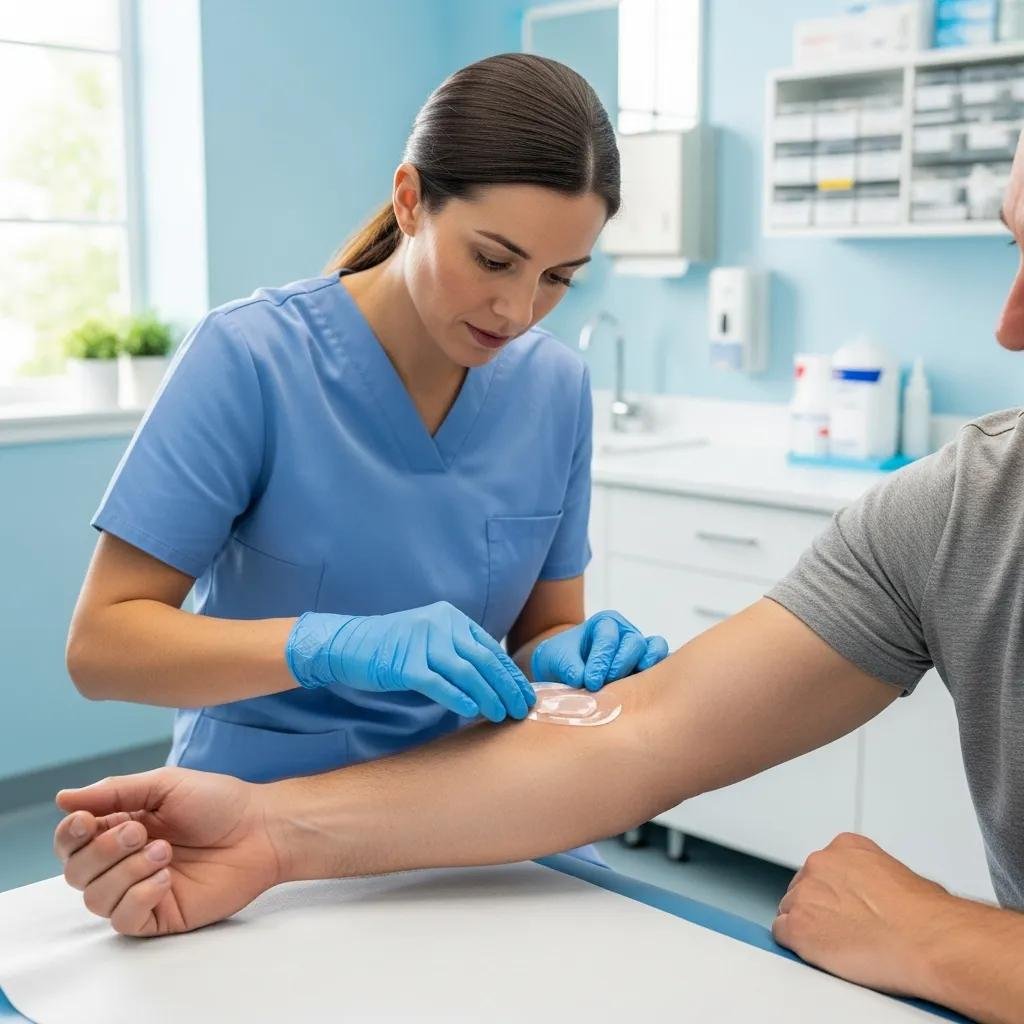
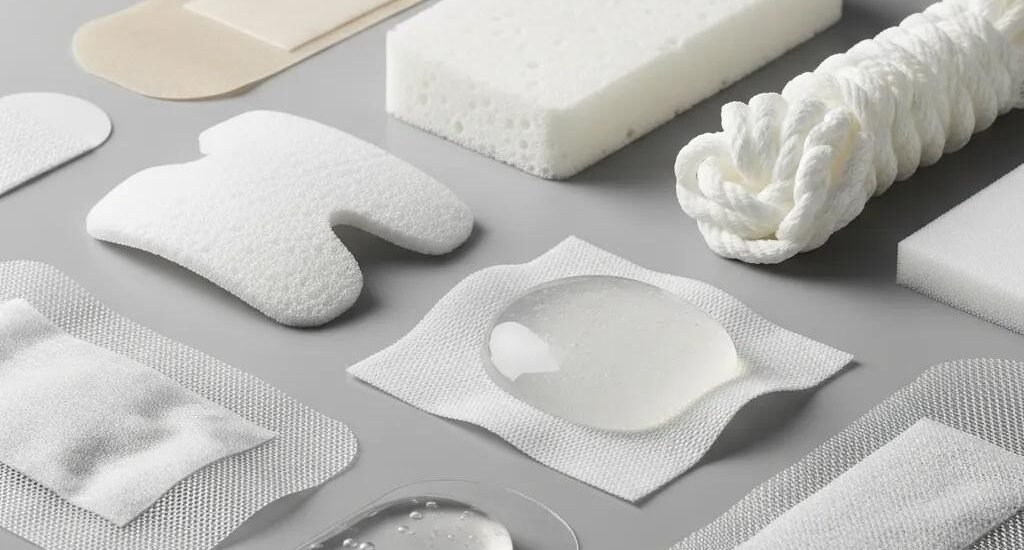
Advanced dressings come in several classes, each suited to specific wound characteristics. Knowing their strengths helps caregivers and clinicians choose the best option for a given wound.
What Are the Benefits and Uses of Hydrocolloid Dressings?
Hydrocolloid dressings retain moisture and form a protective gel over wounds with low to moderate exudate. They reduce pain at changes, are easy to apply, and can stay in place for several days—lowering dressing-change frequency. Hydrocolloids are commonly used for pressure injuries, minor burns, and superficial skin breaks.
How Do Foam Dressings Support Absorption and Protection?
Foam dressings absorb moderate to heavy exudate while providing a cushioning barrier. Their structure offers high absorbency and protects surrounding skin from maceration. Foam dressings are a good choice for heavily draining wounds and sites that need extra padding to reduce pressure and friction.
When Are Alginate Dressings Ideal for Wound Care?
Alginate dressings, made from seaweed-derived fibers, create a gel on contact with wound fluid and excel at managing high-exudate wounds. They can conform to deep or cavity wounds, help maintain moisture balance, and support hemostasis—making them useful for bleeding or heavily draining wounds.
How Do Hydrogel Dressings Aid in Hydration and Debridement?
Hydrogel dressings add moisture to dry or necrotic wounds and support autolytic debridement. They soften devitalized tissue without aggressive mechanical scraping, making them appropriate for burns, skin tears, and wounds that need gentle rehydration to progress healing.
What Advantages Do Antimicrobial Dressings Offer in Infection Prevention?
Antimicrobial dressings contain agents that reduce microbial load and protect wounds at higher infection risk. They can lower colonization and infection rates, support faster healing, and improve comfort—particularly valuable for surgical sites and wounds with poor perfusion.
How Do Biologic and Regenerative Dressings Enhance Tissue Repair?
Biologic and regenerative dressings deliver biologically active components—collagen, growth factors, or living cells—that directly support tissue repair. These products can stimulate the body’s healing pathways and are often effective when standard dressings fail to advance chronic wounds.
What Are the Key Benefits of Using Advanced Wound Dressings?
How Do Advanced Dressings Accelerate Wound Healing?
Advanced dressings speed healing by preserving a moist wound environment, which supports cell migration and tissue formation. When wounds heal faster, patients often experience shorter care episodes, fewer complications, and lower overall costs of care.
In What Ways Do They Prevent Infection and Manage Exudate?
These dressings control exudate while providing antimicrobial protection or acting as a barrier to contaminants. Effective fluid handling minimizes maceration and bacterial growth, helping reduce infection risk and create conditions favorable to repair.
How Do These Dressings Improve Patient Comfort and Pain Management?
Patient comfort is a core consideration. Many advanced dressings are flexible, low-profile, and designed to limit pain during changes. By reducing dressing-related discomfort, patients adhere better to treatment plans and are more likely to complete recommended care.
Can Advanced Dressings Reduce Scarring and Improve Outcomes?
By supporting an organized healing process and protecting newly formed tissue, advanced dressings can reduce tissue damage and favor healthy granulation—often translating to better cosmetic and functional outcomes, especially for surgical and traumatic wounds.
How Does Healix360’s Mobile Wound Care Enhance Advanced Dressing Effectiveness?
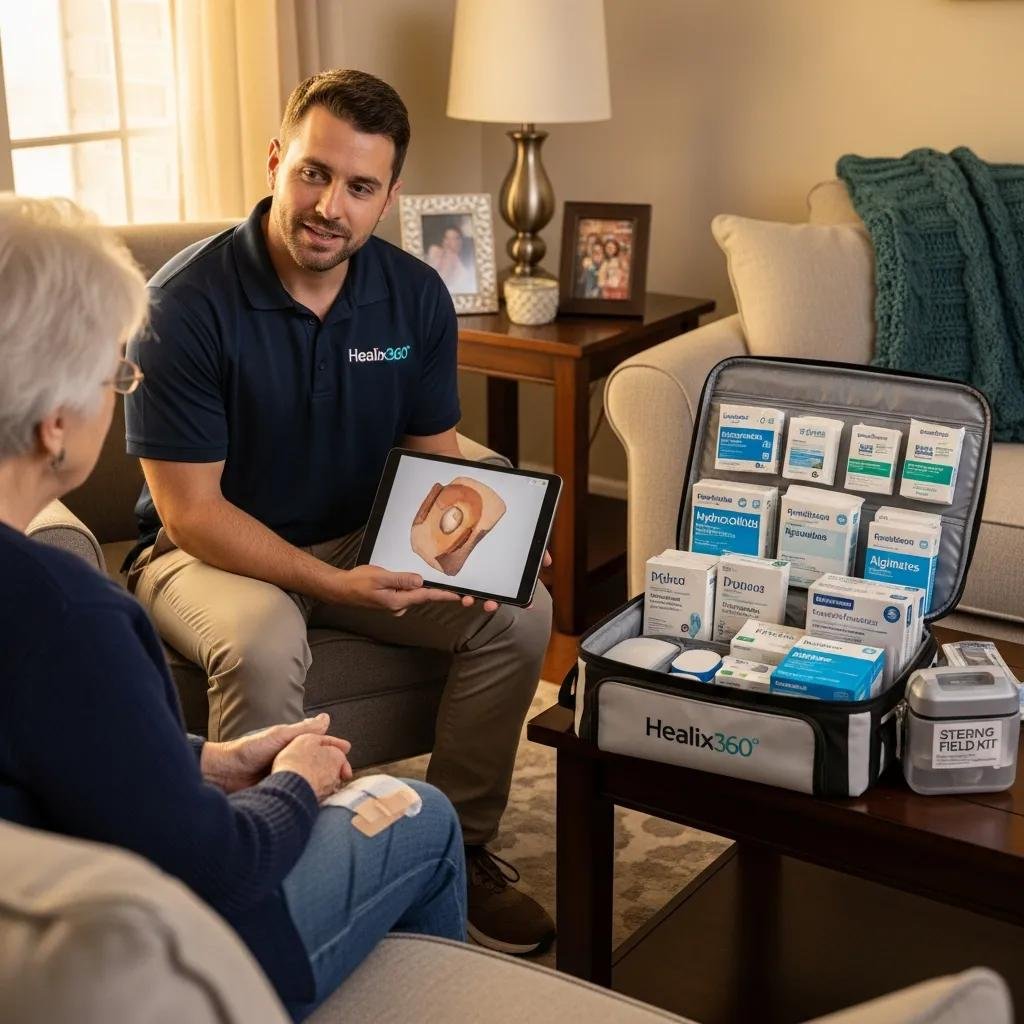
Healix360 Advanced Mobile Wound Care Specialists
bring expert chronic-wound care directly to patients—at home, in skilled nursing facilities, or in assisted living. By pairing advanced regenerative options (for example, biologics and cell-based approaches) with the right dressings, our teams help wounds progress where conventional care has stalled.
What Is the Process of Mobile Advanced Wound Care Treatment?
Our mobile care starts with a thorough wound and health assessment. Specialists then create a personalized plan that selects dressings and therapies matched to the wound’s needs. Delivering this care where the patient lives improves adherence and supports consistent monitoring.
How Does Mobile Care Improve Access and Healing Outcomes?
Mobile wound care removes transportation barriers and enables timely, expert interventions. Regular visits allow for close monitoring and rapid adjustments to treatment—changes that help chronic wounds move toward closure and reduce complications.
What Support and Education Does Healix360 Provide to Patients and Caregivers?
Healix360 provides practical education on wound management, dressing changes, and early signs of infection. We work with patients and caregivers to build confidence and clarity so home care supports clinical goals and improves long-term outcomes.
How Can Patients and Caregivers Choose the Right Advanced Wound Dressing?
Selecting the right dressing matters. A tailored choice—based on wound type, drainage level, infection risk, and patient comfort—helps treatment progress and avoids setbacks.
What Factors Determine the Best Dressing Type for Specific Wounds?
Consider wound depth, location, and exudate volume, plus whether infection is present and how sensitive the surrounding skin is. A clinician assessment will identify the dressing features needed to maintain moisture balance, protect tissue, and support healing.
How Should Caregivers Manage Dressing Changes and Monitor Healing?
Caregivers are vital to wound care. Follow the prescribed schedule for dressing changes, watch for increased redness, swelling, warmth, or discharge, and report concerns promptly.
Effective communication
with clinicians ensures timely adjustments when healing stalls or complications arise.
Different advanced dressings offer distinct advantages—matching product to wound needs improves results.
| Dressing Type | Key Features | Ideal Use Cases |
|---|---|---|
| Hydrocolloid | Moisture-retentive, reduces pain at changes | Pressure injuries, minor burns, superficial wounds |
| Foam | High absorbency, protective cushioning | Moderate to heavily exuding wounds |
| Alginate | Gel-forming, helps control bleeding | Deep or cavity wounds, bleeding wounds |
| Hydrogel | Hydrating, supports autolytic debridement | Dry or necrotic wounds |
| Antimicrobial | Infection control, barrier protection | High-risk wounds, surgical sites |
Frequently Asked Questions
What are the signs that a wound is not healing properly?
Warning signs include increased redness, swelling, warmth, persistent or worsening pain, and new or foul-smelling discharge. If a wound shows no improvement after several days or appears to worsen, seek clinical evaluation to rule out infection or poor perfusion.
How often should advanced wound dressings be changed?
Change frequency depends on dressing type, wound drainage, and clinical instructions. Replace dressings when saturated, loose, or soiled. Some advanced dressings can remain in place for days; others require more frequent changes. Follow your clinician’s guidance for the safest schedule.
Can advanced wound dressings be used on all types of wounds?
Advanced dressings cover a wide range of wounds, but no single product fits every wound. Alginate dressings suit high-exudate wounds, while hydrogels work better for dry or necrotic wounds. A healthcare professional should match dressing characteristics to the wound’s condition.
What role does patient education play in wound care?
Education empowers patients and caregivers to perform effective home care, recognize complications early, and communicate changes to clinicians. Better-informed patients adhere to treatment plans more consistently, which improves healing odds.
Are there any risks associated with using advanced wound dressings?
Risks are uncommon but include material allergies, skin irritation, or infection if dressings are misused. Improper application or infrequent changes can cause maceration or delayed healing. Always follow clinician instructions and report any adverse reactions.
How can nutrition impact wound healing?
Nutrition is a key part of healing. Protein supports collagen synthesis; vitamins A and C, zinc, and adequate hydration support immune and cellular function. Patients with chronic wounds should discuss nutritional needs with a clinician or dietitian to support recovery.
Conclusion
Advanced wound dressings, used thoughtfully and paired with patient-centered care, help wounds heal faster, reduce infection risk, and improve comfort. For best results, consult a healthcare professional to choose and monitor the right dressing for your situation. Visit our resources to learn more about advanced wound care and personalized treatment options.